Quick Slow Cooker Vegetable Minestrone For Busy Nights
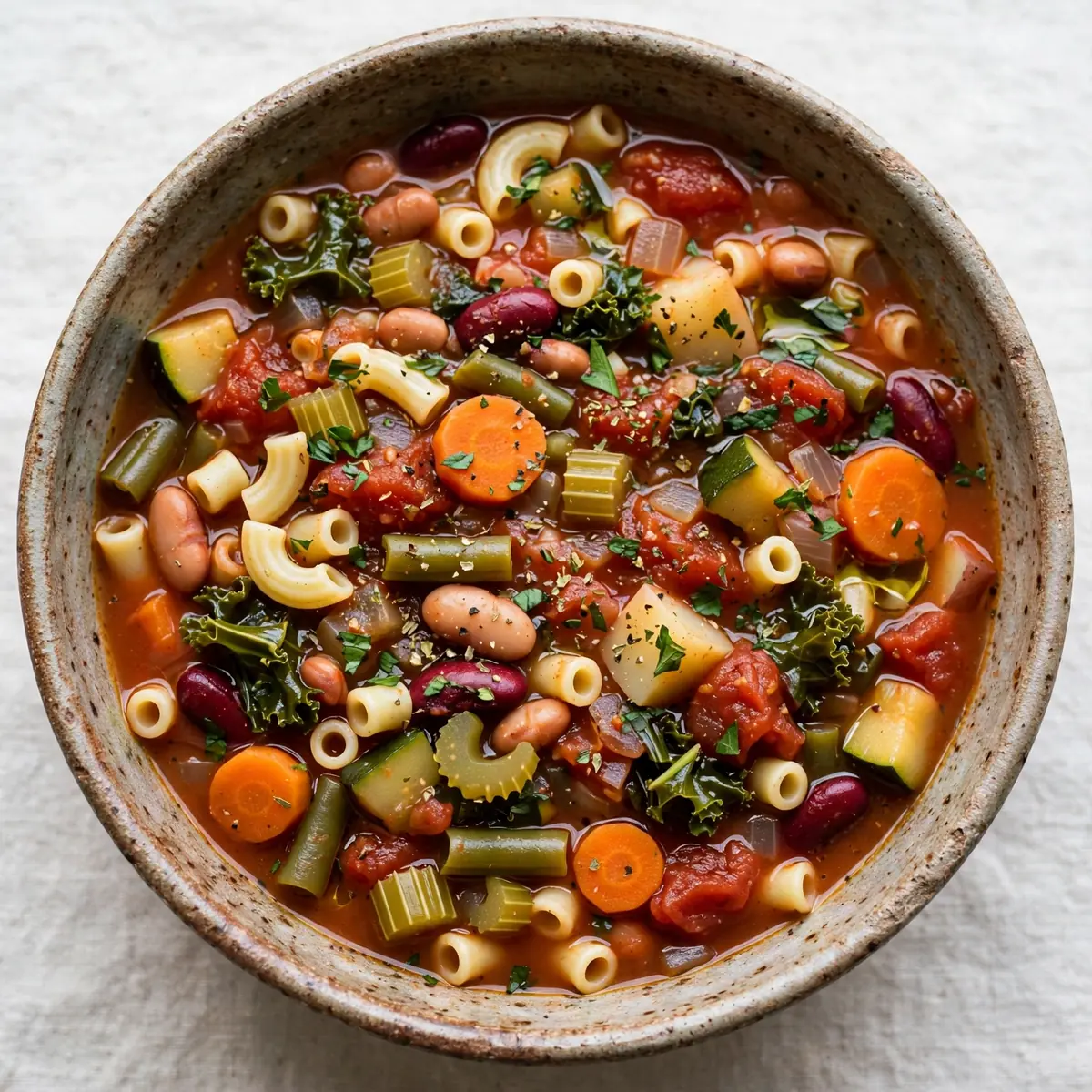
When the school run runs late and everyone is hungry, this slow cooker vegetable minestrone is the dinner I reach for. It takes about fifteen minutes of chopping in the morning, then the slow cooker does the rest while I get on with my day. I used to struggle with this dish until I discovered that adding the pasta at the very end keeps every spoonful bright and never gluey.
Recipe Overview
- Prep time: 15 minutes
- Cook time: 4 hours on high or 7 hours on low
- Total time: 4 hours 15 minutes (high setting)
- Servings: 6 generous bowls
- Difficulty: Easy — one pot, minimal hands-on work
Why You’ll Love This Slow Cooker Vegetable Minestrone
- Dinner is sorted before 9am. Once the vegetables are in the pot, you can walk away. No mid-afternoon panic, no takeaway temptation on the drive home.
- One pot, one ladle, one washing-up bowl. Everything happens in the slow cooker insert, which means no splattered hob and no stack of pans waiting for you after bedtime.
- It stretches beautifully. A handful of pasta and a tin of beans turn a modest pile of vegetables into six proper bowls, which keeps the weekly shop affordable.
- It tastes even better the next day. The herbs and tomatoes deepen overnight, so tomorrow’s lunch is genuinely something to look forward to.
- It bends to whatever is in the fridge. Courgette, green beans, spinach, a lonely parsnip — this soup welcomes them all without complaint.
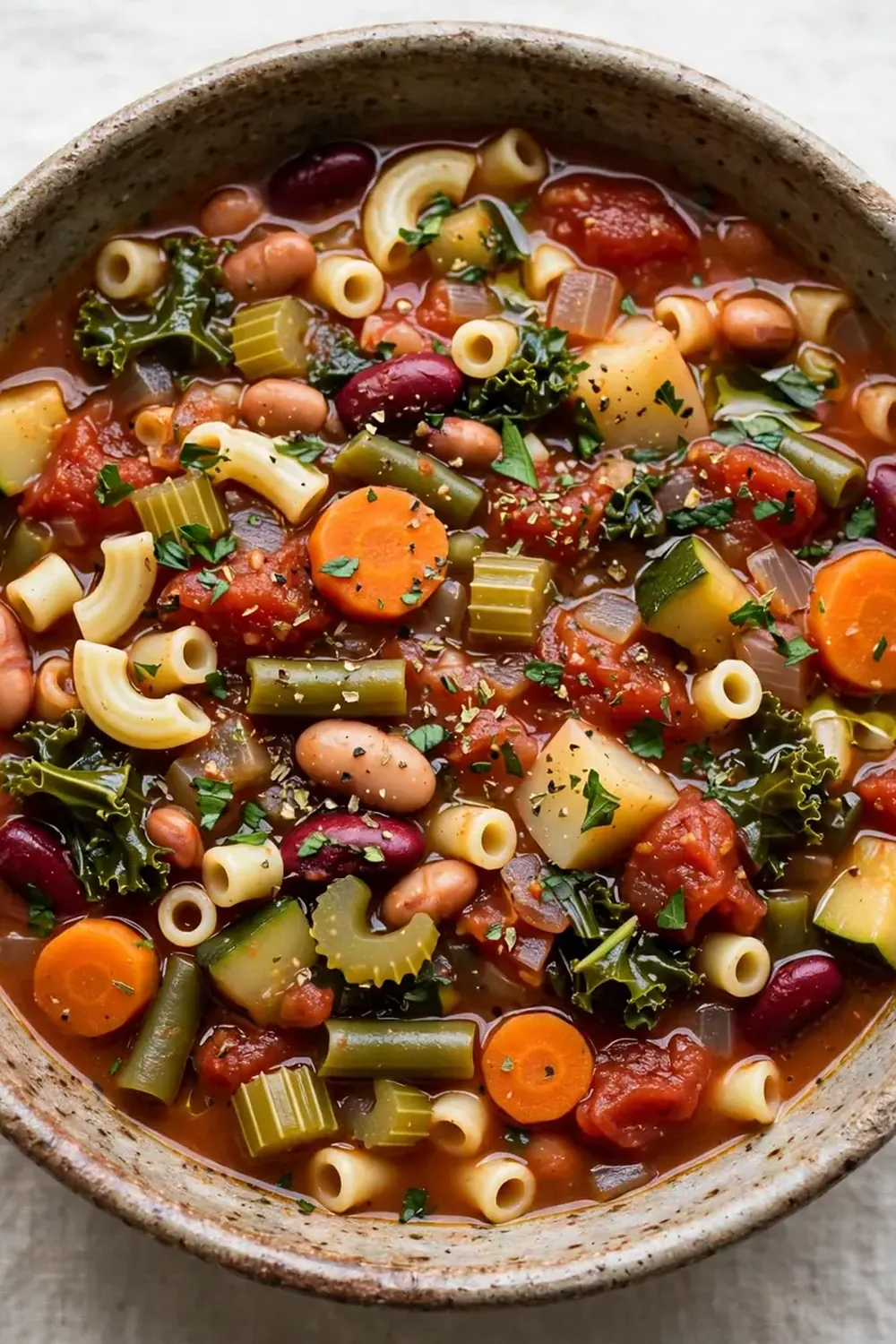
Ingredients You’ll Need
- 2 tablespoons olive oil
- 1 large onion, finely diced
- 2 carrots, peeled and diced into 1cm pieces
- 2 celery sticks, sliced
- 3 garlic cloves, minced
- 1 medium courgette, diced
- 1 red pepper, deseeded and diced
- 400g tin chopped tomatoes
- 400g tin cannellini beans, drained and rinsed
- 1.5 litres chicken or vegetable stock
- 1 tablespoon tomato purée
- 1 teaspoon dried oregano
- 1 teaspoon dried basil
- 1 bay leaf
- 100g dried small pasta shapes (ditalini or macaroni)
- 150g green beans, trimmed and cut into short lengths
- Salt and black pepper, to taste
- Fresh parsley and grated Parmesan-style cheese, to serve
Tip: Chop the carrots and celery smaller than you think you need. In a slow cooker, dense root vegetables soften far more slowly than leafy ones, and a 1cm dice means everything reaches a tender bite at the same moment.
Equipment You’ll Need
- Slow cooker (5-6 quart)
- Sharp knife and cutting board
- Measuring cups
- Measuring spoons
- Wooden spoon for stirring
How to Make Slow Cooker Vegetable Minestrone
- Soften the aromatics. Heat the olive oil in a frying pan over medium heat and cook the onion, carrot and celery for 5 minutes. You want the onion turning translucent and glossy, with a faint sweetness rising from the pan. This extra step is worth it — raw onions dropped straight into a slow cooker stay sharp and slightly harsh.
- Wake up the garlic and tomato purée. Stir in the garlic and tomato purée and cook for 60 seconds. The purée will darken from bright red to a deeper brick colour and smell rich rather than raw. Scrape everything into the slow cooker insert.
- Build the base. Add the courgette, red pepper, chopped tomatoes, cannellini beans, stock, oregano, basil and bay leaf. Stir once so the vegetables sit in an even layer, then season lightly with salt and pepper. The liquid should sit just above the vegetables — add a splash more stock if it looks tight.
- Cook low and slow. Cover and cook on high for 4 hours or on low for 7 hours. At the end, the carrots should yield instantly to a knife and the kitchen will smell of tomatoes and herbs. Resist lifting the lid during cooking; every peek adds roughly 20 minutes to the timing.
- Add the pasta and green beans. Turn the setting to high, stir in the pasta and green beans, and cook for 20-25 minutes with the lid on. The pasta should be tender with the faintest resistance at the centre, and the green beans should be bright rather than olive-dull.
- Check the seasoning. Fish out the bay leaf, then taste. Slow-cooked soups often need more salt than expected because the vegetables absorb it. Adjust, add a grind of pepper, and let the soup sit for 5 minutes to settle.
- Serve. Ladle into warm bowls and scatter with chopped parsley and a grating of cheese. The steam should carry oregano and tomato up to meet you before the first spoonful.
Tips From My Kitchen
- Keep the pasta separate if you plan on leftovers. Pasta continues to drink broth as it sits, so by morning you’ll have stew rather than soup. Cook the pasta in a small pan, store it separately, and add it to each bowl. It takes six minutes and saves the whole pot.
- Layer hard vegetables at the bottom. Carrots, celery and potatoes sit closest to the heat source and cook most evenly. Softer items like courgette and spinach go on top, where they steam gently instead of dissolving.
- Undercook rather than overcook. Slow cookers keep vegetables at a simmer for hours, and texture disappears fast. If your machine runs hot, check at the 3-hour mark on high — the difference between tender and mushy is often only 30 minutes.
- Add a parmesan rind if you have one. Tucked into the broth, it melts into a savoury depth that no stock cube quite matches. Remove it before serving, like the bay leaf.
- Cool and store properly. Spread leftovers into shallow containers so they drop out of the danger zone quickly, then refrigerate for up to four days or freeze for three months. Reheat gently on the hob, adding a splash of stock to loosen.
- Prep the night before. Chop everything except the pasta, bag it, and refrigerate. In the morning you simply tip, pour and switch on — five minutes, start to finish.
Delicious Variations to Try
- Spicy Version: Add half a teaspoon of crushed chilli flakes with the garlic, or stir a spoonful of harissa into the tomato purée. Both bloom in the oil and give a warmth that builds slowly rather than hitting you all at once.
- Vegetarian/Vegan Option: Use vegetable stock and skip the cheese at the table, finishing instead with a drizzle of good olive oil and a pinch of lemon zest. The zest lifts the whole bowl and replaces the savoury note the cheese would have given.
- Different Protein: Diced chicken thigh added at the start cooks to tenderness in the same four hours, while a tin of chickpeas swapped for the cannellini gives a nuttier, firmer bite. Both keep the soup substantial without changing the method.
What to Serve With Slow Cooker Vegetable Minestrone
- Crusty sourdough or a warm seeded roll for dipping
- A simple green salad with lemon dressing
- Garlic flatbread torn straight from the pan
- A small bowl of olives and sliced cucumber
If you want something heartier alongside, a Mediterranean grilled chicken recipe turns this into a full weekend spread, and a spicy cucumbers recipe Asian salad adds a cool, crisp contrast that works surprisingly well with tomato-based soups.
Frequently Asked Questions
Slow Cooker Vegetable Minestrone
Ingredients
Method
- Soften the aromatics. Heat the olive oil in a frying pan over medium heat and cook the onion, carrot and celery for 5 minutes. You want the onion turning translucent and glossy, with a faint sweetness rising from the pan. This extra step is worth it — raw onions dropped straight into a slow cooker stay sharp and slightly harsh.
- Wake up the garlic and tomato purée. Stir in the garlic and tomato purée and cook for 60 seconds. The purée will darken from bright red to a deeper brick colour and smell rich rather than raw. Scrape everything into the slow cooker insert.
- Build the base. Add the courgette, red pepper, chopped tomatoes, cannellini beans, stock, oregano, basil and bay leaf. Stir once so the vegetables sit in an even layer, then season lightly with salt and pepper. The liquid should sit just above the vegetables — add a splash more stock if it looks tight.
- Cook low and slow. Cover and cook on high for 4 hours or on low for 7 hours. At the end, the carrots should yield instantly to a knife and the kitchen will smell of tomatoes and herbs. Resist lifting the lid during cooking; every peek adds roughly 20 minutes to the timing.
- Add the pasta and green beans. Turn the setting to high, stir in the pasta and green beans, and cook for 20-25 minutes with the lid on. The pasta should be tender with the faintest resistance at the centre, and the green beans should be bright rather than olive-dull.
- Check the seasoning. Fish out the bay leaf, then taste. Slow-cooked soups often need more salt than expected because the vegetables absorb it. Adjust, add a grind of pepper, and let the soup sit for 5 minutes to settle.
- Serve. Ladle into warm bowls and scatter with chopped parsley and a grating of cheese. The steam should carry oregano and tomato up to meet you before the first spoonful.
Notes
That’s the whole approach — a short burst of chopping, a slow afternoon of simmering, and a bowl of minestrone waiting when the door finally closes behind everyone. I stumbled upon this combination by accident one rushed Tuesday, and it’s been a hit ever since. Tell me in the comments which vegetables ended up in your pot, and whether you kept the pasta separate or threw caution to the wind.