Quick Lemon Olive Oil Yogurt Cake For Busy Nights

On those evenings when the clock is against us and everyone is hungry, this Lemon Olive Oil Yogurt Cake earns its place at the table. It is the sort of bake I can pull together while the pasta water comes to the boil, and it doubles as pudding with a spoonful of yogurt or a slice for breakfast the next morning. If your weeknights feel like a race, this is one recipe worth keeping close.
Recipe Overview
- Prep time: 15 minutes
- Cook time: 45 minutes
- Total time: 1 hour (plus 15 minutes cooling)
- Servings: 8 generous slices
- Difficulty: Easy — one bowl, one whisk, no frosting required
Why You’ll Love This Lemon Olive Oil Yogurt Cake
- It is genuinely a one-bowl affair. Everything goes into a single mixing bowl, so there is no stack of washing up waiting for you at nine o’clock at night.
- The yogurt keeps it tender for days. Full-fat yogurt adds moisture and a gentle tang that means the cake still tastes fresh on day three, which makes it a brilliant make-ahead option.
- Olive oil does the heavy lifting. There is no butter to soften or cream, so you can start baking the moment the craving strikes — no waiting for anything to come to room temperature.
- It suits every part of the day. A slice with coffee in the morning, a square in a lunchbox, or warmed slightly with fruit after dinner — the same cake does all three jobs.
- My kids absolutely devour this every time I make it. The lemon keeps it bright rather than sugary, so I feel good about handing out second slices.

Ingredients You’ll Need
- 250 g plain flour
- 2 tsp baking powder
- ½ tsp bicarbonate of soda
- ¼ tsp fine sea salt
- 200 g caster sugar
- 2 large eggs, at room temperature
- 240 g full-fat natural yogurt
- 120 ml extra-virgin olive oil (a fruity, everyday one works best)
- 2 tbsp finely grated lemon zest (about 2 unwaxed lemons)
- 60 ml fresh lemon juice
- 1 tsp vanilla extract
- 1 tbsp icing sugar, for dusting (optional)
- Extra yogurt and fresh berries, to serve (optional)
Tip: Use a yogurt you would happily eat on its own — Greek-style or a thick natural set yogurt gives the best crumb. If your lemons are small and dry, add an extra half tablespoon of zest; the oils in the peel are where the real perfume lives.
Equipment You’ll Need
- Stand mixer or hand mixer
- Baking tray
- Parchment paper
- Wire cooling rack
How to Make Lemon Olive Oil Yogurt Cake
- Get the oven going and line your tin. Heat the oven to 175°C (155°C fan, Gas Mark 3½). Line a 20 cm round cake tin or a 900 g loaf tin with parchment paper, letting the paper come up the sides a little — this makes lifting the cake out effortless later. You want the oven fully up to temperature before the batter goes in, so start this first.
- Whisk the dry ingredients. In your mixing bowl, combine 250 g plain flour, 2 tsp baking powder, ½ tsp bicarbonate of soda and ¼ tsp salt. Give it a quick whisk for about 20 seconds — you will see the powders turn pale and evenly blended, with no streaks of soda left behind.
- Add everything else and beat briefly. Tip in 200 g caster sugar, 2 eggs, 240 g yogurt, 120 ml olive oil, 2 tbsp lemon zest, 60 ml lemon juice and 1 tsp vanilla. Beat on low for 30–40 seconds, just until the flour disappears. The batter should look glossy, pale gold and slightly thick — like a loose custard. Stop the moment it comes together; overbeating makes a tough cake.
- Scrape and pour. Run a spatula around the bowl to catch any flour hiding at the bottom, give one last fold, then pour the batter into the lined tin. Smooth the top with the back of a spoon — it should sit level and fill the tin about two-thirds of the way up.
- Bake until deeply golden. Bake for 42–48 minutes. At the 40-minute mark, open the oven and take a look: the top should be a rich golden brown, the edges just pulling away from the paper, and the centre should feel springy when you press it lightly with a fingertip. A skewer inserted into the middle should come out with a few moist crumbs, not wet batter.
- Cool in the tin for 15 minutes. Set the tin on your wire rack and leave it alone. You will hear a faint crackling as the crust settles — that is normal. After 15 minutes, lift the cake out by the parchment and let it finish cooling on the rack. Slicing too early gives a gummy edge, so patience here pays off.
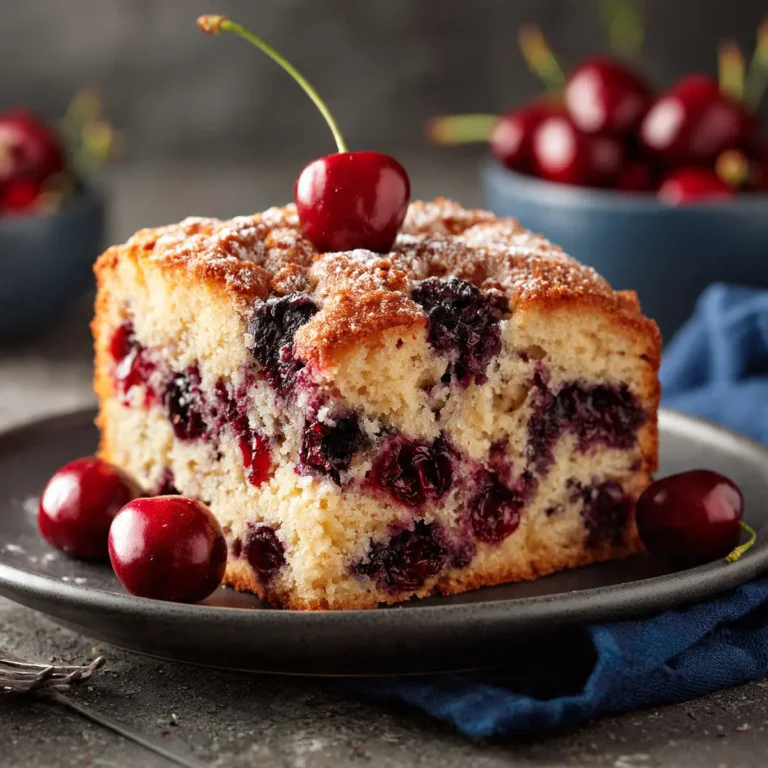
- Finish and serve. Dust with icing sugar through a small sieve just before serving, if you like. The crumb should be soft, slightly damp and fragrant with lemon the moment you cut into it.
Tips From My Kitchen
- Measure your oil with the yogurt pot. If your yogurt comes in a 250 g tub, use the empty tub to measure the oil roughly — it saves dirtying a measuring jug and you will be within a spoonful of perfect. The small variation will not hurt the cake at all.
- Zest before you juice. It sounds obvious, but I cannot count the times I have squeezed a lemon and then realised I still needed the zest. Grate the peel first, then halve and juice — the zest holds far more flavour than the juice alone.
- Do not skip the salt. A quarter teaspoon sounds trivial, but it sharpens the lemon and stops the cake tasting flat. If you only have salted butter-style flakes, crush them fine so they distribute evenly.
- Bake it the night before you need it. This cake genuinely improves after a few hours wrapped in parchment at room temperature. The lemon mellows and the crumb settles, which makes it ideal for a lunchbox or a busy morning.
- Freeze individual slices. Cut the cooled cake into squares, wrap each one tightly, and freeze for up to two months. A slice defrosts on the counter in about an hour, or 20 seconds in the microwave if you want it warm.
- Watch your oven, not just the clock. Every oven runs differently. If yours browns quickly on top, lay a sheet of foil loosely over the tin for the last 10 minutes. If it is slow, give it another five minutes and check again.
Common Mistakes to Avoid
- Overcrowding the pan: If you use a tin that is too small, the batter climbs the sides and the middle stays raw while the edges dry out. Stick to a 20 cm round tin or a 900 g loaf tin, and if you only have a larger tin, expect a shallower cake and reduce the baking time by 5–8 minutes.
- Wrong temperature: An oven that is too hot sets the crust before the centre cooks, giving you a burnt top and a sunken middle. Too cool, and the cake rises sluggishly and turns pale. An oven thermometer is a small investment that solves this permanently — aim for a true 175°C.
- Skipping the rest time: Cutting into the cake straight from the oven tears the crumb and makes it seem underbaked, even when it is perfect. Those 15 minutes in the tin let the structure set and the moisture redistribute. It also makes the slices far cleaner.
Delicious Variations to Try
- Spicy Version: Add ½ tsp ground ginger and a pinch of cayenne to the dry ingredients, then scatter a little finely chopped stem ginger over the top before baking. The warmth sits beautifully against the lemon without overwhelming it.
- Vegetarian/Vegan Option: Swap the eggs for 2 tbsp ground flaxseed whisked with 6 tbsp water and left for 10 minutes until gel-like, and use a thick plant-based yogurt such as coconut or soy. The cake will be slightly denser but still lovely — add an extra tablespoon of oil for moisture.
- Different Protein: For a higher-protein version, replace 60 g of the plain flour with almond flour and serve slices with a spoonful of Greek yogurt on top. You can also fold in 2 tbsp of whey or pea protein powder, though reduce the sugar by a tablespoon to balance the flavour.
What to Serve With Lemon Olive Oil Yogurt Cake
- A dollop of thick natural yogurt and a handful of raspberries
- Fresh strawberries macerated with a little lemon juice
- A cup of strong black coffee or mint tea
- Warm slices with a drizzle of honey and toasted flaked almonds
- Alongside a light dinner such as our Baked Salmon Recipe Healthy Dinner when you want something sweet to finish
If you are building out your weeknight repertoire, this cake sits happily beside savoury staples like our Pesto Chicken Bake Recipe Low Carb or a tray of Sweet Potato Muffins Recipe Moist for the lunchboxes. You can browse more ideas over on the Blog whenever you need fresh inspiration.
Frequently Asked Questions
Lemon Olive Oil Yogurt Cake
Ingredients
Method
- Get the oven going and line your tin. Heat the oven to 175°C (155°C fan, Gas Mark 3½). Line a 20 cm round cake tin or a 900 g loaf tin with parchment paper, letting the paper come up the sides a little — this makes lifting the cake out effortless later. You want the oven fully up to temperature before the batter goes in, so start this first.
- Whisk the dry ingredients. In your mixing bowl, combine 250 g plain flour, 2 tsp baking powder, ½ tsp bicarbonate of soda and ¼ tsp salt. Give it a quick whisk for about 20 seconds — you will see the powders turn pale and evenly blended, with no streaks of soda left behind.
- Add everything else and beat briefly. Tip in 200 g caster sugar, 2 eggs, 240 g yogurt, 120 ml olive oil, 2 tbsp lemon zest, 60 ml lemon juice and 1 tsp vanilla. Beat on low for 30–40 seconds, just until the flour disappears. The batter should look glossy, pale gold and slightly thick — like a loose custard. Stop the moment it comes together; overbeating makes a tough cake.
- Scrape and pour. Run a spatula around the bowl to catch any flour hiding at the bottom, give one last fold, then pour the batter into the lined tin. Smooth the top with the back of a spoon — it should sit level and fill the tin about two-thirds of the way up.
- Bake until deeply golden. Bake for 42–48 minutes. At the 40-minute mark, open the oven and take a look: the top should be a rich golden brown, the edges just pulling away from the paper, and the centre should feel springy when you press it lightly with a fingertip. A skewer inserted into the middle should come out with a few moist crumbs, not wet batter.
- Cool in the tin for 15 minutes. Set the tin on your wire rack and leave it alone. You will hear a faint crackling as the crust settles — that is normal. After 15 minutes, lift the cake out by the parchment and let it finish cooling on the rack. Slicing too early gives a gummy edge, so patience here pays off.
- Finish and serve. Dust with icing sugar through a small sieve just before serving, if you like. The crumb should be soft, slightly damp and fragrant with lemon the moment you cut into it.
Notes
I make this at least once a week — it has become a family favourite, and I love that it asks so little of me on a hectic evening. Give it a go, and let me know in the comments how you served it and whether you tried one of the variations. If you have a clever twist of your own, I would love to hear it.