Creamy Pumpkin and Sage Pasta: 20-Minute Weeknight Dinner
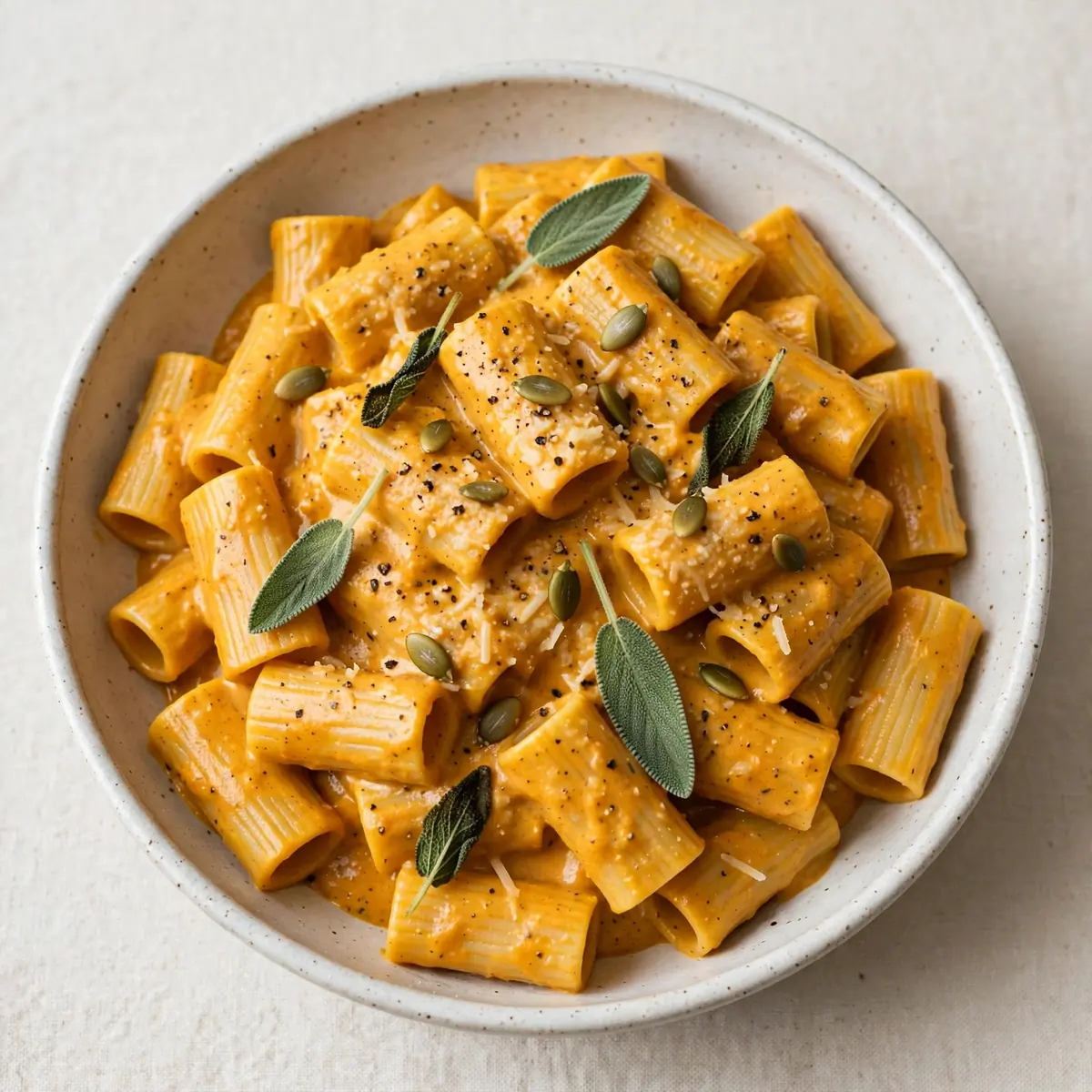
Some evenings the clock works against us, and dinner needs to be on the table before anyone has time to ask what’s for dinner. This creamy pumpkin and sage pasta has become my answer to those nights — it comes together in the time it takes to boil water and cook the pasta, uses one frying pan, and tastes like something I’d happily order in a restaurant.
Recipe Overview
- Prep time: 10 minutes
- Cook time: 20 minutes
- Total time: 30 minutes
- Servings: 4
- Difficulty: Easy
Why You’ll Love This Creamy Pumpkin and Sage Pasta
- It’s genuinely fast. Thirty minutes from a cold pan to a warm bowl, which means it fits into a weeknight even when football practice runs late.
- One pan does the heavy lifting. The sauce comes together in the same frying pan you use for the sage, so there’s no stacking of dirty pots and pans afterwards.
- Pantry-friendly ingredients. Tinned pumpkin purée and dried sage mean you can make this in February without hunting down a fresh pumpkin.
- It reheats beautifully. I often make a double batch on Sunday and pack it for lunches — the sauce loosens up with a splash of water or stock.
- It works for fussy eaters. My husband, who usually pushes pumpkin to the side of his plate, asked for seconds the first time I made this.
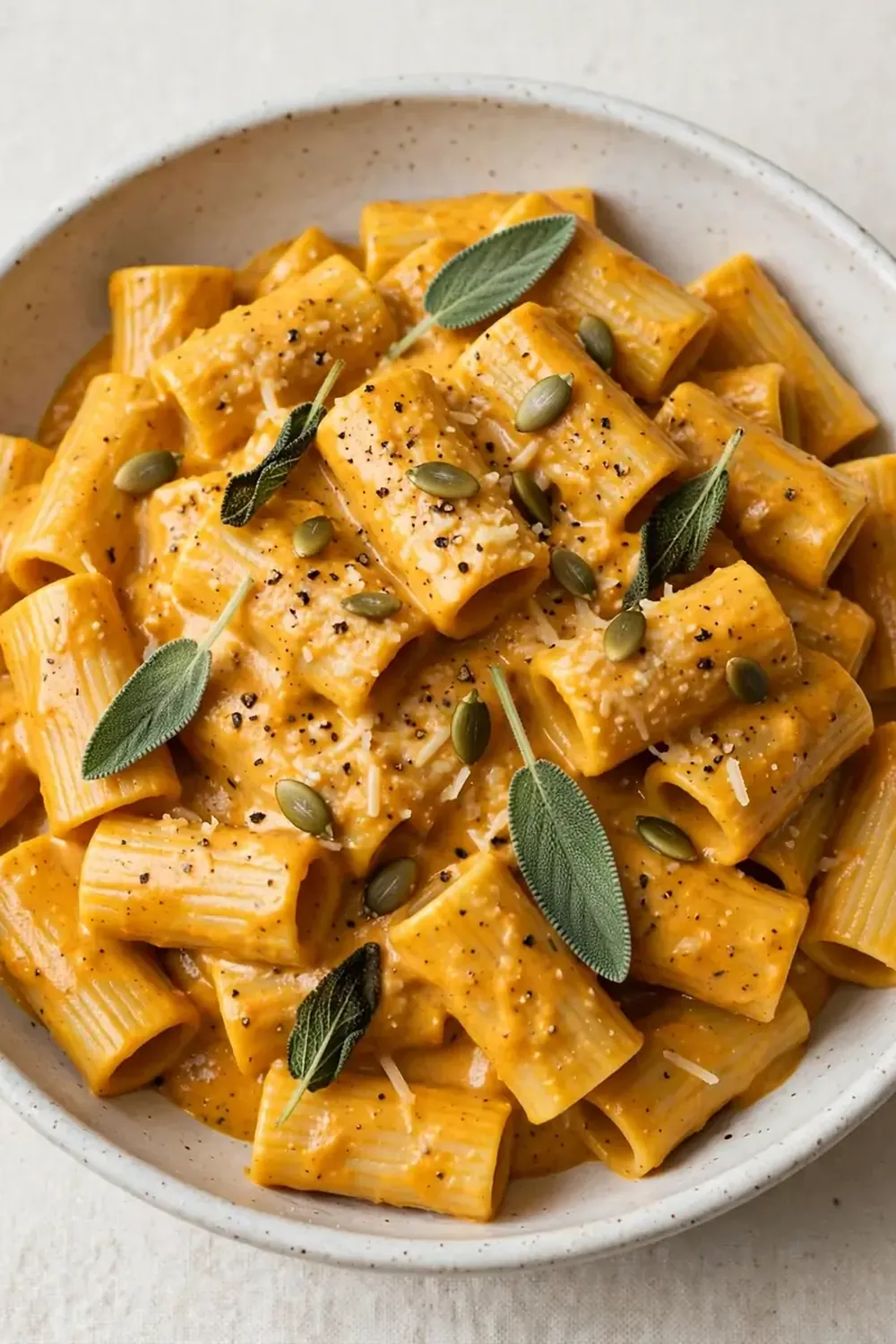
Ingredients You’ll Need
- 400 g dried pasta (penne, rigatoni, or tagliatelle all work well)
- 2 tbsp olive oil
- 2 tbsp unsalted butter
- 12–15 fresh sage leaves (or 1 tsp dried sage)
- 1 small onion, finely diced
- 3 garlic cloves, minced
- 400 g tinned pumpkin purée (not pumpkin pie filling)
- 200 ml double cream
- 150 ml chicken or vegetable stock
- 60 g grated Parmesan or Pecorino Romano
- ½ tsp ground nutmeg
- ½ tsp fine sea salt, plus more for the pasta water
- ¼ tsp cracked black pepper
- Pinch of chilli flakes (optional)
- Extra grated cheese, to serve
Tip: Check the label on your pumpkin purée carefully — pumpkin pie filling already contains sugar and spices, and it will make the sauce taste like dessert rather than dinner. Plain purée should list pumpkin as the only ingredient.
Equipment You’ll Need
- Large pot for boiling
- Colander
- Large frying pan
- Tongs or pasta fork
How to Make Creamy Pumpkin and Sage Pasta
- Boil the pasta. Fill your large pot with water, add a generous handful of salt, and bring it to a rolling boil over high heat. Add the pasta and cook for one minute less than the package instructions suggest. You want it slightly underdone — it will finish cooking in the sauce. Before draining, scoop out and reserve about 200 ml of the starchy cooking water. This liquid is the secret to a silky sauce that clings to every piece of pasta.
- Crisp the sage. While the pasta cooks, place your large frying pan over medium heat and add the olive oil and butter. Once the butter has melted and is just starting to foam — you’ll hear a gentle sizzle — add the sage leaves in a single layer. Fry them for about 60 seconds per side until they darken slightly and turn crisp at the edges. The kitchen will smell nutty and herbal. Lift them out with a slotted spoon and set aside on a plate lined with kitchen paper.
- Soften the onion. Add the diced onion to the same pan with the sage-infused oil. Cook over medium heat for 4–5 minutes, stirring occasionally, until the pieces turn translucent and glossy. Add the garlic and cook for another 30 seconds — just until it smells fragrant, not sharp. Burnt garlic will turn the whole sauce bitter, so keep an eye on it.
- Build the sauce. Stir in the pumpkin purée, nutmeg, salt, pepper, and chilli flakes if using. Cook for 2 minutes, stirring constantly, until the purée darkens slightly and smells sweet and earthy rather than raw. Pour in the stock and let it bubble gently for 2 minutes to reduce a little.
- Add the cream. Lower the heat and pour in the double cream. Stir until the sauce is uniform and pale orange, then let it warm through for 2–3 minutes. It should coat the back of a spoon without dripping straight off. Taste and adjust the seasoning now — the cheese will add saltiness later, so go easy.
- Combine pasta and sauce. Drain the pasta and tip it straight into the pan. Toss with tongs for a full minute, adding reserved pasta water a splash at a time until the sauce looks glossy and coats every piece. You’ll see it transform from thick and clumpy to loose and velvety.
- Finish with cheese. Take the pan off the heat and stir in the grated Parmesan. The residual warmth will melt it into the sauce without risk of it splitting. Crumble most of the crispy sage over the top and give everything one last toss.
- Serve immediately. Divide between warm bowls, top with the remaining sage leaves and an extra grind of black pepper, and pass grated cheese at the table.
Tips From My Kitchen
- Salt the pasta water properly. It should taste like mild seawater. This is your only chance to season the pasta itself from the inside, and under-salted water is the single most common reason a pasta dish tastes flat despite a well-made sauce.
- Never skip the pasta water. The starch in that cloudy liquid emulsifies the cream and pumpkin into a sauce that hugs the pasta rather than pooling at the bottom of the bowl. If you forget to reserve it, a splash of warm stock will do in a pinch.
- Watch the sage closely. Sage goes from perfectly crisp to acrid and burnt in about ten seconds. Pull the leaves out the moment they stop sizzling aggressively and the edges darken. If you’re using dried sage instead, stir it into the onion rather than frying it.
- Make it ahead for busy weeks. The sauce can be made up to three days in advance and kept in the fridge, or frozen for up to two months. Reheat gently on the hob with a splash of stock before tossing with freshly cooked pasta — this alone cuts weeknight cooking down to twelve minutes.
- Keep the heat low once the cream goes in. Boiling cream sauces can split and turn grainy. A gentle simmer is all you need, and adding the cheese off the heat protects both the texture and the flavour.
- Grate your own cheese. Pre-shredded Parmesan is coated in anti-caking agents that stop it melting smoothly. A block of real Parmesan grated on the fine side of a box grater takes two minutes and makes a noticeable difference.
Delicious Variations to Try
- Spicy Version: Add ½ teaspoon of chilli flakes with the garlic, or finish the dish with a drizzle of chilli oil. A small amount of heat cuts through the richness of the cream and makes the pumpkin taste brighter.
- Vegetarian/Vegan Option: Use vegetable stock instead of chicken stock, swap the butter for extra olive oil, and replace the cream with full-fat coconut milk. For the cheese, use a good plant-based Parmesan alternative or nutritional yeast to taste. The sauce will be slightly sweeter with coconut milk, so a squeeze of lemon at the end balances it nicely.
- Different Protein: Cubed cooked chicken, shredded leftover roast turkey, or browned minced beef all fold in beautifully at the end. If you’d rather keep things meat-free but hearty, a tin of drained chickpeas or some sautéed mushrooms work just as well. For another easy weeknight protein idea, this pesto chicken bake is one I make on rotation.
What to Serve With Creamy Pumpkin and Sage Pasta
- A simple rocket and pear salad with a lemon vinaigrette to cut through the cream
- Warm crusty bread for mopping up any sauce left in the bowl
- Garlic green beans or tenderstem broccoli, steamed for five minutes
- For a lighter starter, these fresh lettuce wraps work beautifully before a rich pasta course
- A small bowl of extra grated Parmesan and a pepper mill on the table
Frequently Asked Questions
Creamy Pumpkin and Sage Pasta
Ingredients
Method
- Boil the pasta. Fill your large pot with water, add a generous handful of salt, and bring it to a rolling boil over high heat. Add the pasta and cook for one minute less than the package instructions suggest. You want it slightly underdone — it will finish cooking in the sauce. Before draining, scoop out and reserve about 200 ml of the starchy cooking water. This liquid is the secret to a silky sauce that clings to every piece of pasta.
- Crisp the sage. While the pasta cooks, place your large frying pan over medium heat and add the olive oil and butter. Once the butter has melted and is just starting to foam — you'll hear a gentle sizzle — add the sage leaves in a single layer. Fry them for about 60 seconds per side until they darken slightly and turn crisp at the edges. The kitchen will smell nutty and herbal. Lift them out with a slotted spoon and set aside on a plate lined with kitchen paper.
- Soften the onion. Add the diced onion to the same pan with the sage-infused oil. Cook over medium heat for 4–5 minutes, stirring occasionally, until the pieces turn translucent and glossy. Add the garlic and cook for another 30 seconds — just until it smells fragrant, not sharp. Burnt garlic will turn the whole sauce bitter, so keep an eye on it.
- Build the sauce. Stir in the pumpkin purée, nutmeg, salt, pepper, and chilli flakes if using. Cook for 2 minutes, stirring constantly, until the purée darkens slightly and smells sweet and earthy rather than raw. Pour in the stock and let it bubble gently for 2 minutes to reduce a little.
- Add the cream. Lower the heat and pour in the double cream. Stir until the sauce is uniform and pale orange, then let it warm through for 2–3 minutes. It should coat the back of a spoon without dripping straight off. Taste and adjust the seasoning now — the cheese will add saltiness later, so go easy.
- Combine pasta and sauce. Drain the pasta and tip it straight into the pan. Toss with tongs for a full minute, adding reserved pasta water a splash at a time until the sauce looks glossy and coats every piece. You'll see it transform from thick and clumpy to loose and velvety.
- Finish with cheese. Take the pan off the heat and stir in the grated Parmesan. The residual warmth will melt it into the sauce without risk of it splitting. Crumble most of the crispy sage over the top and give everything one last toss.
- Serve immediately. Divide between warm bowls, top with the remaining sage leaves and an extra grind of black pepper, and pass grated cheese at the table.
Notes
That’s the whole thing — thirty minutes, one pan, and a bowl of pasta that tastes far more considered than the effort involved. I’d love to know how it turns out in your kitchen, so leave a comment below with your tweaks, and if you’re planning ahead, do try making the sauce on a Sunday for a stress-free Monday. For more ideas to fill out the week, this slow cooker BBQ pulled chicken is another reliable one in our house.