Ultimate Salmon Pasta Recipe
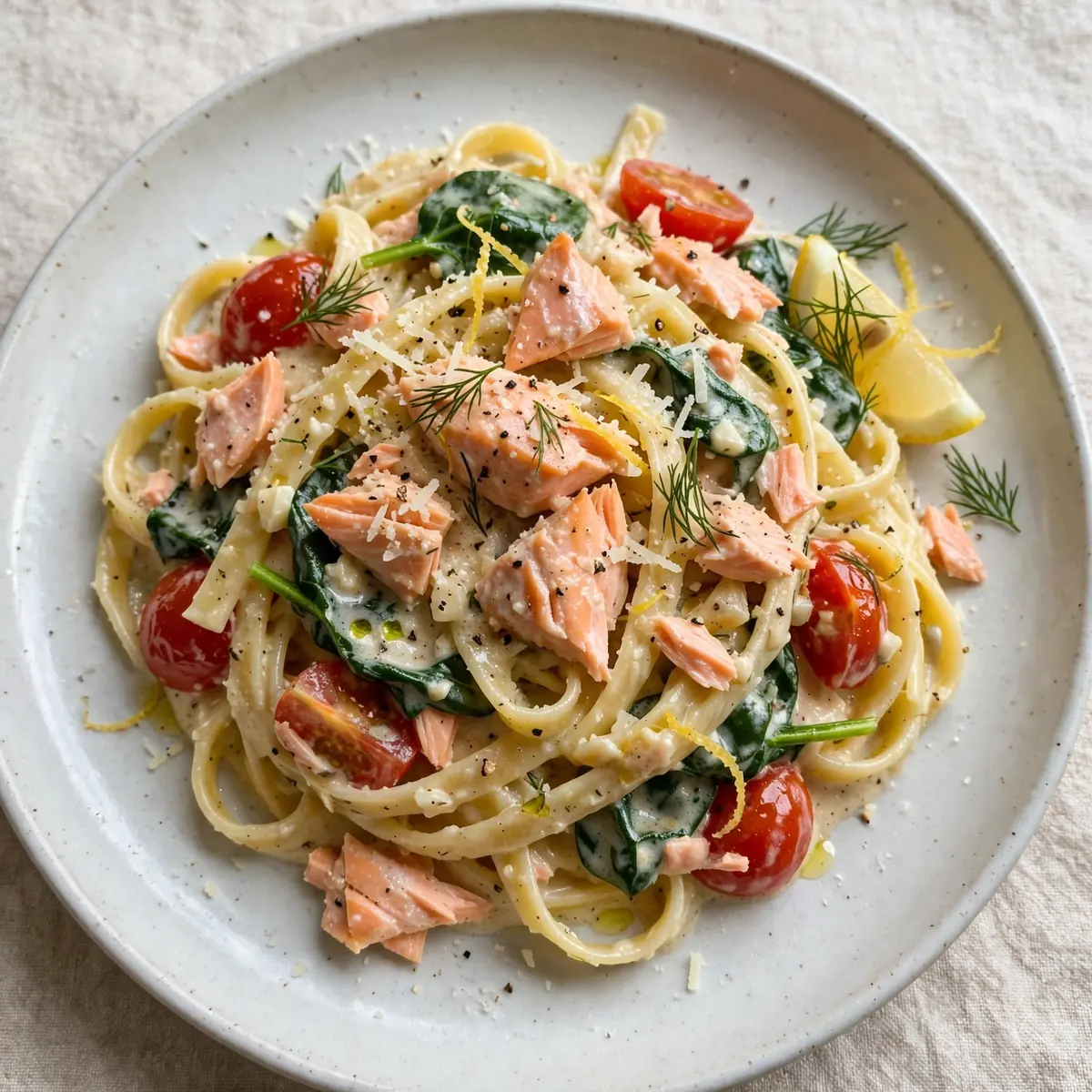
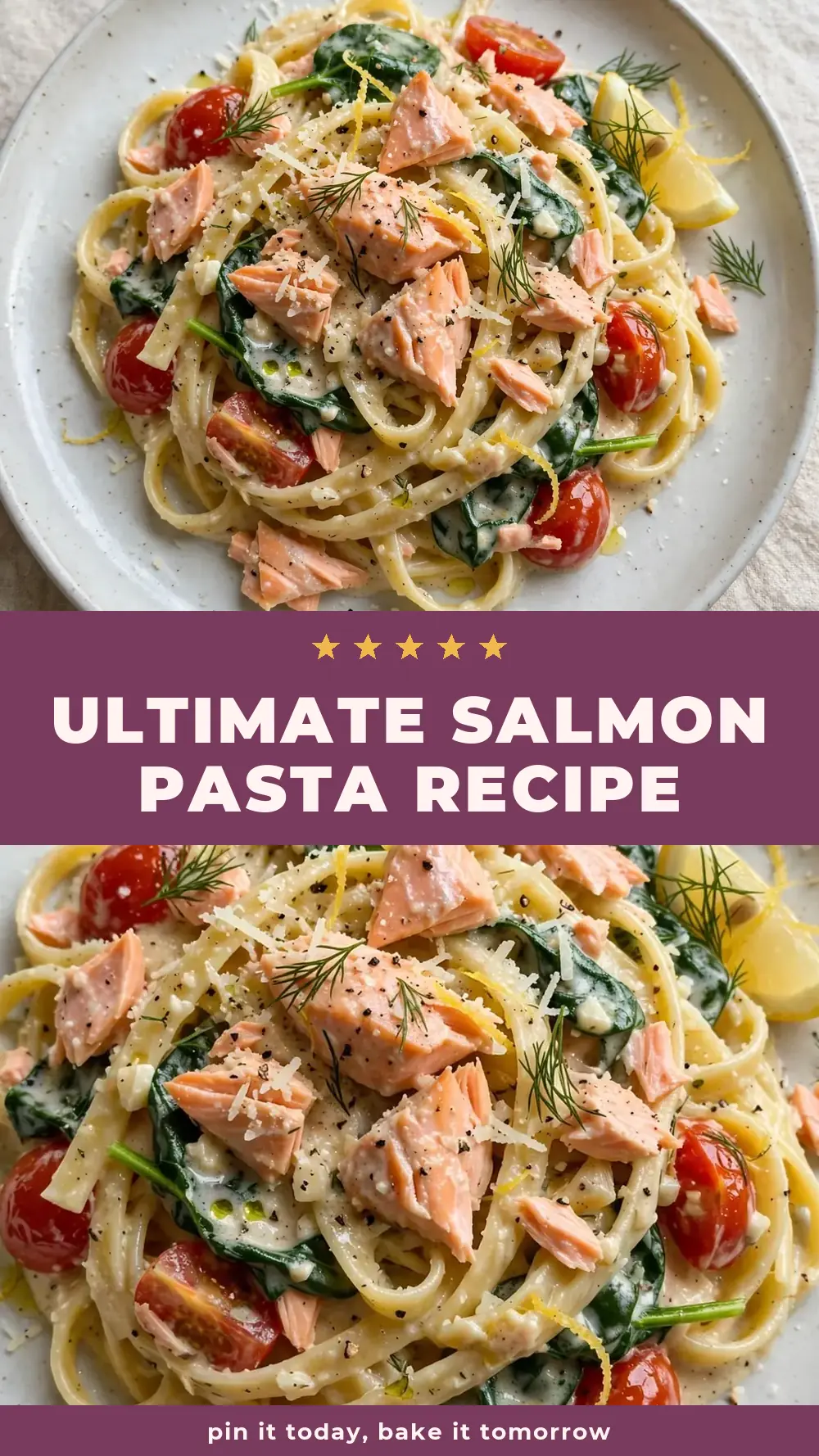
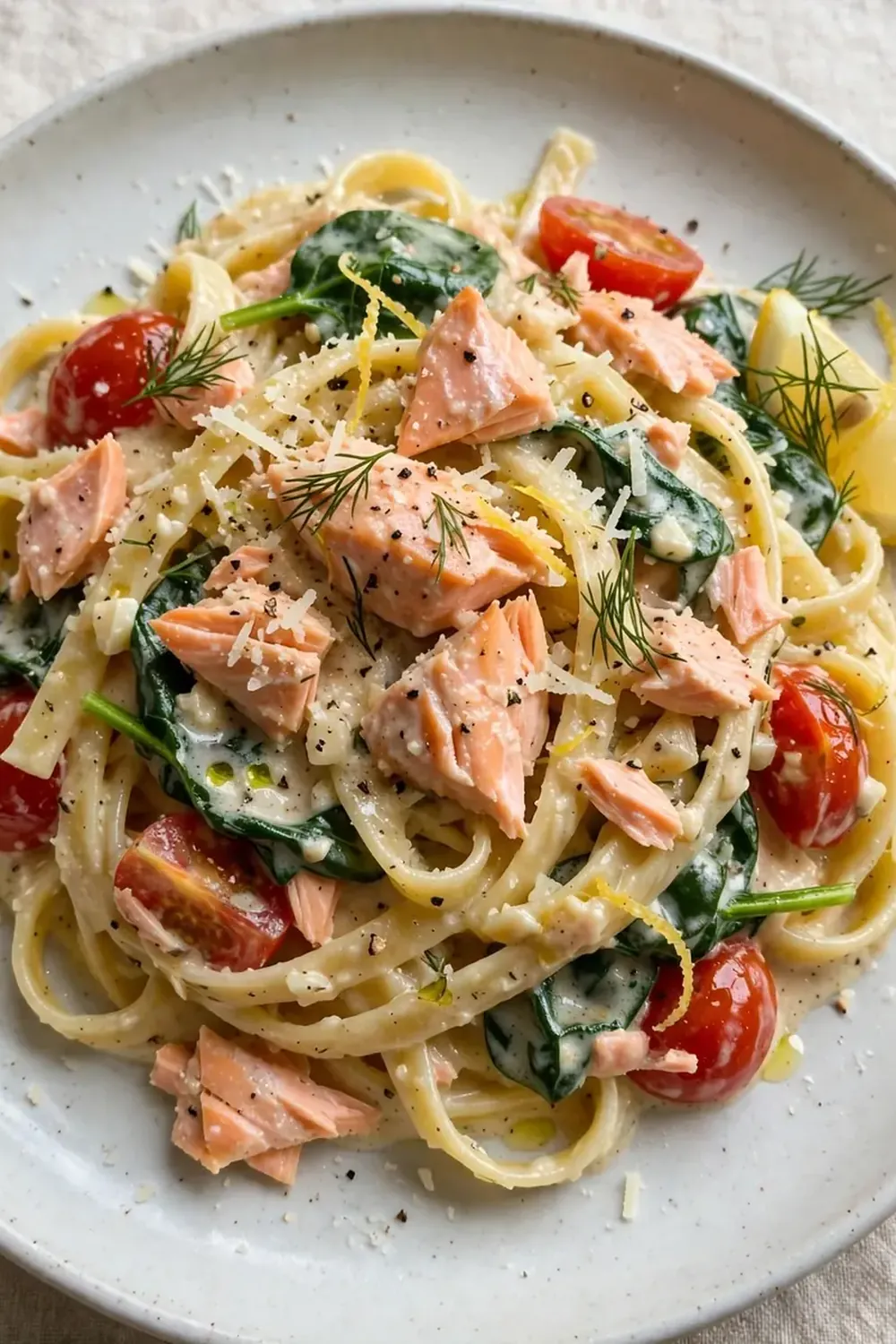
I still remember the evening I decided to cook something special for my in-laws, armed with a beautiful fillet of salmon and a packet of good pasta. The result was so polished that my mother-in-law asked if I’d secretly taken a job at a local bistro. This Ultimate Salmon Pasta Recipe is that dish — it looks like it belongs on a Michelin-starred menu but comes together in your own kitchen with confidence and care.
Recipe Overview
- Prep Time: 15 minutes
- Cook Time: 25 minutes
- Total Time: 40 minutes
- Servings: 4
- Difficulty: Medium
Why You’ll Love This Ultimate Salmon Pasta Recipe
- Restaurant-quality plating that impresses every guest without requiring professional skills.
- The salmon stays perfectly moist with a crisp, golden crust thanks to a simple pan-searing technique.
- A creamy, lemon-infused sauce that clings to every strand of pasta without being heavy or greasy.
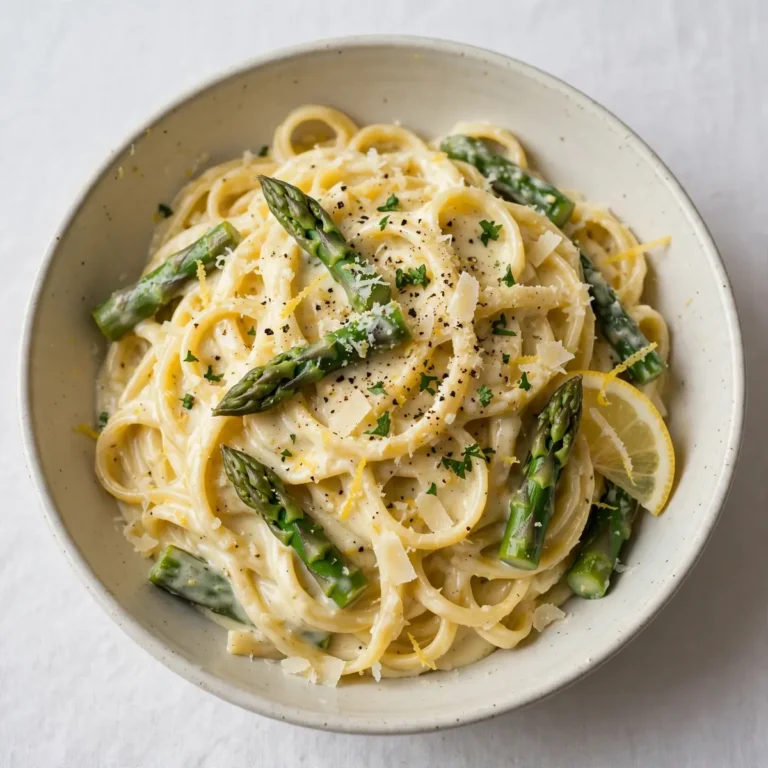
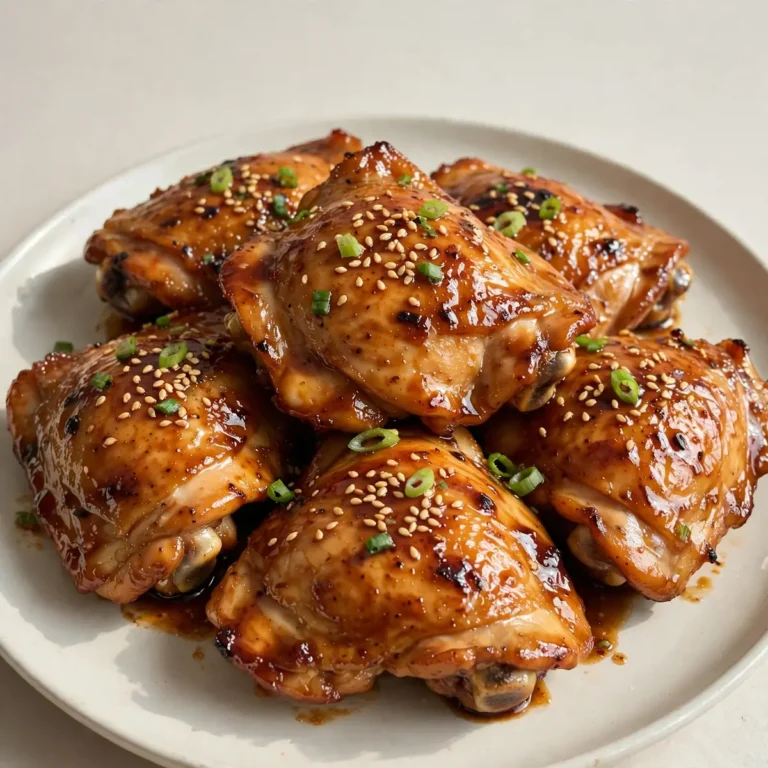
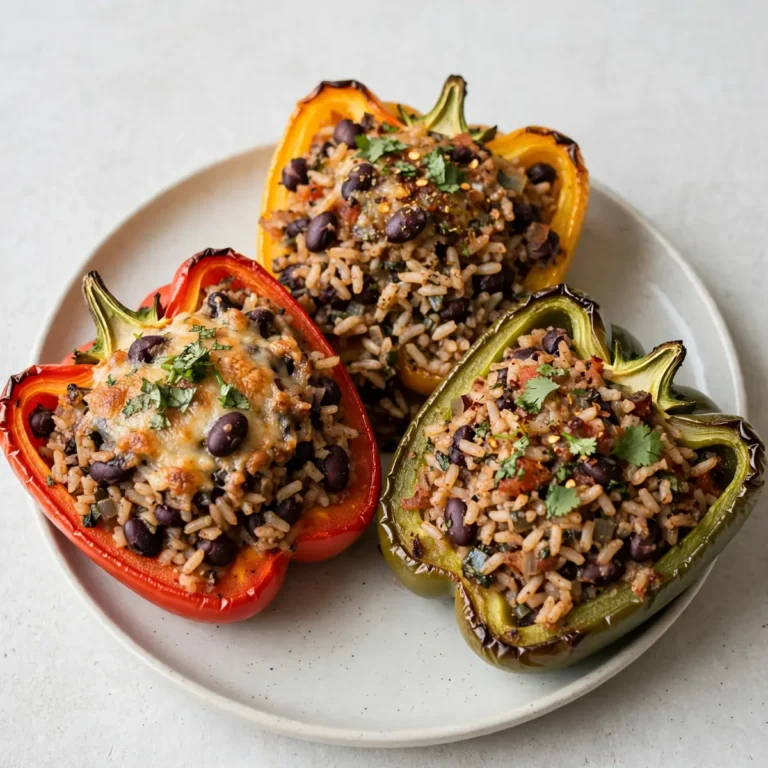
- Small touches — like fresh dill and capers — elevate the dish from everyday to extraordinary, much like our Quick Stuffed Peppers Recipe.cookingenious.com/easy-bacon-wrapped-pork-tenderloin-recipe/”>Easy Bacon Wrapped Pork Tenderloin Recipe.cookingenious.com/classic-marble-cake-recipe/”>Classic Marble Cake Recipe .cookingenious.com/perfect-kaiserschmarrn-pancake-recipe/”>Perfect Kaiserschmarrn Pancake Recipe.
- It’s a complete, balanced meal in one bowl, meaning less washing up and more time with your guests.
Ingredients You’ll Need
- 400g salmon fillet, skin on
- 320g dried tagliatelle or pappardelle
- 2 tablespoons olive oil
- 2 shallots, finely diced
- 3 cloves garlic, minced
- 200ml double cream
- 1 lemon (zest and juice)
- 60ml chicken stock
- 2 tablespoons capers, drained
- 30g fresh dill, chopped
- 50g Parmesan, finely grated
- Salt and freshly cracked black pepper
- Extra virgin olive oil, for drizzling
- Lemon wedges, to serve
Tip: Use the best salmon you can find — look for bright, firm flesh with no fishy smell. The quality of your main ingredient determines the final result.
How to Make Ultimate Salmon Pasta Recipe
- Prepare the salmon: Pat the fillet dry with kitchen paper. Season generously with salt and pepper on both sides. Let it rest at room temperature for 10 minutes — this helps the seasoning penetrate and ensures even cooking.
- Start the pasta water: Bring a large pot of salted water to a rolling boil. The water should taste like the sea — this is the only chance to season the pasta itself. Drop the tagliatelle and cook until al dente, about 8 minutes, or according to package instructions.
- Sear the salmon: Heat a large non-stick frying pan over medium-high heat. Add the olive oil and swirl to coat. Place the salmon skin-side down — you should hear a satisfying sizzle. Cook for 4 minutes without moving it; the skin will turn deep golden and crispy. Flip gently and cook for a further 3 minutes for medium, or until the flesh flakes easily with a fork. The centre should be opaque but still moist. Transfer to a plate and cover loosely with foil.
- Build the sauce: In the same pan, reduce the heat to medium. Add the shallots and cook for 2 minutes until softened and translucent, scraping up any browned bits from the bottom — that’s where the flavour lives. Add the garlic and stir for 30 seconds until fragrant.
- Create the cream base: Pour in the double cream and chicken stock, stirring constantly. Bring to a gentle simmer — you’ll see small bubbles around the edges. Add the lemon zest and capers. Let it cook for 2 minutes until slightly thickened; the sauce should coat the back of a spoon.
- Combine pasta and sauce: Drain the pasta, reserving a cup of the starchy water. Add the pasta directly to the sauce, along with half the Parmesan and half the dill. Toss vigorously with tongs for 1 minute — the sauce will cling to each strand. If it seems too thick, add a splash of reserved pasta water to loosen it.
- Plate with precision: Using tongs, twirl a portion of pasta into a neat nest in the centre of each warmed plate. Flake the salmon into large chunks and arrange on top of the pasta, skin-side up for that dramatic crunch. Sprinkle the remaining Parmesan and dill over the top. Finish with a squeeze of lemon juice, a crack of black pepper, and a drizzle of extra virgin olive oil.
- Serve immediately: Place a lemon wedge on the side of each plate. This dish waits for no one — the pasta will continue to absorb the sauce, so serve as soon as it’s plated.
Tips From My Kitchen
- Dry the salmon thoroughly: Moisture is the enemy of a good sear. After patting the fillet dry, let it sit uncovered in the fridge for 15 minutes if you have time. The drier the skin, the crispier the result — and that crunch is what makes this dish feel special.
- Undercook the pasta slightly: When you drain tagliatelle, it should still have a tiny white core when bitten. It will finish cooking in the sauce, absorbing flavour without turning mushy. This technique, called “risottatura”, is used in Italian restaurants for a reason.
- Reserve more pasta water than you think you need: That starchy water is liquid gold. It helps emulsify the sauce and gives it a silky, cohesive texture. I always keep a full cup aside, even if I only use a splash — it’s better to have too much than too little.
- Rest the salmon after cooking: Covering the fillet loosely with foil for 3-4 minutes allows the juices to redistribute. If you cut into it immediately, those precious juices will run onto the chopping board instead of staying in the fish. A rested fillet is a moist fillet.
- Warm your plates: This is the single easiest way to elevate a home-cooked meal. Pop your plates in a low oven (100°C) for 5 minutes before serving. Cold plates will seize the sauce and make your carefully crafted dish look dull. Warm plates keep everything glossy and inviting.
- Don’t overcrowd the pan when searing: If you’re doubling the recipe, sear the salmon in batches. Overcrowding lowers the pan temperature and steams the fish instead of searing it. That golden crust only happens when the heat is high and the pan isn’t packed.
- Add the lemon juice at the very end: Acid can dull the colour of the sauce and cause the cream to split if added too early. A final squeeze just before serving keeps the sauce vibrant and the lemon flavour bright and fresh.
Delicious Variations to Try
- Spicy Version: Add ½ teaspoon of red pepper flakes to the shallots as they cook. The gentle heat cuts through the cream beautifully and adds warmth without overwhelming the salmon. A pinch of smoked paprika also works wonders.
- Vegetarian/Vegan Option: Replace the salmon with thick slices of roasted aubergine or portobello mushrooms, seared until golden. Use a plant-based cream alternative and nutritional yeast instead of Parmesan. The capers and dill still provide that punchy, sophisticated flavour.
- Different Protein: This sauce works equally well with pan-seared chicken breast or firm white fish like cod or halibut. Just adjust the cooking time accordingly — chicken needs a few extra minutes, while white fish cooks faster than salmon.
What to Serve With Ultimate Salmon Pasta Recipe
- A crisp green salad with a simple lemon vinaigrette — the acidity cuts through the richness of the cream.
- Grilled asparagus or tenderstem broccoli, charred in a hot pan until slightly smoky.
- Thin slices of crusty sourdough or focaccia, warmed and brushed with olive oil, to mop up any remaining sauce.
- A glass of chilled sparkling water with lemon and mint — it cleanses the palate between bites.
Frequently Asked Questions
Ultimate Salmon Pasta Recipe
Ingredients
Method
-
Prepare the salmon: Pat the fillet dry with kitchen paper. Season generously with salt and pepper on both sides. Let it rest at room temperature for 10 minutes — this helps the seasoning penetrate and ensures even cooking.
-
Start the pasta water: Bring a large pot of salted water to a rolling boil. The water should taste like the sea — this is the only chance to season the pasta itself. Drop the tagliatelle and cook until al dente, about 8 minutes, or according to package instructions.
-
Sear the salmon: Heat a large non-stick frying pan over medium-high heat. Add the olive oil and swirl to coat. Place the salmon skin-side down — you should hear a satisfying sizzle. Cook for 4 minutes without moving it; the skin will turn deep golden and crispy. Flip gently and cook for a further 3 minutes for medium, or until the flesh flakes easily with a fork. The centre should be opaque but still moist. Transfer to a plate and cover loosely with foil.
-
Build the sauce: In the same pan, reduce the heat to medium. Add the shallots and cook for 2 minutes until softened and translucent, scraping up any browned bits from the bottom — that’s where the flavour lives. Add the garlic and stir for 30 seconds until fragrant.
-
Create the cream base: Pour in the double cream and chicken stock, stirring constantly. Bring to a gentle simmer — you’ll see small bubbles around the edges. Add the lemon zest and capers. Let it cook for 2 minutes until slightly thickened; the sauce should coat the back of a spoon.
-
Combine pasta and sauce: Drain the pasta, reserving a cup of the starchy water. Add the pasta directly to the sauce, along with half the Parmesan and half the dill. Toss vigorously with tongs for 1 minute — the sauce will cling to each strand. If it seems too thick, add a splash of reserved pasta water to loosen it.
-
Plate with precision: Using tongs, twirl a portion of pasta into a neat nest in the centre of each warmed plate. Flake the salmon into large chunks and arrange on top of the pasta, skin-side up for that dramatic crunch. Sprinkle the remaining Parmesan and dill over the top. Finish with a squeeze of lemon juice, a crack of black pepper, and a drizzle of extra virgin olive oil.
-
Serve immediately: Place a lemon wedge on the side of each plate. This dish waits for no one — the pasta will continue to absorb the sauce, so serve as soon as it’s plated.
Notes
I’d love to hear how your Ultimate Salmon Pasta Recipe turned out — drop a comment below and share your plating photos or any tweaks you made. After testing this recipe five times, I finally got it just right, and I’m certain it will become your go-to for special occasions. Happy cooking!