Quick Air Fryer Coconut Shrimp For Busy Nights
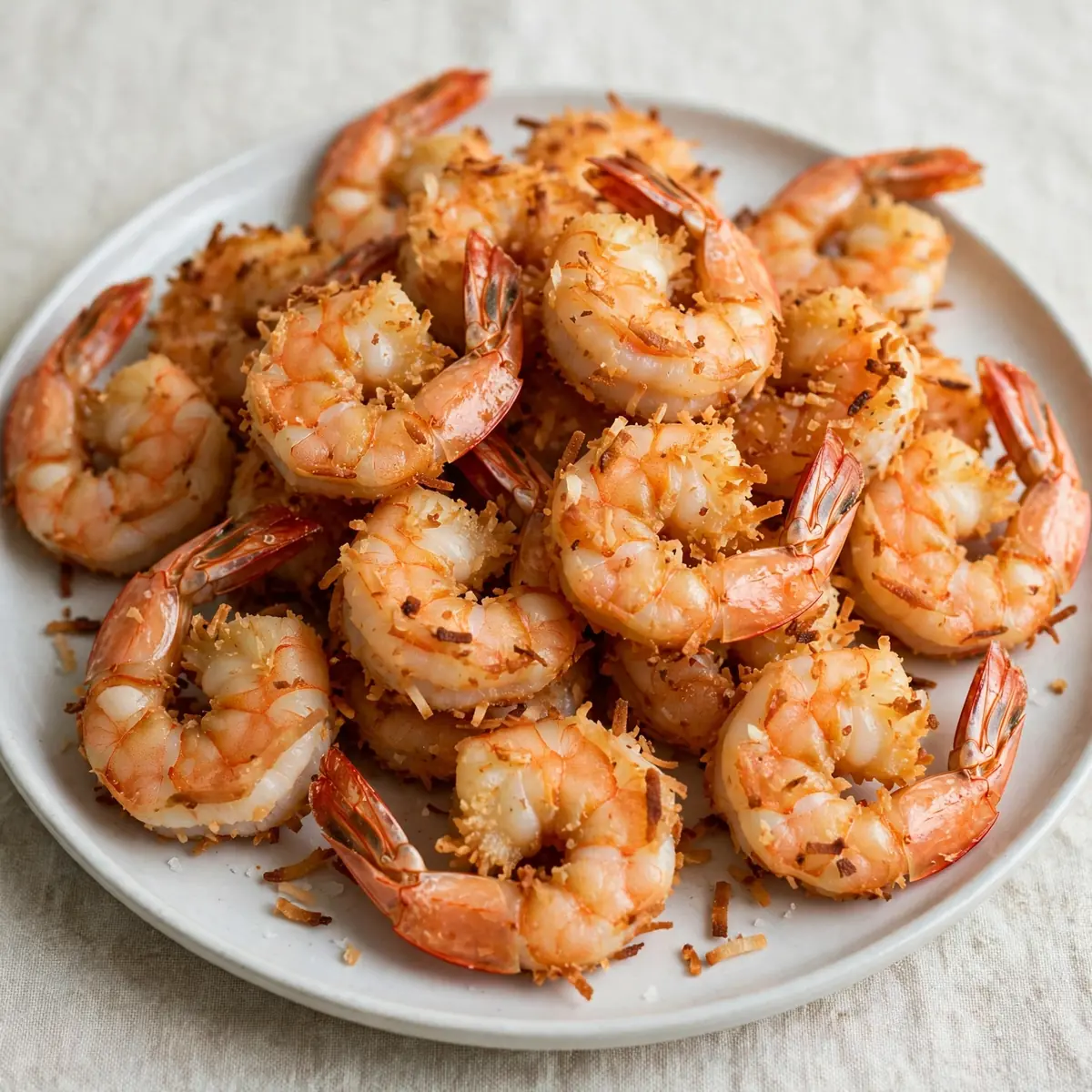
Getting a proper crispy coating on shrimp without heating a vat of oil used to feel like a trade-off between flavour and effort. That all changed once I started using my air fryer for this coconut shrimp recipe. It has become my go-to dinner on nights when the family is hungry, the clock is ticking, and I really don’t fancy scrubbing a greasy stovetop afterwards.
Recipe Overview
- Prep time: 15 minutes
- Cook time: 10–12 minutes
- Total time: 25–27 minutes
- Servings: 4 (roughly 20–24 shrimp)
- Difficulty: Easy
- Equipment: Air fryer (any size from 3.5L upwards works)
Why You’ll Love This Air Fryer Coconut Shrimp
- Weeknight speed: From fridge to plate in under half an hour, which means dinner lands on the table before anyone starts rummaging through the snack cupboard.
- Barely any cleanup: No splattered oil across the hob, no deep-fryer to strain. A couple of shallow bowls for the coating and one air fryer basket to rinse — that’s your lot.
- Make-ahead friendly: You can crumb the shrimp earlier in the day and keep them chilled, so the final cook is genuinely hands-off.
- Genuinely crisp: The air fryer circulates hot air around every piece, so the coconut and panko go golden rather than soggy.
- Kid-approved: My two youngest treat these like a restaurant starter, and they’ll happily dunk them in whatever sauce is closest.
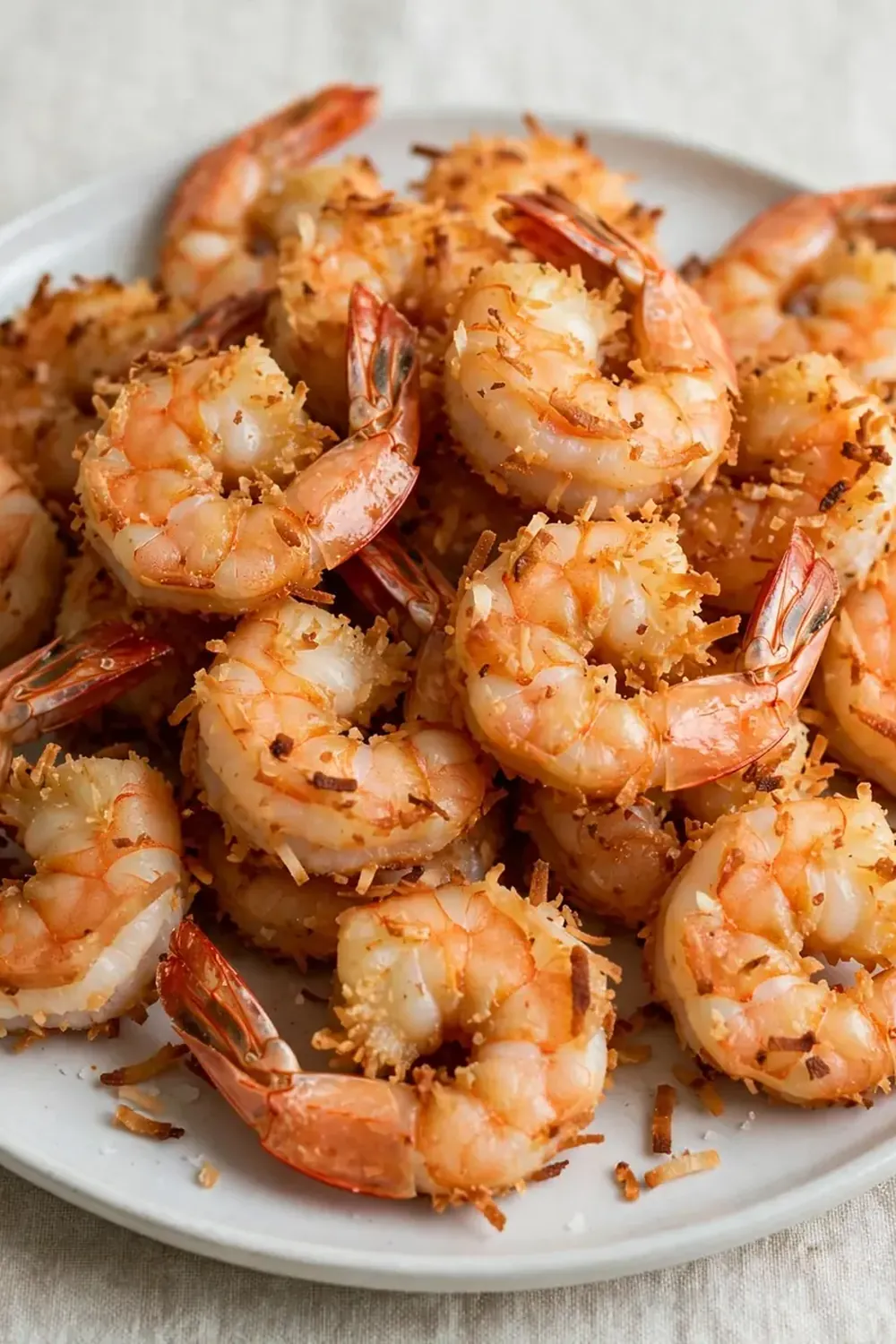
Ingredients You’ll Need
- 500g raw king prawns or large shrimp, peeled and deveined, tails left on
- 60g plain flour
- 1 teaspoon smoked paprika
- ½ teaspoon garlic powder
- ½ teaspoon fine sea salt
- ¼ teaspoon freshly ground black pepper
- 2 large eggs
- 1 tablespoon lime juice
- 80g panko breadcrumbs
- 80g desiccated coconut (unsweetened)
- 2 tablespoons olive oil or spray oil, for the basket
- Lime wedges, to serve
- Sweet chilli dipping sauce or a simple yogurt-lime dip, to serve
Tip: Pat the shrimp completely dry with kitchen paper before you start coating. Any surface moisture steams the crumb from the inside and you lose that shattering crunch we’re after.
Equipment You’ll Need
- Large frying pan or skillet (handy if you warm a dipping sauce or toast extra crumbs)
- Sharp knife and cutting board
- Mixing bowls (three shallow ones for the coating stations)
- Wooden spoon or spatula
- Air fryer with a perforated basket
- Tongs for turning the shrimp
How to Make Air Fryer Coconut Shrimp
- Dry and season the shrimp. Lay the peeled shrimp on kitchen paper and blot both sides until they feel tacky rather than wet. Sprinkle over a pinch of the salt and set them aside while you build the coating stations. If your shrimp are very cold from the fridge, let them sit for ten minutes — fridge-cold protein drags the cook time out and the crumb browns before the centre is done.
- Set up three bowls. In the first, whisk the flour with the smoked paprika, garlic powder, remaining salt and pepper. In the second, beat the eggs with the lime juice until completely uniform — you should see no streaks of white at all. In the third, stir the panko and desiccated coconut together with your fingers until it looks like coarse sand. This three-stage setup is what gives you a coating that actually clings.
- Coat the shrimp. Working with one hand for the dry stages and the other for the wet, press each shrimp into the seasoned flour, shake off the excess, then dip it into the egg. Let the egg drip for a second before dropping it into the coconut mixture. Press the crumbs on firmly with your fingertips — the shrimp should feel fully clad, with no bare pink patches showing through. If you rush this step, you’ll watch half the coating slide off in the basket.
- Chill for ten minutes. Place the coated shrimp on a plate in a single layer and pop them in the fridge. This brief rest lets the egg and crumb set into a shell. It’s the difference between a coating that stays put and one that flakes away the moment you bite in. If you’re making these ahead, this is also your stopping point — cover and refrigerate for up to four hours.
- Preheat and oil the basket. Set your air fryer to 200°C and let it run empty for three minutes. Lightly brush or spray the basket with oil. A hot basket gives the underside of the shrimp an immediate sear, which is what stops the crumb from sticking and tearing.
- Arrange in a single layer. Lay the shrimp in the basket with a small gap between each one, tails pointing inwards so they don’t catch on the element. You’ll likely need to cook in two batches. Crowding the basket traps steam and you’ll end up with pale, limp coconut rather than a deep golden crust.
- Air fry for 5 minutes, then turn. Cook at 200°C for five minutes. When you open the basket, the tops should be pale gold and the coconut should smell toasted and nutty. Flip each shrimp with tongs — they should release easily and feel firm, not floppy — and cook for a further 4–5 minutes.
- Check for doneness. The shrimp are ready when the coating is a rich amber-brown and the flesh, visible at the tail end, has turned opaque white with a gentle curl. Press one with your finger: it should feel springy and firm, never mushy. If the crumb is browning faster than the centre is cooking, drop the temperature to 180°C for the last two minutes.
- Rest for two minutes and serve. Slide the shrimp onto a warm plate and leave them for a couple of minutes before eating. The coating firms up as it cools slightly, and the interior juices redistribute. Serve with lime wedges and a bowl of dipping sauce on the side.
Tips From My Kitchen
- Toast your panko first. Dry-toast the breadcrumbs in a pan over medium heat for two minutes until they smell warm and biscuity, then cool them before mixing with the coconut. This pre-toasting means the crumb is already partway to golden, so it catches up with the coconut instead of staying pale while the shrimp overcooks.
- Size matters more than you’d think. Aim for shrimp in the 20–25 per 500g range. Anything smaller overcooks in the time it takes the crumb to colour, and anything much larger stays raw in the middle. If you can only find jumbo shrimp, add two minutes and check at the six-minute mark.
- Spray, don’t drown. A light mist of oil on the coated shrimp before they go in helps the coconut brown evenly. Too much and the crumb goes greasy and slides off. One or two quick passes from about 20cm away is plenty.
- Keep a parchment sling for sticky batches. If your basket has seen better days, line it with a perforated parchment sheet. It saves scrubbing later and stops any stray coconut from burning onto the base. Just make sure the parchment is weighted down by the food so it doesn’t fly up into the element.
- Double-dip for extra crunch. If your family likes a thicker shell, repeat the egg and coconut stages a second time. It adds about ten minutes to the prep but produces a coating closer to what you’d get from a takeaway. After testing this recipe five times, I finally got it just right — and the double-dip version is the one my friends always ask me for after trying it at dinner parties.
- Reheat, never microwave. Leftovers go back into the air fryer at 180°C for three minutes. The microwave turns the coconut into a soggy, rubbery mess within seconds.
Common Mistakes to Avoid
- Overcrowding the pan: Stacking or overlapping the shrimp traps moisture inside the basket, and that steam is the enemy of crunch. The coconut absorbs it and turns soft and pale within a couple of minutes. Cook in batches, even if it means the first lot rests on a warm plate while the second goes in — the texture is worth the extra four minutes.
- Wrong temperature: Going too low at 160°C leaves the coating greasy and underdone, while blasting at 220°C burns the coconut before the shrimp cooks through. Stay at 200°C for the main cook and only drop to 180°C if your particular air fryer runs hot. Every model behaves differently, so check your first batch at the four-minute mark.
- Skipping the rest time: Pulling the shrimp straight from the basket and biting in immediately means the coating crumbles away and the juices run out onto the plate. Two minutes of resting lets the shell firm up and the interior settle, so you get a clean bite with the crumb intact.
- Wet shrimp going into the flour: If you skip the drying step, the flour turns to paste and the egg slides straight off. Take the extra thirty seconds with kitchen paper — it’s the single biggest difference between a coating that holds and one that doesn’t.
- Using sweetened desiccated coconut: The added sugar burns long before the shrimp is cooked, leaving you with blackened flecks and a bitter taste. Always check the packet says unsweetened.
Delicious Variations to Try
- Spicy Version: Add half a teaspoon of cayenne pepper and a quarter teaspoon of chilli flakes to the flour mixture, and stir a finely chopped red chilli into your dipping sauce. The heat cuts through the sweetness of the coconut beautifully.
- Vegetarian/Vegan Option: Swap the shrimp for thick strips of firm tofu or large cauliflower florets, and replace the eggs with a mixture of three tablespoons of gram flour whisked with five tablespoons of water. Press the tofu dry for at least twenty minutes first, and add two minutes to the cook time.
- Different Protein: Thin strips of chicken breast work well if you flatten them to about 1cm thick and cook for 12–14 minutes. Salmon chunks also hold up nicely, though reduce the cook time to eight minutes total so the fish stays moist.
- Lime and Herb Twist: Add the zest of one lime and a tablespoon of finely chopped coriander to the coconut mixture for a fresher, brighter finish.
What to Serve With Air Fryer Coconut Shrimp
- Steamed jasmine rice with a squeeze of lime
- A crisp green salad dressed with lime vinaigrette
- My Brussels Sprouts Recipe Roasted Veggie, which roasts in the oven while the air fryer does its thing
- Warm flatbreads and a bowl of sweet chilli sauce
- For a heartier plate, a side of Honey Garlic Shrimp Recipe Sweet if you’re feeding a crowd that loves seafood
- And if you fancy a dessert afterwards, my Tiramisu Cake Recipe Coffee Layer is a lovely make-ahead finish
Frequently Asked Questions
Air Fryer Coconut Shrimp
Ingredients
Method
- Dry and season the shrimp. Lay the peeled shrimp on kitchen paper and blot both sides until they feel tacky rather than wet. Sprinkle over a pinch of the salt and set them aside while you build the coating stations. If your shrimp are very cold from the fridge, let them sit for ten minutes — fridge-cold protein drags the cook time out and the crumb browns before the centre is done.
- Set up three bowls. In the first, whisk the flour with the smoked paprika, garlic powder, remaining salt and pepper. In the second, beat the eggs with the lime juice until completely uniform — you should see no streaks of white at all. In the third, stir the panko and desiccated coconut together with your fingers until it looks like coarse sand. This three-stage setup is what gives you a coating that actually clings.
- Coat the shrimp. Working with one hand for the dry stages and the other for the wet, press each shrimp into the seasoned flour, shake off the excess, then dip it into the egg. Let the egg drip for a second before dropping it into the coconut mixture. Press the crumbs on firmly with your fingertips — the shrimp should feel fully clad, with no bare pink patches showing through. If you rush this step, you'll watch half the coating slide off in the basket.
- Chill for ten minutes. Place the coated shrimp on a plate in a single layer and pop them in the fridge. This brief rest lets the egg and crumb set into a shell. It's the difference between a coating that stays put and one that flakes away the moment you bite in. If you're making these ahead, this is also your stopping point — cover and refrigerate for up to four hours.
- Preheat and oil the basket. Set your air fryer to 200°C and let it run empty for three minutes. Lightly brush or spray the basket with oil. A hot basket gives the underside of the shrimp an immediate sear, which is what stops the crumb from sticking and tearing.
- Arrange in a single layer. Lay the shrimp in the basket with a small gap between each one, tails pointing inwards so they don't catch on the element. You'll likely need to cook in two batches. Crowding the basket traps steam and you'll end up with pale, limp coconut rather than a deep golden crust.
- Air fry for 5 minutes, then turn. Cook at 200°C for five minutes. When you open the basket, the tops should be pale gold and the coconut should smell toasted and nutty. Flip each shrimp with tongs — they should release easily and feel firm, not floppy — and cook for a further 4–5 minutes.
- Check for doneness. The shrimp are ready when the coating is a rich amber-brown and the flesh, visible at the tail end, has turned opaque white with a gentle curl. Press one with your finger: it should feel springy and firm, never mushy. If the crumb is browning faster than the centre is cooking, drop the temperature to 180°C for the last two minutes.
- Rest for two minutes and serve. Slide the shrimp onto a warm plate and leave them for a couple of minutes before eating. The coating firms up as it cools slightly, and the interior juices redistribute. Serve with lime wedges and a bowl of dipping sauce on the side.
Notes
That’s the whole thing — a weeknight dinner that feels like a treat, uses one appliance, and leaves you with a basket to rinse rather than a kitchen to rescue. If you give these air fryer coconut shrimp a go, I’d love to hear how they turned out. Tell me in the comments what you served alongside them, or whether you went for the spicy version. And if you’ve got a dipping sauce your family swears by, share it — I’m always on the lookout for the next one to try.