Best Lasagna Recipe
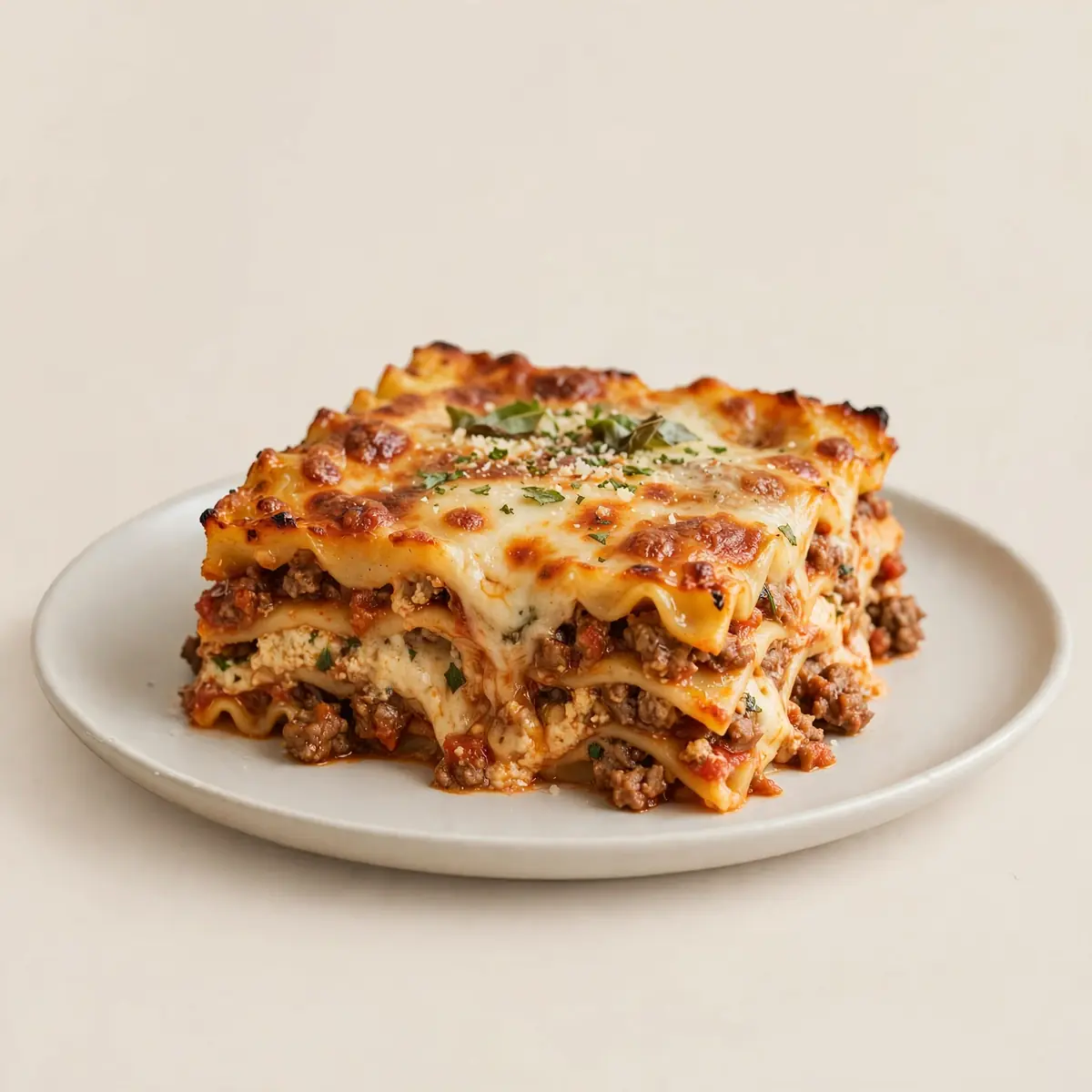
There’s a certain magic in preparing a dish that not only tastes sublime but also captivates with its visual appeal, transforming an ordinary meal into an unforgettable experience for your guests.
I still remember the first time I truly understood the power of presentation. It was during a particularly ambitious dinner party I hosted years ago, where I’d meticulously planned every detail, from the ambient lighting to the centrepiece. The main course was my signature lasagna, a recipe I’d spent countless hours perfecting, not just for its deep, rich flavours but also for its potential to impress, much like a perfectly crafted Traditional Bolognese Sauce Recipe. As I brought the steaming dish to the table, its golden-brown top glistening, layers peeking through, a collective gasp rippled through my friends. That evening, it wasn’t just a meal; it was a moment, a culinary spectacle that sparked lively conversation and left a lasting impression. Friends always ask me for this recipe after trying it at dinner parties, often remarking on how it feels like something from a high-end trattoria, right in my own dining room, much like a delicious Crispy Baked Chicken Thighs Recipe can be a hit.cookingenious.com/quick-chili-con-carne-recipe/”>Quick Chili Con Carne Recipe can be a hit.
This isn’t just a recipe; it’s a guide to crafting a showstopper, a dish like Homemade Potato Gratin Recipe that whispers elegance and comfort in equal measure. We’ll delve into the nuances of building flavour, achieving that perfect textural balance, and most importantly, how to plate it with flair, ensuring every slice is a work of art. Forget the notion that lasagna is merely a hearty bake; with a few thoughtful touches, it can be the star of your next gathering, showcasing your culinary prowess and leaving your guests utterly delighted. My kids absolutely devour this every time I make it, a testament to its broad appeal, even for the most discerning young palates!
Recipe Overview
- Prep time: 45 minutes
- Cook time: 1 hour 15 minutes
- Total time: 2 hours
- Servings: 8-10
- Difficulty: Medium
Why You’ll Love This Best Lasagna Recipe
- It boasts incredibly rich, slow-simmered beef ragu that develops profound depth of flavour.
- The creamy béchamel sauce is perfectly balanced, offering a luscious counterpoint to the robust meat.
- Each layer is distinct yet harmoniously integrated, creating a satisfying textural experience.
- It’s a fantastic make-ahead option, allowing flavours to meld and making entertaining effortless.
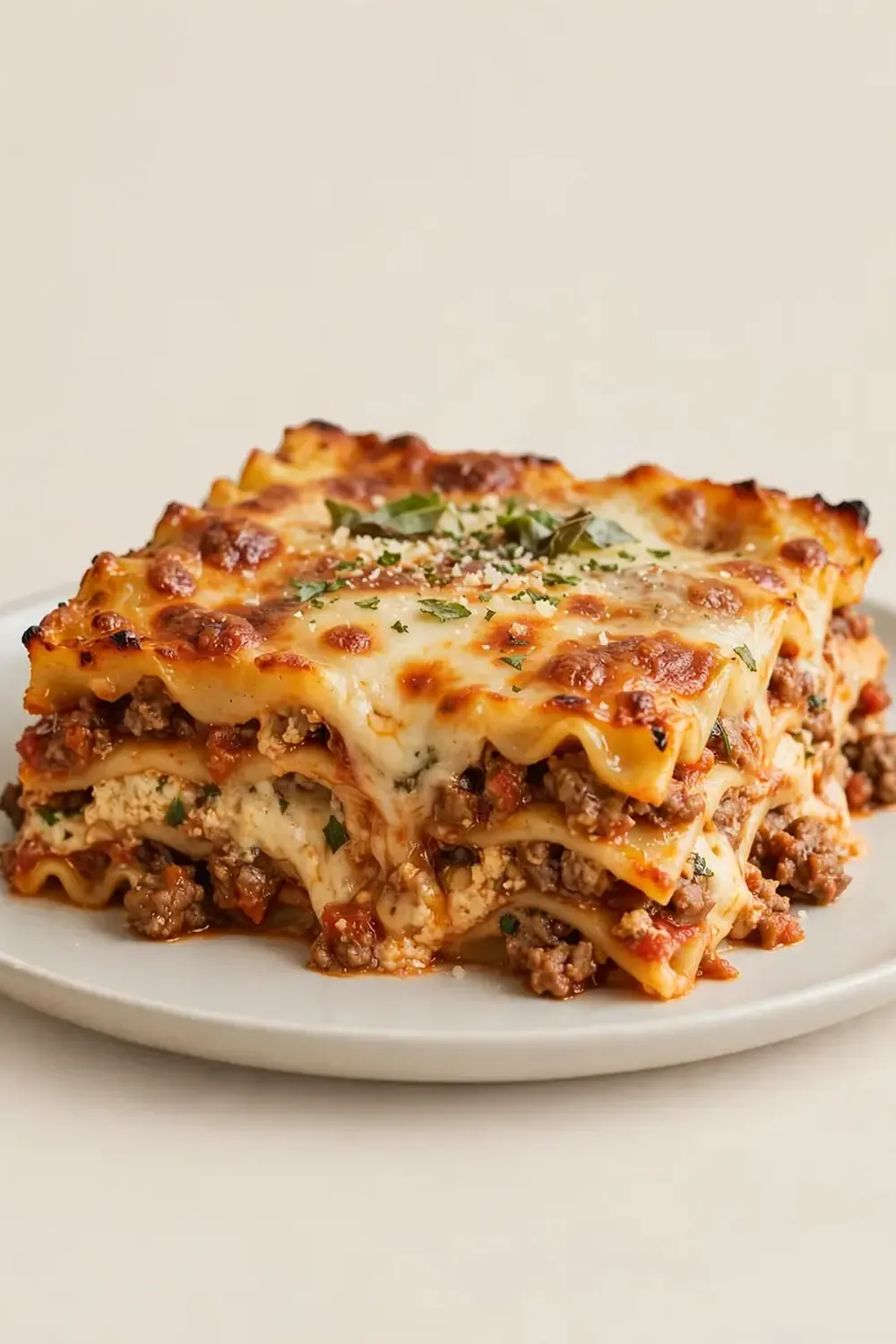
- The stunning presentation, with its golden crust and visible layers, is guaranteed to impress your guests.
Ingredients You’ll Need
- 300g dried lasagna sheets (egg pasta, not no-boil)
- 1 tbsp olive oil
- 500g lean beef mince
- 1 large onion, finely chopped
- 2 carrots, finely diced
- 2 celery stalks, finely diced
- 3 cloves garlic, minced
- 2 x 400g cans chopped tomatoes
- 150ml beef stock
- 2 tbsp tomato purée
- 1 tsp dried oregano
- Salt and freshly ground black pepper to taste
- 75g unsalted butter
- 75g plain flour
- 1 litre whole milk, warmed
- 1/2 tsp freshly grated nutmeg
- 250g mozzarella cheese, grated
- 100g Parmesan cheese, freshly grated
- A small handful of fresh basil leaves, for garnish
Tip: Always opt for good quality, fresh ingredients. The difference in flavour, especially with the beef and cheeses, is truly noticeable and contributes significantly to the final dish’s appeal.
How to Make Best Lasagna Recipe
- Prepare the Ragu: Heat the olive oil in a large frying pan over medium-high heat. Add the beef mince and cook, breaking it up with a spoon, until it’s beautifully browned all over with no pink remaining. This browning creates a rich base flavour, giving off a savoury aroma. Drain any excess fat. Add the chopped onion, carrots, and celery to the pan. Sauté for about 8-10 minutes until the vegetables have softened and the onion is translucent, you’ll notice a sweet, aromatic smell filling your kitchen. Stir in the minced garlic and cook for another minute until fragrant.
- Simmer the Ragu: Pour in the chopped tomatoes, beef stock, tomato purée, and dried oregano. Stir everything together. Bring the mixture to a gentle simmer, then reduce the heat to low, cover, and let it cook for at least 45 minutes to an hour, or even longer if you have time. The longer it simmers, the deeper the flavours will become; you’ll see the sauce thicken and darken to a rich, glossy red, and the aroma will be wonderfully complex. Season with salt and pepper to taste.
- Make the Béchamel Sauce: While the ragu simmers, melt the butter in a medium saucepan over a medium heat. Add the plain flour and whisk constantly for 2 minutes to create a smooth roux; it should smell slightly nutty and turn a pale golden colour. Gradually whisk in the warmed milk, a little at a time, ensuring no lumps form. Continue to whisk until the sauce thickens to a smooth, creamy consistency that coats the back of a spoon. It will be bubbling gently, and you’ll hear the soft plop of the sauce. Season with salt, pepper, and freshly grated nutmeg. Remove from the heat.
- Preheat and Prepare Lasagna Sheets: Preheat your oven to 180°C (160°C fan/Gas Mark 4). Bring a large pot of salted water to a rolling boil. Carefully add the lasagna sheets, a few at a time, and cook according to package instructions until al dente – usually 2-3 minutes. They should be pliable but still have a slight bite. Immediately transfer them to a bowl of cold water to prevent sticking, then lay them flat on a clean kitchen towel to drain.
- Assemble the Lasagna: Spread a thin layer of béchamel sauce on the bottom of a 20x30cm baking dish. Arrange a single layer of cooked lasagna sheets over the béchamel, slightly overlapping if necessary. Spoon over a generous layer of the beef ragu, then sprinkle with some grated mozzarella and a little Parmesan. Repeat these layers: béchamel, pasta, ragu, mozzarella, Parmesan, until all ingredients are used, finishing with a final layer of pasta, a good amount of béchamel, and a generous topping of both mozzarella and Parmesan. The top should look invitingly white and cheesy.
- Bake and Rest: Bake in the preheated oven for 30-35 minutes, or until the top is golden brown and bubbling beautifully. You’ll hear a gentle sizzling sound and see the cheese melted and lightly caramelised, smelling absolutely divine. Remove from the oven and, this is crucial for presentation, let it rest for at least 15-20 minutes before slicing. This allows the layers to set, ensuring clean, elegant slices that hold their shape.
Tips From My Kitchen
- Embrace Slow Simmering for the Ragu: Don’t rush the meat sauce. The longer it gently simmers, the more the flavours meld and deepen, transforming from a simple sauce into a rich, complex ragu. I often let mine bubble away for 2-3 hours on the lowest heat, stirring occasionally. This extended cooking time breaks down the connective tissues in the beef and allows the tomato acids to mellow, resulting in a velvety texture and an incredibly profound flavour profile that truly sets this lasagna apart.
- Warming the Milk for Béchamel: While it might seem like an extra step, gently warming your milk before adding it to the roux for the béchamel sauce makes a significant difference. It helps prevent lumps from forming, allowing for a much smoother, silkier sauce. The warm milk integrates more easily with the hot roux, resulting in a perfectly creamy béchamel that contributes to the luxurious mouthfeel of the finished lasagna, rather than a grainy or clumpy texture.
- Freshly Grated Cheeses are Key: While pre-grated cheeses are convenient, they often contain anti-caking agents that can affect melting and flavour. For that restaurant-quality finish, always grate your own mozzarella and Parmesan. Freshly grated cheese melts more smoothly, browns beautifully, and releases a far superior, more authentic flavour, creating that irresistible golden crust and gooey interior.
- Pre-cooking Lasagna Sheets Properly: Even if your package says “no-boil,” I highly recommend a brief pre-cook for traditional dried lasagna sheets. Boil them for just 2-3 minutes until pliable, then transfer to cold water. This ensures they are perfectly tender and prevents them from absorbing too much moisture from your sauces during baking, which can lead to a dry lasagna or, conversely, one that’s too soggy. It guarantees a more consistent, tender texture throughout. For a beautiful presentation, ensure they are laid flat on a clean towel to dry after their cold bath, preventing them from sticking together.
- The Art of Layering: Think of layering as building a delicious architectural masterpiece. Start with a thin layer of béchamel to prevent the first pasta sheet from sticking. Distribute the ragu evenly, ensuring every bite will have a balanced flavour. Don’t overload the layers, or the lasagna will be difficult to slice and may collapse. Aim for 3-4 layers of pasta, ensuring a generous béchamel and cheese top layer for that perfect golden crust. This thoughtful layering ensures structural integrity and a visually appealing cross-section when served.
- Resting Time is Non-Negotiable: After baking, it’s tempting to dive straight in, but allowing the lasagna to rest for 15-20 minutes is absolutely crucial. This resting period allows the sauces to set and the cheese to firm up slightly, preventing the layers from sliding apart when you cut into it. The result is clean, elegant slices that hold their shape perfectly, making for a much more impressive presentation for your guests. Trust me, it’s worth the wait!
Equipment You’ll Need
- Large pot for boiling
- Colander
- Large frying pan
- Tongs or pasta fork
- Medium saucepan (for béchamel)
- Whisk
- 20x30cm baking dish
- Sharp knife
- Cutting board
Common Mistakes to Avoid
- Overcrowding the pan: When browning the mince, ensure you don’t overcrowd the pan. If there’s too much meat, it will steam rather than brown, leading to less flavour development. Brown the mince in batches if necessary, ensuring a good sear and a rich, caramelised flavour.
- Wrong temperature for baking: Baking at too high a temperature can burn the top before the centre is fully heated and the flavours have melded, while too low can leave it watery. Stick to 180°C (160°C fan/Gas Mark 4) to achieve that perfect golden crust and bubbling interior, ensuring even cooking throughout.
- Skipping the rest time: This is perhaps the most common mistake when aiming for restaurant-quality presentation. Skipping the rest time means your lasagna will collapse and be messy when sliced. Resting allows the sauces to reabsorb, the cheese to set, and the entire structure to become stable, yielding beautifully defined, elegant slices.
What to Serve With Best Lasagna Recipe
- A crisp green salad with a light vinaigrette.
- Warm, crusty garlic bread for soaking up any extra sauce.
- Roasted asparagus or tender stem broccoli.
- A vibrant Spicy Cucumbers Recipe Asian Salad for a refreshing contrast.
Frequently Asked Questions
Best Lasagna Recipe
Ingredients
Method
-
Prepare the Ragu: Heat the olive oil in a large frying pan over medium-high heat. Add the beef mince and cook, breaking it up with a spoon, until it’s beautifully browned all over with no pink remaining. This browning creates a rich base flavour, giving off a savoury aroma. Drain any excess fat. Add the chopped onion, carrots, and celery to the pan. Sauté for about 8-10 minutes until the vegetables have softened and the onion is translucent, you’ll notice a sweet, aromatic smell filling your kitchen. Stir in the minced garlic and cook for another minute until fragrant.
-
Simmer the Ragu: Pour in the chopped tomatoes, beef stock, tomato purée, and dried oregano. Stir everything together. Bring the mixture to a gentle simmer, then reduce the heat to low, cover, and let it cook for at least 45 minutes to an hour, or even longer if you have time. The longer it simmers, the deeper the flavours will become; you’ll see the sauce thicken and darken to a rich, glossy red, and the aroma will be wonderfully complex. Season with salt and pepper to taste.
-
Make the Béchamel Sauce: While the ragu simmers, melt the butter in a medium saucepan over a medium heat. Add the plain flour and whisk constantly for 2 minutes to create a smooth roux; it should smell slightly nutty and turn a pale golden colour. Gradually whisk in the warmed milk, a little at a time, ensuring no lumps form. Continue to whisk until the sauce thickens to a smooth, creamy consistency that coats the back of a spoon. It will be bubbling gently, and you’ll hear the soft plop of the sauce. Season with salt, pepper, and freshly grated nutmeg. Remove from the heat.
-
Preheat and Prepare Lasagna Sheets: Preheat your oven to 180°C (160°C fan/Gas Mark 4). Bring a large pot of salted water to a rolling boil. Carefully add the lasagna sheets, a few at a time, and cook according to package instructions until al dente – usually 2-3 minutes. They should be pliable but still have a slight bite. Immediately transfer them to a bowl of cold water to prevent sticking, then lay them flat on a clean kitchen towel to drain.
-
Assemble the Lasagna: Spread a thin layer of béchamel sauce on the bottom of a 20x30cm baking dish. Arrange a single layer of cooked lasagna sheets over the béchamel, slightly overlapping if necessary. Spoon over a generous layer of the beef ragu, then sprinkle with some grated mozzarella and a little Parmesan. Repeat these layers: béchamel, pasta, ragu, mozzarella, Parmesan, until all ingredients are used, finishing with a final layer of pasta, a good amount of béchamel, and a generous topping of both mozzarella and Parmesan. The top should look invitingly white and cheesy.
-
Bake and Rest: Bake in the preheated oven for 30-35 minutes, or until the top is golden brown and bubbling beautifully. You’ll hear a gentle sizzling sound and see the cheese melted and lightly caramelised, smelling absolutely divine. Remove from the oven and, this is crucial for presentation, let it rest for at least 15-20 minutes before slicing. This allows the layers to set, ensuring clean, elegant slices that hold their shape.
Notes
And there you have it – a lasagna recipe designed not just to nourish, but to truly impress. This isn’t just about combining ingredients; it’s about layering care, flavour, and a touch of culinary theatre into every single dish. The joy of seeing your guests’ faces light up as you present this golden masterpiece, knowing every bite is a testament to your efforts, is truly unparalleled. I encourage you to embrace the process, savour the aromas, and most importantly, enjoy the appreciative murmurs that will inevitably follow. Do share your experiences and any clever twists you add to make this recipe your own in the comments below – I’m always eager to hear about your kitchen adventures!