Traditional Bolognese Sauce Recipe
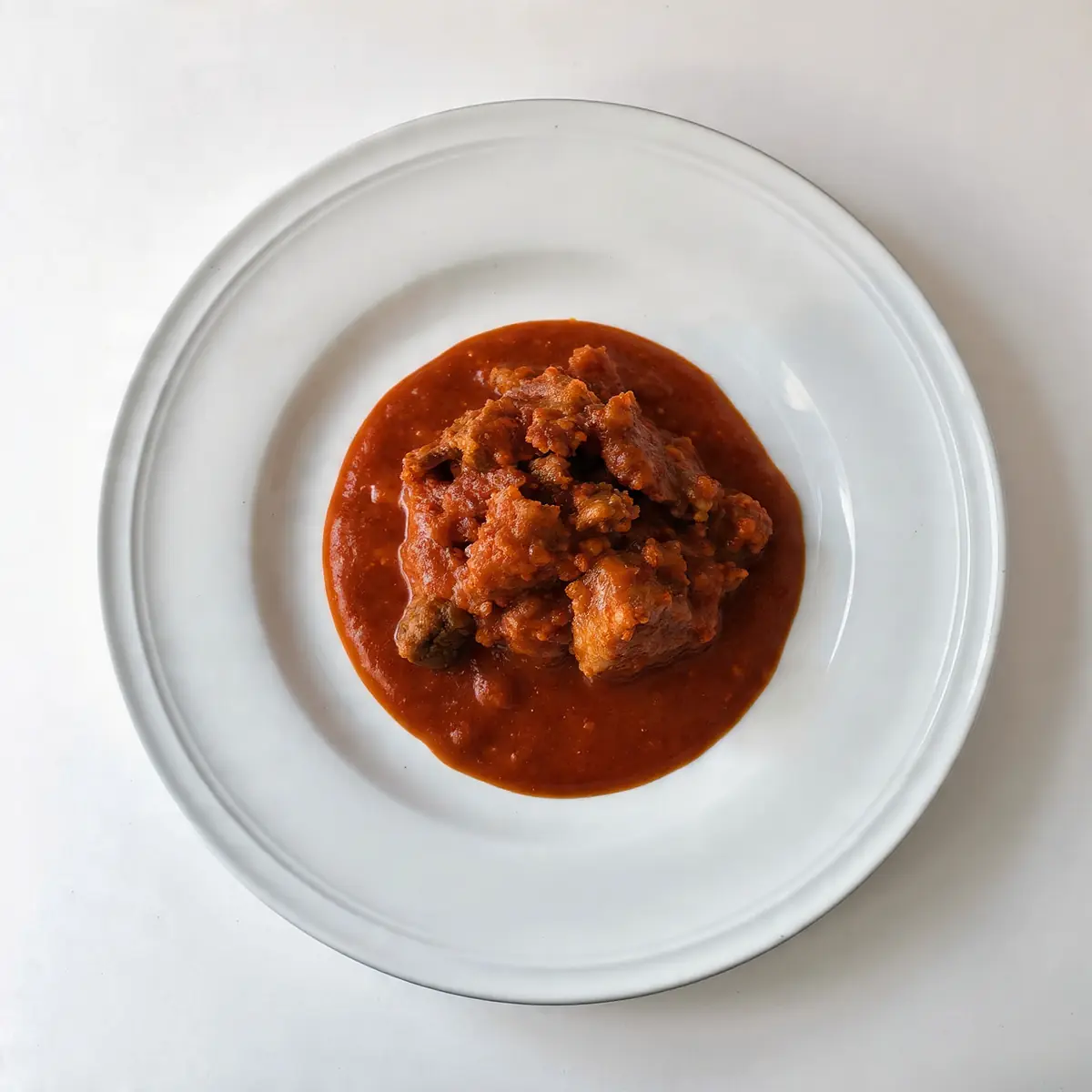
There are dishes that simply nourish, and then there are those that transport you, transforming a regular evening into an occasion. This traditional Bolognese sauce falls squarely into the latter category. It’s a labour of love, certainly, but one that rewards you with an extraordinary depth of flavour and a texture so luxurious, it elevates humble pasta into a showstopper. I’ve always believed that cooking for guests should be an act of generosity, a chance to share something truly special, and this recipe, with its meticulous attention to detail and slow-cooked richness, is my ultimate expression of that sentiment.
I remember the first time I truly appreciated the magic of a proper Bolognese. It wasn’t in Italy, as one might expect, but at a tiny, unassuming trattoria tucked away in a quiet London side street. The sauce was unlike any I’d tasted – rich, complex, and utterly captivating. It lingered on the palate, a symphony of savoury notes that spoke of time, care, and quality ingredients. From that moment, I was determined to recreate that experience in my own kitchen, not just for my family, but to impress friends and family when they visited.
My journey to perfecting this recipe has been a delightful obsession. I’ve experimented tirelessly with ratios, cooking times, and ingredient sourcing, all to capture that elusive, restaurant-quality depth. After testing this recipe five times, I finally got it just right, and the beaming smiles around my dining table were all the confirmation I needed. This isn’t just a recipe; it’s an invitation to slow down, savour the process, and ultimately, present your guests with a dish like our Classic Marble Cake Recipe that will undoubtedly become a topic of conversation long after the last morsel has been enjoyed.cookingenious.com/ultimate-salmon-pasta-recipe/”>Ultimate Salmon Pasta Recipe that will undoubtedly become a topic of conversation long after the last morsel has been enjoyed.cookingenious.com/perfect-kaiserschmarrn-pancake-recipe/”>Perfect Kaiserschmarrn Pancake Recipe that will undoubtedly become a topic of conversation long after the last morsel has been enjoyed.cookingenious.com/homemade-potato-gratin-recipe/”>Homemade Potato Gratin Recipe that will undoubtedly become a topic of conversation long after the last morsel has been enjoyed.
Recipe Overview
- Prep time: 30 minutes
- Cook time: 3 hours 30 minutes
- Total time: 4 hours
- Servings: 6-8
- Difficulty: Medium
Why You’ll Love This Traditional Bolognese Sauce Recipe
- Unparalleled Depth of Flavour: Slow simmering allows the ingredients to meld beautifully, creating a complex, umami-rich sauce that develops over hours.
- Luxurious, Velvety Texture: The combination of finely diced vegetables, minced meat, and a long cook results in a sauce that coats pasta perfectly, offering a truly satisfying mouthfeel.
- Impressive for Entertaining: This recipe delivers a sophisticated, restaurant-quality dish that will undoubtedly impress your dinner guests with its rich taste and elegant presentation.
- Freezer-Friendly Convenience: Make a large batch and freeze portions for future meals, ensuring you always have a gourmet option ready to go.
- Customisable to Taste: While traditional, the recipe offers opportunities to adjust seasoning and even incorporate subtle variations to suit personal preferences.
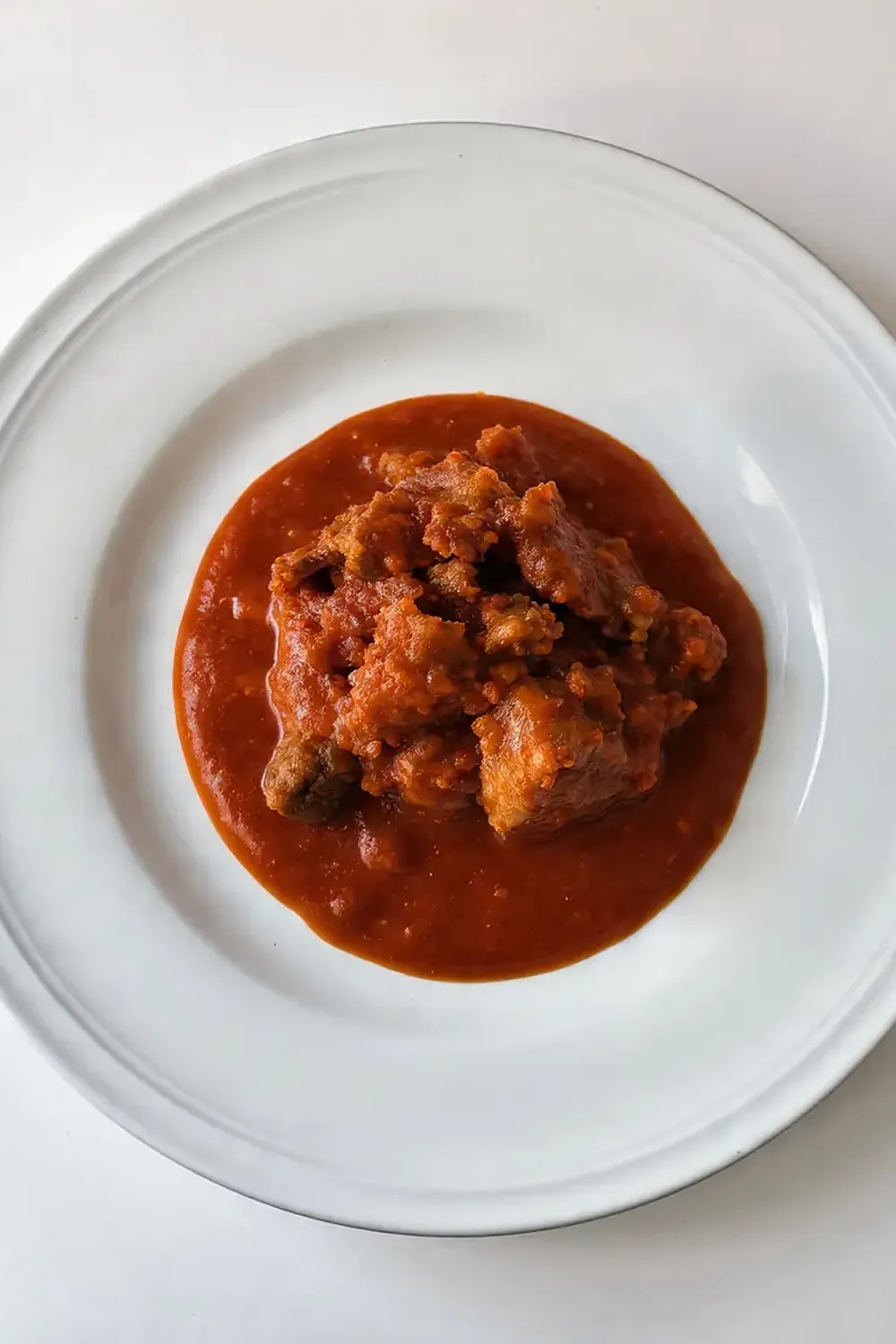
Ingredients You’ll Need
- 2 tbsp olive oil
- 1 large onion, finely diced (approx. 200g)
- 2 carrots, finely diced (approx. 150g)
- 2 celery stalks, finely diced (approx. 100g)
- 500g lean beef mince
- 250g lean lamb mince
- 200ml full-fat milk
- 2 x 400g cans chopped tomatoes
- 2 tbsp tomato purée
- 500ml beef stock (low sodium)
- 2 bay leaves
- 1/2 tsp freshly grated nutmeg
- Salt and freshly ground black pepper to taste
- Freshly grated Parmesan cheese, for serving
- Fresh flat-leaf parsley, chopped, for garnish
- 500g tagliatelle or pappardelle pasta
Tip: Sourcing good quality ingredients truly makes a difference here. Look for organic or grass-fed mince if possible, and choose ripe, flavourful tomatoes. The milk should be full-fat for richness.
How to Make Traditional Bolognese Sauce Recipe
- Sauté the Soffritto: Heat the olive oil in a large, heavy-bottomed pot or Dutch oven over medium heat. Add the finely diced onion, carrots, and celery. Sauté gently for 10-12 minutes, stirring occasionally, until the vegetables have softened and taken on a slightly translucent, golden hue and you can smell their sweet aroma. This is the foundation of your flavour.
- Brown the Mince: Increase the heat to medium-high. Add the beef and lamb mince to the pot, breaking it up with a wooden spoon. Cook, stirring frequently, for 8-10 minutes, until the meat is evenly browned all over and no pink remains. You’ll hear a satisfying sizzle and see a lovely caramelisation forming at the bottom of the pan. Drain off any excess fat if necessary.
- Add Dairy for Tenderness: Pour in the full-fat milk. Bring it to a gentle simmer and cook for 5-7 minutes, stirring occasionally, until the milk has almost completely evaporated and absorbed into the meat. The mixture will look creamier and the meat will become incredibly tender.
- Build the Tomato Base: Stir in the tomato purée and cook for 2 minutes, allowing it to deepen in colour and release its flavour. Then, add the chopped tomatoes and beef stock. Stir well to combine, scraping up any delicious browned bits from the bottom of the pot. The sauce will look quite liquid at this stage, a vibrant red.
- Simmer and Season: Add the bay leaves and freshly grated nutmeg. Bring the sauce to a gentle simmer, then reduce the heat to very low, cover with a lid, and cook for at least 3 hours, or up to 4 hours. Stir the sauce every 30-45 minutes to prevent sticking and ensure even cooking. During this long simmer, the sauce will thicken considerably, deepen to a rich, dark red-brown, and emit an intoxicating aroma that fills your kitchen. Taste and adjust seasoning with salt and freshly ground black pepper towards the end of the cooking time.
- Prepare and Serve: Cook your chosen pasta (tagliatelle or pappardelle are excellent choices) according to package instructions in plenty of salted water. Before draining, reserve about 100ml of the starchy pasta water. Remove the bay leaves from the Bolognese sauce. Toss the drained pasta directly with the sauce, adding a splash of the reserved pasta water if needed to achieve a glossy, well-coated consistency. Serve immediately in warm bowls, generously garnished with freshly grated Parmesan cheese and a sprinkle of chopped fresh parsley.
Tips From My Kitchen
- Finely Dice Your Soffritto: The ‘soffritto’ (onion, carrot, celery) is the aromatic base of this sauce. Taking the time to dice these vegetables very finely ensures they virtually melt into the sauce during the long cooking process, contributing flavour without noticeable chunks. This creates a smoother, more refined texture that feels more elegant on the plate, rather than a rustic stew.
- Embrace the Low and Slow: This is not a sauce to rush. The extended cooking time on a very low heat is crucial for developing the deep, complex flavours and tenderising the meat. It allows the fat to render slowly, the proteins to break down, and all the ingredients to meld into a harmonious whole. Rushing it will result in a sauce that tastes flat and lacks that signature richness. My husband, who’s usually picky, asked for seconds after I started giving it the full four hours!
- Don’t Skip the Milk: Adding milk might seem unusual in a tomato-based sauce, but it’s a traditional step in Bolognese. The milk helps to tenderise the meat even further, and its fats contribute to a richer, silkier mouthfeel, rounding out the acidity of the tomatoes. It evaporates almost entirely, leaving behind only its beneficial qualities.
- Grate Fresh Nutmeg: While powdered nutmeg is convenient, freshly grated nutmeg offers a far more vibrant and aromatic spice note. It adds a subtle warmth and complexity that really elevates the savoury profile of the Bolognese, complementing the meat and tomatoes without overpowering them. It’s a small detail that makes a big difference in a dish designed to impress.
- Finish the Pasta in the Sauce: Instead of simply spooning sauce over pasta, always add the drained pasta directly to the pan with the Bolognese and toss them together for a minute or two. This allows the pasta to absorb some of the sauce’s flavour and ensures every strand is beautifully coated. A splash of reserved pasta water helps create that perfect, glossy emulsion, making the dish feel cohesive and restaurant-quality.
- Plating for Presentation: When serving for guests, think about how you present the dish. Use warm, shallow bowls. Create a nest of pasta using tongs, then spoon a generous amount of sauce over the top. A final flourish of freshly grated Parmesan and a sprinkle of vibrant green parsley or even a few basil leaves adds visual appeal and freshness. This attention to detail elevates the experience beyond just the taste.
Equipment You’ll Need
- Large frying pan or skillet (preferably a heavy-bottomed Dutch oven or similar pot)
- Sharp knife and cutting board
- Mixing bowls
- Wooden spoon or spatula
- Grater (for nutmeg and Parmesan)
Delicious Variations to Try
- Spicy Version: For those who enjoy a little heat, add a pinch of dried chilli flakes along with the tomato purée in step 4. Start with a quarter teaspoon and add more to taste.
- Vegetarian/Vegan Option: Replace the beef and lamb mince with a mix of finely chopped mushrooms (cremini and shiitake work well), lentils, and a plant-based mince alternative. Ensure your stock is vegetable-based and use a plant-based milk and dairy-free Parmesan substitute. You might explore a delicious Chipotle Chicken Bowl Recipe Spicy if you enjoy plant-based meals with a kick.
- Different Protein: While beef and lamb are traditional, you could use just beef mince, or a combination including ground turkey or chicken mince for a slightly lighter sauce. Just ensure you still allow ample cooking time for flavour development.
What to Serve With Traditional Bolognese Sauce Recipe
- Freshly baked crusty bread to mop up every last drop of sauce.
- A simple green salad with a light vinaigrette to cut through the richness.
- Steamed green beans or asparagus for a fresh, vibrant side.
Frequently Asked Questions
Traditional Bolognese Sauce Recipe
Ingredients
Method
-
Sauté the Soffritto: Heat the olive oil in a large, heavy-bottomed pot or Dutch oven over medium heat. Add the finely diced onion, carrots, and celery. Sauté gently for 10-12 minutes, stirring occasionally, until the vegetables have softened and taken on a slightly translucent, golden hue and you can smell their sweet aroma. This is the foundation of your flavour.
-
Brown the Mince: Increase the heat to medium-high. Add the beef and lamb mince to the pot, breaking it up with a wooden spoon. Cook, stirring frequently, for 8-10 minutes, until the meat is evenly browned all over and no pink remains. You’ll hear a satisfying sizzle and see a lovely caramelisation forming at the bottom of the pan. Drain off any excess fat if necessary.
-
Add Dairy for Tenderness: Pour in the full-fat milk. Bring it to a gentle simmer and cook for 5-7 minutes, stirring occasionally, until the milk has almost completely evaporated and absorbed into the meat. The mixture will look creamier and the meat will become incredibly tender.
-
Build the Tomato Base: Stir in the tomato purée and cook for 2 minutes, allowing it to deepen in colour and release its flavour. Then, add the chopped tomatoes and beef stock. Stir well to combine, scraping up any delicious browned bits from the bottom of the pot. The sauce will look quite liquid at this stage, a vibrant red.
-
Simmer and Season: Add the bay leaves and freshly grated nutmeg. Bring the sauce to a gentle simmer, then reduce the heat to very low, cover with a lid, and cook for at least 3 hours, or up to 4 hours. Stir the sauce every 30-45 minutes to prevent sticking and ensure even cooking. During this long simmer, the sauce will thicken considerably, deepen to a rich, dark red-brown, and emit an intoxicating aroma that fills your kitchen. Taste and adjust seasoning with salt and freshly ground black pepper towards the end of the cooking time.
-
Prepare and Serve: Cook your chosen pasta (tagliatelle or pappardelle are excellent choices) according to package instructions in plenty of salted water. Before draining, reserve about 100ml of the starchy pasta water. Remove the bay leaves from the Bolognese sauce. Toss the drained pasta directly with the sauce, adding a splash of the reserved pasta water if needed to achieve a glossy, well-coated consistency. Serve immediately in warm bowls, generously garnished with freshly grated Parmesan cheese and a sprinkle of chopped fresh parsley.
Notes
There you have it – my tried and tested recipe for a truly exceptional Traditional Bolognese Sauce. This dish is more than just a meal; it’s an experience, a delightful journey for the senses that will leave your guests feeling cherished and thoroughly impressed. From the subtle aroma that fills your home as it simmers, to the luxurious texture and profound flavour on the palate, every element is designed to create a memorable dining occasion. Don’t be afraid to take your time with it; the joy is truly in the process, and the reward is a dish that speaks volumes about your culinary passion. I’d love to hear about your own experiences and any personal touches you add when you try this recipe, so please do leave a comment below!