Easy Make-Ahead Lemon Blueberry Pound Cake
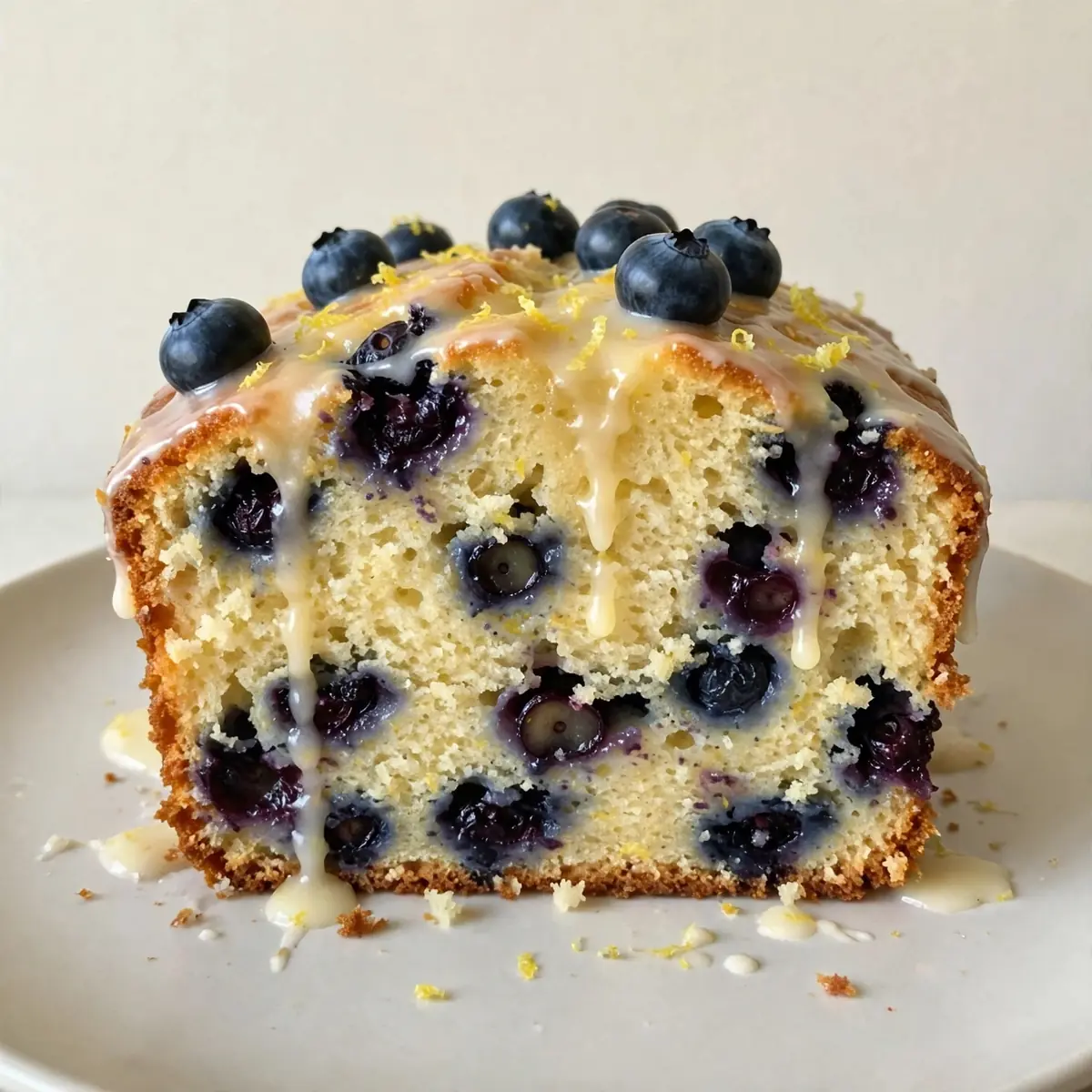
Weeknights in our house are a whirlwind of homework, football practice, and the eternal question of what to put on the table. That’s exactly why this Lemon Blueberry Pound Cake has become a quiet hero in my kitchen — it’s a bake that feels like a treat but fits into a busy evening without any fuss. One bowl, a handful of pantry staples, and a loaf tin are all you need to get a golden, fragrant cake in the oven before the kettle has even boiled.
Recipe Overview
- Prep time: 15 minutes
- Cook time: 55–65 minutes
- Total time: 1 hour 20 minutes (plus cooling)
- Servings: 10 slices
- Difficulty: Easy — one bowl, no fancy techniques
Why You’ll Love This Lemon Blueberry Pound Cake
- It’s a one-bowl wonder. Everything comes together in a single mixing bowl, which means less washing up on a night when you’d rather be sitting down.
- It uses frozen or fresh berries. No need to wait for summer — frozen blueberries work beautifully and don’t need defrosting first.
- It’s make-ahead friendly. Bake it on Sunday and slice it through the week for lunchboxes, or freeze individual slices for a rainy day.
- The lemon keeps it bright. Zest and juice cut through the richness of the butter, so it never feels heavy.
- It’s forgiving. Even if you’re distracted by a child’s spelling test, this cake bakes up tender and moist almost every time.
Ingredients You’ll Need
- 225 g unsalted butter, softened
- 200 g caster sugar
- 4 large eggs, at room temperature
- 250 g plain flour
- 1½ tsp baking powder
- ½ tsp fine sea salt
- 2 tbsp whole milk
- Zest of 2 unwaxed lemons
- 3 tbsp fresh lemon juice
- 1 tsp vanilla extract
- 200 g blueberries (fresh or frozen — do not thaw)
- 1 tbsp plain flour, extra, for tossing the berries
- For the glaze: 100 g icing sugar
- For the glaze: 2 tbsp lemon juice
Tip: If you only have salted butter, reduce the added salt to a pinch and the cake will still taste lovely. Room-temperature eggs blend more smoothly into the butter, so if you’ve forgotten to take them out of the fridge, pop them in a bowl of warm water for five minutes.
Equipment You’ll Need
- Stand mixer or hand mixer
- Baking tray
- Parchment paper
- Wire cooling rack
How to Make Lemon Blueberry Pound Cake
- Heat the oven and line the tin. Preheat your oven to 170°C fan (190°C conventional, Gas Mark 5). Grease a 900 g loaf tin and line it with parchment paper, letting the paper overhang slightly at the long sides so you can lift the cake out later. The kitchen should already smell faintly warm as the oven comes up to temperature.
- Cream the butter and sugar. In your mixer, beat the softened butter and caster sugar for 3–4 minutes until the mixture turns noticeably pale — almost the colour of clotted cream — and you can hear the gritty sugar dissolve into a soft, humming whir. Scrape down the bowl once with a spatula.
- Add the eggs one at a time. Crack in the eggs one by one, beating for about 20 seconds after each. The batter may look slightly curdled after the third egg — that’s completely normal. Add the lemon zest and vanilla with the last egg and beat until the mixture looks glossy and smooth again.
- Fold in the dry ingredients. Sift the flour, baking powder, and salt over the bowl. Pour in the milk and lemon juice. Using a large metal spoon, fold everything together with slow, sweeping strokes until you can no longer see streaks of flour. Stop the moment the batter looks uniform — overmixing is the enemy of a tender crumb.
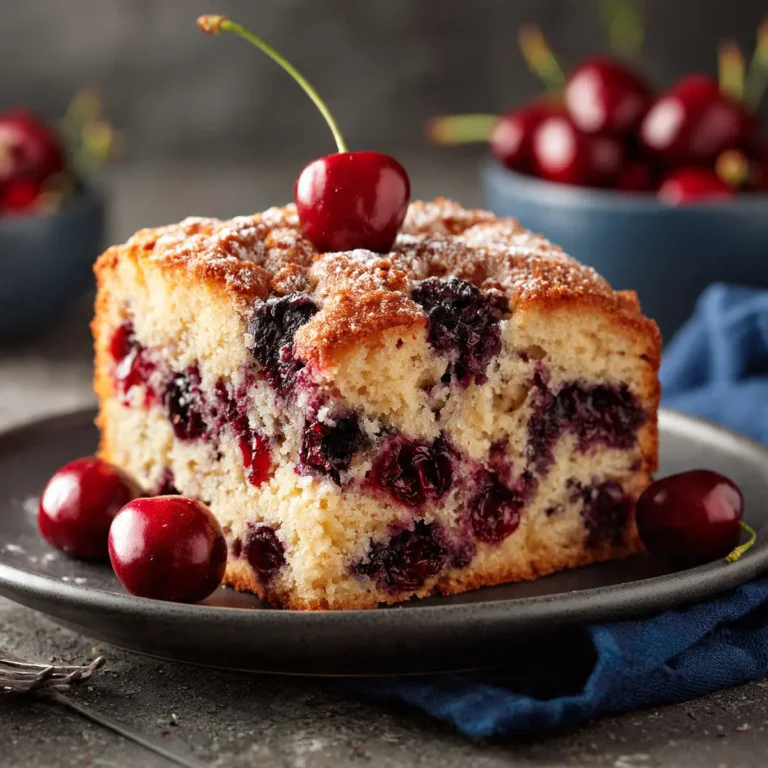
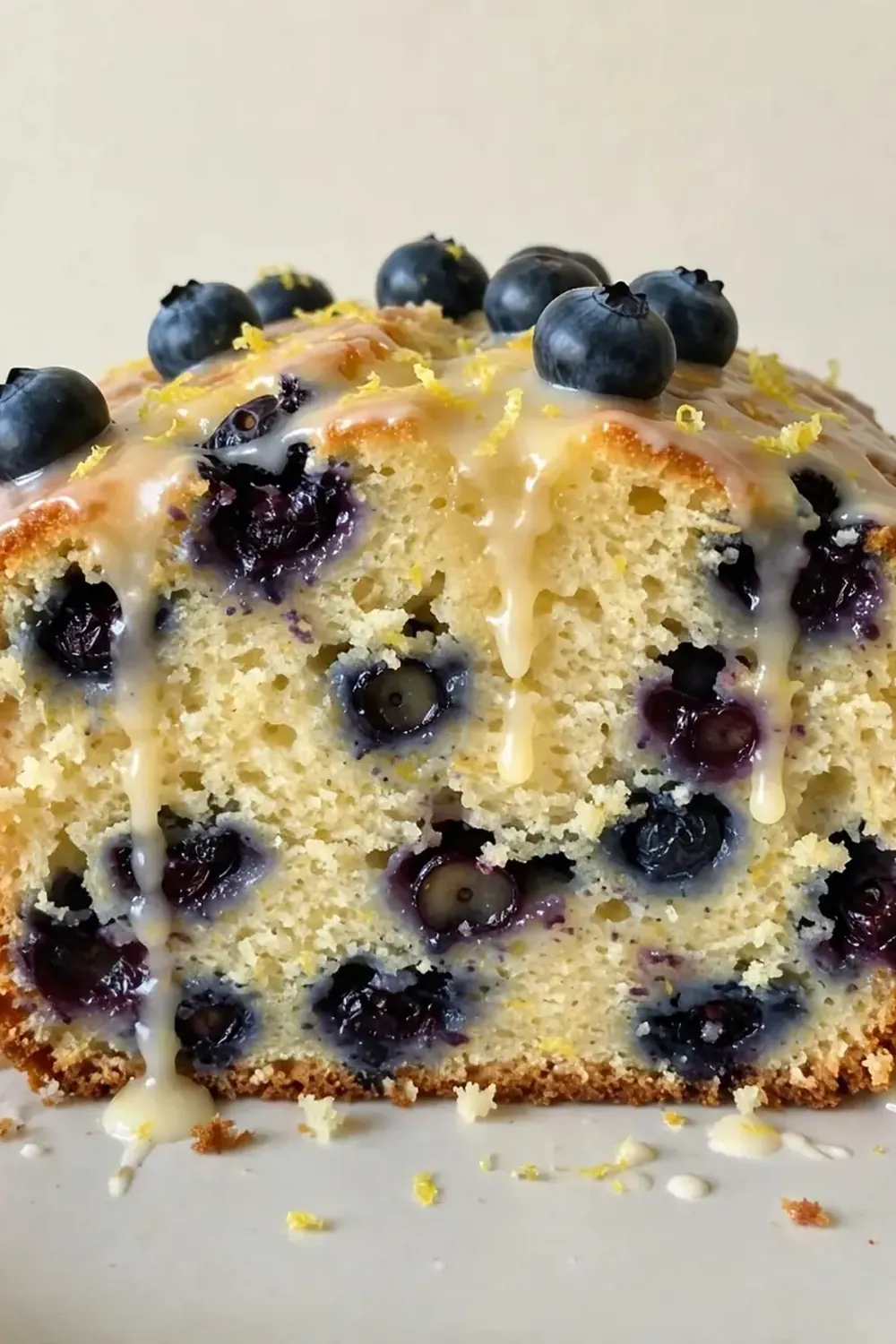
- Toss and fold in the blueberries. In a small bowl, gently toss the blueberries with the extra tablespoon of flour. This light dusting helps them stay suspended in the batter rather than sinking to the bottom. Fold them in with just two or three turns; the batter will streak with purple, which is exactly what you want.
- Bake. Scrape the batter into the prepared tin and smooth the top with the back of your spoon. Bake on the middle shelf for 55–65 minutes. At the 45-minute mark, check the cake — if the top is browning too quickly, lay a piece of foil loosely over it. The cake is done when a skewer inserted into the centre comes out with just a few moist crumbs, and the top springs back when you press it gently with a fingertip.
- Cool in the tin. Leave the cake to cool in the tin for 15 minutes. This rest is important — it lets the crumb set so the slices don’t crumble when you cut them. Then lift the cake out using the parchment overhang and transfer it to a wire rack to cool completely.
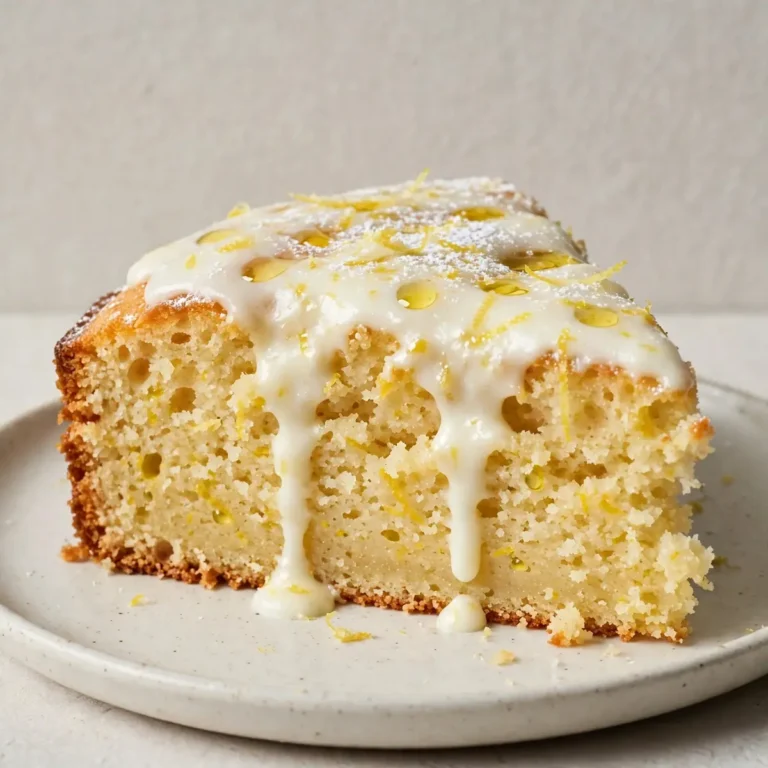
- Make the glaze. Once the cake is cool, whisk the icing sugar and lemon juice together until you have a thick but pourable glaze — it should ribbon off the whisk and hold a faint trail for a second. Drizzle it over the top of the cake, letting it run down the sides in lazy drips.
Tips From My Kitchen
- Weigh your flour rather than scooping it. Scooping flour straight from the bag can pack in up to 20% more than the recipe needs, which makes the cake dry. If you don’t have scales, spoon the flour into the cup and level it off with a knife.
- Don’t thaw frozen blueberries. Thawed berries release their juice and turn the batter grey. Toss them in flour while still frozen and they’ll hold their shape beautifully in the oven.
- Zest before you juice. It sounds obvious, but I’ve lost count of the times I’ve juiced a lemon and then tried to zest the slippery shell. Zest first, then halve and squeeze.
- Let the cake rest overnight for the best flavour. If you can bear to wait, wrap the cooled, unglazed cake tightly in cling film and leave it on the counter overnight. The lemon and blueberry flavours deepen, and the crumb becomes even more tender. Glaze it in the morning.
- Freeze slices for later. Wrap individual slices in parchment, then pop them in a freezer bag. They’ll keep for up to two months. A 30-second blast in the microwave brings them back to life for a lunchbox treat.
- Check your baking powder. If it’s more than six months old, it may have lost its lift. Drop a pinch into warm water — if it doesn’t fizz, replace the tin before you bake.
Common Mistakes to Avoid
- Overcrowding the pan: If your loaf tin is too small, the batter will climb the sides and spill over, leaving a raw centre and a burnt crust. Use a 900 g tin — the batter should fill it about two-thirds of the way up. If you only have a smaller tin, bake the excess in a couple of muffin cases alongside.
- Wrong temperature: An oven that runs hot will set the crust before the middle has cooked, giving you a dry edge and a gummy centre. Buy an inexpensive oven thermometer and check it — mine was reading 15°C hotter than the dial, which explained years of sunken cakes.
- Skipping the rest time: Cutting into the cake while it’s still warm will squash the crumb and leave you with ragged, crumbly slices. The 15-minute rest in the tin is not optional — it’s the difference between a clean slice and a pile of crumbs.
Delicious Variations to Try
- Spicy Version: Add a generous pinch of ground ginger and a quarter teaspoon of cayenne to the dry ingredients. The warmth lingers gently behind the lemon and makes the cake feel cosy on a cold evening.
- Vegetarian/Vegan Option: Swap the eggs for 4 tablespoons of aquafaba (the liquid from a tin of chickpeas) and use a plant-based butter and milk. The cake will be slightly denser but still tender and full of lemon flavour.
- Different Fruit: Raspberries, chopped strawberries, or even a handful of dried cranberries all work beautifully in place of the blueberries. If using dried fruit, there’s no need to toss it in flour first.
What to Serve With Lemon Blueberry Pound Cake
- A pot of strong English breakfast tea — the tannins cut through the butter beautifully.
- A spoonful of Greek yoghurt for a lighter, fresher finish.
- A handful of toasted flaked almonds scattered over the glaze for crunch.
- Fresh strawberries or a few extra blueberries on the side for colour.
- A glass of cold milk if you’re feeding hungry children after school.
Frequently Asked Questions
Lemon Blueberry Pound Cake
Ingredients
Method
- Heat the oven and line the tin. Preheat your oven to 170°C fan (190°C conventional, Gas Mark 5). Grease a 900 g loaf tin and line it with parchment paper, letting the paper overhang slightly at the long sides so you can lift the cake out later. The kitchen should already smell faintly warm as the oven comes up to temperature.
- Cream the butter and sugar. In your mixer, beat the softened butter and caster sugar for 3–4 minutes until the mixture turns noticeably pale — almost the colour of clotted cream — and you can hear the gritty sugar dissolve into a soft, humming whir. Scrape down the bowl once with a spatula.
- Add the eggs one at a time. Crack in the eggs one by one, beating for about 20 seconds after each. The batter may look slightly curdled after the third egg — that’s completely normal. Add the lemon zest and vanilla with the last egg and beat until the mixture looks glossy and smooth again.
- Fold in the dry ingredients. Sift the flour, baking powder, and salt over the bowl. Pour in the milk and lemon juice. Using a large metal spoon, fold everything together with slow, sweeping strokes until you can no longer see streaks of flour. Stop the moment the batter looks uniform — overmixing is the enemy of a tender crumb.
- Toss and fold in the blueberries. In a small bowl, gently toss the blueberries with the extra tablespoon of flour. This light dusting helps them stay suspended in the batter rather than sinking to the bottom. Fold them in with just two or three turns; the batter will streak with purple, which is exactly what you want.
- Bake. Scrape the batter into the prepared tin and smooth the top with the back of your spoon. Bake on the middle shelf for 55–65 minutes. At the 45-minute mark, check the cake — if the top is browning too quickly, lay a piece of foil loosely over it. The cake is done when a skewer inserted into the centre comes out with just a few moist crumbs, and the top springs back when you press it gently with a fingertip.
- Cool in the tin. Leave the cake to cool in the tin for 15 minutes. This rest is important — it lets the crumb set so the slices don’t crumble when you cut them. Then lift the cake out using the parchment overhang and transfer it to a wire rack to cool completely.
- Make the glaze. Once the cake is cool, whisk the icing sugar and lemon juice together until you have a thick but pourable glaze — it should ribbon off the whisk and hold a faint trail for a second. Drizzle it over the top of the cake, letting it run down the sides in lazy drips.
Notes
This Lemon Blueberry Pound Cake has earned its place in our weeknight rotation because it asks so little and gives so much — a golden loaf that slices neatly for lunchboxes, toasts beautifully the next morning, and freezes like a dream. If you give it a go, I’d love to hear how it turned out in your kitchen. Did you add a glaze, swap the fruit, or discover a new trick along the way? Leave a comment below and let’s compare notes. For more fuss-free family cooking, have a look at my Pesto Chicken Bake Recipe Low Carb or these Orange Cranberry Scones Recipe Citrus for another bright, make-ahead bake.