Protein-Packed Cottage Cheese Pancakes
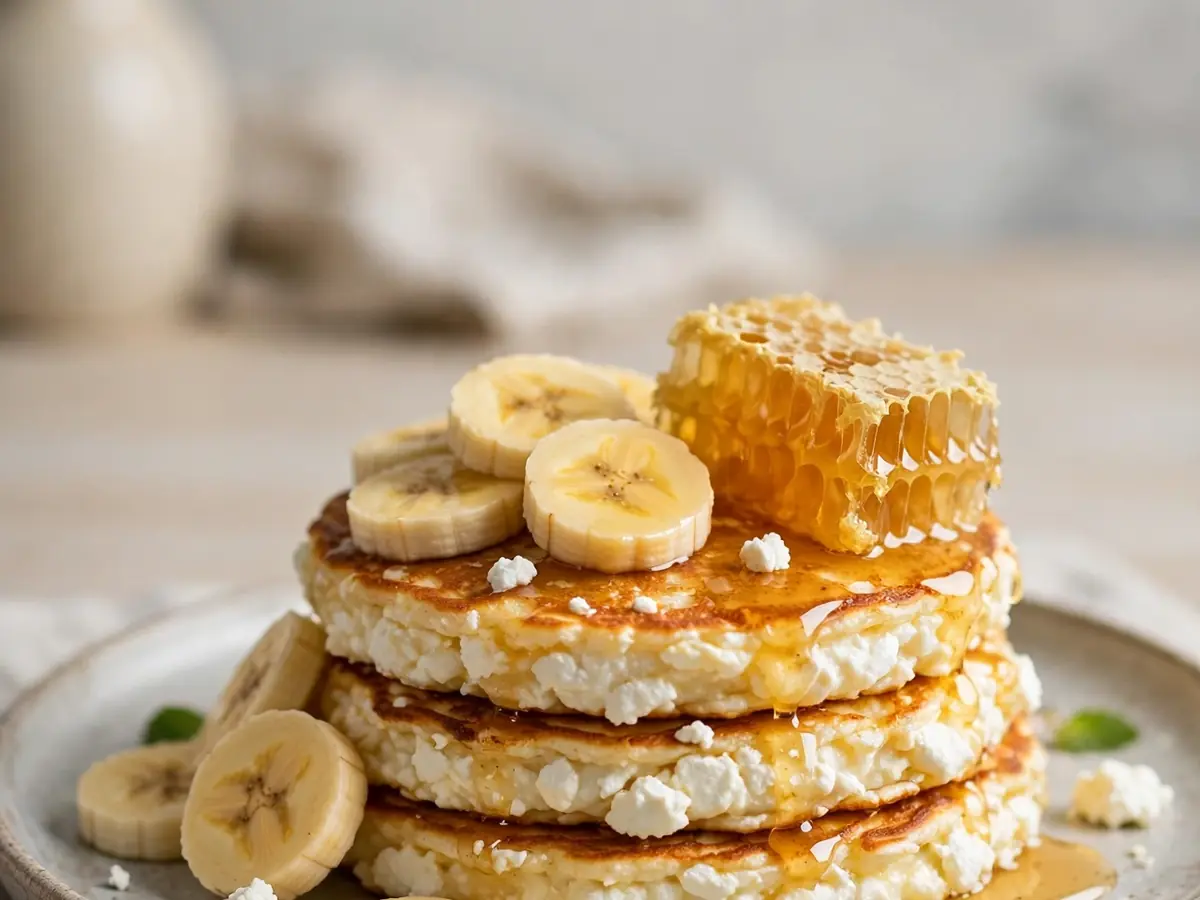
Pancakes have a reputation problem. They’re beloved, yes, but they’re often treated as a weekend indulgence—something sweet, soft, and nutritionally hollow that you eat before returning to your regularly scheduled protein intake. Cottage cheese pancakes flip that script. By folding creamy, protein-dense cottage cheese into a simple batter, you get pancakes that are tender and slightly tangy, with a structure sturdy enough to hold up to toppings and a nutritional profile that actually keeps you full past 10 a.m. This is not a diet food disguised as breakfast; it’s a genuinely good pancake with a quiet advantage. Below you’ll find a complete, precise recipe, plus the technique notes, substitutions, and storage guidance you need to make it a reliable part of your rotation.
Why Cottage Cheese Belongs in Your Pancake Batter
Cottage cheese does two jobs at once in a pancake batter. First, it adds moisture and richness: the curds break down slightly during cooking, leaving small creamy pockets that make the finished pancake taste more indulgent than its ingredient list suggests. Second, it contributes protein without the chalky texture that protein powders can introduce. A half cup of low-fat cottage cheese carries roughly 12 to 14 grams of protein, so a batch made with a full cup delivers a meaningful share of your morning protein before you’ve even considered toppings.
The tang of cottage cheese also balances sweetness, which means you can keep added sugar low and still get a satisfying pancake. The key is blending the cottage cheese until smooth—whole curds left intact can weigh down the batter and create an uneven texture. A blender or immersion blender solves this in seconds.
Equipment You’ll Need
- Blender or immersion blender (for smoothing the cottage cheese)
- Large mixing bowl
- Medium mixing bowl
- Whisk
- Measuring cups and spoons
- Nonstick skillet or griddle, 10 to 12 inches
- Flexible spatula
- Wire cooling rack (optional, for holding finished pancakes)
Ingredients
Makes 10 to 12 pancakes (about 3 to 4 servings)
- 1 cup (240 g) low-fat cottage cheese (2% recommended; 4% works but yields a richer, heavier pancake)
- 2 large eggs
- 3/4 cup (180 ml) milk of choice (whole milk, 2%, or unsweetened almond milk all work)
- 1 teaspoon vanilla extract
- 1 cup (125 g) all-purpose flour
- 1 tablespoon granulated sugar (optional; see substitutions)
- 1 1/2 teaspoons baking powder
- 1/4 teaspoon baking soda
- 1/4 teaspoon fine salt
- 1 to 2 tablespoons neutral oil or melted butter, for the pan
Step-by-Step Preparation
- Blend the wet base. Add the cottage cheese, eggs, milk, and vanilla to a blender. Blend on medium speed for 20 to 30 seconds, until the mixture is completely smooth with no visible curds. If using an immersion blender, blend directly in a tall container or the mixing bowl. Set aside.
- Combine the dry ingredients. In the large mixing bowl, whisk together the flour, sugar (if using), baking powder, baking soda, and salt until evenly distributed.
- Bring the batter together. Pour the blended cottage cheese mixture into the dry ingredients. Whisk gently just until no dry streaks remain. The batter should be thick but pourable—similar to a heavy cream consistency. Small lumps are fine; overmixing is not. Let the batter rest for 5 minutes while the pan heats. It will thicken slightly as the baking powder activates.
- Heat the pan. Place the nonstick skillet or griddle over medium heat for 2 to 3 minutes. Brush lightly with oil or melted butter. To test the temperature, drop a small spoonful of batter into the pan: it should sizzle softly and set within about 30 seconds without browning instantly.
- Cook the first side. Pour about 1/4 cup of batter per pancake onto the pan, leaving 2 inches between pancakes. Cook undisturbed for 2 to 3 minutes, until bubbles form across the surface, the edges look set and matte, and the underside is golden brown.
- Flip and finish. Slide the spatula under each pancake and flip in one confident motion. Cook the second side for 1 1/2 to 2 minutes, until golden and cooked through. Press gently with the spatula—the center should feel springy, not wet.
- Hold and repeat. Transfer finished pancakes to a wire rack or a plate tented with foil while you cook the remaining batter. Re-oil the pan lightly between batches only if needed. Adjust the heat down slightly if the pan darkens the pancakes faster than the centers cook.
- Serve. Serve warm with maple syrup, fresh berries, sliced banana, a spoonful of yogurt, or a dusting of cinnamon. See the toppings section below for more ideas.
Cooking Times at a Glance
- Batter rest: 5 minutes
- Pan preheat: 2 to 3 minutes
- First side: 2 to 3 minutes
- Second side: 1 1/2 to 2 minutes
- Total active cooking time: about 20 to 25 minutes for the full batch
Practical Substitutions
Flour: White whole wheat flour can replace all-purpose one-for-one with a slightly heartier result. For a gluten-free version, use a 1:1 gluten-free all-purpose blend and add 1/4 teaspoon xanthan gum if the blend doesn’t already include it. Do not substitute almond flour alone; the batter will not hold.
Cottage cheese: If you dislike the tang, ricotta makes a close substitute with a milder flavor, though it is lower in protein. Full-fat cottage cheese works but produces a denser pancake—thin the batter with an extra tablespoon or two of milk if needed.
Milk: Unsweetened almond milk, oat milk, or regular dairy milk all work. Buttermilk adds extra tang and tenderness; if using it, reduce the baking powder to 1 teaspoon.
Sugar: Omit entirely for a savory-leaning pancake, or replace with 1 tablespoon honey stirred into the wet ingredients. Keep in mind that liquid sweeteners slightly loosen the batter.
Eggs: Two flax eggs (2 tablespoons ground flaxseed mixed with 5 tablespoons water, rested 5 minutes) can replace the eggs, though the pancakes will be more fragile and brown faster.
Oil: Melted butter or coconut oil can be used for the pan. A neutral spray oil also works well for even coating.
Topping Ideas That Keep the Protein Up
- Plain Greek yogurt swirled with a little honey and cinnamon
- Fresh berries and a spoonful of nut butter
- Sliced banana with toasted chopped walnuts
- Warm apples sautéed in butter with a pinch of salt
- A drizzle of maple syrup—use less than you think, since the pancakes are already flavorful
Storage and Reheating
Refrigerator: Store cooled pancakes in an airtight container for up to 3 days, separated by parchment paper to prevent sticking.
Freezer: Freeze in a single layer on a sheet pan for 1 hour, then transfer to a freezer bag for up to 2 months. This prevents them from fusing into a single block.
Reheating: Reheat in a toaster or toaster oven for 2 to 3 minutes for the best texture—the edges crisp back up nicely. A microwave works in a pinch (30 to 45 seconds per pancake) but softens the exterior. From frozen, add 1 to 2 minutes to the toaster time or microwave in 30-second increments.
Batter storage: The batter can be mixed and refrigerated overnight, but expect a slightly thicker result; stir in a splash of milk before cooking. For best results, cook within 24 hours.
Tips for Consistent Results
- Blend thoroughly. Any remaining curds will show up as uneven texture in the finished pancake. Smoothness is the single biggest factor in getting a classic pancake crumb.
- Don’t overmix. Whisk the batter just until the flour disappears. Overworking develops gluten and produces tough, chewy pancakes.
- Watch the heat. These pancakes brown a little faster than standard ones because of the dairy content. Medium heat, not medium-high, is the sweet spot. If your pan runs hot, move it off the burner for 30 seconds between batches.
- Use a 1/4-cup measure for portioning. Consistent size means consistent cooking time, which means no raw centers.
- Rest the batter. Five minutes lets the flour hydrate and the leaveners begin working, giving you a lighter pancake.
- Test one pancake first. The first pancake is your calibration tool—adjust heat or thin the batter based on how it cooks.
Frequently Asked Questions
Can I use whole-milk cottage cheese instead of low-fat?
Yes. Whole-milk cottage cheese makes a richer, slightly denser pancake. Because it contains more fat and less moisture than low-fat versions, you may need an extra 1 to 2 tablespoons of milk to reach the right batter consistency. Start with the recipe as written, then thin only if the batter feels stiff after resting.
Why did my cottage cheese pancakes turn out flat?
Flat pancakes usually point to one of three issues: expired or underperforming baking powder, overmixed batter, or a pan that was too cool. Check that your baking powder is fresh by dropping a pinch into hot water—it should fizz actively. Mix the batter only until combined, and make sure the pan is fully preheated before the first pour.
Can I make this recipe without a blender?
Yes, with a caveat. Press the cottage cheese through a fine-mesh sieve or mash it thoroughly with a fork until it resembles a smooth paste, then whisk it into the wet ingredients. The texture will be slightly less uniform than a blended version, but the pancakes will still hold together and taste good.
How do I keep the pancakes from sticking to the pan?
Use a genuinely nonstick skillet in good condition, preheat it fully before adding batter, and brush with a thin, even layer of oil or butter before each batch. Avoid adding oil to a cold pan—it should go onto a hot surface. Also resist flipping too early; a pancake releases cleanly once the underside is properly set and golden.
Are these pancakes suitable for meal prep?
They are excellent for meal prep. Cook the full batch, cool completely, and refrigerate or freeze as described above. Reheat in a toaster for a quick weekday breakfast, and pair with yogurt or fruit to round out the meal. The batter itself is best used fresh, though an overnight rest in the refrigerator is acceptable.
Can I add protein powder to boost the protein further?
You can, but proceed carefully. Replace no more than 2 tablespoons of the flour with protein powder, and add an extra tablespoon or two of milk, since protein powders absorb liquid aggressively. Whey-based powders tend to make pancakes rubbery; a blend or casein-based powder performs better. For most people, the cottage cheese already provides enough protein, so the powder is optional.