Mouthwatering Apple Fritter Bread With Glaze
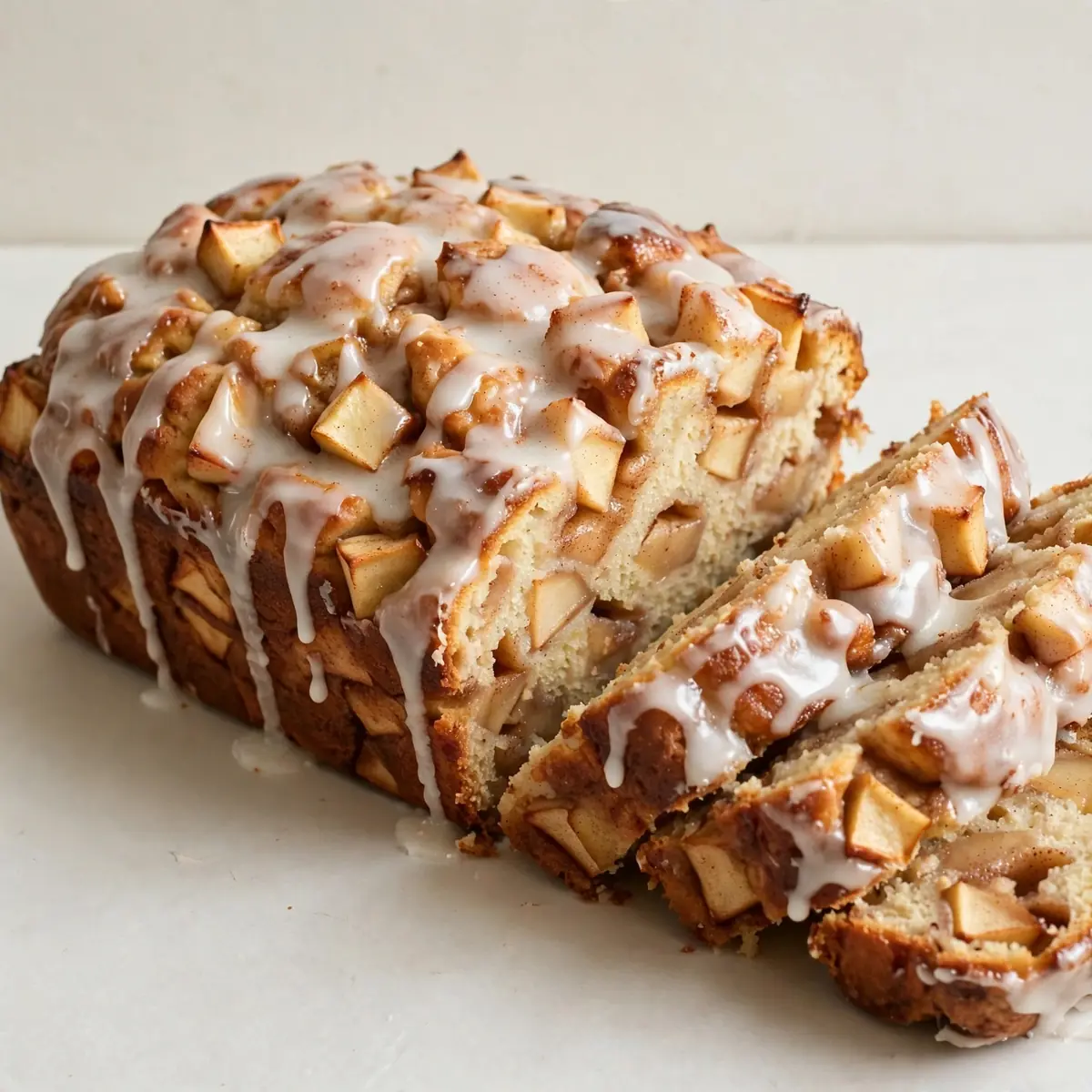
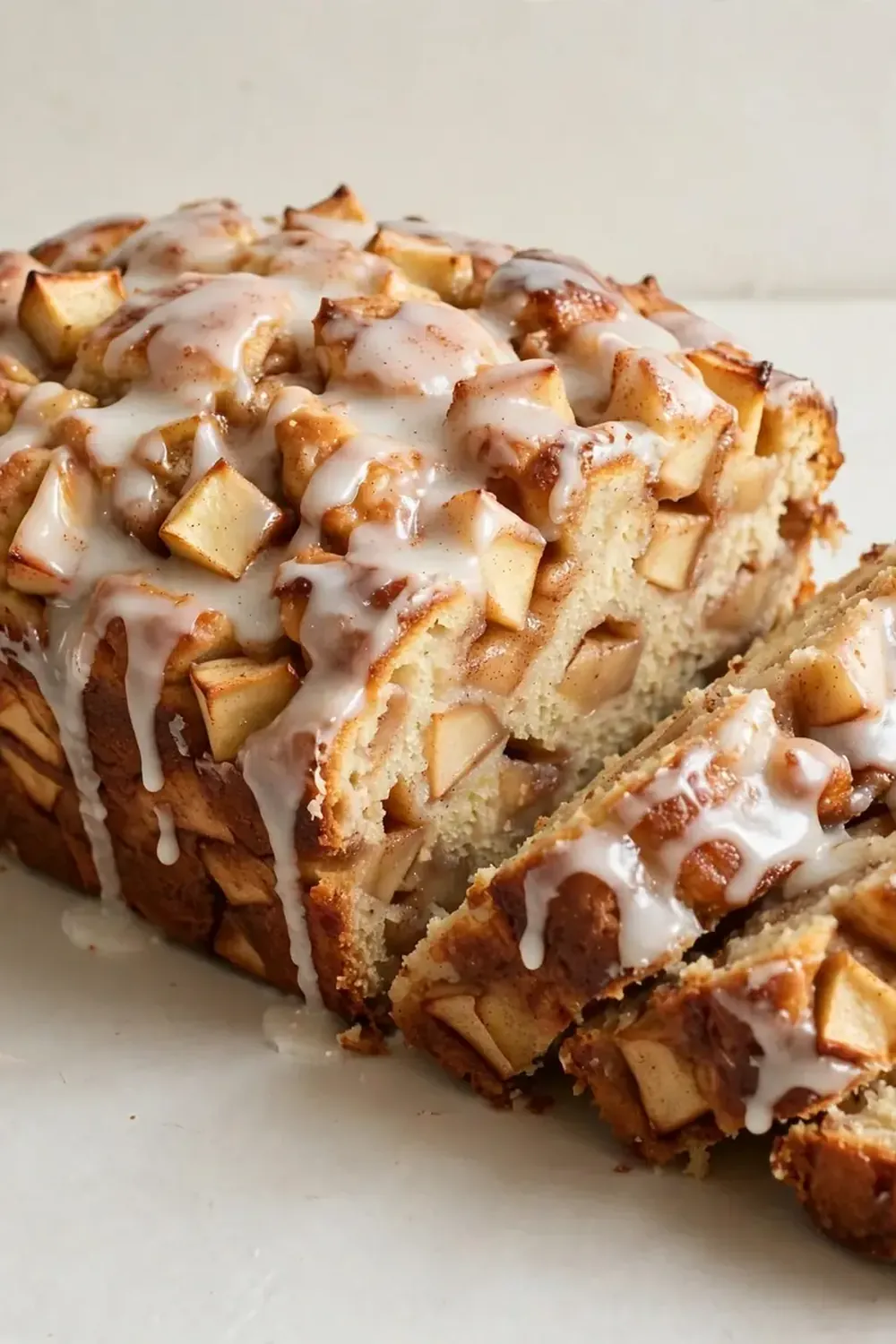
This apple fritter bread with glaze gives you all the wonderful cinnamon-spiced, apple-filled flavour of a classic fritter, but in a simple loaf cake form that’s far less fussy to make. It’s tender, moist, and topped with a glossy icing that soaks into the warm crumb for a truly decadent treat.
Recipe Overview
- Prep Time: 20 minutes
- Cook Time: 50 minutes
- Total Time: 1 hour 10 minutes
- Servings: 10 generous slices
- Difficulty: Easy
Why You’ll Love This Apple Fritter Bread With Glaze
- All the fritter flavour, no deep frying: You get the signature cinnamon-sugar swirl and tender apple chunks without standing over a pot of hot oil. The oven does all the work.
- A bakery-style finish at home: The thick, glossy glaze sets beautifully and gives that professional look. It tastes just like something from a fancy patisserie window.
- Incredibly moist interior: Using oil instead of butter keeps the crumb soft for days. The grated and diced apples release moisture as they bake, creating a luscious texture, much like how roasted apples contribute to the silky finish of a Mouthwatering Roasted Apple and Butternut Squash Soup.
- Simple, everyday ingredients: You likely have everything in your pantry already — flour, sugar, eggs, oil, and a couple of apples. No special shopping required.
- Perfect for sharing or gifting: This loaf looks spectacular wrapped in parchment and tied with string. It’s my go-to recipe when I need something quick but impressive.
Ingredients You’ll Need
- 240g plain flour (all-purpose)
- 200g granulated sugar
- 2 teaspoons baking powder
- ½ teaspoon bicarbonate of soda
- 1 teaspoon ground cinnamon
- ¼ teaspoon ground nutmeg
- ½ teaspoon fine sea salt
- 2 large eggs, at room temperature
- 120ml vegetable oil (or any neutral oil)
- 120ml whole milk, at room temperature
- 1 teaspoon vanilla extract
- 2 medium Bramley or Granny Smith apples (about 300g total), peeled, cored, and diced into 1cm cubes
- 60g light brown sugar, for the swirl
- 1 teaspoon ground cinnamon, for the swirl
Tip: Use firm, tart apples like Granny Smith or Bramley. They hold their shape during baking and provide a pleasant tang that balances the sweet glaze. Softer varieties like Gala or Fuji can turn mushy.
How to Make Apple Fritter Bread With Glaze
- Preheat and prepare your tin. Set your oven to 180°C (160°C fan) or 350°F. Grease a 900g (2lb) loaf tin thoroughly with butter or oil, then line it with a strip of parchment paper that hangs over the long sides — this acts as handles for lifting the baked loaf out.
- Mix the dry ingredients. In a large mixing bowl, whisk together the plain flour, granulated sugar, baking powder, bicarbonate of soda, cinnamon, nutmeg, and salt. The mixture should look uniform in colour, with no streaks of spice or lumps of baking powder.
- Combine the wet ingredients. In a separate bowl or large jug, whisk the eggs until they are frothy and pale, about 30 seconds. Add the vegetable oil, milk, and vanilla extract. Whisk until the mixture is smooth and emulsified — it should look like a single, creamy liquid with no separation.
- Make the batter. Pour the wet ingredients into the dry ingredients. Stir gently with a spatula or wooden spoon just until no streaks of flour remain. The batter will be thick and slightly lumpy, but that is fine — do not overmix, or the bread will be dense. Fold in the diced apples until they are evenly distributed. You should see chunks of apple throughout the thick batter.
- Prepare the cinnamon swirl. In a small bowl, mix the light brown sugar and ground cinnamon together. The mixture should look like fine, sandy brown sugar.
- Layer the batter and swirl. Spoon half of the batter into the prepared loaf tin and spread it into an even layer with the back of a spoon. Sprinkle half of the cinnamon-sugar mixture evenly over the batter. Spoon the remaining batter on top and gently spread it to cover the sugar layer — it does not need to be perfectly smooth. Sprinkle the remaining cinnamon-sugar mixture over the top. Use a butter knife to gently swirl the batter in a figure-eight pattern, creating ribbons of cinnamon sugar throughout. You will see dark brown streaks forming in the pale batter.
- Bake the loaf. Place the tin on the middle rack of your preheated oven. Bake for 45–55 minutes, or until the top is a deep golden brown and a skewer inserted into the centre comes out clean or with just a few moist crumbs (not wet batter). The loaf should feel firm to the touch on top, and you will smell the warm cinnamon and baked apples filling your kitchen.
- Cool in the tin. Remove the loaf from the oven and place it on a wire cooling rack. Let it cool in the tin for 15 minutes. The loaf will shrink slightly from the sides of the tin as it cools. After 15 minutes, lift the loaf out using the parchment handles and transfer it directly onto the wire rack to cool completely before glazing.
- Make the glaze. While the loaf cools, whisk together 120g icing sugar, 2 tablespoons whole milk, and ½ teaspoon vanilla extract in a small bowl. The glaze should be thick but pourable — it should coat the back of a spoon and slowly drizzle off. If it is too thick, add a drop more milk; if too thin, add a little more icing sugar.
- Glaze and set. Once the loaf is completely cool (warm bread will absorb the glaze and make it disappear), place it on a serving plate or board. Drizzle the glaze over the top in a zigzag pattern, letting it drip down the sides naturally. Let the glaze set for at least 20 minutes before slicing. The glaze will become firm and slightly opaque, with a matte finish.
Tips From My Kitchen
- Use room temperature ingredients. Cold eggs or milk can cause the batter to seize up and create a dense, uneven crumb. Take them out of the fridge 30 minutes before you start baking. If you forget, place the eggs in a bowl of warm water for 5 minutes and microwave the milk for 10 seconds.
- Do not overmix the batter. Once you combine wet and dry ingredients, gluten develops quickly. Overmixing leads to a tough, rubbery loaf rather than a tender, cake-like crumb. Stir just until the flour disappears — a few lumps are perfectly fine.
- Dice the apples evenly. Small, uniform 1cm cubes ensure every slice gets a good amount of apple, and all the pieces cook at the same rate. Larger chunks may release too much moisture and create soggy pockets in the bread.
- Let the loaf cool completely before glazing. If you pour the glaze over a warm loaf, it will melt and seep into the bread, leaving you with a sticky, uneven coating instead of that beautiful white, glossy top. Patience pays off here.
- Line your tin properly. The parchment handles make a world of difference when lifting the hot, fragile loaf out of the tin. Without them, you risk the loaf breaking apart. Make sure the parchment extends at least 2 inches above the rim on both long sides.
- Check for doneness at 45 minutes. Ovens vary, so start testing your loaf at the 45-minute mark. A skewer inserted into the centre should come out clean. If the top is browning too fast but the centre is still raw, loosely tent a piece of aluminium foil over the loaf for the remaining bake time.
Equipment You’ll Need
- Stand mixer or hand mixer (optional; a whisk and spatula work fine)
- 900g (2lb) loaf tin
- Parchment paper
- Wire cooling rack
- Large mixing bowls (2)
- Whisk and spatula
- Small bowl for the swirl mixture
- Skewer or toothpick for testing doneness
Common Mistakes to Avoid
- Overcrowding the pan: This recipe is designed for a standard 900g loaf tin. Using a smaller tin will cause the batter to overflow, while a larger tin will produce a flat, shallow loaf. Stick to the recommended size for the perfect domed top.
- Wrong temperature: Baking at too high a temperature can brown the outside before the centre is cooked through, leaving you with a burnt crust and raw middle. At too low a temperature, the loaf will bake slowly and become dry. 180°C (160°C fan) is the sweet spot.
- Skipping the rest time: Allowing the loaf to cool in the tin for 15 minutes is crucial. This resting period lets the structure firm up so the loaf holds together when you lift it out. If you try to remove it immediately, it will likely crumble apart.
Delicious Variations to Try
- Spicy Version: Add ½ teaspoon ground ginger and ¼ teaspoon ground cloves to the flour mixture along with the cinnamon and nutmeg. For an extra kick, fold in 2 tablespoons finely chopped crystallised ginger with the apples.
- Vegetarian/Vegan Option: Replace the eggs with two flax eggs (2 tablespoons ground flaxseed mixed with 6 tablespoons water, left to sit for 5 minutes until gelatinous). Use plant-based milk such as oat or almond milk instead of whole milk. The loaf will be slightly denser but still delicious.
- Different Protein: Swap the diced apples for 250g firm, ripe pears, such as Conference or Comice. Pears have a softer texture and a more delicate sweetness, creating a lovely twist on the original.
What to Serve With Apple Fritter Bread With Glaze
- A hot cup of freshly brewed tea or coffee — the bread’s sweetness pairs beautifully with a bitter espresso or a fragrant Earl Grey.
- A dollop of lightly whipped double cream or crème fraîche for a touch of richness.
- Warmed gently in the toaster or microwave, served alongside a scoop of vanilla ice cream for a quick pudding.
- Thickly sliced and spread with a little salted butter — a simple, classic combination.
If you enjoy this kind of simple, comforting baking, you might also like my Chocolate Chip Cookies Recipe Chewy for another easy treat. For a different sort of sweet loaf, try the Funfetti Cake Recipe Birthday — it’s just as straightforward and always brings a smile.
Still hungry for ideas? You might also love Crumbl Banana Bread Cookies With Cream Cheese Glaze from our sister kitchens.
Frequently Asked Questions
apple fritter bread with glaze
Ingredients
Method
-
Preheat and prepare your tin. Set your oven to 180°C (160°C fan) or 350°F. Grease a 900g (2lb) loaf tin thoroughly with butter or oil, then line it with a strip of parchment paper that hangs over the long sides — this acts as handles for lifting the baked loaf out.
-
Mix the dry ingredients. In a large mixing bowl, whisk together the plain flour, granulated sugar, baking powder, bicarbonate of soda, cinnamon, nutmeg, and salt. The mixture should look uniform in colour, with no streaks of spice or lumps of baking powder.
-
Combine the wet ingredients. In a separate bowl or large jug, whisk the eggs until they are frothy and pale, about 30 seconds. Add the vegetable oil, milk, and vanilla extract. Whisk until the mixture is smooth and emulsified — it should look like a single, creamy liquid with no separation.
-
Make the batter. Pour the wet ingredients into the dry ingredients. Stir gently with a spatula or wooden spoon just until no streaks of flour remain. The batter will be thick and slightly lumpy, but that is fine — do not overmix, or the bread will be dense. Fold in the diced apples until they are evenly distributed. You should see chunks of apple throughout the thick batter.
-
Prepare the cinnamon swirl. In a small bowl, mix the light brown sugar and ground cinnamon together. The mixture should look like fine, sandy brown sugar.
-
Layer the batter and swirl. Spoon half of the batter into the prepared loaf tin and spread it into an even layer with the back of a spoon. Sprinkle half of the cinnamon-sugar mixture evenly over the batter. Spoon the remaining batter on top and gently spread it to cover the sugar layer — it does not need to be perfectly smooth. Sprinkle the remaining cinnamon-sugar mixture over the top. Use a butter knife to gently swirl the batter in a figure-eight pattern, creating ribbons of cinnamon sugar throughout. You will see dark brown streaks forming in the pale batter.
-
Bake the loaf. Place the tin on the middle rack of your preheated oven. Bake for 45–55 minutes, or until the top is a deep golden brown and a skewer inserted into the centre comes out clean or with just a few moist crumbs (not wet batter). The loaf should feel firm to the touch on top, and you will smell the warm cinnamon and baked apples filling your kitchen.
-
Cool in the tin. Remove the loaf from the oven and place it on a wire cooling rack. Let it cool in the tin for 15 minutes. The loaf will shrink slightly from the sides of the tin as it cools. After 15 minutes, lift the loaf out using the parchment handles and transfer it directly onto the wire rack to cool completely before glazing.
-
Make the glaze. While the loaf cools, whisk together 120g icing sugar, 2 tablespoons whole milk, and ½ teaspoon vanilla extract in a small bowl. The glaze should be thick but pourable — it should coat the back of a spoon and slowly drizzle off. If it is too thick, add a drop more milk; if too thin, add a little more icing sugar.
-
Glaze and set. Once the loaf is completely cool (warm bread will absorb the glaze and make it disappear), place it on a serving plate or board. Drizzle the glaze over the top in a zigzag pattern, letting it drip down the sides naturally. Let the glaze set for at least 20 minutes before slicing. The glaze will become firm and slightly opaque, with a matte finish.
Notes


You might also like these recipes
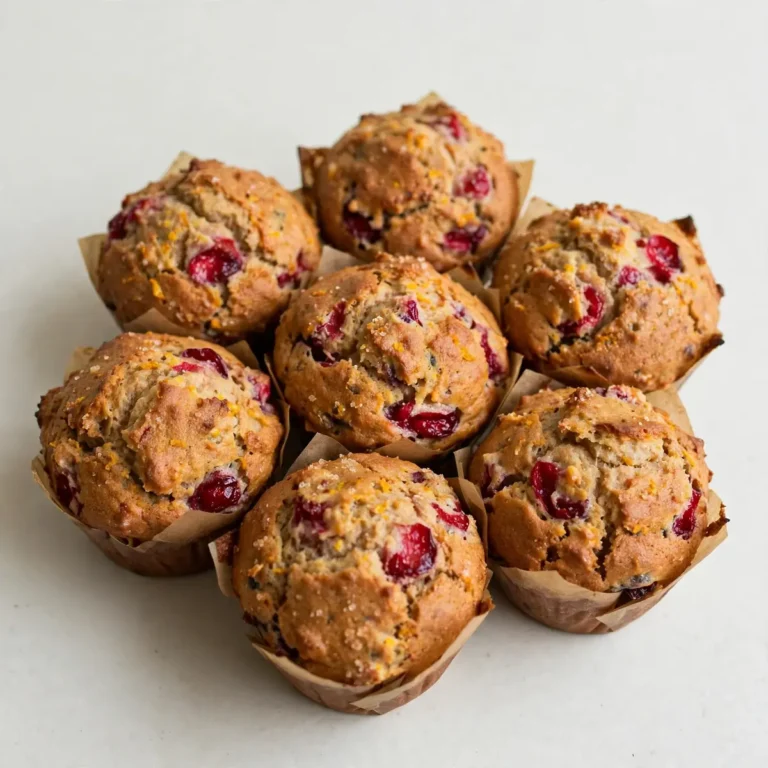
Cozy Cranberry Orange Muffins
Fresh cranberries and a generous amount of citrus zest give these cranberry orange muffins a…
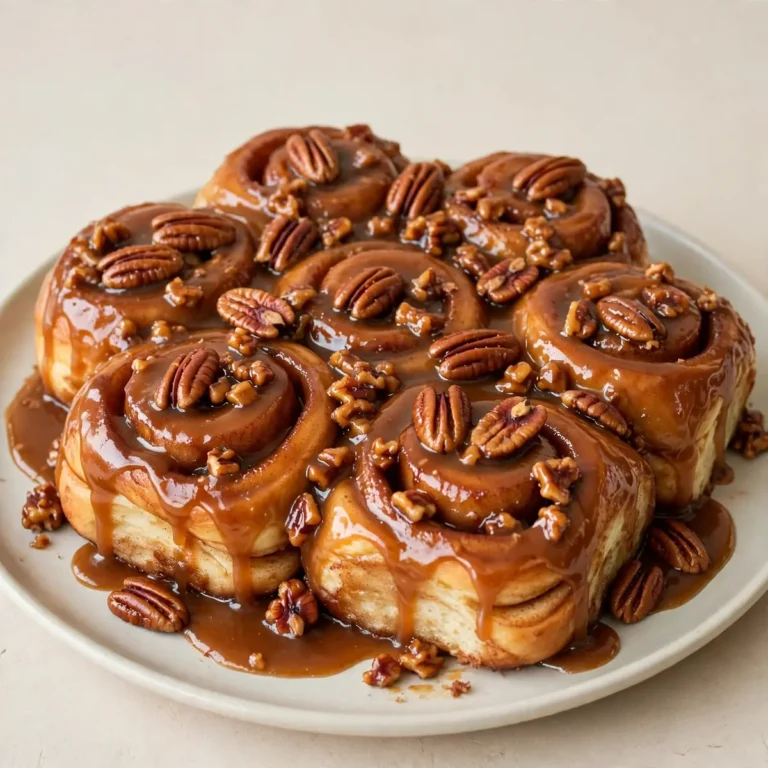
Warm & Gooey Caramel Pecan Sticky Buns
Every good sticky bun walks a fine line between a tender, yeasted dough and a…
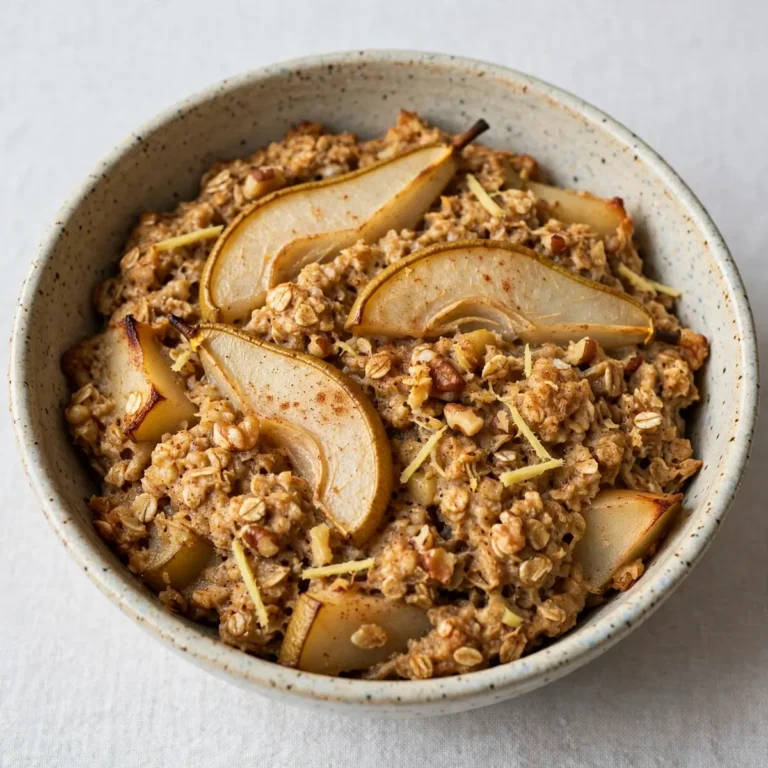
Cozy Pear Ginger Baked Oatmeal
Pear and ginger baked oatmeal brings together the gentle sweetness of ripe pears with the…
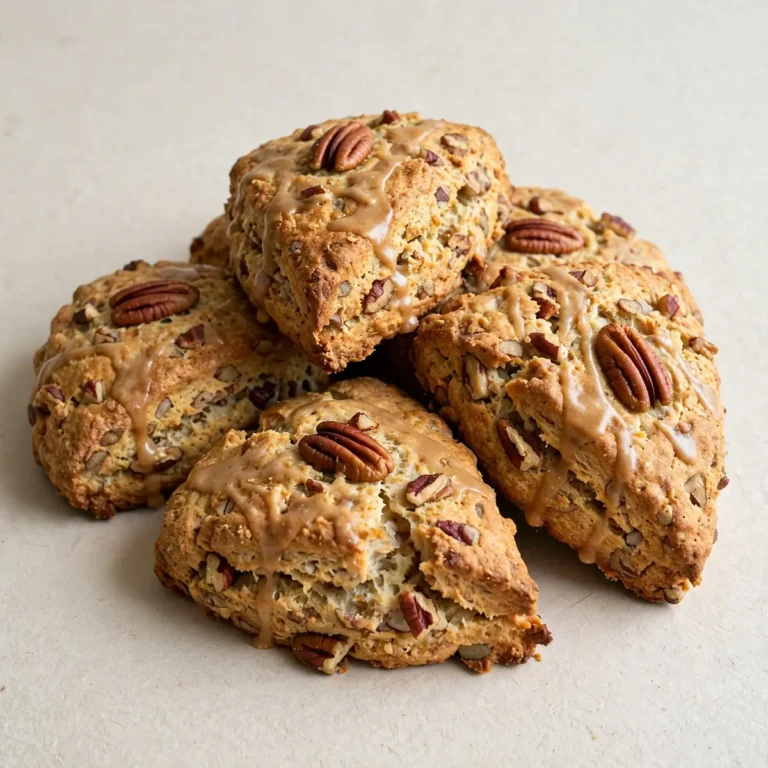
Easy Maple Pecan Scones
There is a particular moment when the maple glaze on a warm scone begins to…
Easy Slow Cooker Apple Butter with Cinnamon
There’s nothing quite like the deep, spiced sweetness of homemade apple butter, and using a…
5-Minute Strawberry Chia Breakfast Pudding
Weeknights in our house are a whirlwind of school runs, last-minute laundry and someone asking…