Upma & Dosa
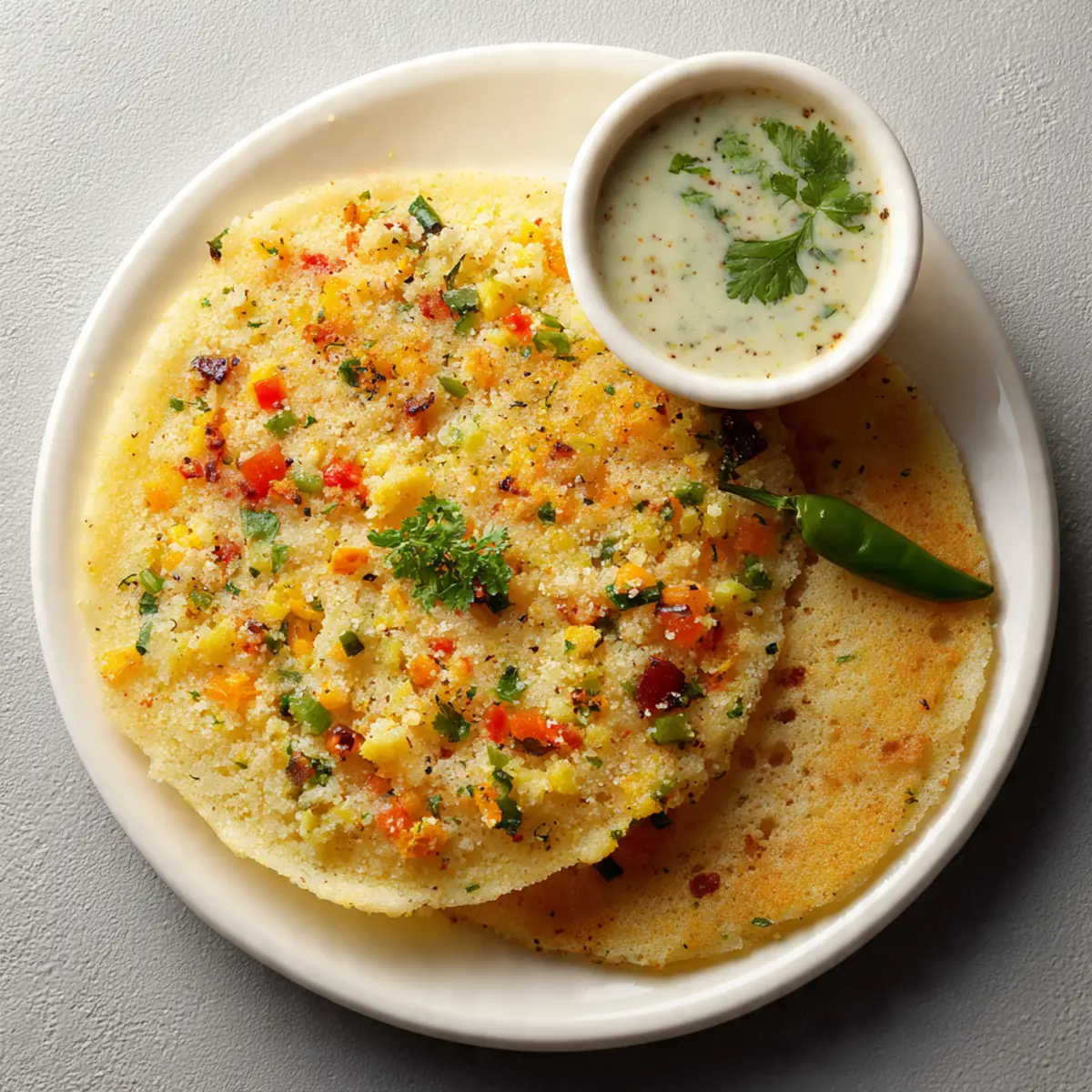
Welcome to my kitchen, where today we’re embarking on a delightful culinary journey to explore two iconic South Indian breakfast dishes: Upma and Dosa. These aren’t just meals; they’re an experience, a burst of warmth and flavour that truly sets a day right.
Recipe Overview
- Prep Time: 30 minutes (Upma); 12-18 hours (Dosa batter, mostly inactive)
- Cook Time: 25 minutes (Upma); 2-3 minutes per Dosa
- Total Time: Approximately 1 hour for Upma and immediate Dosa, plus batter fermentation
- Servings: 4-6 people
- Difficulty: Medium
Why You’ll Love This Upma & Dosa
- A Taste of Tradition: These dishes offer an authentic glimpse into the vibrant culinary heritage of South India, bringing a truly unique and satisfying flavour profile to your table.
- Versatile and Wholesome: Both Upma and Dosa are incredibly versatile. Upma can be customised with your favourite vegetables, while Dosa serves as a fantastic vehicle for various fillings and chutneys, making them wholesome and adaptable for any meal of the day.
- Nutrient-Rich Start: Packed with wholesome ingredients like semolina, lentils, and rice, these dishes provide sustained energy and essential nutrients, making them an excellent choice for a hearty breakfast or light supper.
- Engaging Culinary Experience: Preparing Dosa, especially, is a wonderfully engaging process that connects you with the food. There’s a real joy in spreading the batter and watching it transform into a crisp, golden crepe. It’s a rewarding cooking adventure!
- Family Favourite: I make this at least once a week – it’s become a family favourite, particularly on weekend mornings when we have a little more time to enjoy the cooking process and the delightful aromas filling the kitchen.
Ingredients You’ll Need
For the Dosa Batter:
- 200g Raw Rice (e.g., Sona Masuri or Idli rice)
- 60g Urad Dal (split black lentils, without skin)
- 1/2 teaspoon Fenugreek seeds (methi)
- Water for soaking and grinding
- 1 teaspoon Salt
- Vegetable oil or Ghee for cooking Dosa
For the Upma:
- 200g Rava (Bombay rava or medium semolina)
- 2 tablespoons Vegetable oil or Ghee
- 1 teaspoon Mustard seeds
- 1 teaspoon Urad dal (split black lentils)
- 1/2 teaspoon Cumin seeds
- 1 large Onion, finely chopped
- 1 small Green chilli, finely chopped (adjust to taste)
- 1 cm Ginger, grated
- A few Curry leaves
- 1 medium Carrot, finely diced
- 50g Green peas (fresh or frozen)
- 700ml Hot water
- 1 teaspoon Salt (or to taste)
- Juice of 1/2 Lemon
- Fresh Coriander leaves, chopped, for garnish
Tip: Quality ingredients make all the difference. For Dosa, using specific Idli or Dosa rice will give you the best texture, and ensure your urad dal is fresh for optimal fermentation.
How to Make Upma & Dosa
Part 1: Preparing the Dosa Batter (starts the day before)
- Soak the Ingredients: In a large bowl, combine the raw rice, urad dal, and fenugreek seeds. Rinse them thoroughly under cold running water until the water runs clear. Then, add enough fresh water to cover them by at least 2-3 inches and let them soak for 4-6 hours. You’ll notice the grains plump up significantly, becoming softer to the touch.
- Grind to a Smooth Batter: Drain the soaked ingredients and transfer them to a high-speed blender or a wet grinder. Add just enough fresh water (start with about 150ml) to help the blades move, and grind until you achieve a very smooth, creamy batter. It should be the consistency of thick pancake batter, with no discernible graininess when you rub a little between your fingers. You might hear a gentle whirring sound as the ingredients break down into a fine paste.
- Ferment the Batter: Pour the ground batter into a large, clean bowl. Add the salt and mix well with your hands – the warmth from your hand can aid fermentation. Cover the bowl loosely with a lid or a clean cloth and leave it in a warm spot in your kitchen for 12-18 hours. You’ll know it’s ready when the batter has visibly risen, becoming airy and bubbly, and you might detect a pleasant, slightly sour aroma.
Part 2: Making the Upma
- Roast the Rava: Heat 1 tablespoon of oil or ghee in a large, heavy-bottomed frying pan or skillet over medium heat. Add the rava (semolina) and dry roast it, stirring continuously, for about 5-7 minutes. It will start to turn a light golden colour and release a lovely nutty aroma. Once roasted, transfer it to a separate bowl and set aside.
- Temper the Spices: In the same pan, add the remaining 1 tablespoon of oil or ghee over medium heat. Once it shimmers, add the mustard seeds. Listen for them to splutter and pop vigorously – this indicates they are perfectly tempered. Immediately add the urad dal and cumin seeds. Stir for about 30 seconds until the urad dal turns a light golden-brown and you can smell its inviting fragrance.
- Sauté Aromatics and Vegetables: Add the chopped onion, green chilli, grated ginger, and curry leaves to the pan. Sauté for 5-7 minutes until the onions turn translucent and soft, and the kitchen is filled with their sweet and pungent aroma. Next, add the diced carrot and green peas. Cook for another 3-4 minutes, allowing the vegetables to soften slightly and their colours to brighten.
- Add Water and Seasoning: Carefully pour in the hot water. Be cautious as it will steam and bubble vigorously. Add the salt and bring the mixture to a rolling boil.
- Stir in Rava and Finish: Gradually add the roasted rava to the boiling water in a slow, steady stream, stirring continuously with a wooden spoon or spatula to prevent lumps from forming. As you stir, the mixture will thicken rapidly, absorbing the water. Reduce the heat to low, cover the pan, and let it cook for 3-5 minutes. The Upma will look fluffy and all the water will be absorbed, creating a soft, cohesive texture.
- Garnish and Serve: Remove from heat. Stir in the lemon juice and garnish generously with fresh coriander leaves. Fluff gently with a fork and serve hot.
Part 3: Cooking the Dosa
- Prepare the Pan: Heat a non-stick Dosa tawa or a heavy-bottomed frying pan over medium-high heat. To test if it’s hot enough, sprinkle a few drops of water on the surface; they should sizzle and evaporate immediately. Lightly grease the pan with a little oil or ghee, then wipe it clean with a kitchen paper towel – this creates a non-stick surface.
- Spread the Batter: Take a ladleful of Dosa batter and pour it onto the centre of the hot tawa. Working quickly, spread the batter outwards in a circular motion using the back of the ladle, creating a thin, even crepe. You’ll hear a soft sizzling sound as the batter hits the hot surface.
- Cook the Dosa: Drizzle a teaspoon of oil or ghee around the edges and over the surface of the Dosa. Cook for 1-2 minutes until the edges start to crisp up and lift slightly, and the underside turns golden brown. You’ll see the surface of the Dosa turn from wet to opaque and develop small bubbles.
- Fold and Serve: Once the Dosa is golden and crisp, gently loosen it with a spatula. You can fold it in half or roll it up. Transfer it to a plate and serve immediately. Repeat with the remaining batter, re-greasing and wiping the pan as needed for each Dosa.
Tips From My Kitchen
- For the Dosa Batter, don’t rush the fermentation: Patience is key here. The 12-18 hours allows the beneficial bacteria to work their magic, producing lactic acid that gives Dosa its characteristic tangy flavour and light, airy texture. Rushing it will result in dense, flat Dosas that lack that essential tang. If your kitchen is cool, you can place the bowl in a slightly warm oven (turned off) or near a radiator to encourage fermentation.
- Achieve the Perfect Dosa Spread: The key to a thin, crispy Dosa is a hot pan and a quick, even spread. If the pan isn’t hot enough, the batter will stick or spread unevenly. If it’s too hot, the batter will set too quickly before you can spread it. Always do a quick water sprinkle test. The initial greasing and wiping with an onion half (a traditional tip!) or a paper towel helps create a truly non-stick surface, allowing the batter to glide smoothly.
- Roast Your Rava for Upma Properly: Don’t skip this step! Dry roasting the rava for Upma until it’s fragrant and lightly golden prevents it from becoming sticky or lumpy when cooked. It also enhances the nutty flavour of the Upma and ensures a beautiful, fluffy texture. An under-roasted rava will result in a pasty Upma, while over-roasted rava can taste burnt.
- Hot Water for Upma is Crucial: When adding water to the Upma, always use hot water. Adding cold water can cause the rava to clump up and slow down the cooking process, leading to a less uniform and pleasant texture. Hot water ensures the rava cooks evenly and quickly, absorbing the liquid to create a smooth, fluffy dish.
- Don’t Overcrowd Your Upma Pan: When sautéing vegetables for the Upma, ensure your pan is large enough to comfortably hold everything. Overcrowding reduces the pan’s temperature, causing vegetables to steam rather than sauté. This means they won’t brown properly or develop their full flavour, leading to a less aromatic and vibrant Upma. Cook in batches if necessary, but ideally, use a wide, shallow pan.
Equipment You’ll Need
- Large frying pan or skillet (for Upma)
- Dosa tawa or flat non-stick pan (for Dosa)
- Sharp knife and cutting board
- Mixing bowls (several for soaking and batter)
- High-speed blender or wet grinder (for Dosa batter)
- Wooden spoon or spatula
- Ladle
Common Mistakes to Avoid
- Overcrowding the pan (Upma vegetables): When sautéing the onions and other vegetables for Upma, ensure there’s enough space in the pan. If you overcrowd it, the vegetables will steam instead of caramelising, leading to a less flavourful base. To avoid this, use a wide pan or cook your vegetables in two smaller batches if necessary.
- Wrong temperature (Dosa tawa): A Dosa tawa that isn’t at the right temperature will cause the batter to stick or cook unevenly. If it’s too cold, the Dosa will be soggy; if too hot, it will burn before it’s fully cooked. Always test with a few drops of water – they should sizzle and evaporate instantly, indicating the perfect medium-high heat.
- Skipping the rest time (Dosa batter): The fermentation period for Dosa batter is not just a suggestion; it’s vital. This rest time allows the yeast and bacteria to break down starches, creating the characteristic tangy flavour and light, airy texture of a well-made Dosa. Skipping or shortening this time will result in dense, flavourless Dosas that are difficult to spread and cook properly.
Delicious Variations to Try
- Spicy Version: To add more heat, increase the amount of green chillies in the Upma, or finely chop a small red chilli and add it during the tempering stage. For Dosa, you can spread a thin layer of red chilli-garlic chutney (like a Mysore Masala Dosa) on the batter as it cooks on the tawa.
- Vegetarian/Vegan Option: Both Upma and Dosa are naturally vegetarian. For a vegan option, simply substitute ghee with a neutral vegetable oil (like sunflower or rapeseed oil) in both recipes. The Upma can also be made with a variety of vegetables such as chopped green beans, bell peppers, or even mushrooms.
- Different Protein: While traditionally not included in these dishes, you could add a subtle protein boost to your Upma. Small pieces of cooked paneer or firm tofu, lightly fried and stirred in at the end, would complement the flavours well. For a more adventurous Dosa filling, consider a spiced potato and pea mixture, or even a ground beef and rice recipe skillet filling for a more substantial meal.
What to Serve With Upma & Dosa
- Coconut Chutney
- Tomato Chutney
- Sambar (a lentil and vegetable stew)
- Ghee or a dollop of plain yoghurt
- A cup of filter coffee
Frequently Asked Questions
Upma & Dosa
Ingredients
Method
-
Soak the Ingredients: In a large bowl, combine the raw rice, urad dal, and fenugreek seeds. Rinse them thoroughly under cold running water until the water runs clear. Then, add enough fresh water to cover them by at least 2-3 inches and let them soak for 4-6 hours. You’ll notice the grains plump up significantly, becoming softer to the touch.
-
Grind to a Smooth Batter: Drain the soaked ingredients and transfer them to a high-speed blender or a wet grinder. Add just enough fresh water (start with about 150ml) to help the blades move, and grind until you achieve a very smooth, creamy batter. It should be the consistency of thick pancake batter, with no discernible graininess when you rub a little between your fingers. You might hear a gentle whirring sound as the ingredients break down into a fine paste.
-
Ferment the Batter: Pour the ground batter into a large, clean bowl. Add the salt and mix well with your hands – the warmth from your hand can aid fermentation. Cover the bowl loosely with a lid or a clean cloth and leave it in a warm spot in your kitchen for 12-18 hours. You’ll know it’s ready when the batter has visibly risen, becoming airy and bubbly, and you might detect a pleasant, slightly sour aroma.
Notes
There you have it – a comprehensive guide to bringing the delightful flavours of Upma and Dosa into your home. These dishes truly embody the warmth and richness of South Indian cuisine, and I hope you enjoy making and sharing them as much as I do. Do let me know in the comments below which part of the process you enjoyed the most, or if you have any secret family tips for making these breakfast staples even more special!