Best Omelette Recipe
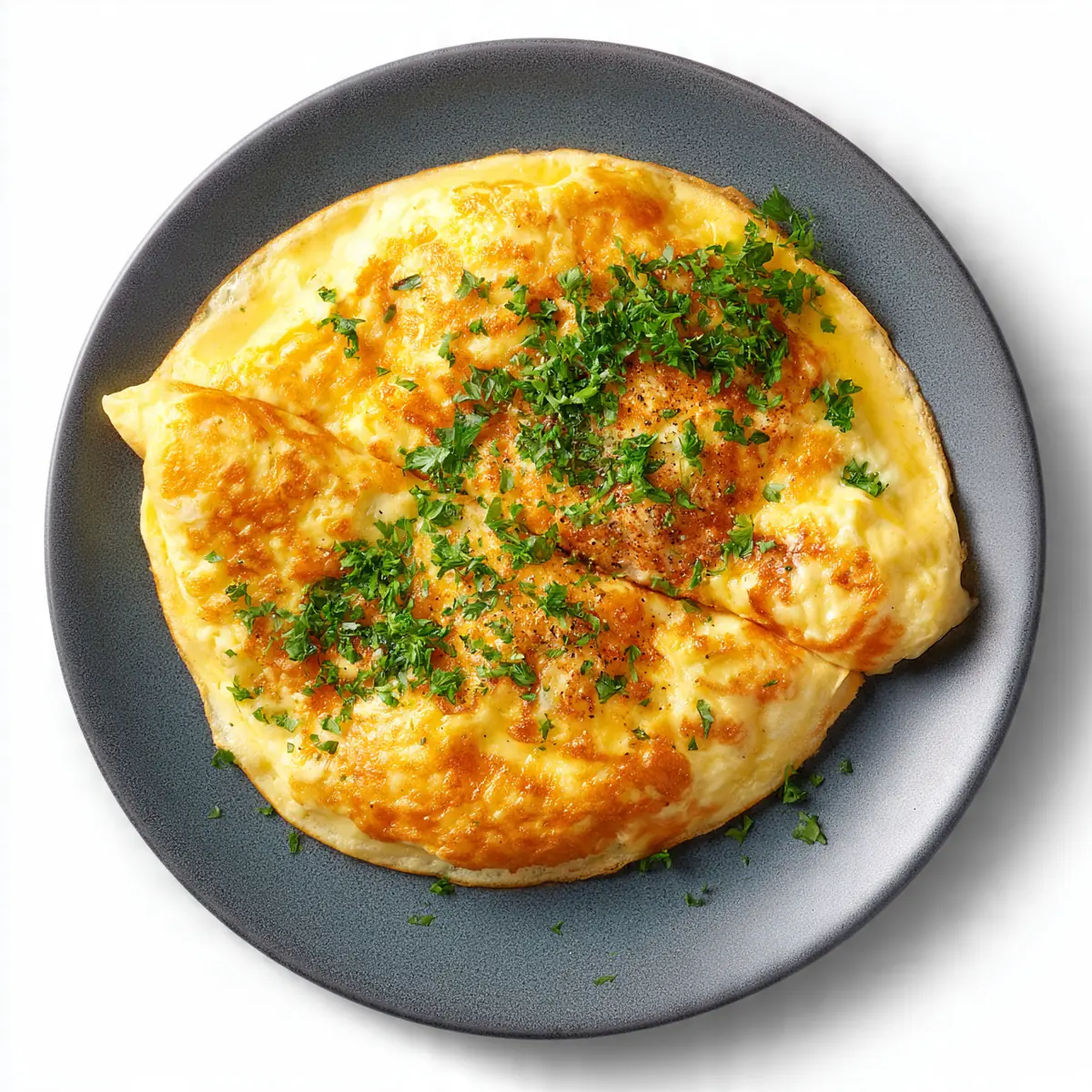
I still remember the first time I attempted a restaurant-worthy omelette for guests. It arrived at the table looking less like a golden envelope of silky eggs and more like a scramble that had been in a fight. The filling oozed out from every side, the colour was a pale, unappealing yellow, and the texture was rubbery. My friends were kind, but I knew I could do better. After testing this recipe five times, I finally got it just right. This is my go-to recipe when I need something quick but impressive, and it transforms humble eggs into the star of a dinner party. Let me show you exactly how to make an omelette that looks and tastes like it came from a top London brasserie.
Recipe Overview
- Prep Time: 10 minutes
- Cook Time: 5 minutes
- Total Time: 15 minutes
- Servings: 1 generous omelette (easily doubled)
- Difficulty: Medium
Why You’ll Love This Best Omelette Recipe
- Restaurant-Quality Presentation: This recipe focuses on the tight roll, the glossy exterior, and the perfectly even browning that makes a plate look like it came from a professional kitchen.
- Silky, Not Rubbery Texture: We use a specific technique of low heat and constant movement to create an omelette that is tender and custard-like, not tough or dry.
- Foolproof Filling Seal: No more leaking fillings. The method here ensures the egg envelope is sealed properly, keeping your cheese and vegetables neatly contained inside.
- Customisable for Any Guest: This base recipe is a blank canvas. You can tailor the filling to suit dietary needs or flavour preferences without losing the perfect texture.
- Impressive Without Stress: The entire process takes under fifteen minutes, meaning you can prepare this dish while your guests are seated, making it a theatrical and impressive addition to your hosting repertoire.
Ingredients You’ll Need
- 3 large free-range eggs (at room temperature)
- 1 tablespoon unsalted butter (plus a little extra for the pan)
- 1 tablespoon whole milk
- Sea salt and freshly ground black pepper (to taste)
- 30g mature cheddar cheese, finely grated
- 1 small handful fresh chives, finely chopped
- 1 small handful fresh parsley, finely chopped
- ¼ red bell pepper, deseeded and finely diced
- 50g chestnut mushrooms, thinly sliced
- 1 teaspoon olive oil
- 20g rocket or watercress (for garnish)
- Lemon juice (a squeeze, for the garnish)
Tip: Using room-temperature eggs is crucial. Cold eggs straight from the fridge will cook unevenly, leading to a tough, curdled texture rather than the smooth, silky result we are aiming for.
How to Make Best Omelette Recipe
- Prepare the filling: Heat the olive oil in a small pan over a medium heat. Add the sliced mushrooms and diced red pepper. Sauté for 3-4 minutes, stirring occasionally, until the mushrooms are soft and have released their moisture (you will see the pan become less steamy and the mushrooms will take on a light golden colour on their edges). Remove from the heat and set aside to cool slightly.
- Whisk the eggs: Crack the three eggs into a mixing bowl. Add the milk, a generous pinch of sea salt, and a few grinds of black pepper. Whisk vigorously for a full 45 seconds using a fork or a balloon whisk. You are looking for a uniform, pale yellow liquid with a slightly frothy surface. The mixture should run off the whisk in a smooth, consistent stream without any stringy white bits attached.
- Heat the pan: Place a 20cm non-stick frying pan over a medium-low heat. Add the unsalted butter. Swirl the pan gently as the butter melts. You want it to foam and then settle into a quiet, gentle sizzle. The butter should smell nutty and turn a very light golden brown, but it must not smoke or turn dark brown. This should take about 30-40 seconds.
- Pour and cook the base: Pour the whisked eggs into the centre of the pan. Do not stir immediately. Let the eggs sit for 5 seconds, then use a silicone spatula to gently push the cooked edges towards the centre, tilting the pan so the raw egg runs into the gaps. Repeat this motion for about 45 seconds to 1 minute. The eggs should be mostly set but still look very soft and glossy on top, like a thick custard that jiggles slightly when you shake the pan.
- Add the filling: Sprinkle the grated cheddar cheese down the centre third of the omelette, leaving a 2cm gap at the top and bottom. Spoon the sautéed mushrooms and peppers over the cheese. Scatter the chopped chives and parsley on top of the vegetables.
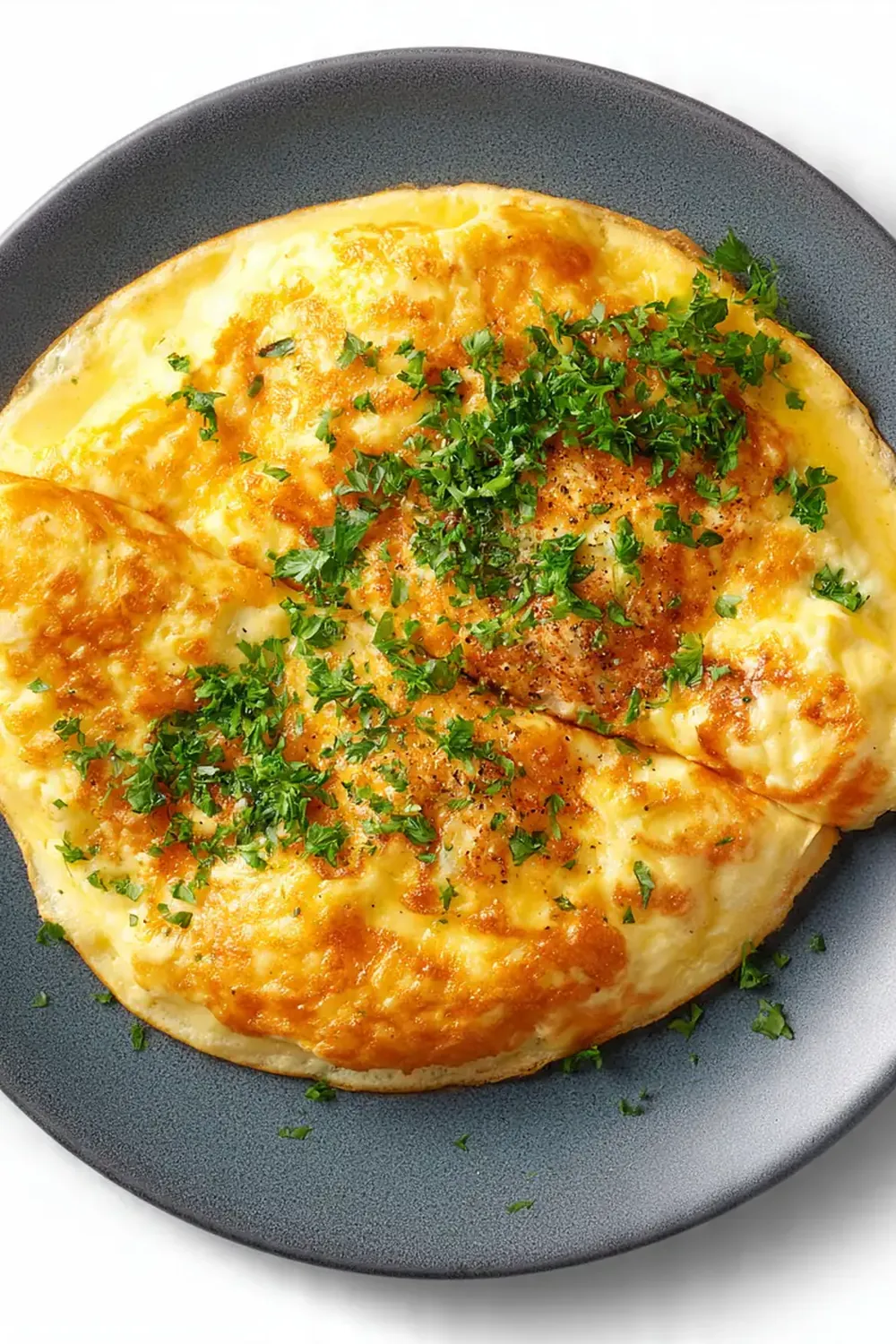
- Fold the omelette: Using your spatula, carefully lift one side of the omelette and fold it over the filling. Gently slide the spatula under the other side and fold it over the first fold, creating a neat, tight cylinder. The seam should be on the bottom. The omelette should look plump and golden, with the cheese just starting to melt and ooze slightly from the ends.
- Roll onto the plate: Tilt the pan over your serving plate. Using the spatula to guide it, gently roll the omelette seam-side down onto the plate. The surface should be glossy, unbroken, and a uniform golden yellow. You should hear a faint, soft sizzle as it settles onto the warm plate.
- Garnish and serve: Immediately scatter the fresh rocket or watercress alongside the omelette. Squeeze a tiny amount of lemon juice over the greens. Finish with a final crack of black pepper over the top of the omelette. Serve at once, while the centre is still wonderfully soft and the cheese is molten.
Tips From My Kitchen
- Low heat is non-negotiable: A high heat will set the eggs too quickly, turning them brown and rubbery on the outside while leaving the inside raw. A medium-low heat allows the proteins to coagulate slowly, creating that silky, tender texture. If your pan is smoking, the heat is far too high.
- Whisk until your arm is tired: Whisking isn’t just about combining the yolk and white; it’s about incorporating air. The tiny bubbles you create expand during cooking, giving the omelette a light, airy structure. A full 45 seconds of vigorous whisking is the minimum. You should see a noticeable increase in volume.
- Use the right pan size: A 20cm pan is the ideal diameter for a 3-egg omelette. A pan that is too large will cause the egg to spread too thinly and cook too fast, resulting in a dry, crepe-like texture. A pan that is too small will make the omelette too thick and difficult to fold.
- Let the filling cool: Adding hot, steaming vegetables to your soft eggs will cause them to overcook and become rubbery. The residual heat from the eggs and the pan will be more than enough to warm the filling through. Let your sautéed mushrooms and peppers sit for a couple of minutes before adding them.
- Don’t overfill: It is very tempting to pile in the ingredients, but a stuffed omelette is impossible to roll neatly. Stick to about 50-60g of filling total. The beauty of this dish is the balance between the delicate egg and the savoury filling.
- Grate your own cheese: Pre-shredded cheese is coated in starch and anti-caking agents, which stop it from melting smoothly. Grating a block of cheddar yourself ensures a creamy, cohesive melt that binds the filling together beautifully.
Equipment You’ll Need
- 20cm non-stick frying pan with sloped sides
- Silicone spatula or wooden spatula
- Large mixing bowl
- Balloon whisk or fork
- Sharp knife and cutting board
- Small sauté pan (for the filling)
Delicious Variations to Try
- Spicy Version: Add a finely chopped bird’s eye chilli to the eggs before whisking. For the filling, swap the cheddar for a crumbly feta cheese and add a spoonful of roasted red pepper paste. The heat from the chilli cuts through the richness of the eggs beautifully.
- Vegetarian/Vegan Option: For a vegetarian version, load the omelette with wilted spinach, sautéed courgette, and a soft goat’s cheese. For a vegan option, use a good-quality silken tofu blended with black salt (kala namak) for an eggy flavour, and follow the same cooking technique with a generous amount of plant-based butter.
- Different Protein: Diced, cooked chicken thigh or shredded roast beef works wonderfully. Simply warm the protein through in the pan before adding it to the omelette. A tablespoon of fresh thyme or rosemary pairs perfectly with the meat, giving the dish a hearty, winter-warmer feel.
What to Serve With Best Omelette Recipe
- A simple side salad of mixed leaves with a sharp vinaigrette.
- Thick slices of sourdough toast, lightly buttered.
- Oven-roasted cherry tomatoes on the vine, drizzled with balsamic vinegar.
- A glass of sparkling water with a slice of lemon to cleanse the palate.
Frequently Asked Questions
Best Omelette Recipe
Ingredients
Method
- Prepare the filling: Heat the olive oil in a small pan over a medium heat. Add the sliced mushrooms and diced red pepper. Sauté for 3-4 minutes, stirring occasionally, until the mushrooms are soft and have released their moisture (you will see the pan become less steamy and the mushrooms will take on a light golden colour on their edges). Remove from the heat and set aside to cool slightly.
- Whisk the eggs: Crack the three eggs into a mixing bowl. Add the milk, a generous pinch of sea salt, and a few grinds of black pepper. Whisk vigorously for a full 45 seconds using a fork or a balloon whisk. You are looking for a uniform, pale yellow liquid with a slightly frothy surface. The mixture should run off the whisk in a smooth, consistent stream without any stringy white bits attached.
- Heat the pan: Place a 20cm non-stick frying pan over a medium-low heat. Add the unsalted butter. Swirl the pan gently as the butter melts. You want it to foam and then settle into a quiet, gentle sizzle. The butter should smell nutty and turn a very light golden brown, but it must not smoke or turn dark brown. This should take about 30-40 seconds.
- Pour and cook the base: Pour the whisked eggs into the centre of the pan. Do not stir immediately. Let the eggs sit for 5 seconds, then use a silicone spatula to gently push the cooked edges towards the centre, tilting the pan so the raw egg runs into the gaps. Repeat this motion for about 45 seconds to 1 minute. The eggs should be mostly set but still look very soft and glossy on top, like a thick custard that jiggles slightly when you shake the pan.
- Add the filling: Sprinkle the grated cheddar cheese down the centre third of the omelette, leaving a 2cm gap at the top and bottom. Spoon the sautéed mushrooms and peppers over the cheese. Scatter the chopped chives and parsley on top of the vegetables.
- Fold the omelette: Using your spatula, carefully lift one side of the omelette and fold it over the filling. Gently slide the spatula under the other side and fold it over the first fold, creating a neat, tight cylinder. The seam should be on the bottom. The omelette should look plump and golden, with the cheese just starting to melt and ooze slightly from the ends.
- Roll onto the plate: Tilt the pan over your serving plate. Using the spatula to guide it, gently roll the omelette seam-side down onto the plate. The surface should be glossy, unbroken, and a uniform golden yellow. You should hear a faint, soft sizzle as it settles onto the warm plate.
- Garnish and serve: Immediately scatter the fresh rocket or watercress alongside the omelette. Squeeze a tiny amount of lemon juice over the greens. Finish with a final crack of black pepper over the top of the omelette. Serve at once, while the centre is still wonderfully soft and the cheese is molten.
Notes
I hope this guide gives you the confidence to serve an omelette that truly wows your guests. It’s a dish that proves cooking doesn’t need to be complicated to be spectacular. If you give this recipe a try, I would genuinely love to hear how it turns out. Leave a comment below and let me know what filling you chose — and don’t forget to check out our Airline Chicken Recipe Pan Seared or our Crispy Chicken Katsu Recipe Fried for more impressive dishes that are perfect for entertaining.