Perfect Hollandaise Sauce Recipe
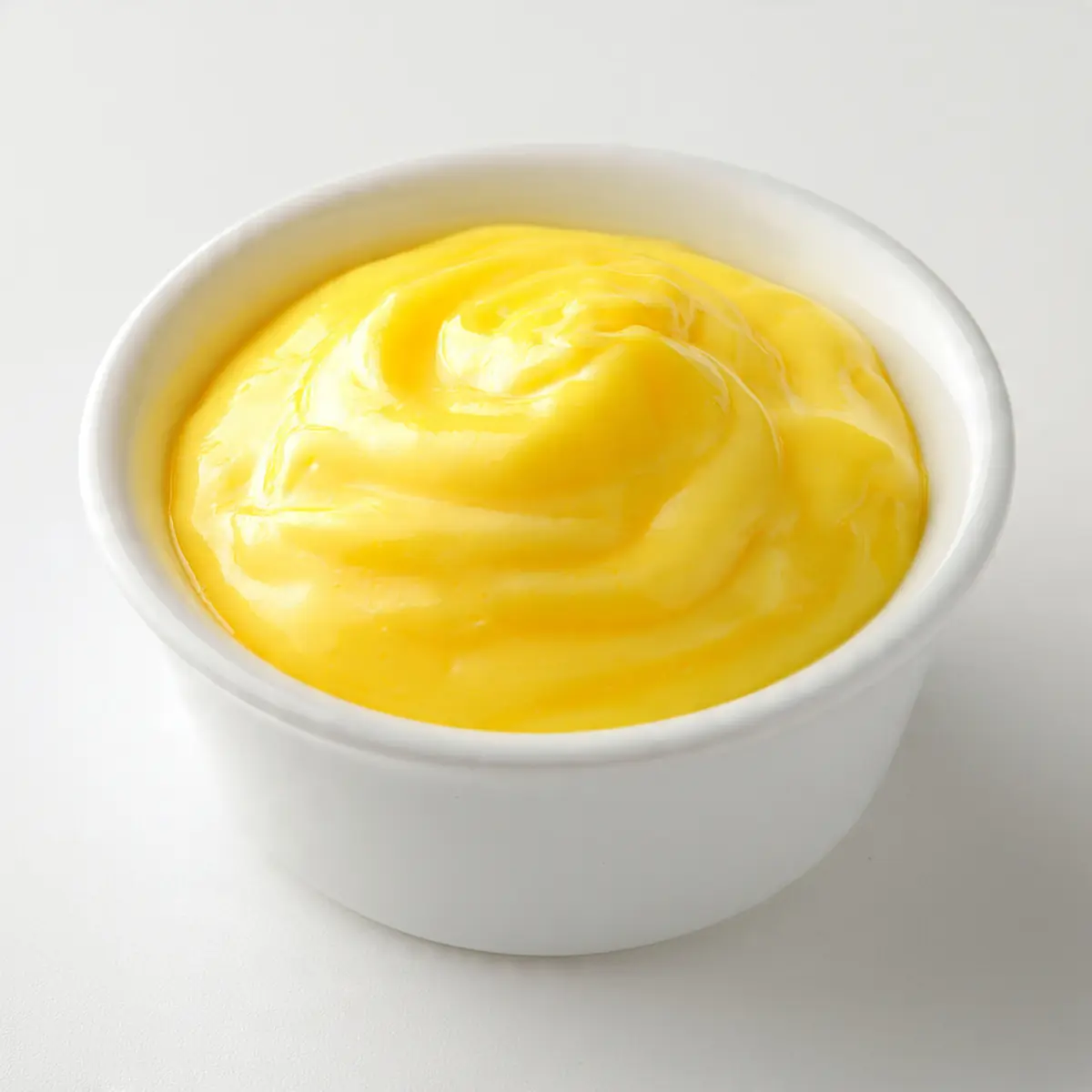
There’s a particular kind of magic that happens when you pour a silky, golden Hollandaise sauce over perfectly poached eggs. I remember the first time I attempted it for a Sunday brunch with friends; I ended up with a grainy, scrambled mess that looked more like breakfast cereal than a luxurious sauce. It was a humbling disaster. But after weeks of practice, I cracked the code, and now I make this at least once a week – it’s become a family favourite, especially when we want to turn a simple meal into something truly special.
Recipe Overview
- Prep Time: 5 minutes
- Cook Time: 10 minutes
- Total Time: 15 minutes
- Servings: 4 (approximately 200ml)
- Difficulty: Medium
Why You’ll Love This Perfect Hollandaise Sauce Recipe
- Restaurant-Quality at Home: This recipe focuses on the small details—the right temperature, the perfect whisking rhythm—that transform a simple sauce into a show-stopping, glossy emulsion that will impress any guest.
- Unshakeable Emulsion: I used to struggle with this dish until I discovered the technique of starting with a cold butter cube. It stabilises the sauce from the very first drop, preventing that dreaded split.
- Bright, Balanced Flavour: The sharpness of fresh lemon juice and a whisper of cayenne pepper cut through the richness of the butter, creating a sauce that feels light and elegant, not heavy.
- Incredible Versatility: While it’s a classic for eggs Benedict, this sauce is equally stunning draped over steamed asparagus, grilled fish, or a tender stack of potato rosti. It elevates any dish it touches.
- Done in 15 Minutes: This isn’t a project for a lazy afternoon; it’s a quick, impactful addition to your cooking repertoire that delivers maximum flavour with minimal hands-on time.
Ingredients You’ll Need
- 3 large egg yolks
- 1 tablespoon fresh lemon juice (about half a lemon)
- 1 tablespoon cold water
- 125g unsalted butter, cut into small cubes
- ¼ teaspoon fine sea salt
- A pinch of cayenne pepper
- A pinch of white pepper (optional, for a cleaner look)
Tip: For the most vibrant colour and richest flavour, use free-range, organic eggs with deep orange yolks. The quality of your butter is also paramount—use a good, unsalted European-style butter for a creamier, more luxurious result.
How to Make Perfect Hollandaise Sauce Recipe
- Prepare your double boiler: Fill a small saucepan with about 5cm of water and bring it to a gentle simmer over medium heat. You want small, lazy bubbles rising to the surface—a vigorous boil is too harsh and will scramble your eggs. Place a heatproof glass bowl over the saucepan, ensuring the bottom of the bowl does not touch the water. The steam will gently cook the yolks.
- Whisk the yolks and acid: Add the egg yolks, lemon juice, and cold water to the bowl. Whisk immediately and continuously until the mixture becomes pale, thick, and frothy. You’ll see it increase in volume and lighten to a creamy, lemon-yellow colour. This should take about 1-2 minutes. The sound will change from a sloshing liquid to a thicker, more cohesive whisking sound.
- Add the cold butter cube: Drop in one single, cold cube of butter. Whisk until it is fully melted and incorporated. This initial cold cube is the secret—it helps stabilise the emulsion and prevents the yolks from cooking too quickly. The mixture will look smooth and glossy.
- Add the remaining butter, cube by cube: Continue adding the remaining butter cubes one at a time, whisking constantly. Wait until each cube is almost completely melted and incorporated before adding the next. The sauce will slowly thicken and become a luscious, pourable consistency. You’ll feel the whisking become slightly heavier as the sauce emulsifies.
- Check for the ribbon stage: After all the butter is incorporated, continue whisking for another 30-60 seconds. The sauce should be thick enough to coat the back of a spoon. When you lift the whisk, the sauce should fall back into the bowl in a thick, smooth ribbon that slowly blends back into the sauce. The colour will be a brilliant, buttery yellow.
- Season and finish: Remove the bowl from the heat. Whisk in the fine sea salt and a tiny pinch of cayenne pepper. Taste and adjust the seasoning, adding a little more lemon juice if you prefer a sharper tang. The sauce should be warm, silky, and fragrant with butter.
- Serve immediately: Hollandaise is best enjoyed straight away. If you need to hold it for a few minutes, place the bowl over the warm (but turned-off) water and stir occasionally. Do not reheat it directly, or it will split.
Tips From My Kitchen
- The Temperature is Everything: The single most common reason for a split sauce is heat that is too high. The steam from your simmering water should be gentle, not forceful. If the bowl feels hot to the touch at any point, lift it off the heat immediately and whisk vigorously to cool it down before returning it to the steam. Think of it as a gentle bath for your yolks, not a hot tub.
- Patience with the Butter: Adding the butter one cube at a time isn’t a fussy chef’s trick; it’s a chemical necessity. Each cube is a tiny dose of fat that your yolks can fully absorb. If you dump in all the butter at once, the emulsion becomes overwhelmed and will separate into a greasy mess. Listen to the whisk—it should sound smooth and consistent, not watery.
- Rescue a Splitting Sauce: Don’t panic if you see the sauce start to look grainy or thin. Immediately remove the bowl from the heat and whisk in a tablespoon of cold water. The cool liquid will shock the emulsion back together. If that doesn’t work, start a new yolk in a clean bowl and slowly whisk your broken sauce into the fresh yolk. It’s a classic chef’s rescue trick that works every time.
- Use the Freshest Eggs: The lecithin in the egg yolk is the primary emulsifier. Fresher eggs have stronger, more resilient yolks that are less likely to break. If your eggs are a bit older, the sauce will be less stable. For the best results, use eggs that are no more than a week old.
- The Lemon Juice is Your Friend: Lemon juice does more than just add flavour. Its acidity helps to stabilise the egg proteins, making them less likely to scramble and more likely to form a strong, creamy emulsion. Don’t be tempted to skip it or reduce the amount—it’s a crucial structural component, not just a seasoning.
Equipment You’ll Need
- A small saucepan for the water bath
- A heatproof glass or stainless steel mixing bowl
- A balloon whisk (preferably metal or silicone)
- A sharp knife and cutting board
- A small measuring jug
- A rubber spatula
Delicious Variations to Try
- Spicy Chipotle Hollandaise: For a smoky, earthy heat, whisk a teaspoon of finely minced chipotle peppers in adobo sauce into the finished sauce. This is fantastic over grilled chicken or a simple fried egg on toast. The smokiness adds a wonderful depth of flavour.
- Herb-Infused Hollandaise: Gently warm a few sprigs of fresh tarragon or chervil in the melted butter before you begin the emulsion. Strain out the herbs before adding the butter to the yolks. This infuses the sauce with a delicate, anise-like flavour that pairs beautifully with fish, like a piece of pan-seared salmon.
- Classic Béarnaise Sauce: This is a close cousin to Hollandaise. Before you start, simmer a tablespoon of white wine vinegar with a finely chopped shallot and some fresh tarragon until it reduces to a syrup. Strain this reduction into your egg yolks instead of the lemon juice and water. It’s the definitive sauce for a perfectly cooked steak.
What to Serve With Perfect Hollandaise Sauce Recipe
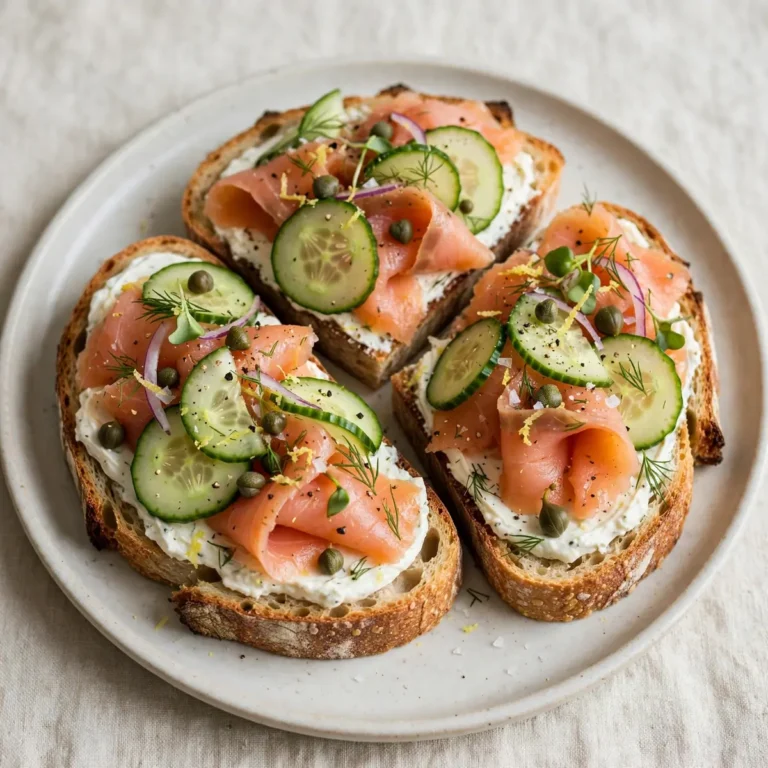
- Classic Eggs Benedict on a toasted English muffin with smoked salmon or ham (a classic for a reason).
- Steamed or roasted asparagus spears for a simple, elegant side dish.
- Grilled or pan-seared fish, such as halibut or cod, for a rich, buttery finish.
- A tender, perfectly cooked steak for a decadent dinner.
- Over a pile of crispy, golden Crispy Chicken Katsu Recipe Fried for an unexpected and utterly delicious fusion dish.
Frequently Asked Questions
Perfect Hollandaise Sauce Recipe
Ingredients
Method
- Prepare your double boiler: Fill a small saucepan with about 5cm of water and bring it to a gentle simmer over medium heat. You want small, lazy bubbles rising to the surface—a vigorous boil is too harsh and will scramble your eggs. Place a heatproof glass bowl over the saucepan, ensuring the bottom of the bowl does not touch the water. The steam will gently cook the yolks.
- Whisk the yolks and acid: Add the egg yolks, lemon juice, and cold water to the bowl. Whisk immediately and continuously until the mixture becomes pale, thick, and frothy. You'll see it increase in volume and lighten to a creamy, lemon-yellow colour. This should take about 1-2 minutes. The sound will change from a sloshing liquid to a thicker, more cohesive whisking sound.
- Add the cold butter cube: Drop in one single, cold cube of butter. Whisk until it is fully melted and incorporated. This initial cold cube is the secret—it helps stabilise the emulsion and prevents the yolks from cooking too quickly. The mixture will look smooth and glossy.
- Add the remaining butter, cube by cube: Continue adding the remaining butter cubes one at a time, whisking constantly. Wait until each cube is almost completely melted and incorporated before adding the next. The sauce will slowly thicken and become a luscious, pourable consistency. You'll feel the whisking become slightly heavier as the sauce emulsifies.
- Check for the ribbon stage: After all the butter is incorporated, continue whisking for another 30-60 seconds. The sauce should be thick enough to coat the back of a spoon. When you lift the whisk, the sauce should fall back into the bowl in a thick, smooth ribbon that slowly blends back into the sauce. The colour will be a brilliant, buttery yellow.
- Season and finish: Remove the bowl from the heat. Whisk in the fine sea salt and a tiny pinch of cayenne pepper. Taste and adjust the seasoning, adding a little more lemon juice if you prefer a sharper tang. The sauce should be warm, silky, and fragrant with butter.
- Serve immediately: Hollandaise is best enjoyed straight away. If you need to hold it for a few minutes, place the bowl over the warm (but turned-off) water and stir occasionally. Do not reheat it directly, or it will split.
Notes
And there you have it—a foolproof, restaurant-quality Hollandaise sauce that will make any meal feel like a celebration. I remember the first time I nailed this sauce for a dinner party; the silence at the table was broken only by quiet moans of appreciation. That’s the power of a perfect emulsion. Whether you’re drizzling it over a stack of Grilled Lamb Chops Recipe Tender or spooning it over a simple Sweet Potato Muffins Recipe Moist (trust me on that sweet-savoury combo!), I’d love to hear how you get on. Please share your experiences and any questions you have in the comments below!