Delicious Greek Salad Recipe
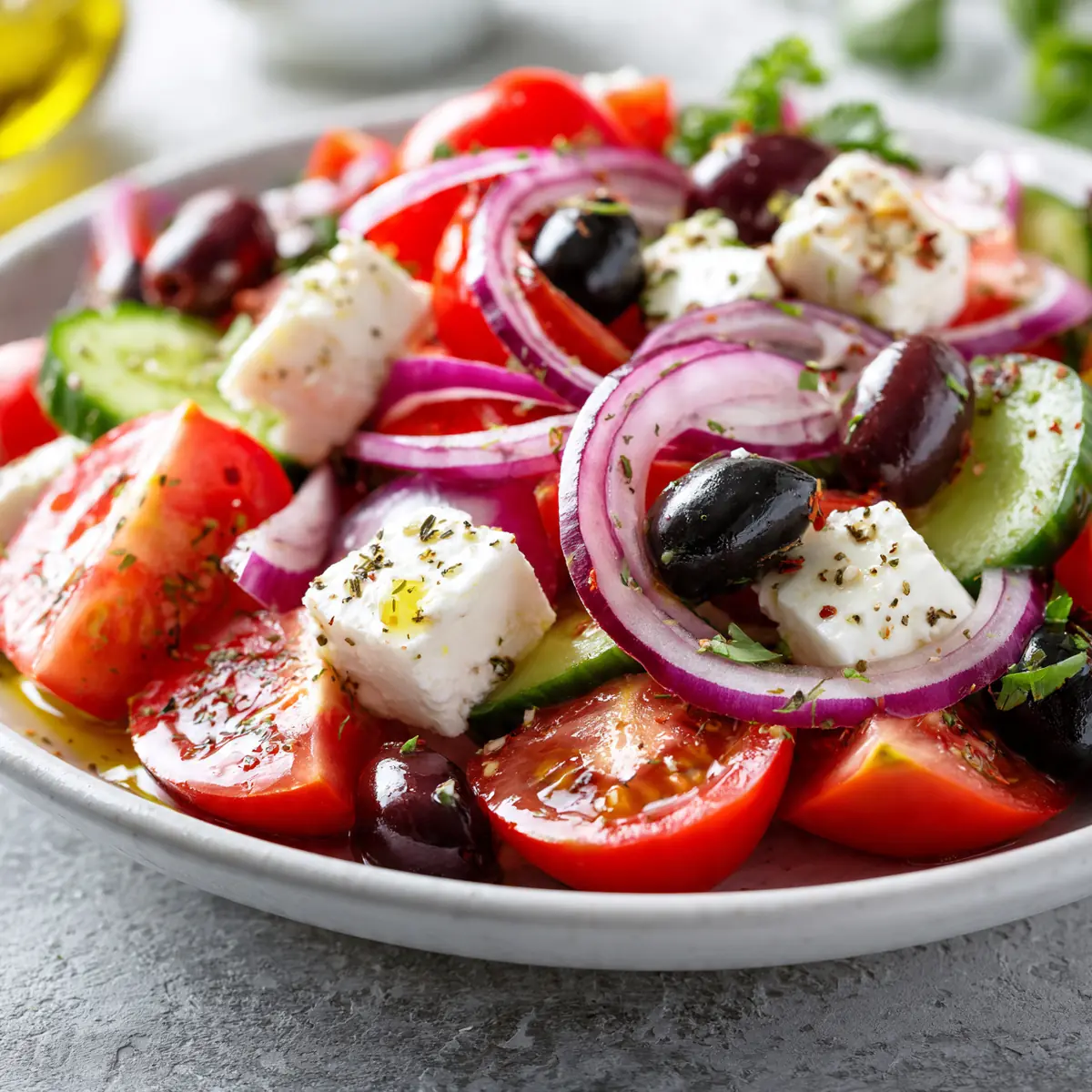
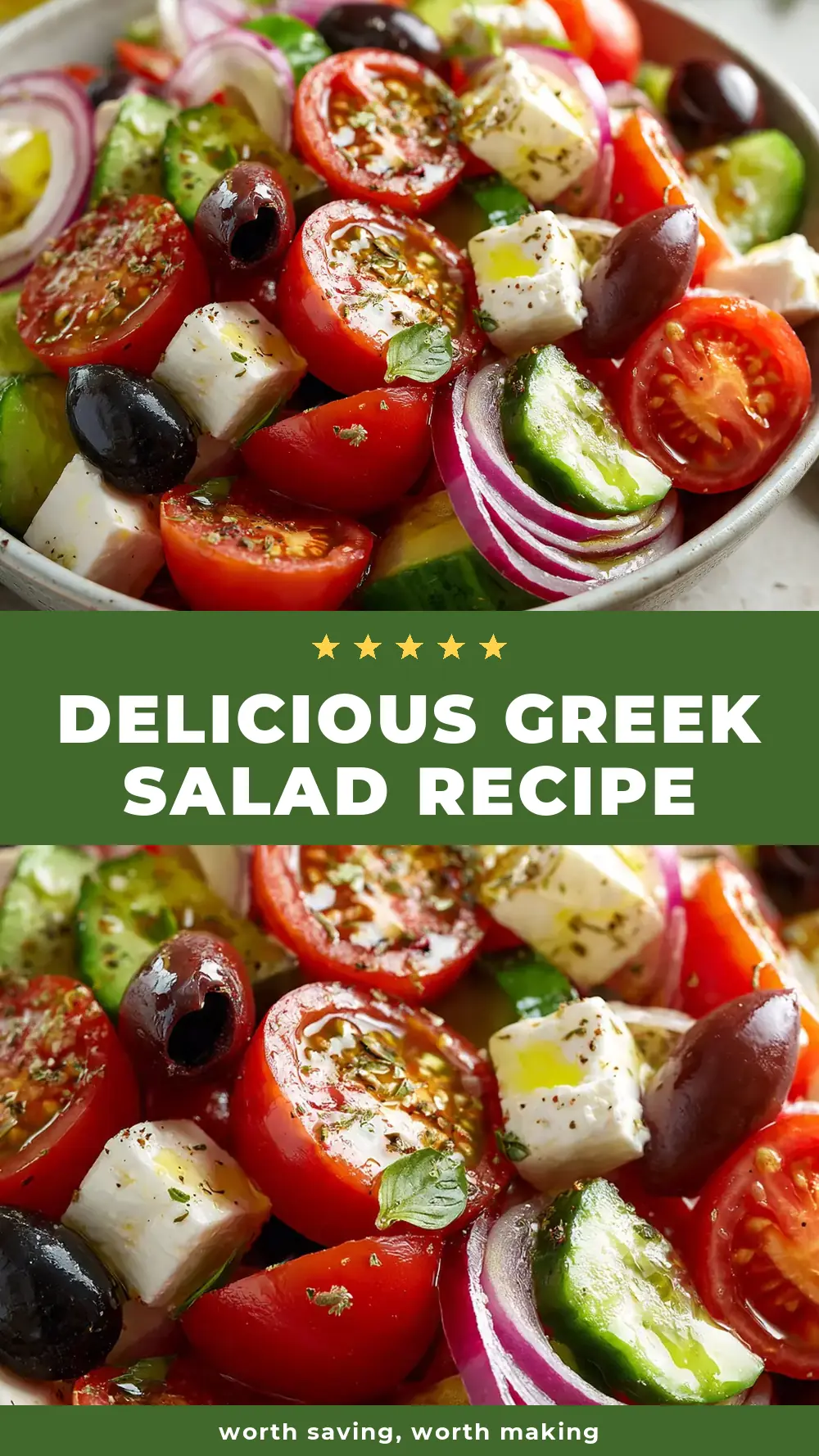
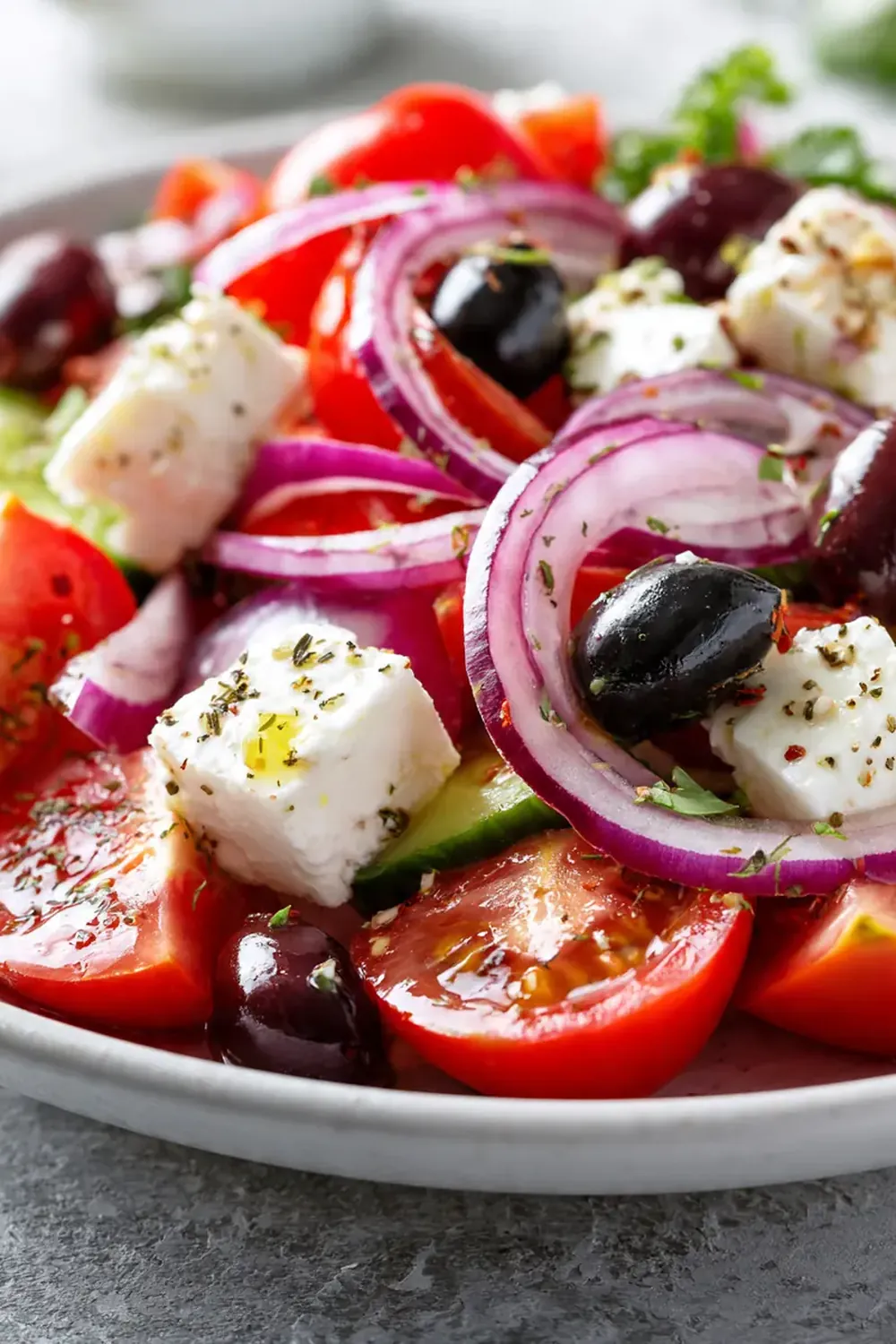
I remember the first time a Greek salad stopped me mid-chew. It wasn’t at a taverna by the Aegean Sea, but at a friend’s dinner party in London. The salad arrived on a simple white platter, yet it looked like a still life painting – each element arranged with intention, the feta a pristine white slab rather than a crumbled mess. That moment taught me that a truly delicious Greek salad recipe is not just about throwing ingredients into a bowl; it’s a study in contrast, texture, and visual drama. This is the version I now serve to impress, and friends always ask me for this recipe after trying it at dinner parties.
Recipe Overview
- Prep Time: 20 minutes
- Cook Time: 0 minutes
- Total Time: 20 minutes
- Servings: 4 as a main, 6 as a side
- Difficulty: Easy
Why You’ll Love This Delicious Greek Salad Recipe
- Restaurant-Quality Presentation: This recipe focuses on plating techniques that transform everyday ingredients into a showstopping centrepiece.
- Bold, Authentic Flavours: We use high-quality ingredients like barrel-aged feta and Kalamata olives to ensure every bite is memorable.
- No Cooking Required: Perfect for warm days when you want a satisfying meal without turning on the oven or hob.
- Naturally Gluten-Free and Vegetarian: A wholesome dish that caters to a wide range of dietary needs without compromising on taste.
- Endlessly Customisable: The base is brilliant, but I’ll show you how to add protein or swap vegetables to keep it exciting.
Ingredients You’ll Need
- 4 large, ripe vine tomatoes (about 500g)
- 1 large cucumber (about 300g), preferably a long English variety
- 1 medium red onion (about 150g)
- 1 green bell pepper (about 150g)
- 200g block of feta cheese, ideally in brine
- 100g Kalamata olives, pitted
- 60ml extra virgin olive oil, the best you can find
- 2 tablespoons red wine vinegar
- 1 teaspoon dried oregano, plus extra for garnish
- Flaky sea salt and freshly ground black pepper
- A handful of fresh flat-leaf parsley or mint leaves
Tip: For the most impressive result, seek out a block of feta that is creamy, not crumbly. The texture should yield gently when pressed, and the brine should be milky. This makes all the difference when you present it as a single, elegant slice on top of the salad.
How to Make Delicious Greek Salad Recipe
- Prepare the vegetables: Halve the tomatoes, then slice each half into 2cm wedges. The flesh should feel firm but give slightly under your knife, releasing a faint, sweet scent. Peel the cucumber in alternating strips, leaving some dark green skin for visual contrast, then halve lengthwise and slice into half-moons about 1.5cm thick. The pieces should be crisp and cool to the touch.
- Slice the onion and pepper: Halve and peel the red onion, then slice it into very thin rings. You want them translucent and delicate, not chunky. As you cut, the sharp onion aroma should be noticeable but not overwhelming. Core and deseed the green pepper, then slice it into thin rings to match the onion. The pepper should feel waxy and firm.
- Combine the base: In a large, wide salad bowl, gently toss together the tomato wedges, cucumber pieces, onion rings, and pepper rings. Use your hands for this – it’s the most gentle method and prevents bruising. You should see a beautiful mosaic of red, green, and white, with the tomato juices beginning to pool at the bottom of the bowl.
- Create the dressing: In a small jar, combine the extra virgin olive oil, red wine vinegar, dried oregano, a generous pinch of flaky sea salt, and a few grinds of black pepper. Screw the lid on tightly and shake vigorously until the mixture emulsifies and looks slightly cloudy. The aroma should be herbaceous and tangy.
- Dress and rest: Pour the dressing evenly over the vegetables. Toss everything very gently with your hands or salad servers, just until the vegetables are lightly coated. The tomatoes should glisten, and the red wine vinegar will have brightened their colour. Let the salad sit at room temperature for 10 minutes. This resting period is crucial – the salt draws out the tomato juices, creating a natural, flavourful dressing at the bottom of the bowl.
- Plate for presentation: Now, for the restaurant touch. Using a slotted spoon, transfer the dressed vegetables to a serving platter, leaving the excess juices behind in the bowl. Arrange the vegetables in an even, single layer. Do not pile them high – a flat, wide presentation looks far more deliberate and elegant. The vegetables should be evenly distributed, showing off every colour.
- Add the feta and olives: Pat the block of feta dry with kitchen paper. Place it whole, or cut into two thick slabs, directly in the centre of the arranged vegetables. The feta should be the star of the show. Scatter the Kalamata olives artfully around the feta, not haphazardly. Finally, drizzle a little of the reserved juices from the bowl over the feta, and finish with a sprinkle of dried oregano and a few fresh parsley or mint leaves. The final picture should be clean, deliberate, and utterly tempting.
Equipment You’ll Need
- Large salad bowl or a wide, shallow serving platter
- Sharp chef’s knife and a stable cutting board
- Salad servers or your hands (well washed!)
- Small jar with a tight-fitting lid for the dressing
Common Mistakes to Avoid
- Using pre-crumbled feta: Pre-crumbled feta is often dry, salty, and lacks the creamy texture that makes this salad sing. Always buy a block of feta in brine. When you present it as a whole slab, it looks far more luxurious and tastes infinitely better.
- Skipping the rest time: This is not a salad you can dress and serve immediately. The 10-minute rest allows the salt to work its magic on the tomatoes, drawing out their sweet, acidic juices. This liquid becomes the heart of the dressing, marrying all the flavours together. Without this step, the salad can taste disjointed.
- Chopping vegetables too small: A Greek salad should feel substantial and rustic. If you dice the tomatoes and cucumber too finely, they will release too much water and become mushy. Aim for chunky, bite-sized pieces that hold their shape and texture after being dressed.
- Drowning the salad in dressing: You are making a salad, not a soup. The goal is to lightly coat the vegetables, not to leave them swimming in oil and vinegar. Start with the amount listed, and remember that the tomatoes will release their own juices, which will naturally amplify the dressing.
- Oversalting the vegetables: Feta, olives, and capers (if you add them) are all naturally salty. When you season the vegetables, be very conservative with the salt. Taste the salad before adding any extra salt, as the feta will release saltiness as it sits on top.
Tips From My Kitchen
- Use the best olive oil you can afford. This is the ingredient that defines the entire dish. A peppery, grassy, or fruity extra virgin olive oil will elevate a simple salad into something memorable. I make this at least once a week – it’s become a family favourite, and the oil is the single most important factor in its success.
- Seed the tomatoes for less watery results. If you have a little extra time, halve the tomatoes and gently squeeze out the seeds and jelly. This step is optional, but it prevents the salad from becoming too watery after resting, especially if you are serving it as part of a buffet where it might sit out for a while.
- Toast your dried oregano. This is a tiny trick that makes a huge difference. Before adding the oregano to the dressing, rub it between your palms for a few seconds. The heat from your hands releases the volatile oils, making the herb far more aromatic and flavourful.
- Consider the temperature. Serve this salad at cool room temperature, not straight from the fridge. Chilling the tomatoes destroys their flavour and makes the olive oil congeal. Remove the ingredients from the fridge about 20 minutes before you start preparing the salad for the best result.
- Add a protein for a main course. To turn this into a hearty meal, top the finished salad with grilled chicken, lamb kofta, or even a few slices of roasted aubergine. It pairs beautifully with a side of our Mediterranean Pasta Salad Recipe Cold for a truly impressive spread.
- Make it ahead (almost). You can chop all the vegetables and store them in the fridge up to 4 hours in advance. Keep the dressing in a separate jar. When ready to serve, toss the vegetables with the dressing, let them rest, and then add the feta and olives just before serving. This keeps the feta looking pristine.
What to Serve With Delicious Greek Salad Recipe
- Warm, crusty bread or pitta triangles for scooping up the juices
- Grilled lamb chops or chicken souvlaki
- A side of hummus and baba ganoush
- A bowl of our Lentil Soup Recipe Hearty Comfort for a filling, vegetarian meal
- Cold, crisp white wine or sparkling water with lemon
Frequently Asked Questions
Delicious Greek Salad Recipe
Ingredients
Method
-
Prepare the vegetables: Halve the tomatoes, then slice each half into 2cm wedges. The flesh should feel firm but give slightly under your knife, releasing a faint, sweet scent. Peel the cucumber in alternating strips, leaving some dark green skin for visual contrast, then halve lengthwise and slice into half-moons about 1.5cm thick. The pieces should be crisp and cool to the touch.
-
Slice the onion and pepper: Halve and peel the red onion, then slice it into very thin rings. You want them translucent and delicate, not chunky. As you cut, the sharp onion aroma should be noticeable but not overwhelming. Core and deseed the green pepper, then slice it into thin rings to match the onion. The pepper should feel waxy and firm.
-
Combine the base: In a large, wide salad bowl, gently toss together the tomato wedges, cucumber pieces, onion rings, and pepper rings. Use your hands for this – it’s the most gentle method and prevents bruising. You should see a beautiful mosaic of red, green, and white, with the tomato juices beginning to pool at the bottom of the bowl.
-
Create the dressing: In a small jar, combine the extra virgin olive oil, red wine vinegar, dried oregano, a generous pinch of flaky sea salt, and a few grinds of black pepper. Screw the lid on tightly and shake vigorously until the mixture emulsifies and looks slightly cloudy. The aroma should be herbaceous and tangy.
-
Dress and rest: Pour the dressing evenly over the vegetables. Toss everything very gently with your hands or salad servers, just until the vegetables are lightly coated. The tomatoes should glisten, and the red wine vinegar will have brightened their colour. Let the salad sit at room temperature for 10 minutes. This resting period is crucial – the salt draws out the tomato juices, creating a natural, flavourful dressing at the bottom of the bowl.
-
Plate for presentation: Now, for the restaurant touch. Using a slotted spoon, transfer the dressed vegetables to a serving platter, leaving the excess juices behind in the bowl. Arrange the vegetables in an even, single layer. Do not pile them high – a flat, wide presentation looks far more deliberate and elegant. The vegetables should be evenly distributed, showing off every colour.
-
Add the feta and olives: Pat the block of feta dry with kitchen paper. Place it whole, or cut into two thick slabs, directly in the centre of the arranged vegetables. The feta should be the star of the show. Scatter the Kalamata olives artfully around the feta, not haphazardly. Finally, drizzle a little of the reserved juices from the bowl over the feta, and finish with a sprinkle of dried oregano and a few fresh parsley or mint leaves. The final picture should be clean, deliberate, and utterly tempting.
Notes
I hope this guide has given you the confidence to take a humble Greek salad and turn it into something truly special for your table. The secret is in the details – the quality of the oil, the patience to let it rest, and the artistry of the final plating. I would love to hear how you get on. Have you tried this method? Do you have a favourite way to style your feta block? Let me know in the comments below. And if you are looking for another vibrant, no-cook dish to serve alongside this one, do try our Spicy Cucumbers Recipe Asian Salad for a wonderful contrast in flavours.