Traditional Lentil Dal Recipe
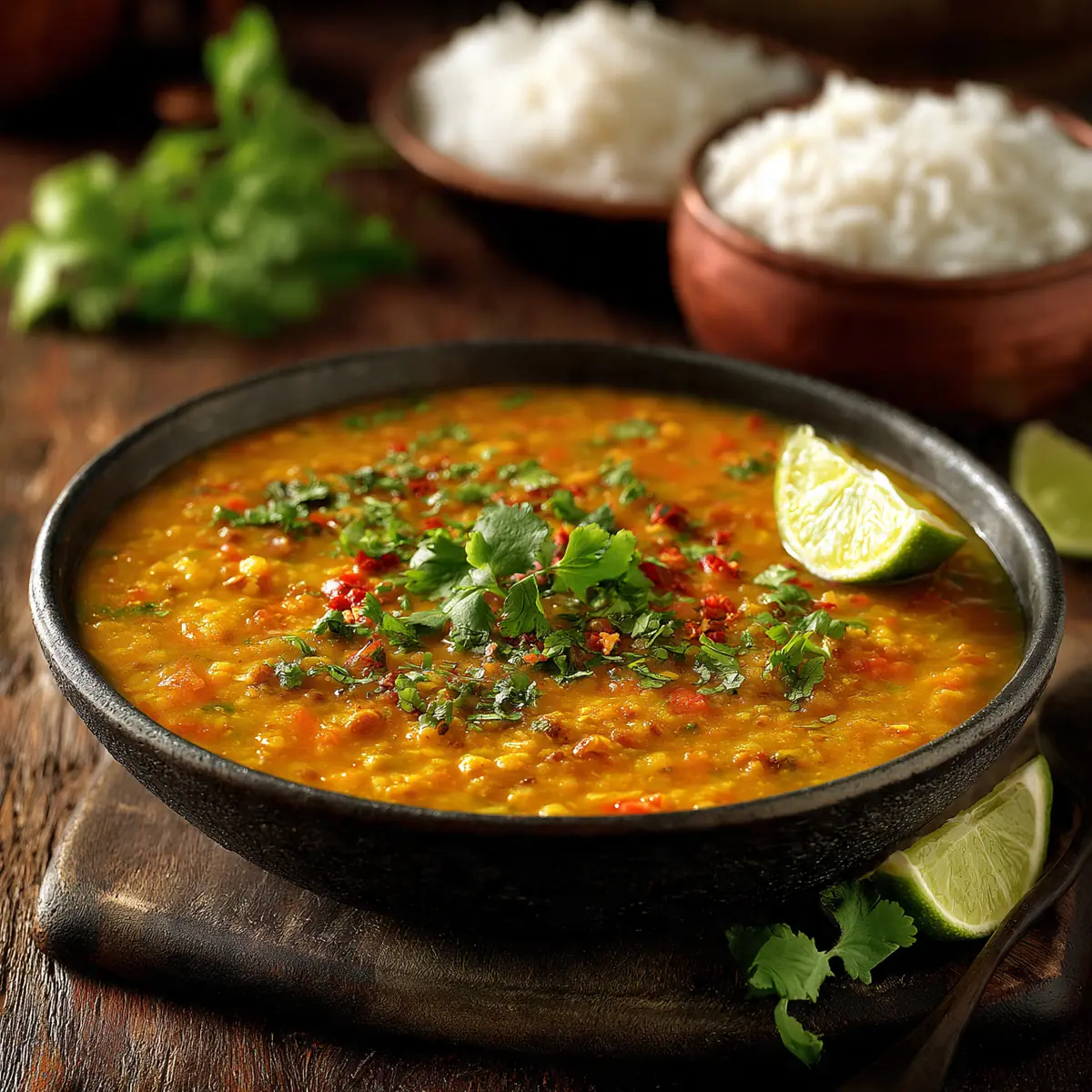
I still remember the first time I served my dal to a dinner party. It sat in a humble bowl, a comforting beige puddle that, frankly, looked more like a weeknight recovery meal than the centrepiece of a sophisticated evening. That night, I realised my beloved lentil recipe, while deeply flavourful, lacked the visual presence and textural nuance that makes a dish feel special. So I went back to the kitchen, determined to transform this everyday staple into something worthy of a candlelit table and a glass of something sparkling. After testing this recipe five times, I finally got it just right. This is my go-to recipe when I need something quick but impressive, and I’m sharing the exact techniques I use to elevate a simple lentil dal into a restaurant-worthy plate.
Recipe Overview
- Prep Time: 15 minutes
- Cook Time: 45 minutes
- Total Time: 1 hour
- Servings: 4 generous portions
- Difficulty: Easy
Why You’ll Love This Traditional Lentil Dal Recipe
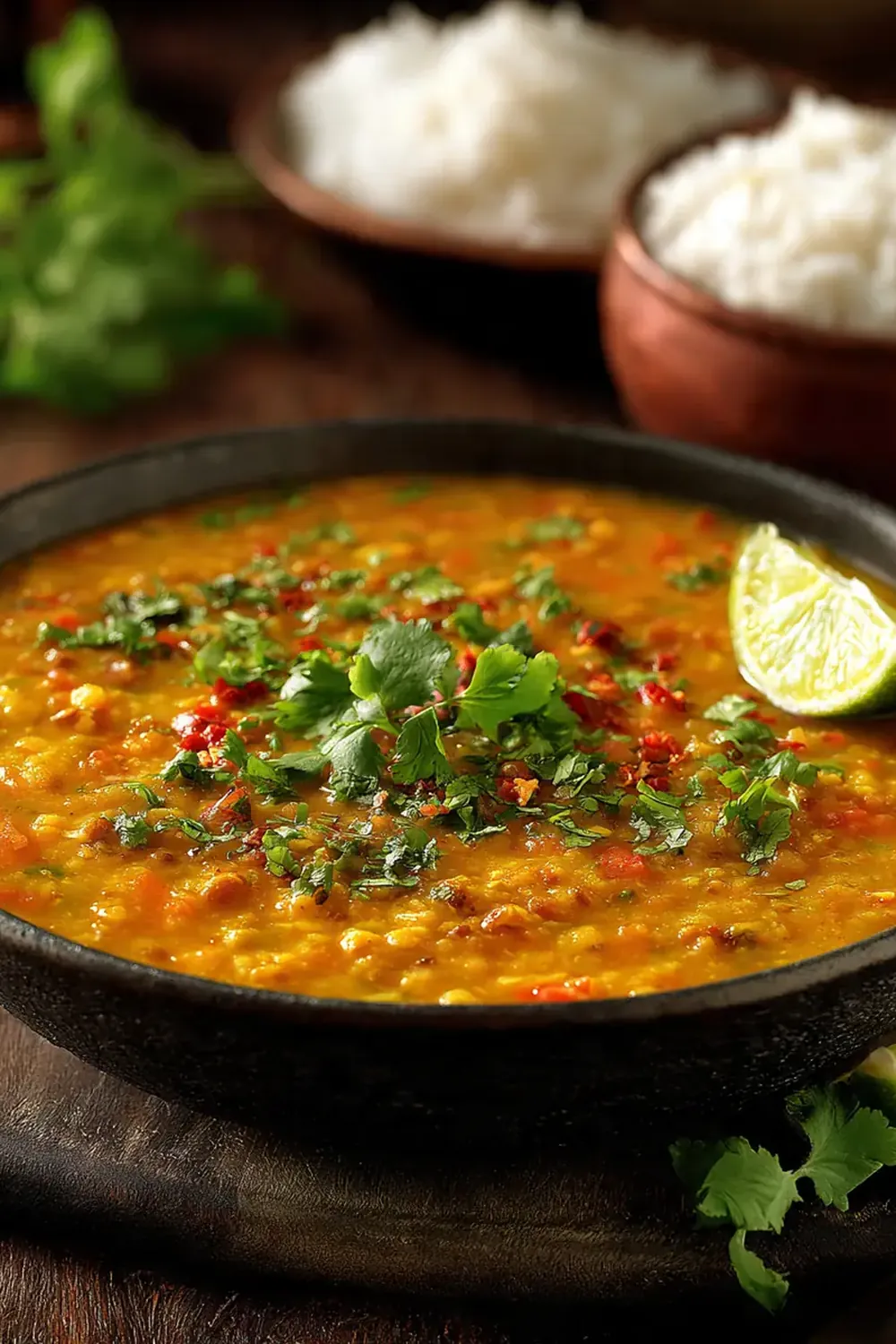
- Restaurant-Quality Presentation: With a glossy, velvety texture and a final drizzle of sizzling spiced oil, this dal sits beautifully on the plate, catching the light and inviting admiration before the first bite.
- Deep, Layered Flavour Without Hours of Work: A careful tempering process and the use of whole spices create a complexity that tastes as though it has simmered all day, yet it comes together in under an hour.
- Impressive Enough for Guests, Simple Enough for You: The steps are straightforward, but the final flourish—a vibrant swirl of coriander chutney or a dollop of yoghurt—makes it look like you’ve pulled out all the stops.
- Naturally Wholesome and Satisfying: Packed with plant-based protein and fibre, this dal is a hearty, nourishing centrepiece that leaves everyone feeling satisfied without being heavy.
- Endlessly Adaptable for the Season: You can adjust the heat, add seasonal vegetables like spinach or butternut squash, or change the garnish to match your menu, making it a versatile option year-round.
Ingredients You’ll Need
- 200g red split lentils (masoor dal), rinsed thoroughly until the water runs clear
- 1 litre water
- 1 teaspoon ground turmeric
- 1 teaspoon fine sea salt, plus more to taste
- 2 tablespoons ghee or unsalted butter
- 1 teaspoon cumin seeds
- 1 teaspoon black mustard seeds
- 1 large onion (about 200g), finely diced
- 3 cloves garlic, minced
- 1 tablespoon fresh ginger, grated
- 2 green chillies, slit lengthwise (seeds removed for less heat, if desired)
- 2 medium tomatoes (about 250g), finely chopped
- 1 teaspoon ground coriander
- ½ teaspoon garam masala
- 2 tablespoons fresh coriander, chopped, for garnish
- Juice of ½ a lemon
Tip: For the most vibrant colour and creamiest texture, use split red lentils. They break down beautifully during cooking and create that luscious, silky consistency that is the hallmark of a great dal.
How to Make Traditional Lentil Dal Recipe
- Cook the Lentils: In a large, heavy-based saucepan, combine the rinsed lentils, water, and ground turmeric. Bring to a boil over high heat—you’ll see a frothy scum rise to the surface, which you can skim off with a spoon. Reduce the heat to a gentle simmer, partially cover, and cook for 25–30 minutes. The lentils will swell, soften, and begin to break apart, and the liquid will turn a deep, sunny yellow. The dal is ready when the lentils are completely tender and mash easily against the side of the pan with a spoon. Stir in the salt.
- Prepare the Tempering (Tadka): While the lentils simmer, set a small frying pan or skillet over medium heat. Add the ghee and let it melt until it shimmers and releases a nutty aroma. Drop in the cumin seeds and black mustard seeds. Watch carefully—within 30 seconds, the mustard seeds will start to pop and pop, a sound like tiny firecrackers, and the cumin seeds will turn a few shades darker. This is the moment the kitchen fills with an intoxicating fragrance.
- Sweat the Aromatics: Immediately add the finely diced onion to the pan with the sputtering seeds. Stir well, coating the onion in the spiced ghee. Cook for 6–8 minutes, stirring occasionally, until the onion turns translucent and begins to take on a pale golden colour at the edges. The sizzling sound will soften as the onion releases its moisture. Add the minced garlic, grated ginger, and slit green chillies. Cook for another minute, until the garlic is fragrant and the raw smell has faded.
- Build the Sauce: Tip in the finely chopped tomatoes, ground coriander, and a pinch of salt. Stir everything together. The tomatoes will immediately begin to release their juices, and the mixture will become saucy and thick. Cook for 5–7 minutes, stirring occasionally, until the tomatoes have completely broken down and the oil begins to separate and glisten on the surface of the masala. You’ll notice a rich, deep red colour developing.
- Combine and Simmer: Pour the entire tempering mixture into the pot of cooked lentils. Stir well to combine. Add the garam masala and bring the dal back to a gentle simmer. Let it bubble away for 5 minutes, allowing the flavours to meld. The dal will thicken slightly, and the colour will deepen to a warm, golden-orange. Taste and adjust the salt and lemon juice to your liking.
- Finish and Plate: Remove the dal from the heat. Stir through the chopped fresh coriander and a squeeze of lemon juice. For a truly impressive presentation, ladle the dal into a wide, shallow bowl. Create a slight well in the centre with the back of your spoon. If you have extra ghee, heat a small knob in a pan, add a pinch of cumin seeds and a dried red chilli, and when they sizzle, pour the hot oil into the well of the dal. It will hiss and pop, creating a dramatic, aromatic focal point. Finish with a swirl of yoghurt or a spoonful of fresh coriander chutney.
Tips From My Kitchen
- Rinse the Lentils Until the Water Runs Clear: This is non-negotiable. Red lentils are often dusty, and rinsing removes the starch and any impurities. If you skip this step, your dal can turn out cloudy and slightly sticky rather than clean and silky. The water should be almost transparent after a few rinses.
- Don’t Rush the Tempering: The tadka is the soul of this dish. Heating the ghee until it shimmers and the mustard seeds pop releases their volatile oils, creating a depth of flavour that cannot be replicated by simply adding spices to the lentils. Let the seeds pop and the cumin darken; this takes less than a minute but makes all the difference.
- Cook the Onions to a Pale Gold, Not Brown: You want the onions to be soft and sweet, not caramelised. Cooking them to a deep brown will add a bitter edge that overpowers the delicate lentil flavour. Cook them just until they are translucent with a hint of gold at the edges.
- Use a Heavy-Bottomed Pan for the Lentils: A thin pan can cause the lentils to scorch on the bottom before they are fully cooked. A heavy-based saucepan distributes heat evenly, allowing the lentils to simmer gently and break down into a creamy consistency without sticking or burning.
- Let the Dal Rest for 10 Minutes Before Serving: This is the secret to a perfectly cohesive dish. During this rest, the starches continue to absorb the liquid, and the flavours settle and marry. The dal will thicken slightly and become even more luscious. It also allows the final tempering oil to permeate the entire dish.
Equipment You’ll Need
- Large heavy-based saucepan or Dutch oven
- Small frying pan or skillet for tempering
- Sharp knife and cutting board
- Fine-mesh sieve for rinsing lentils
- Wooden spoon or spatula
- Measuring spoons and cups
Common Mistakes to Avoid
- Overcrowding the pan during tempering: If you add too many onions or tomatoes at once, the pan temperature drops, and the ingredients begin to steam rather than sauté. This prevents the onions from developing that sweet, golden edge and the tomatoes from releasing their oil. Cook in batches if necessary, or use a pan wide enough to hold everything in a single layer.
- Wrong temperature for the lentils: Boiling the lentils too vigorously will cause them to break apart into a mushy puree and can also lead to them sticking to the bottom of the pan. A gentle simmer—where you see lazy bubbles rising to the surface—is ideal. This allows the lentils to soften evenly while retaining a little shape and a creamy texture.
- Skipping the rest time: Serving the dal immediately after cooking means the flavours haven’t had time to meld. The hot oil from the tempering needs a few minutes to infuse the entire dish, and the lentils need a moment to reach their ideal consistency. A 10-minute rest is a small investment for a significantly improved result.
What to Serve With Traditional Lentil Dal Recipe
- Fluffy basmati rice or jeera rice (rice tempered with cumin seeds)
- Warm, buttered naan bread or roti
- A simple side salad of cucumber, tomato, and red onion with a squeeze of lime
- A cooling raita made with yoghurt, grated cucumber, and mint
- For a heartier meal, serve alongside a simple protein like the Ground Beef And Rice Recipe Skillet for a complete, satisfying plate
Frequently Asked Questions
Traditional Lentil Dal Recipe
Ingredients
Method
- Cook the Lentils: In a large, heavy-based saucepan, combine the rinsed lentils, water, and ground turmeric. Bring to a boil over high heat—you’ll see a frothy scum rise to the surface, which you can skim off with a spoon. Reduce the heat to a gentle simmer, partially cover, and cook for 25–30 minutes. The lentils will swell, soften, and begin to break apart, and the liquid will turn a deep, sunny yellow. The dal is ready when the lentils are completely tender and mash easily against the side of the pan with a spoon. Stir in the salt.
- Prepare the Tempering (Tadka): While the lentils simmer, set a small frying pan or skillet over medium heat. Add the ghee and let it melt until it shimmers and releases a nutty aroma. Drop in the cumin seeds and black mustard seeds. Watch carefully—within 30 seconds, the mustard seeds will start to pop and pop, a sound like tiny firecrackers, and the cumin seeds will turn a few shades darker. This is the moment the kitchen fills with an intoxicating fragrance.
- Sweat the Aromatics: Immediately add the finely diced onion to the pan with the sputtering seeds. Stir well, coating the onion in the spiced ghee. Cook for 6–8 minutes, stirring occasionally, until the onion turns translucent and begins to take on a pale golden colour at the edges. The sizzling sound will soften as the onion releases its moisture. Add the minced garlic, grated ginger, and slit green chillies. Cook for another minute, until the garlic is fragrant and the raw smell has faded.
- Build the Sauce: Tip in the finely chopped tomatoes, ground coriander, and a pinch of salt. Stir everything together. The tomatoes will immediately begin to release their juices, and the mixture will become saucy and thick. Cook for 5–7 minutes, stirring occasionally, until the tomatoes have completely broken down and the oil begins to separate and glisten on the surface of the masala. You’ll notice a rich, deep red colour developing.
- Combine and Simmer: Pour the entire tempering mixture into the pot of cooked lentils. Stir well to combine. Add the garam masala and bring the dal back to a gentle simmer. Let it bubble away for 5 minutes, allowing the flavours to meld. The dal will thicken slightly, and the colour will deepen to a warm, golden-orange. Taste and adjust the salt and lemon juice to your liking.
- Finish and Plate: Remove the dal from the heat. Stir through the chopped fresh coriander and a squeeze of lemon juice. For a truly impressive presentation, ladle the dal into a wide, shallow bowl. Create a slight well in the centre with the back of your spoon. If you have extra ghee, heat a small knob in a pan, add a pinch of cumin seeds and a dried red chilli, and when they sizzle, pour the hot oil into the well of the dal. It will hiss and pop, creating a dramatic, aromatic focal point. Finish with a swirl of yoghurt or a spoonful of fresh coriander chutney.
Notes
There’s something genuinely magical about watching a humble pot of lentils transform into a dish that commands attention at the table. The sizzle of the tempering, the slow bloom of colour, and that final, theatrical pour of hot spiced oil—it all adds up to a meal that feels both deeply rooted in tradition and perfectly suited for a modern dinner party. I hope this recipe becomes a trusted part of your repertoire, a dish you turn to when you want to impress without the stress. Have you tried serving dal in a new way? I’d love to hear how you plate it up—share your thoughts in the comments below.