Classic Antipasti Recipe
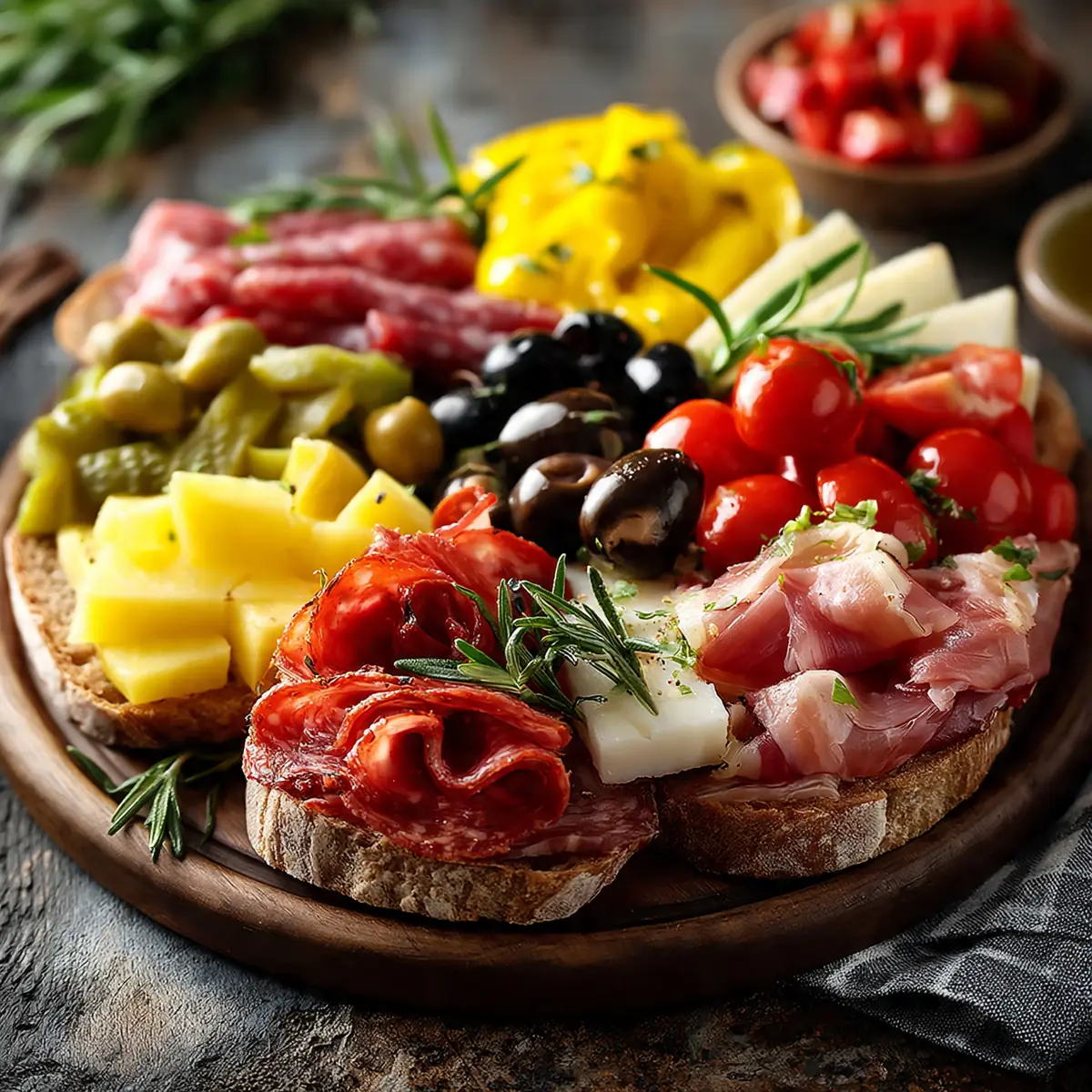
I still remember the first time I served this classic antipasti recipe to friends. I had spent hours fussing over a main course, only to realise the starter was a last-minute scramble of jarred olives and sad, pre-sliced cheese. That night taught me a valuable lesson: a stunning antipasti platter, thoughtfully composed, sets the tone for the entire meal. This recipe is my refined approach to that very idea—a curated selection of ingredients that feels deliberate, luxurious, and utterly impressive without demanding hours of kitchen labour.
Recipe Overview
- Prep Time: 20 minutes
- Cook Time: 15 minutes
- Total Time: 35 minutes
- Servings: 6 to 8 as a starter
- Difficulty: Easy
Why You’ll Love This Classic Antipasti Recipe
- Restaurant-Quality Presentation: This is my go-to recipe when I need something quick but impressive. The careful arrangement of colours and textures creates a visual feast that rivals any high-end Italian starter.
- Make-Ahead Friendly: Nearly every component can be prepared hours in advance. I often assemble the whole board, cover it with cling film, and let it sit at room temperature for thirty minutes before guests arrive.
- Endless Customisation: I stumbled upon this combination by accident, and it’s been a hit ever since. You can swap proteins, change the cheese, or add seasonal vegetables without losing the classic spirit.
- No Cooking Stress: Apart from a few quick pan-sears and a brief roast, there is no complicated technique involved. The focus is on sourcing good ingredients and arranging them with care.
- Satisfies Every Palate: A well-built antipasti board offers something for everyone—briny, creamy, sweet, savoury, and crunchy. It naturally accommodates different dietary preferences without extra fuss.
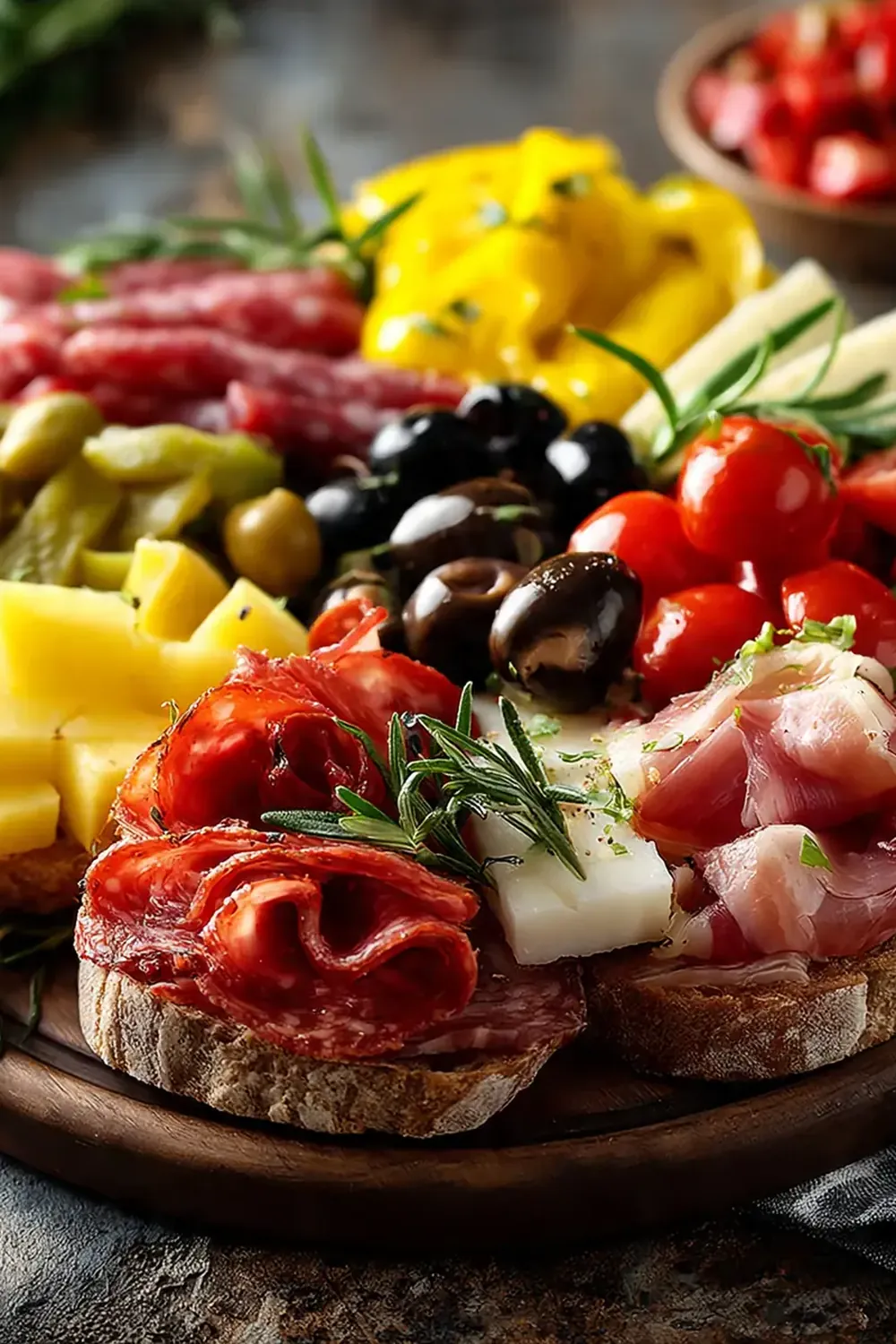
Ingredients You’ll Need
- 300g mixed marinated artichoke hearts, drained
- 250g roasted red peppers (from a jar), drained and sliced into strips
- 200g pitted green olives, mixed with a teaspoon of dried oregano
- 200g pitted black olives, tossed in a little olive oil
- 250g fresh mozzarella balls (bocconcini), drained
- 200g aged provolone or pecorino cheese, cut into thin wedges
- 200g thinly sliced roast beef (from a good deli counter)
- 200g thinly sliced cooked chicken breast (high-quality, not processed)
- 1 large fennel bulb, shaved very thinly using a mandoline
- 2 tablespoons extra virgin olive oil, plus more for drizzling
- 1 tablespoon fresh lemon juice
- ½ teaspoon flaky sea salt
- Freshly cracked black pepper
- Small handful of fresh basil leaves
- Small handful of fresh flat-leaf parsley
- Crusty bread or grissini (breadsticks), for serving
Tip: Seek out the best quality jarred vegetables you can find—their flavour will be the backbone of the entire platter. Drain them thoroughly and pat dry with kitchen paper to prevent any watery pooling on the board.
How to Make Classic Antipasti Recipe
- Prepare the vegetables: Start by draining the artichoke hearts, roasted red peppers, and olives. Pat them all dry with kitchen paper. The artichokes should feel just lightly moist, not wet. Toss the green olives with the dried oregano and the black olives with a drizzle of olive oil. Set them aside in separate small bowls.
- Shave the fennel: Using a mandoline or a very sharp knife, shave the fennel bulb into paper-thin slices. As you work, you’ll smell the sweet, aniseed aroma release. Place the shaved fennel in a bowl, drizzle with the extra virgin olive oil and lemon juice, and season with the flaky sea salt and a few cracks of black pepper. Toss gently with your hands—the fennel should glisten and soften slightly.
- Prepare the cheeses: Drain the mozzarella balls and let them sit on kitchen paper for a few minutes to absorb excess moisture. They should feel firm and springy to the touch. Cut the aged provolone or pecorino into thin triangles or bite-sized wedges, exposing their creamy interiors.
- Arrange the meats: Take the sliced roast beef and chicken breast. Roll or fold each slice into loose, elegant ribbons. As you do this, notice the rich, savoury scent of the roast beef and the delicate aroma of the chicken. Arrange them in small, separate piles on a large wooden board or serving platter.
- Build the platter foundation: Begin placing the marinated vegetables in small, distinct clusters around the board. The artichokes should form one small mound, the red peppers another, and the two types of olives their own separate piles. This deliberate separation allows each flavour to shine.
- Add the cheeses and fennel: Tuck the mozzarella balls and cheese wedges into the gaps between the vegetable clusters. Spoon the dressed, shaved fennel into a small, neat pile. The bright green and white of the fennel will provide a fresh visual contrast against the deeper colours of the olives and peppers.
- Finish with fresh herbs and oil: Scatter the fresh basil leaves and parsley sprigs artfully over the entire board. Give the mozzarella balls a final drizzle of good extra virgin olive oil and a crack of black pepper. The herbs will release their fragrant oils, signalling that the platter is complete and ready to serve.
Tips From My Kitchen
- Temperature is everything: Serve the cheeses and marinated vegetables at room temperature. Cold ingredients mute their flavours and harden the texture of the cheese. Take everything out of the fridge at least thirty minutes before arranging the board.
- Think about texture contrast: The success of this classic antipasti recipe relies on a mix of soft, creamy, crunchy, and chewy elements. The shaved fennel provides a crisp bite, the mozzarella offers creaminess, and the olives give a firm, briny chew. Ensure you have a balance of these sensations.
- Use a large, flat surface: A cramped board looks messy and makes it difficult for guests to serve themselves. Use the largest wooden board, slate tile, or flat platter you own. Give each ingredient its own breathing room.
- Don’t forget the bread: The bread is not an afterthought. Choose a crusty sourdough or a baguette, sliced and lightly toasted if you wish, or provide long, crunchy grissini. It serves as the vehicle for all those wonderful flavours.
- Prep in stages: I often shave the fennel and dress it up to four hours ahead, keeping it covered in the fridge. The olives can be marinated the day before. This makes final assembly a five-minute job, which is invaluable when hosting.
- Season as you go: Don’t rely solely on the saltiness of the meats and olives. The shaved fennel needs its own seasoning, and a final crack of pepper and a drizzle of oil over the mozzarella makes a noticeable difference.
Equipment You’ll Need
- Large wooden serving board or flat platter
- Sharp knife and cutting board
- Mandoline (optional, for shaving fennel)
- Mixing bowls (small to medium)
- Kitchen paper for drying ingredients
Common Mistakes to Avoid
- Overcrowding the board: When ingredients are piled on top of each other, the board looks chaotic and flavours blend indistinctly. Give each component its own space. If you have too much for one board, use a second platter or a large side plate.
- Wrong temperature: Serving cheese and marinated vegetables straight from the fridge is the most common error. The cold dulls their flavour and makes the cheese rubbery. Always let them rest at room temperature for at least thirty minutes before serving.
- Skipping the draining step: Wet ingredients on a board create a watery, unappetising puddle that ruins the texture of bread and cheese. Pat every marinated vegetable and cheese ball dry with kitchen paper before arranging them.
Delicious Variations to Try
- Spicy Version: Add a small bowl of pickled jalapeños or pepperoncini. Toss the olives with a pinch of red pepper flakes. You can also use a spicy, dried salami-style chicken sausage, sliced thinly, to bring heat and depth.
- Vegetarian/Vegan Option: Omit all meats. Add grilled aubergine slices (drizzled with olive oil and a touch of balsamic vinegar) and marinated white beans (tossed with lemon, garlic, and parsley). Use a high-quality vegan mozzarella or a nut-based cheese for creaminess.
- Different Protein: Replace the roast beef and chicken with thinly sliced, seared lamb or turkey breast. For a seafood twist, include good-quality tinned sardines in olive oil or marinated anchovies, which provide a deep, umami note.
What to Serve With Classic Antipasti Recipe
- Crusty sourdough bread or a sliced baguette
- Long, crunchy grissini (breadsticks)
- A bowl of extra virgin olive oil for dipping
- A simple green salad with a lemon vinaigrette, if serving as a light meal
- Chilled sparkling water with lemon or a non-alcoholic Italian aperitif
Frequently Asked Questions
Classic Antipasti Recipe
Ingredients
Method
- Prepare the vegetables: Start by draining the artichoke hearts, roasted red peppers, and olives. Pat them all dry with kitchen paper. The artichokes should feel just lightly moist, not wet. Toss the green olives with the dried oregano and the black olives with a drizzle of olive oil. Set them aside in separate small bowls.
- Shave the fennel: Using a mandoline or a very sharp knife, shave the fennel bulb into paper-thin slices. As you work, you'll smell the sweet, aniseed aroma release. Place the shaved fennel in a bowl, drizzle with the extra virgin olive oil and lemon juice, and season with the flaky sea salt and a few cracks of black pepper. Toss gently with your hands—the fennel should glisten and soften slightly.
- Prepare the cheeses: Drain the mozzarella balls and let them sit on kitchen paper for a few minutes to absorb excess moisture. They should feel firm and springy to the touch. Cut the aged provolone or pecorino into thin triangles or bite-sized wedges, exposing their creamy interiors.
- Arrange the meats: Take the sliced roast beef and chicken breast. Roll or fold each slice into loose, elegant ribbons. As you do this, notice the rich, savoury scent of the roast beef and the delicate aroma of the chicken. Arrange them in small, separate piles on a large wooden board or serving platter.
- Build the platter foundation: Begin placing the marinated vegetables in small, distinct clusters around the board. The artichokes should form one small mound, the red peppers another, and the two types of olives their own separate piles. This deliberate separation allows each flavour to shine.
- Add the cheeses and fennel: Tuck the mozzarella balls and cheese wedges into the gaps between the vegetable clusters. Spoon the dressed, shaved fennel into a small, neat pile. The bright green and white of the fennel will provide a fresh visual contrast against the deeper colours of the olives and peppers.
- Finish with fresh herbs and oil: Scatter the fresh basil leaves and parsley sprigs artfully over the entire board. Give the mozzarella balls a final drizzle of good extra virgin olive oil and a crack of black pepper. The herbs will release their fragrant oils, signalling that the platter is complete and ready to serve.
Notes
I would love to hear how you style your own version of this classic antipasti recipe. Share your plating ideas, your favourite ingredient swaps, or any questions you have in the comments below—it is always a pleasure to swap kitchen stories with you.