Crispy Cooking Cauliflower Recipe
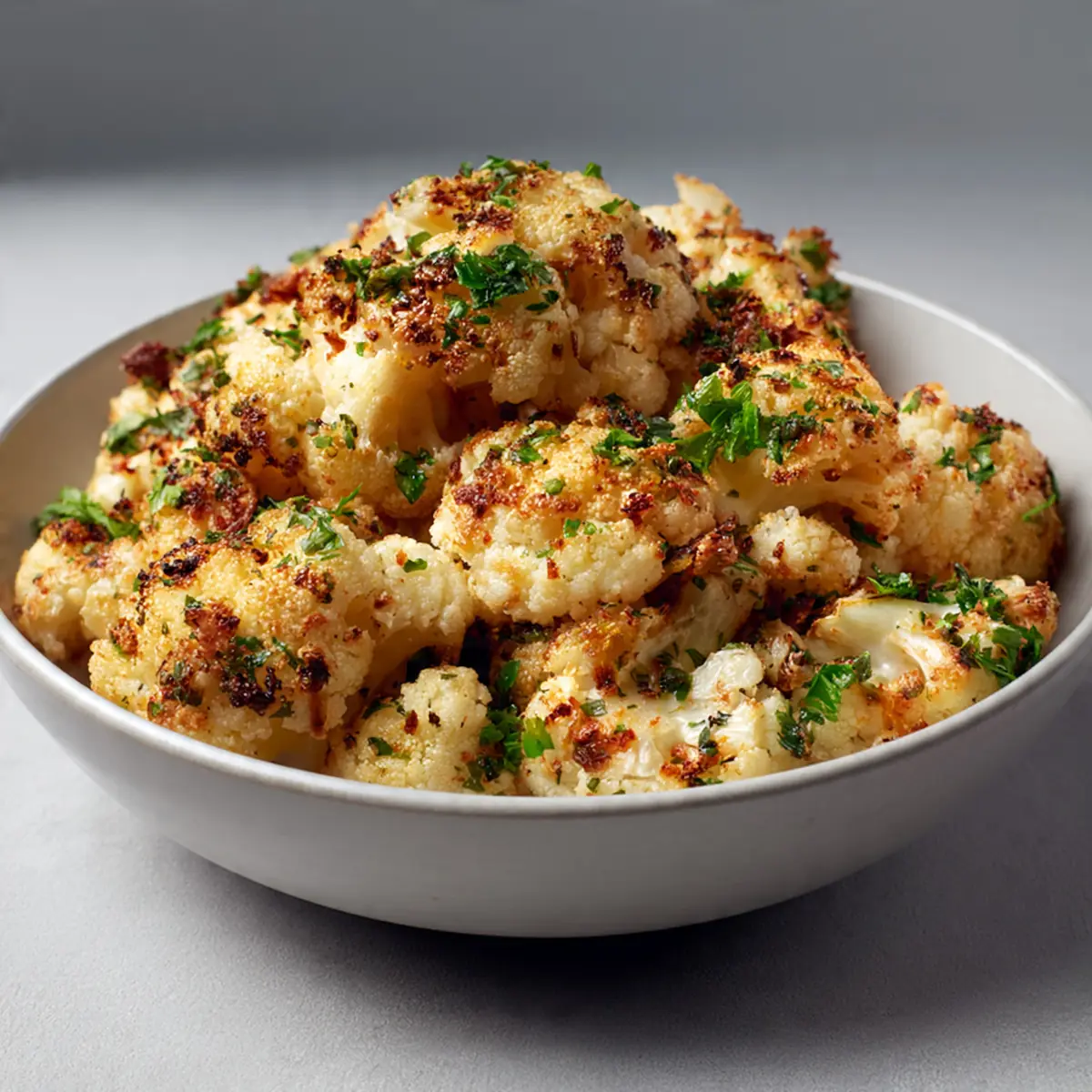
I still remember the first time I served this dish. My friends fell silent for a moment, then one of them asked, “Which restaurant did you order this from?” That’s the reaction you’ll get with this crispy cooking cauliflower recipe. It transforms a humble vegetable into the star of the table, golden and crunchy on the outside, tender within, and finished with a tangy drizzle that makes every bite feel like a special occasion. Let’s get straight to it.
Recipe Overview
- Prep Time: 20 minutes
- Cook Time: 35 minutes
- Total Time: 55 minutes
- Servings: 4 as a main, 6 as a side
- Difficulty: Medium
Why You’ll Love This Crispy Cooking Cauliflower Recipe
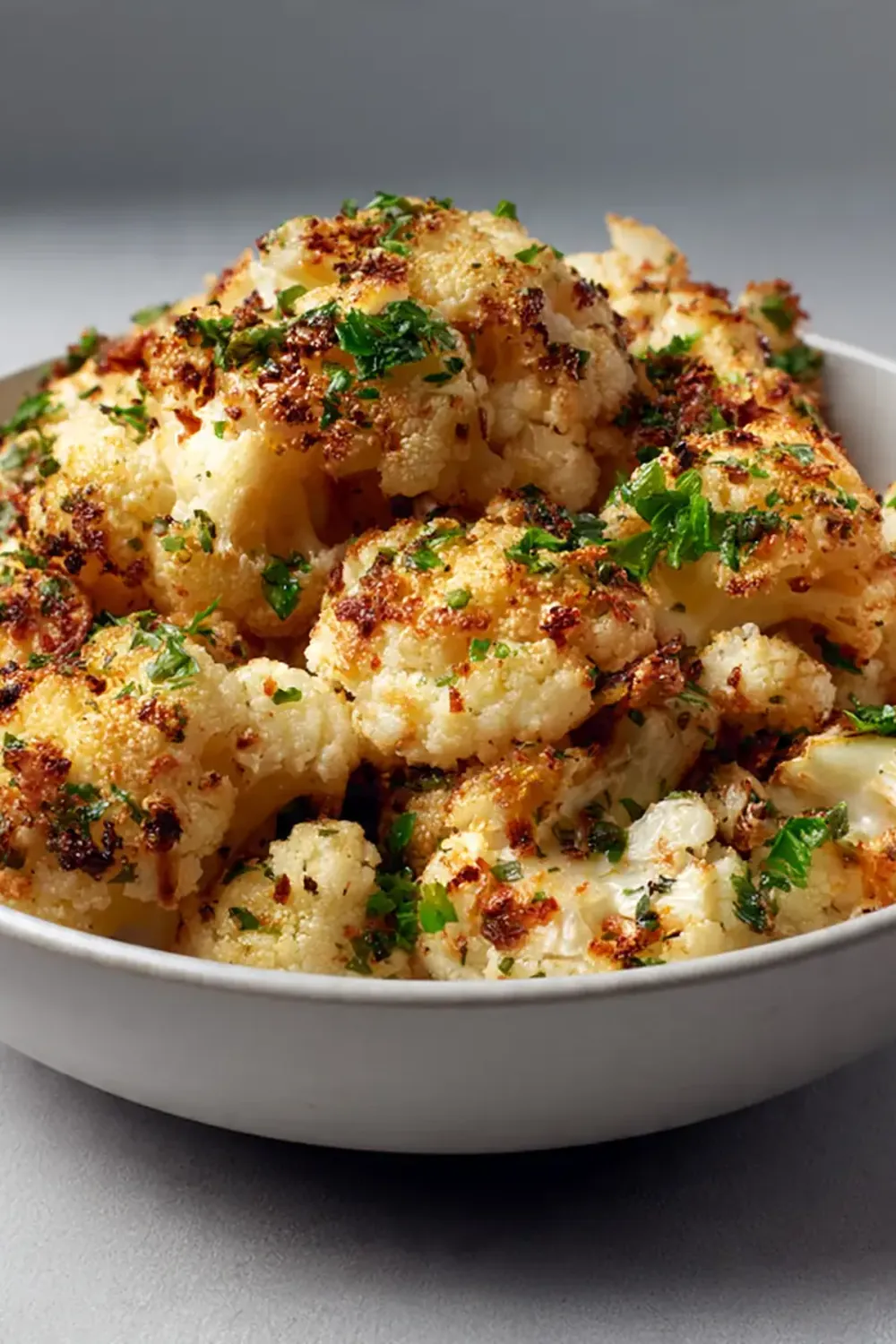
- Restaurant-worthy presentation: Each floret comes out beautifully bronzed and caramelised, perfect for plating on a large sharing board with dips and herbs.
- Deep, savoury flavour: A clever coating of spiced semolina and Parmesan creates a crust that’s intensely savoury, not just crunchy for crunch’s sake.
- Reliable texture contrast: The outside stays crisp for a surprising amount of time, while the inside remains yielding and creamy, thanks to a quick pre-blanch.
- Make-ahead friendly: You can blanch and coat the florets hours before your guests arrive, then roast them at the last minute, making hosting far less stressful.
- Naturally versatile: This recipe works beautifully as a vegetarian centrepiece alongside a Lentil Soup Recipe Hearty Comfort for a cosy dinner, or as an impressive side to a roast chicken.
Ingredients You’ll Need
- 1 large head of cauliflower (about 800g), leaves removed, broken into even florets
- 60g fine semolina (not instant couscous)
- 40g finely grated Parmesan cheese (plus extra for serving)
- 1 teaspoon smoked paprika
- ½ teaspoon garlic powder
- ½ teaspoon fine sea salt
- ¼ teaspoon freshly ground black pepper
- 2 large free-range eggs
- 1 tablespoon Dijon mustard
- 3 tablespoons olive oil, plus extra for the baking tray
- 1 lemon, zest finely grated and juiced
- Small handful of fresh flat-leaf parsley, finely chopped
- 2 tablespoons capers, drained and roughly chopped (optional, but recommended)
Tip: For the crispiest result, use a block of Parmesan and grate it yourself. The pre-grated stuff often contains anti-caking agents that prevent it from melting and adhering properly to the cauliflower.
How to Make Crispy Cooking Cauliflower Recipe
- Preheat and prep the tray: Set your oven to 220°C (200°C fan). Line a large, rimmed baking tray with baking paper and brush it generously with olive oil. Pop the tray into the oven while it preheats — a hot tray is crucial for that initial sizzle.
- Blanch the cauliflower: Bring a large pot of salted water to a rolling boil. Drop in the cauliflower florets and cook for exactly 3 minutes. You’ll see the florets turn a more vibrant white and the stems become slightly translucent. Drain immediately and spread them out on a clean tea towel to steam-dry for 5 minutes. This step removes excess moisture, so the coating sticks and the cauliflower roasts rather than steams.
- Make the coating mixture: In a wide, shallow bowl, whisk together the semolina, grated Parmesan, smoked paprika, garlic powder, salt, and pepper. The mixture should smell deeply savoury, with the paprika lending a warm, smoky note.
- Prepare the wet base: In a separate bowl, beat the eggs with the Dijon mustard until completely smooth. The mustard helps the egg cling to the cauliflower and adds a subtle tang. When you dip a floret, the egg should coat it evenly, not run off in sheets.
- Coat the florets: Working with one floret at a time, dip it into the egg mixture, letting any excess drip back into the bowl. Then roll it in the semolina mixture, pressing gently so the coating adheres on all sides. Place the coated florets on a plate. You’ll hear a faint rustling sound as the semolina granules stick to the egg — that’s the promise of crunch.
- Roast to golden perfection: Carefully remove the hot tray from the oven. Place each coated floret on the tray, leaving a little space between them — they shouldn’t touch. Drizzle the remaining tablespoon of olive oil over the top. Roast for 20 minutes, then flip each floret with a spatula. The underside should be deep golden brown and feel firm to the touch. Roast for another 12–15 minutes, until the florets are deeply bronzed all over and the coating feels rigid when you tap it with a fork. The kitchen will smell wonderfully toasty and nutty.
- Finish with the dressing: While the cauliflower roasts, whisk together the lemon zest, lemon juice (about 1½ tablespoons), chopped parsley, and capers if using. As soon as the cauliflower comes out of the oven, drizzle this dressing over the hot florets. The sizzling sound it makes is music to a cook’s ears. Grate a little extra Parmesan over the top and serve immediately.
Tips From My Kitchen
- Dry the cauliflower thoroughly after blanching: I cannot stress this enough. Any water clinging to the florets will create steam in the oven, turning your coating soggy. Spread them on a tea towel and pat them very gently with kitchen paper if needed. The drier they are, the louder the crunch will be.
- Use a hot baking tray: Placing the coated florets onto a pre-heated, oiled tray gives the bottom an instant sear. This locks in the crust and prevents the cauliflower from sticking. If the tray is cold, the coating will absorb oil and become greasy rather than crisp.
- Don’t skip the semolina: Flour works in a pinch, but semolina has a coarser, grittier texture that creates an audible crunch. It also doesn’t turn pasty when baked, so the coating stays light and shatteringly crisp even as it cools slightly.
- Space the florets out: Overcrowding the tray drops the oven temperature and traps steam. If your florets are touching, they’ll braise each other into softness. Use two trays if necessary, swapping their positions halfway through roasting for even browning.
- Serve the dressing immediately: The lemon-caper dressing is best added right when the cauliflower comes out of the oven. If you add it too early, the acidity can soften the crust. Drizzle it over just before you carry the tray to the table, so your guests see the glistening florets and smell the bright, herby aroma.
Common Mistakes to Avoid
- Overcrowding the pan: When florets are packed too tightly, they release steam rather than dry heat. This softens the coating and prevents browning. Always leave at least 2cm between each piece. If you have more cauliflower than will fit comfortably, roast in batches — it’s worth the extra few minutes.
- Wrong temperature: Baking at a lower temperature, say 180°C, will dry the cauliflower out before the coating turns golden, leaving you with a tough interior. The high heat of 220°C (200°C fan) is essential for a quick, crisp finish. Your oven should be fully preheated before the coated florets go in.
- Skipping the rest time: After blanching, the florets need that 5-minute rest on the tea towel. If you skip this, the trapped steam will make the coating slide off during roasting. Patience here pays off with a crust that stays put.
Delicious Variations to Try
- Spicy Version: Add 1 teaspoon of Aleppo pepper flakes or ½ teaspoon of cayenne pepper to the semolina mixture. For extra heat, serve with a drizzle of harissa-thinned yoghurt. The smoky heat pairs beautifully with the lemon dressing.
- Vegetarian/Vegan Option: Replace the Parmesan with 3 tablespoons of nutritional yeast and use a flax egg (1 tablespoon ground flaxseed mixed with 3 tablespoons water, left to thicken for 10 minutes) in place of the egg and mustard. The nutritional yeast adds a cheesy, umami depth that’s remarkably similar.
- Different Protein: While this recipe is centred on cauliflower, you can use the same coating and method for thick slices of halloumi (reduce roasting time to 10–12 minutes total) or for firm, pressed tofu cut into bite-sized chunks. Both benefit from the same pre-blanch or press-dry method.
What to Serve With Crispy Cooking Cauliflower Recipe
- A dollop of Authentic Tzatziki Sauce Recipe Dip — its cool, garlicky creaminess is the perfect foil for the crunchy, spiced cauliflower.
- A simple Mediterranean Pasta Salad Recipe Cold alongside makes for a complete, room-temperature meal that’s ideal for entertaining.
- Grilled lamb chops or Chicken Kebab Platters Recipe Grilled turn this into a hearty main course — the crispy cauliflower acts as a spectacular side dish.
- A handful of peppery rocket dressed in lemon juice and olive oil adds a fresh, bitter contrast that cuts through the richness.
Frequently Asked Questions
Crispy Cooking Cauliflower Recipe
Ingredients
Method
- Preheat and prep the tray: Set your oven to 220°C (200°C fan). Line a large, rimmed baking tray with baking paper and brush it generously with olive oil. Pop the tray into the oven while it preheats — a hot tray is crucial for that initial sizzle.
- Blanch the cauliflower: Bring a large pot of salted water to a rolling boil. Drop in the cauliflower florets and cook for exactly 3 minutes. You'll see the florets turn a more vibrant white and the stems become slightly translucent. Drain immediately and spread them out on a clean tea towel to steam-dry for 5 minutes. This step removes excess moisture, so the coating sticks and the cauliflower roasts rather than steams.
- Make the coating mixture: In a wide, shallow bowl, whisk together the semolina, grated Parmesan, smoked paprika, garlic powder, salt, and pepper. The mixture should smell deeply savoury, with the paprika lending a warm, smoky note.
- Prepare the wet base: In a separate bowl, beat the eggs with the Dijon mustard until completely smooth. The mustard helps the egg cling to the cauliflower and adds a subtle tang. When you dip a floret, the egg should coat it evenly, not run off in sheets.
- Coat the florets: Working with one floret at a time, dip it into the egg mixture, letting any excess drip back into the bowl. Then roll it in the semolina mixture, pressing gently so the coating adheres on all sides. Place the coated florets on a plate. You'll hear a faint rustling sound as the semolina granules stick to the egg — that's the promise of crunch.
- Roast to golden perfection: Carefully remove the hot tray from the oven. Place each coated floret on the tray, leaving a little space between them — they shouldn't touch. Drizzle the remaining tablespoon of olive oil over the top. Roast for 20 minutes, then flip each floret with a spatula. The underside should be deep golden brown and feel firm to the touch. Roast for another 12–15 minutes, until the florets are deeply bronzed all over and the coating feels rigid when you tap it with a fork. The kitchen will smell wonderfully toasty and nutty.
- Finish with the dressing: While the cauliflower roasts, whisk together the lemon zest, lemon juice (about 1½ tablespoons), chopped parsley, and capers if using. As soon as the cauliflower comes out of the oven, drizzle this dressing over the hot florets. The sizzling sound it makes is music to a cook's ears. Grate a little extra Parmesan over the top and serve immediately.
Notes
I stumbled upon this combination by accident, and it’s been a hit ever since. Friends always ask me for this recipe after trying it at dinner parties, and I love seeing their faces when I tell them how straightforward it is. The real joy, though, is watching them reach for another piece, even after they’ve declared themselves full. Have you tried making crispy cauliflower for a gathering? I’d love to hear how you plate it up in the comments below.