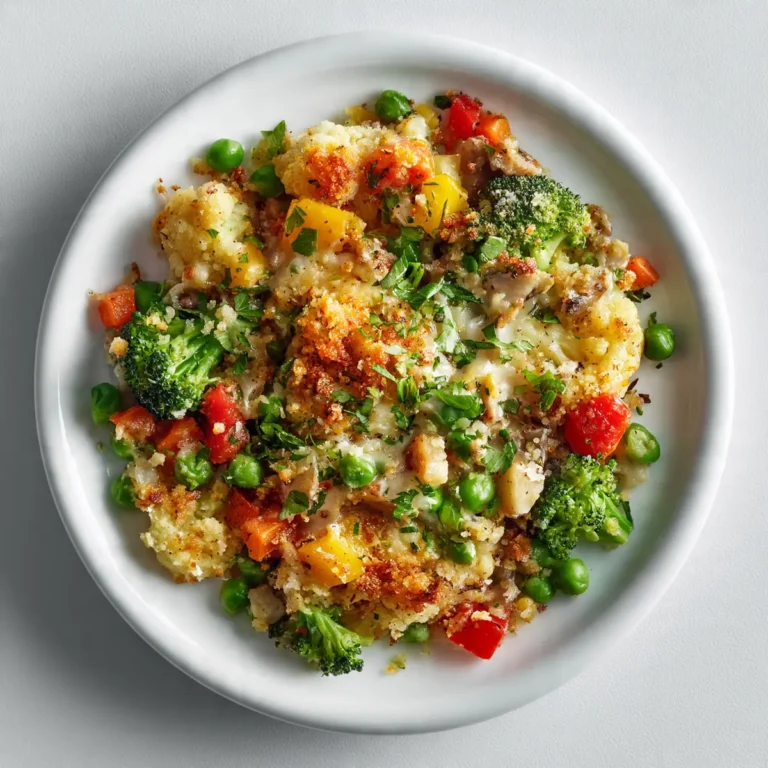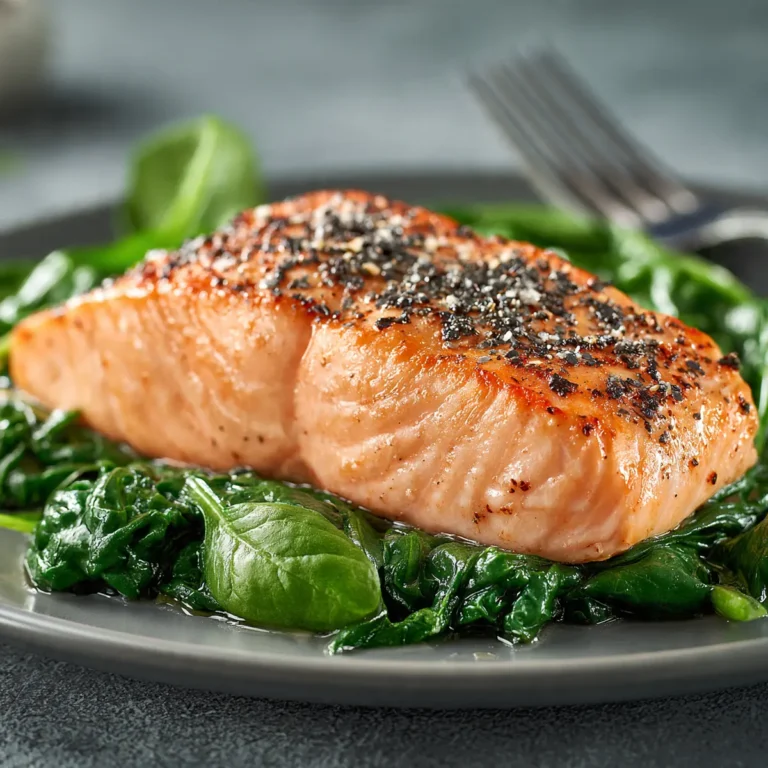
Homemade Cauliflower Casserole Recipe
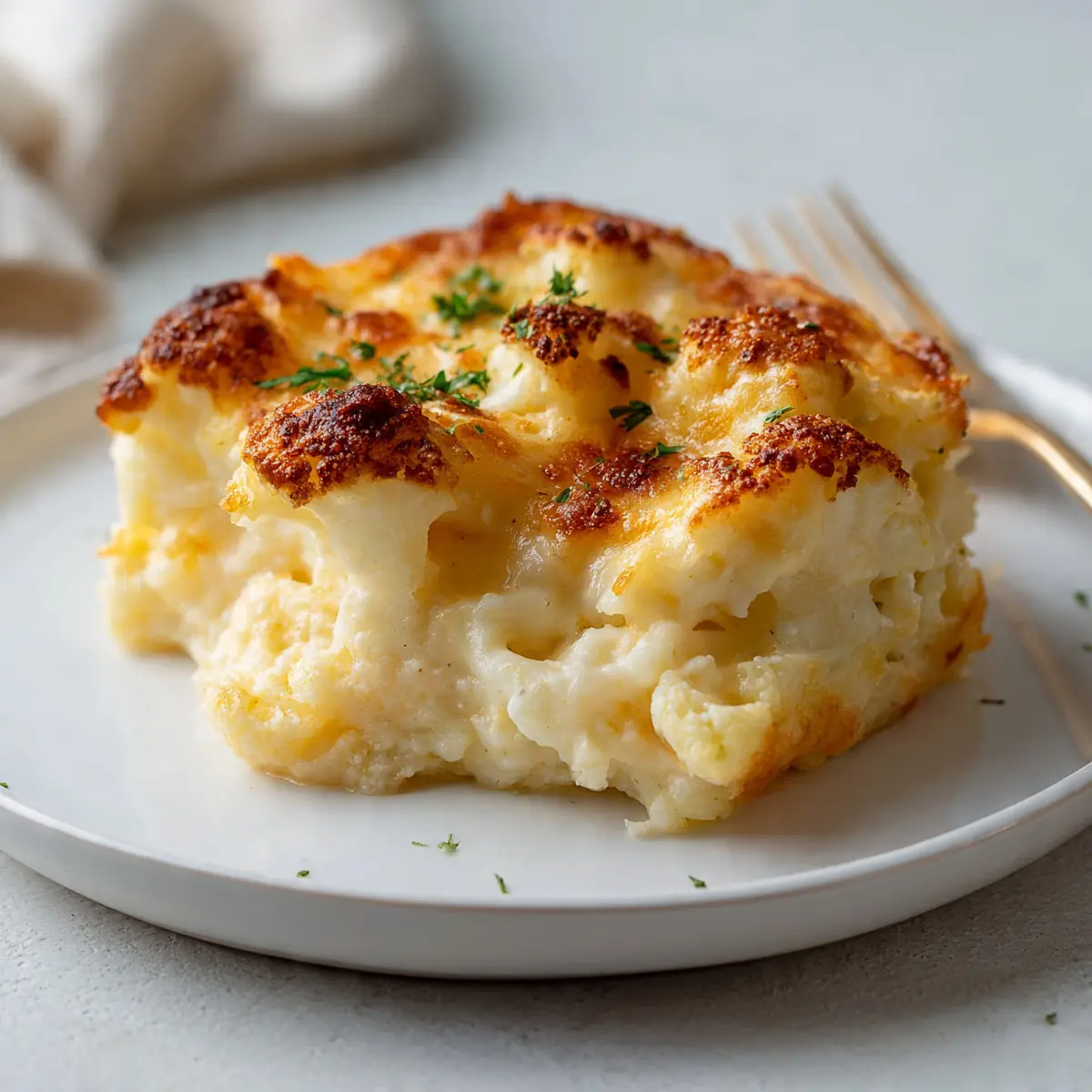
I remember the first time I served this homemade cauliflower casserole recipe to guests. I had spent the afternoon perfecting a creamy, golden-topped dish, and as I brought it to the table, the silence that followed was the best compliment. This isn’t just a side dish; it’s a show-stopping centrepiece that transforms humble cauliflower into something truly special.
Recipe Overview
- Prep Time: 20 minutes
- Cook Time: 40 minutes
- Total Time: 1 hour
- Servings: 6
- Difficulty: Medium
Why You’ll Love This Homemade Cauliflower Casserole Recipe
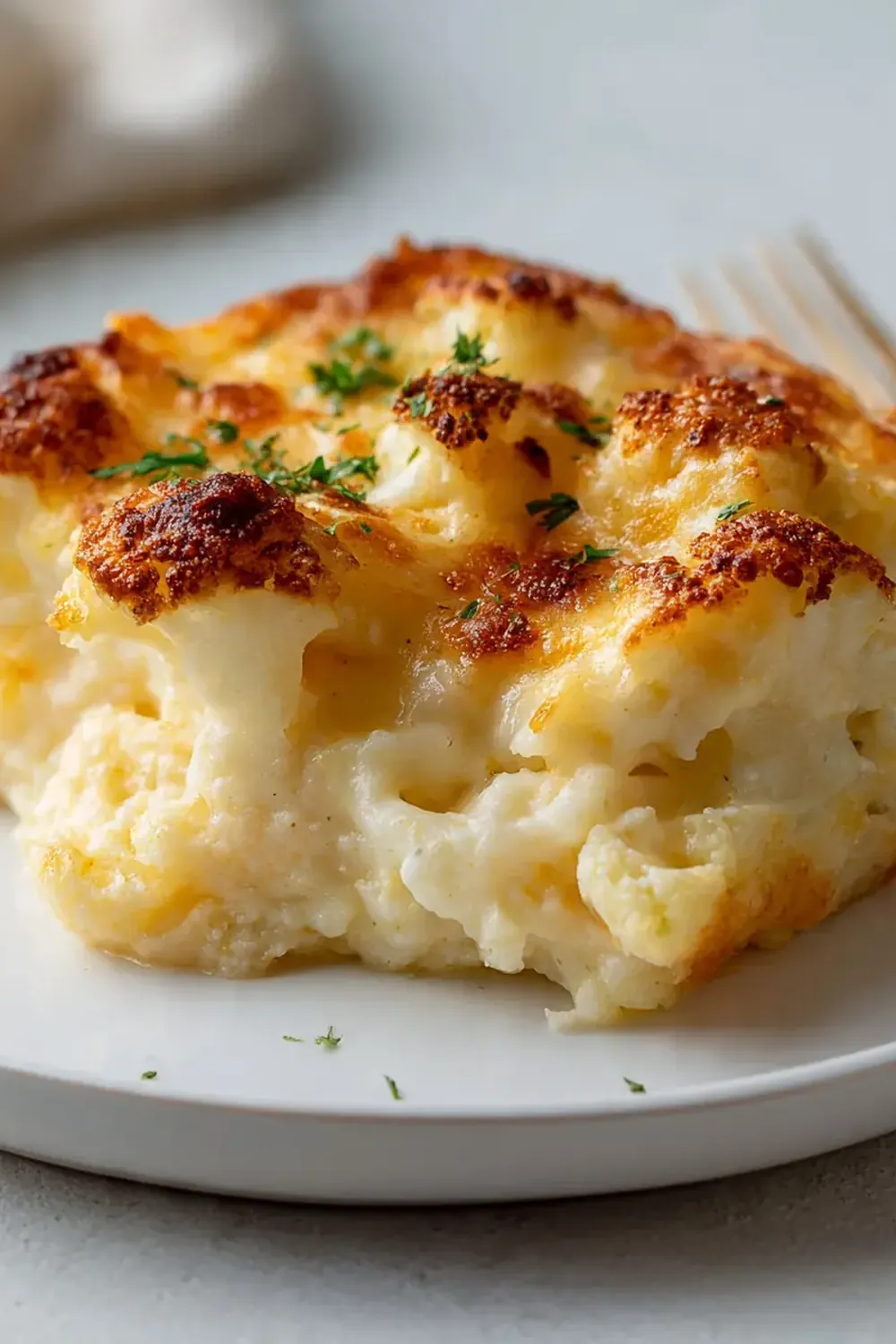
- Restaurant-Quality Presentation: This dish is designed to impress, with a beautifully browned, crispy topping and a creamy, elegant interior that looks as good as it tastes.
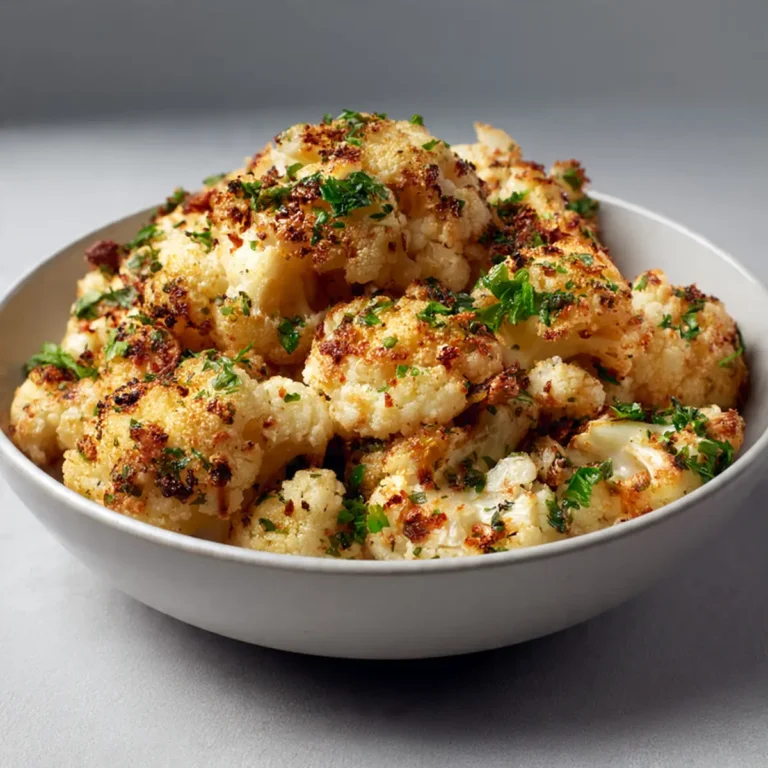
- Deep, Savoury Flavour: By roasting the cauliflower first, we unlock a nutty, caramelised sweetness that you simply can’t get from boiling.
- Perfect for Entertaining: Friends always ask me for this recipe after trying it at dinner parties. It’s sophisticated enough for a special occasion but simple enough for a weekend meal.
- Make-Ahead Friendly: You can assemble the entire casserole a day in advance, then simply pop it in the oven when your guests arrive.
- Customisable to Any Diet: This recipe adapts beautifully to vegetarian, gluten-free, or low-carb lifestyles without losing any of its luxurious texture.
Ingredients You’ll Need
- 1 large head of cauliflower (about 900g), broken into florets
- 3 tablespoons olive oil
- 1 teaspoon salt
- ½ teaspoon black pepper
- 2 tablespoons unsalted butter
- 1 large onion, finely diced
- 3 cloves garlic, minced
- 2 tablespoons plain flour
- 300ml whole milk
- 200ml double cream
- 150g mature cheddar cheese, grated
- 50g Parmesan cheese, finely grated
- 1 teaspoon Dijon mustard
- ¼ teaspoon freshly grated nutmeg
- 75g fresh breadcrumbs (from a crusty loaf)
Tip: For the best texture, cut the cauliflower florets into uniform, bite-sized pieces—this ensures even cooking and a more elegant final dish.
How to Make Homemade Cauliflower Casserole Recipe
- Preheat and Prepare: Preheat your oven to 200°C (180°C fan). Toss the cauliflower florets with olive oil, salt, and pepper in a large bowl until they glisten. Spread them in a single layer on a large baking tray. Roast for 20 minutes, turning halfway, until the edges are golden brown and you can smell a sweet, nutty aroma. The florets should be tender when pierced with a fork but still hold their shape.
- Make the Sauce: While the cauliflower roasts, melt the butter in a medium saucepan over a medium heat. Add the finely diced onion and cook for 5-7 minutes, stirring occasionally, until it becomes translucent and soft, releasing a gentle, sweet fragrance. Add the minced garlic and cook for one more minute until fragrant.
- Create the Roux: Sprinkle the flour over the onion mixture and stir continuously for 1-2 minutes. The mixture will form a thick paste that smells slightly toasty. Slowly pour in the milk, whisking constantly to avoid lumps. The sauce will thicken and turn a pale, creamy colour after about 3-4 minutes. Stir in the double cream, then reduce the heat to low.
- Finish the Cheese Sauce: Add the grated cheddar, Parmesan, Dijon mustard, and nutmeg to the saucepan. Stir until the cheeses have completely melted and the sauce is smooth, glossy, and a pale golden colour. Taste and adjust seasoning with a little more salt and pepper. The sauce should be thick enough to coat the back of a spoon.
- Assemble the Casserole: Place the roasted cauliflower florets into a 9×13 inch baking dish, arranging them in an even, attractive layer. Pour the warm cheese sauce over the top, ensuring every floret is generously coated. Gently shake the dish to help the sauce settle into all the gaps.
- Add the Topping: In a small bowl, toss the fresh breadcrumbs with a tablespoon of melted butter until they are evenly coated. Sprinkle the buttery breadcrumbs over the sauced cauliflower in an even, thick layer. This will create a golden, crunchy crust that contrasts beautifully with the creamy interior.
- Bake to Perfection: Place the dish in the oven and bake for 20-25 minutes. You’ll know it’s ready when the sauce is bubbling around the edges with a soft, sizzling sound, and the breadcrumb topping is a deep, golden brown. The kitchen will smell richly of cheese and toasted bread. Let it rest on the counter for 10 minutes before serving—this allows the sauce to set slightly for cleaner slices.
Tips From My Kitchen
- Roast, Don’t Boil: Roasting the cauliflower is non-negotiable for a restaurant-quality result. Boiling makes the florets waterlogged and bland. Roasting at a high temperature caramelises their natural sugars, giving them a sweet, nutty flavour and a firm texture that holds up beautifully in the casserole.
- Grate Your Own Cheese: Pre-shredded cheese often contains anti-caking agents that prevent it from melting smoothly. Grating your own cheddar and Parmesan ensures a velvety, lump-free sauce that coats every piece of cauliflower perfectly.
- Don’t Skip the Nutmeg: Freshly grated nutmeg is the secret ingredient that elevates the sauce from good to extraordinary. It adds a warm, aromatic note that complements the creamy cheese without overpowering it. A little goes a long way—just a quarter of a teaspoon is enough.
- Make Fresh Breadcrumbs: For the crispiest topping, use fresh breadcrumbs from a good-quality crusty loaf. Panko breadcrumbs can be used in a pinch, but homemade crumbs absorb butter better and create a more substantial, golden crust that adds wonderful texture.
- Rest Before Serving: Letting the casserole rest for 10 minutes after baking is crucial. This allows the sauce to thicken slightly and set, making it easier to serve neat, attractive portions. If you serve it straight from the oven, the sauce will be too runny and the dish will look messy on the plate.
- Use a Hot Oven for the Topping: If your topping isn’t browning quickly enough in the last 5 minutes, switch the oven to grill (broil) for 1-2 minutes. Watch it carefully—the breadcrumbs can go from golden to burnt in seconds. This final blast of heat guarantees a stunning, crackling crust.
Equipment You’ll Need
- 9×13 inch baking dish
- Aluminium foil
- Mixing bowls
- Sharp knife
- Large baking tray
- Medium saucepan
- Whisk
- Wooden spoon
Common Mistakes to Avoid
- Overcrowding the pan: When roasting the cauliflower, make sure the florets are in a single layer with a little space between them. If they’re piled on top of each other, they will steam instead of roast, resulting in a soft, pale texture rather than the caramelised, golden edges we’re aiming for.
- Wrong temperature: Baking the casserole at too low a temperature will cause the sauce to separate and the topping to become soggy. Stick to 200°C (180°C fan) for a perfect balance—the sauce bubbles beautifully, and the breadcrumbs crisp up without burning.
- Skipping the rest time: It’s tempting to serve the casserole immediately, but skipping the 10-minute rest is a common mistake. Without this pause, the sauce is too liquid and will run all over the plate, ruining the presentation. The rest time allows the dish to set, giving you clean, elegant servings.
- Overcooking the cauliflower: Roast the florets until they are just tender. If you cook them until they are falling apart, they will disintegrate when mixed with the sauce. The goal is a firm bite that holds its shape within the creamy casserole.
- Using a watery sauce: If your sauce is too thin, it will pool at the bottom of the dish and make the casserole soggy. Cook the roux properly and let the sauce simmer until it thickens to a coating consistency—it should cling to the spoon, not run off it.
Delicious Variations to Try
- Spicy Version: Add ½ teaspoon of smoked paprika and a pinch of cayenne pepper to the cheese sauce. For an extra kick, stir in a finely chopped red chilli (seeds removed) along with the garlic. The smoky heat pairs brilliantly with the sweet roasted cauliflower.
- Vegetarian/Vegan Option: To make this plant-based, replace the butter with a good-quality vegan butter, use oat or cashew milk for the cream, and substitute the cheddar with a vegan melting cheese. Nutritional yeast can be added for a cheesy, savoury depth. The breadcrumbs can be made from a vegan-friendly sourdough.
- Different Protein: For a heartier main course, fold 300g of shredded cooked chicken or turkey into the sauce before pouring it over the cauliflower. You could also add 200g of cooked, flaked salmon for a luxurious twist. I stumbled upon this combination by accident, and it’s been a hit ever since.
- Herb-Infused Version: Stir a tablespoon of finely chopped fresh thyme or rosemary into the sauce just before pouring it over the cauliflower. The earthy herbs add a lovely aromatic layer that makes the dish feel even more sophisticated.
What to Serve With Homemade Cauliflower Casserole Recipe
- A crisp green salad with a tangy lemon vinaigrette to cut through the richness.
- Grilled or roasted chicken breasts for a simple, elegant protein.
- Steamed green beans or tenderstem broccoli for added colour and crunch.
- A side of Ground Beef And Rice Recipe Skillet for a more substantial meal.
- For a lighter option, serve alongside a bowl of Lentil Soup Recipe Hearty Comfort.
Frequently Asked Questions
Homemade Cauliflower Casserole Recipe
Ingredients
Method
- Preheat and Prepare: Preheat your oven to 200°C (180°C fan). Toss the cauliflower florets with olive oil, salt, and pepper in a large bowl until they glisten. Spread them in a single layer on a large baking tray. Roast for 20 minutes, turning halfway, until the edges are golden brown and you can smell a sweet, nutty aroma. The florets should be tender when pierced with a fork but still hold their shape.
- Make the Sauce: While the cauliflower roasts, melt the butter in a medium saucepan over a medium heat. Add the finely diced onion and cook for 5-7 minutes, stirring occasionally, until it becomes translucent and soft, releasing a gentle, sweet fragrance. Add the minced garlic and cook for one more minute until fragrant.
- Create the Roux: Sprinkle the flour over the onion mixture and stir continuously for 1-2 minutes. The mixture will form a thick paste that smells slightly toasty. Slowly pour in the milk, whisking constantly to avoid lumps. The sauce will thicken and turn a pale, creamy colour after about 3-4 minutes. Stir in the double cream, then reduce the heat to low.
- Finish the Cheese Sauce: Add the grated cheddar, Parmesan, Dijon mustard, and nutmeg to the saucepan. Stir until the cheeses have completely melted and the sauce is smooth, glossy, and a pale golden colour. Taste and adjust seasoning with a little more salt and pepper. The sauce should be thick enough to coat the back of a spoon.
- Assemble the Casserole: Place the roasted cauliflower florets into a 9x13 inch baking dish, arranging them in an even, attractive layer. Pour the warm cheese sauce over the top, ensuring every floret is generously coated. Gently shake the dish to help the sauce settle into all the gaps.
- Add the Topping: In a small bowl, toss the fresh breadcrumbs with a tablespoon of melted butter until they are evenly coated. Sprinkle the buttery breadcrumbs over the sauced cauliflower in an even, thick layer. This will create a golden, crunchy crust that contrasts beautifully with the creamy interior.
- Bake to Perfection: Place the dish in the oven and bake for 20-25 minutes. You'll know it's ready when the sauce is bubbling around the edges with a soft, sizzling sound, and the breadcrumb topping is a deep, golden brown. The kitchen will smell richly of cheese and toasted bread. Let it rest on the counter for 10 minutes before serving—this allows the sauce to set slightly for cleaner slices.
Notes
I hope this homemade cauliflower casserole recipe becomes a staple in your entertaining repertoire, just as it has in mine. The combination of caramelised cauliflower, velvety cheese sauce, and a golden, crunchy topping is simply unforgettable. For another crowd-worthy dish, you might enjoy our Buffalo Chicken Mac Recipe Spicy Pasta. I’d love to hear how yours turns out—please leave a comment below and share your own special touches. Happy cooking!