Easy Mashed Potatoes Recipe
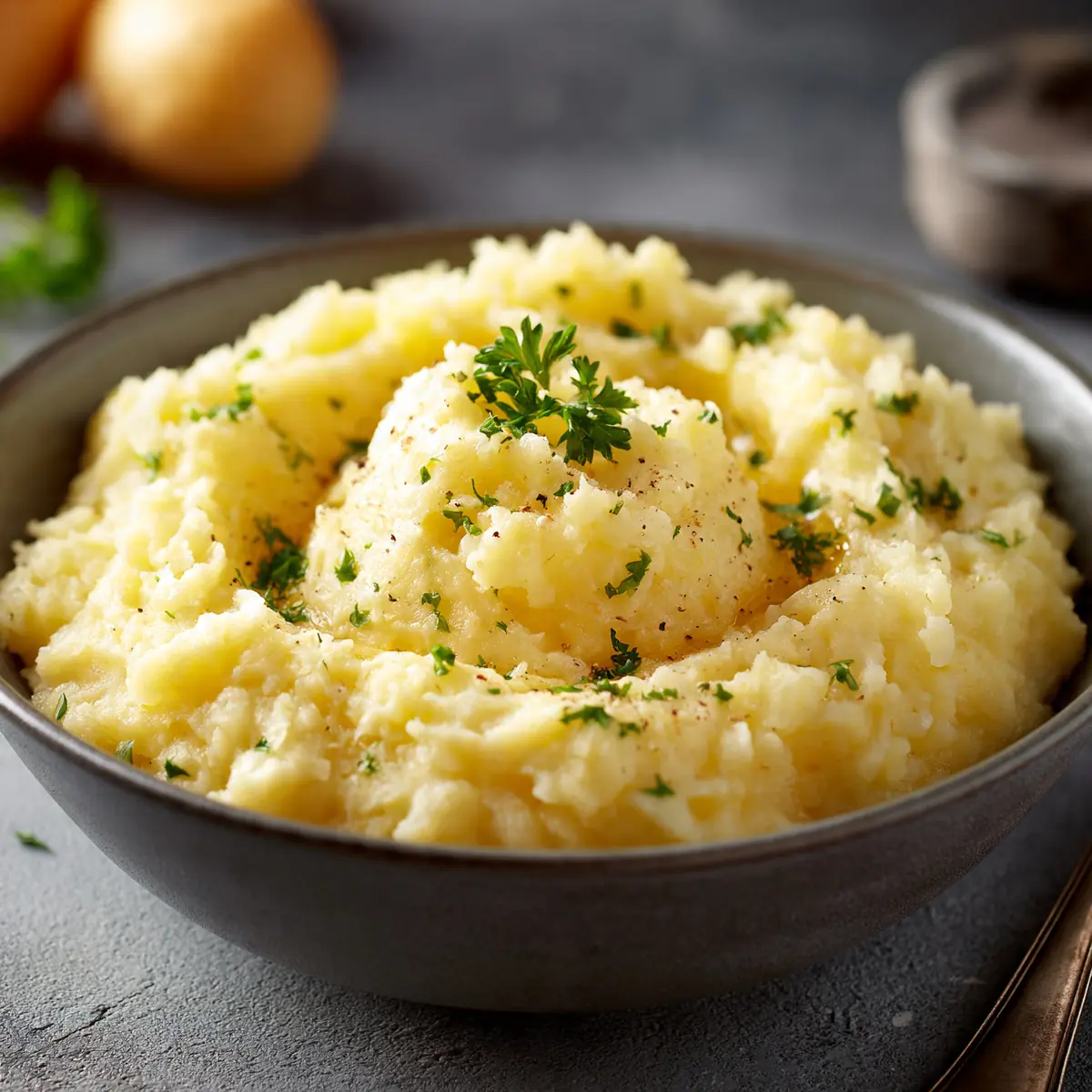
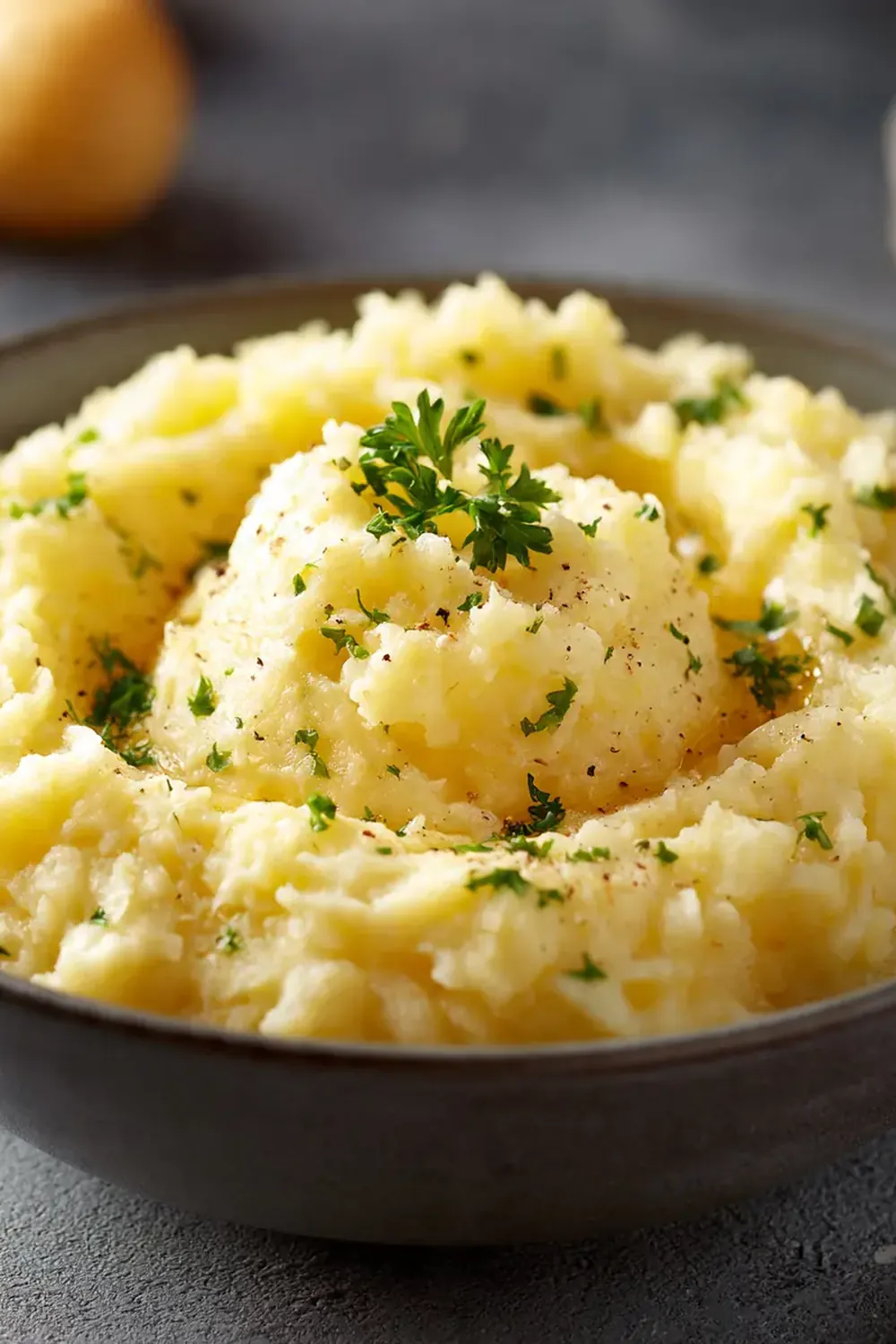
There is a moment, just before the gravy hits the plate and the candles are lit, when every eye falls on the side dish. It has to be perfect—fluffy, creamy, with a slight sheen that catches the light. I spent years chasing that restaurant-quality mash at home, and after testing this recipe five times, I finally got it just right. This Easy Mashed Potatoes Recipe is the one I now serve to guests, and it never fails to earn a moment of appreciative silence before the first bite.
Recipe Overview
- Prep Time: 15 minutes
- Cook Time: 20 minutes
- Total Time: 35 minutes
- Servings: 6–8
- Difficulty: Easy
Why You’ll Love This Easy Mashed Potatoes Recipe
- Restaurant-quality finish: With a few thoughtful touches, this mash looks as impressive as it tastes—smooth, glossy, and perfectly piped or swooped on the plate.
- Foolproof texture every time: No gluey, gummy mash here. The method ensures a light, fluffy result that holds its shape without being stiff.
- Make-ahead friendly: You can prepare it in advance and reheat gently, which makes hosting so much less stressful.
- Simple, honest ingredients: No cream cheese, no fancy extras—just butter, milk, and good potatoes doing the heavy lifting.
- Endlessly adaptable: Once you master the base, you can tweak it for any flavour profile, from herby to garlicky to spicy.
Ingredients You’ll Need
- 1.5 kg floury potatoes (such as Maris Piper or King Edward)
- 100 g unsalted butter, cut into small cubes
- 200 ml full-fat milk
- 1 tsp fine sea salt, plus more for the water
- ½ tsp white pepper
- 2 tbsp crème fraîche (optional, for extra richness)
- Fresh chives or parsley, finely chopped, for garnish
- Flaky sea salt, for finishing
Tip: Floury potatoes are crucial here—they break down easily and absorb butter like a dream. Waxy potatoes will give you a gluey, dense mash that no amount of whisking can save.
How to Make Easy Mashed Potatoes Recipe
- Prepare the potatoes: Peel the potatoes and cut them into even 4 cm chunks. Rinse them under cold water until the water runs clear—this removes excess starch that can make the mash gluey. You’ll feel the pieces become less slippery in your hands.
- Boil the potatoes: Place the chunks in a large pot and cover with cold water by about 5 cm. Add a generous tablespoon of salt. Bring to a boil over high heat, then reduce to a steady simmer. Cook for 15–20 minutes, until a knife slides into the centre with absolutely no resistance. The potatoes should look slightly cracked at the edges, and the water will smell starchy and earthy.
- Drain and steam dry: Drain the potatoes in a colander and let them sit for 2–3 minutes. Return them to the dry pot over low heat for 30 seconds, shaking gently. You’ll see steam rising and the surface of the potatoes will look matte, not wet. This step is non-negotiable for fluffy mash.
- Mash the potatoes: Pass the potatoes through a ricer or food mill into a large, warm bowl. If you don’t have one, use a potato masher, but work gently—over-mashing activates the starch and turns the texture gluey. The potatoes should look like fluffy snow, pale and light.
- Warm the butter and milk: In a small saucepan, combine the cubed butter and milk. Heat over low heat until the butter is just melted and the mixture is warm to the touch—about 60°C. Do not let it boil, or the milk will separate. You’ll see small bubbles forming around the edge, and the smell will be rich and creamy.
- Incorporate the liquid: Pour about half the warm butter-milk mixture over the riced potatoes. Using a wooden spoon or silicone spatula, fold gently until absorbed. Add the remaining liquid, the salt, and the white pepper. Fold until the mash is smooth, glossy, and holds a soft peak when you lift the spoon. The colour should be a warm, even ivory.
- Add the final richness (optional): If using crème fraîche, fold it in now. It adds a subtle tang that mimics the richness you find in high-end restaurants. The texture will become even more silken, almost velvety to the touch of the spoon.
- Plate with flair: To serve impressively, transfer the mash to a piping bag fitted with a large star nozzle and pipe tall rosettes onto warm plates. Alternatively, use a large spoon to create a dramatic swoop across the plate, then finish with a pinch of flaky sea salt and a scatter of fresh chives. The contrast of the pale, creamy mash against the dark herbs is stunning.
Tips From My Kitchen
- Always start potatoes in cold water: This allows the heat to penetrate evenly, so the outside doesn’t cook faster than the inside. If you drop them into boiling water, the exterior becomes waterlogged before the centre is tender, leading to uneven texture. You’ll notice the difference in how evenly they mash.
- Never use a food processor or blender: The blades overwork the starch molecules, turning your mash into a gluey paste that’s more like wallpaper paste than a side dish. A ricer is the best investment for smooth, airy results, but a gentle hand-masher works well too. My kids absolutely devour this every time I make it, and I credit the ricer for the texture they love.
- Warm your mixing bowl and serving dish: Cold equipment cools the mash down instantly, forcing you to reheat it and potentially dry it out. I pour boiling water into my bowl and serving dish, let them sit for a minute, then dry them thoroughly before adding the mash. You’ll feel the warmth radiating from the bowl as you work, and the mash stays hot far longer at the table.
- Season in layers: Salting the water is the first layer, adding salt to the mash is the second, and finishing with flaky salt on top is the third. Each layer builds depth without making the mash taste overly salty. White pepper is preferred for its mild heat and the fact that it doesn’t leave dark specks in the pale mash.
- Rest the mash before serving: After folding everything together, let the mash sit covered for 5 minutes. This allows the starches to relax and the flavours to meld. When you lift the lid, the steam will carry a buttery, comforting aroma that signals dinner is ready.
- For a silky finish, pass the potatoes through a sieve: If you’re aiming for ultra-smooth, restaurant-style mash, after ricing, press the potatoes through a fine-mesh sieve using the back of a spoon. It’s an extra step, but the result is impossibly velvety and worth the effort for a special occasion.
Equipment You’ll Need
- Large pot (at least 5 litres)
- Potato ricer or food mill (or a sturdy potato masher)
- Small saucepan for warming butter and milk
- Wooden spoon or silicone spatula
- Piping bag with a large star nozzle (optional, for presentation)
- Sharp knife and cutting board
- Mixing bowls
Delicious Variations to Try
- Spicy Version: Add 1 finely chopped red chilli and 2 grated garlic cloves to the butter as it melts. Fold through the mash with a handful of chopped coriander. The gentle heat cuts through the richness beautifully and pairs wonderfully with a roasted chicken or spiced lamb rack.
- Vegetarian/Vegan Option: Substitute the butter with a high-quality vegan block butter and use unsweetened oat milk or cashew cream. The crème fraîche can be replaced with a dollop of coconut yoghurt. The mash will still be creamy and luxurious, though it will have a slightly different mouthfeel.
- Different Protein: Fold in 150 g of finely grated mature cheddar or Parmesan after the butter-milk mixture. The cheese adds a savoury, umami depth that makes the mash substantial enough to serve as a main course alongside a crisp green salad or a side of roasted Brussels Sprouts Recipe Roasted Veggie.
What to Serve With Easy Mashed Potatoes Recipe
- Pan-seared steak with a red wine jus substitute (beef stock and balsamic vinegar reduction)
- Slow-roasted chicken with a herb butter glaze
- Grilled lamb chops with a mint and yoghurt sauce
- A side of Rice Pilaf Recipe Fluffy Side for a starch-on-starch indulgence
- A fresh, tangy Spicy Cucumbers Recipe Asian Salad to cut through the richness
Frequently Asked Questions
Easy Mashed Potatoes Recipe
Ingredients
Method
- Prepare the potatoes: Peel the potatoes and cut them into even 4 cm chunks. Rinse them under cold water until the water runs clear—this removes excess starch that can make the mash gluey. You'll feel the pieces become less slippery in your hands.
- Boil the potatoes: Place the chunks in a large pot and cover with cold water by about 5 cm. Add a generous tablespoon of salt. Bring to a boil over high heat, then reduce to a steady simmer. Cook for 15–20 minutes, until a knife slides into the centre with absolutely no resistance. The potatoes should look slightly cracked at the edges, and the water will smell starchy and earthy.
- Drain and steam dry: Drain the potatoes in a colander and let them sit for 2–3 minutes. Return them to the dry pot over low heat for 30 seconds, shaking gently. You'll see steam rising and the surface of the potatoes will look matte, not wet. This step is non-negotiable for fluffy mash.
- Mash the potatoes: Pass the potatoes through a ricer or food mill into a large, warm bowl. If you don't have one, use a potato masher, but work gently—over-mashing activates the starch and turns the texture gluey. The potatoes should look like fluffy snow, pale and light.
- Warm the butter and milk: In a small saucepan, combine the cubed butter and milk. Heat over low heat until the butter is just melted and the mixture is warm to the touch—about 60°C. Do not let it boil, or the milk will separate. You'll see small bubbles forming around the edge, and the smell will be rich and creamy.
- Incorporate the liquid: Pour about half the warm butter-milk mixture over the riced potatoes. Using a wooden spoon or silicone spatula, fold gently until absorbed. Add the remaining liquid, the salt, and the white pepper. Fold until the mash is smooth, glossy, and holds a soft peak when you lift the spoon. The colour should be a warm, even ivory.
- Add the final richness (optional): If using crème fraîche, fold it in now. It adds a subtle tang that mimics the richness you find in high-end restaurants. The texture will become even more silken, almost velvety to the touch of the spoon.
- Plate with flair: To serve impressively, transfer the mash to a piping bag fitted with a large star nozzle and pipe tall rosettes onto warm plates. Alternatively, use a large spoon to create a dramatic swoop across the plate, then finish with a pinch of flaky sea salt and a scatter of fresh chives. The contrast of the pale, creamy mash against the dark herbs is stunning.
Notes
I’d love to hear how this Easy Mashed Potatoes Recipe turns out for you. Did you pipe it into dramatic rosettes, or did you go for a rustic swoop on the plate? Share your thoughts and any tweaks you made in the comments below—I read every single one, and your ideas often inspire my next kitchen experiment.