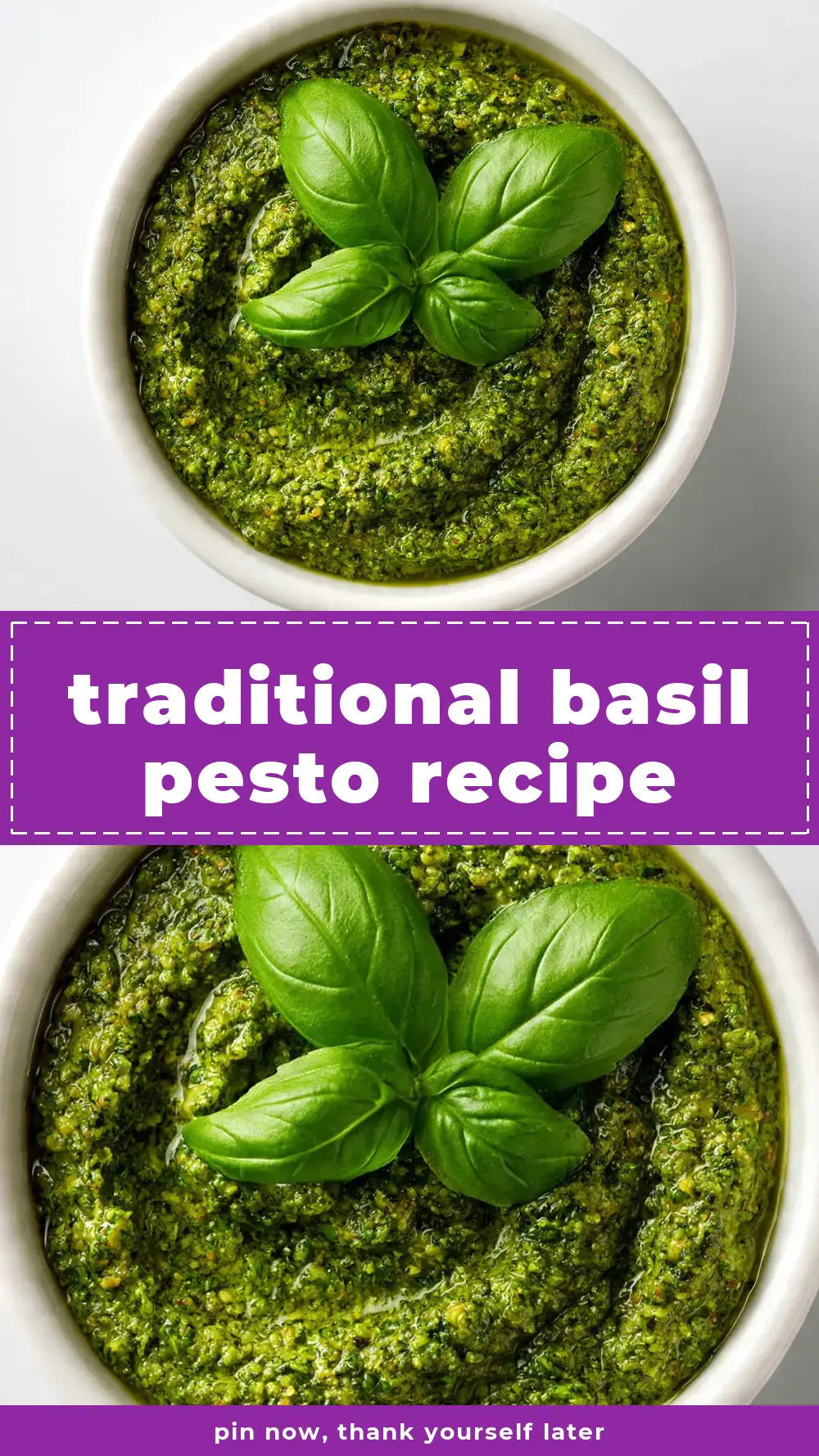
Traditional Basil Pesto Recipe
There’s a moment, just before guests arrive, when the kitchen falls quiet and the only sound is the rhythmic thud of a knife against a wooden board. That’s when I reach for a bundle of fresh basil, the scent so pungent it fills the air like a promise. This traditional basil pesto recipe isn’t just about tossing sauce into pasta; it’s the secret weapon I use to transform a simple weeknight dinner into a dinner party centrepiece, all without breaking a sweat. I’ve spent years perfecting the balance of nutty, salty, and herbaceous notes, and I’m ready to share exactly how to plate it like a professional chef.
Recipe Overview
- Preparation Time: 15 minutes
- Cooking Time: 10 minutes (for pasta)
- Total Time: 25 minutes
- Servings: 4 as a main course, 6 as a starter
- Difficulty: Easy
Why You’ll Love This Traditional Basil Pesto Recipe
- Restaurant-Quality Presentation: With a few intentional plating tricks, this pesto looks as though it was plated by a Michelin-starred chef, making every meal feel like a special occasion.
- Bold, Fresh Flavour in Minutes: The vibrant green colour and punchy taste of fresh basil, pine nuts, and Parmesan create a sauce that’s far superior to anything from a jar, and it comes together in less time than it takes to boil water.
- Incredibly Versatile: Beyond pasta, this pesto elevates grilled chicken, roasted vegetables, or a simple bruschetta, giving you multiple impressive dishes from one batch.
- Consistent Results Every Time: The sensory cues in this recipe—the glossy sheen of the olive oil, the fragrant aroma of crushed basil—ensure you know exactly when it’s perfect, even on your first attempt.
- Impressive Without the Stress: This is my go-to recipe when I need something quick but impressive. My husband, who’s usually picky, asked for seconds the first time I served it with a drizzle of extra oil and a sprinkle of flaky salt.
Ingredients You’ll Need
- 60g fresh basil leaves (about 2 large bunches)
- 2 cloves garlic, peeled
- 40g pine nuts
- 50g freshly grated Parmesan cheese
- 25g freshly grated Pecorino Romano cheese
- 120ml extra-virgin olive oil, plus extra for storing
- ½ teaspoon flaky sea salt
- ¼ teaspoon freshly ground black pepper
- 1 tablespoon lemon juice (optional, for brightness)
- 400g dried pasta (such as trofie, linguine, or spaghetti)
- Fresh basil leaves, for garnish
- Flaky sea salt, for finishing
Tip: For the most vibrant colour and flavour, use the freshest basil you can find. Wilted or dark-spotted leaves will result in a dull, less aromatic pesto.
How to Make Traditional Basil Pesto Recipe
- Prepare the Basil and Garlic: Gently wash the basil leaves and pat them completely dry with a clean tea towel. Any excess water will make the pesto watery and less emulsified. Peel the garlic cloves and roughly chop them so they blend more easily.
- Toast the Pine Nuts: Place the pine nuts in a dry frying pan over a medium heat. Shake the pan frequently; you’ll hear them begin to pop and sizzle after about 2 minutes. When they turn a pale golden brown and smell wonderfully nutty, tip them onto a plate to cool. Don’t walk away—they burn quickly and become bitter.
- Blend the Base: In a food processor, combine the cooled pine nuts, chopped garlic, and a pinch of the sea salt. Pulse 5-6 times until they form a coarse, sandy texture. The garlic will release a sharp, pungent aroma at this stage.
- Add the Basil: Add the dried basil leaves to the food processor. Pulse another 5-6 times, scraping down the sides with a spatula. You’ll see the leaves break down into a vivid green paste, and the scent will shift from sharp garlic to sweet, herbaceous basil.
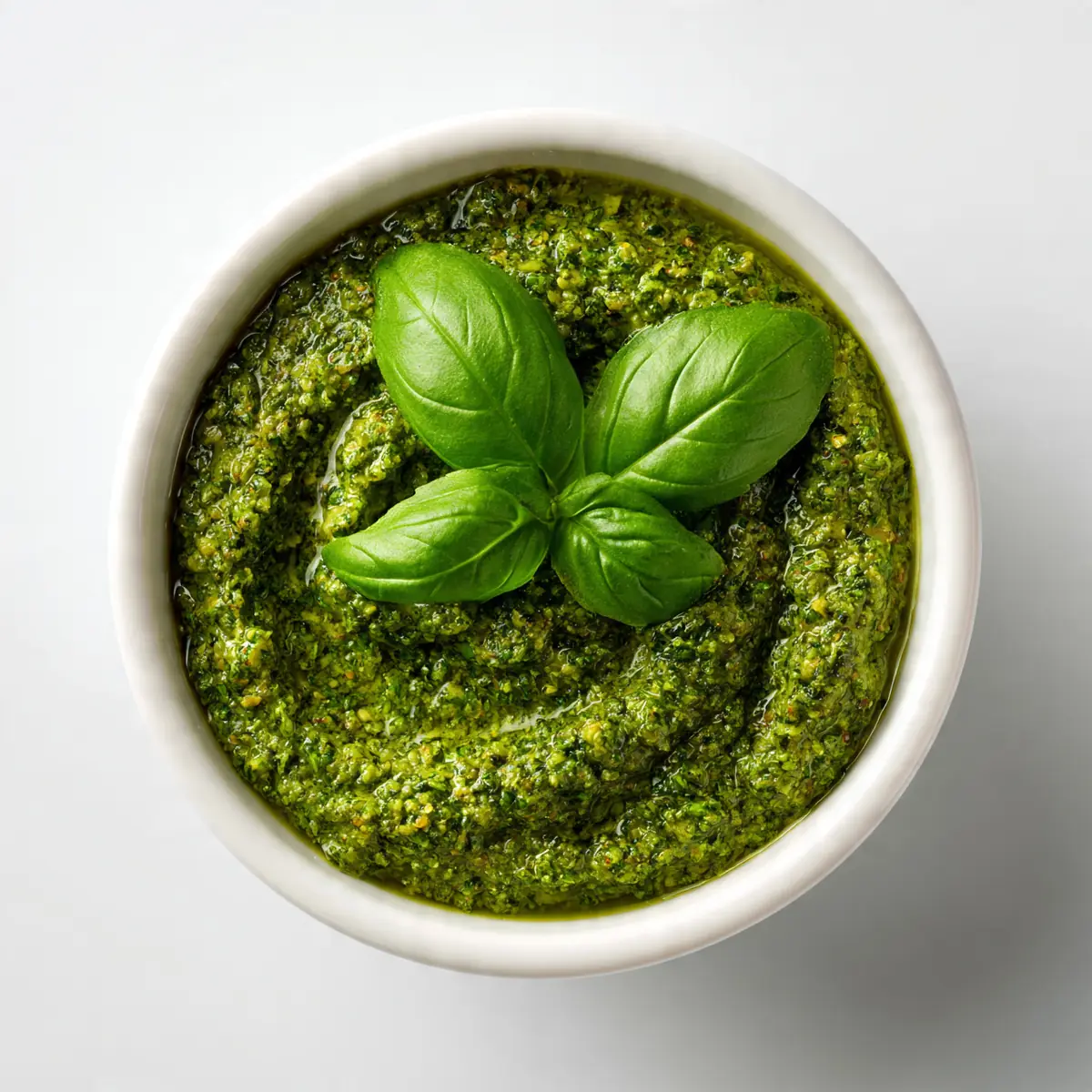
- Stream in the Oil: With the motor running, slowly drizzle in the extra-virgin olive oil in a thin, steady stream. Watch as the mixture transforms from a chunky paste into a smooth, glossy, emulsified sauce. The sound of the motor will change to a smoother, creamier hum as the oil incorporates.
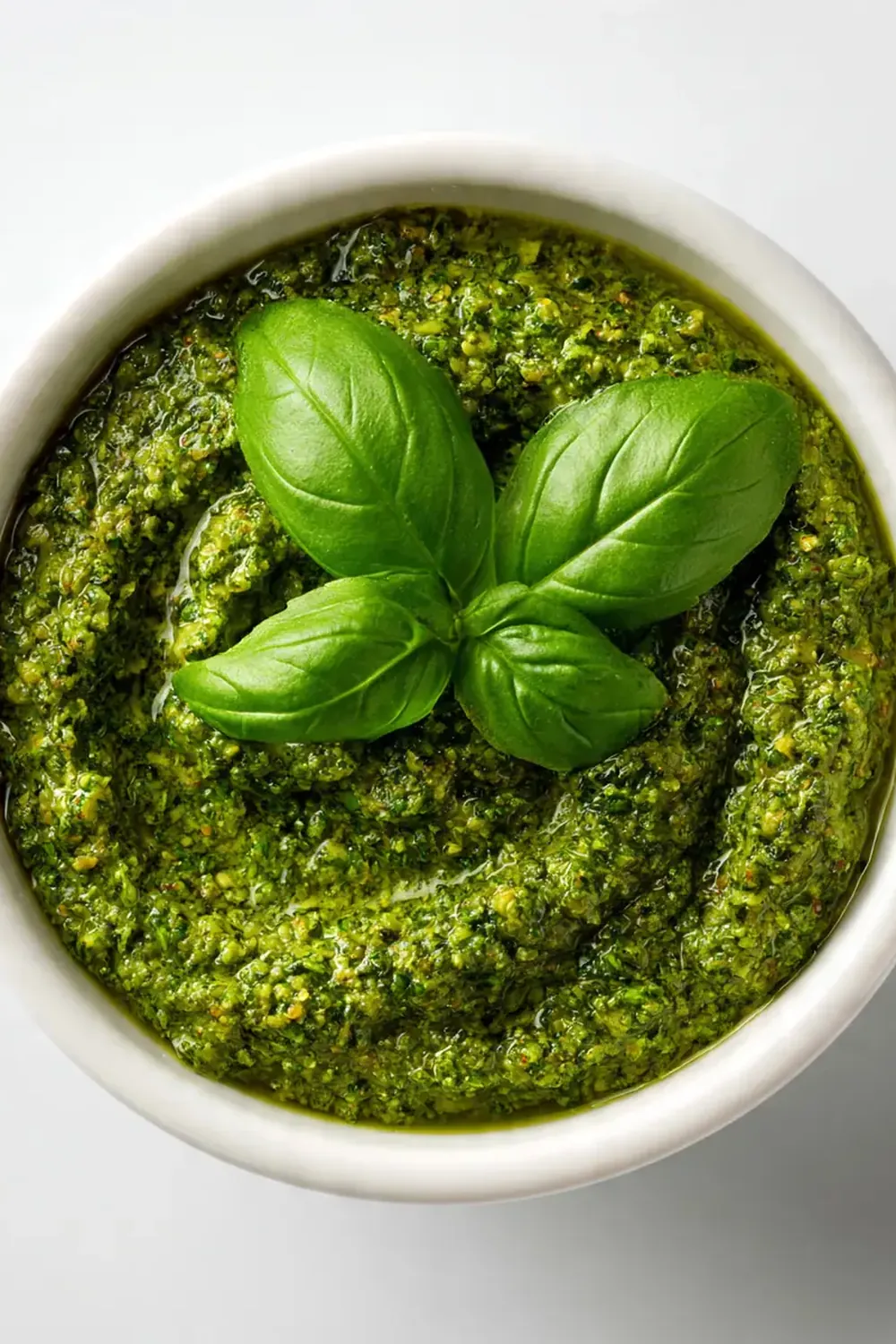
- Add the Cheese and Season: Stop the motor and add both grated cheeses, the remaining salt, and the pepper. Pulse just 3-4 times until combined. The pesto should look thick, creamy, and a vibrant emerald green. Taste a tiny bit—it should be rich, salty, and nutty. Stir in the lemon juice if using, for a subtle lift.
- Cook the Pasta: Bring a large pot of generously salted water to a rolling boil. Add your pasta and cook until al dente, usually 1 minute less than the packet instructions. Reserve 120ml of the starchy pasta water before draining. The water should look cloudy and feel slick between your fingers.
- Combine and Serve: Return the drained pasta to the warm pot. Add the pesto and 2 tablespoons of the reserved pasta water. Toss vigorously with tongs for about 30 seconds. The sauce will cling to the pasta, turning glossy and coating every strand. If it seems too thick, add another tablespoon of pasta water. Taste and adjust salt if needed.
Tips From My Kitchen
- Dry Your Basil Thoroughly: Wet basil leaves will cause your pesto to separate and become watery instead of creamy. After washing, spin them in a salad spinner and then lay them on a tea towel for 10 minutes. The leaves should feel dry to the touch, with no beads of water clinging to them.
- Use a Food Processor, Not a Blender: A blender’s high speed can generate heat, which cooks the basil and turns it brown. A food processor gives you more control, pulsing the ingredients into a coarse, textured paste rather than a smooth puree. The result is a pesto with more character and a brighter colour.
- Toast Nuts Just Before Using: Toasted pine nuts have a much deeper, buttery flavour than raw ones. However, they lose their crunch and become stale quickly. Toast them right before you start making the pesto, and let them cool completely before blending so they don’t warm the basil.
- Don’t Over-Process the Cheese: Adding the Parmesan and Pecorino at the very end and pulsing only a few times prevents the cheese from turning into a sticky, clumpy paste. You want tiny flecks of cheese throughout the pesto, not a uniform mush.
- Reserve More Pasta Water Than You Think: The starchy water is the key to a silky, restaurant-quality sauce that clings to the pasta. I always reserve a full cup, even if I only use half. The starch helps emulsify the oil and cheese into a creamy coating that doesn’t slide off the noodles.
- Plate with Intention: For a professional look, use tongs to twirl a portion of pasta into a neat nest in the centre of a warmed bowl. Spoon a little extra pesto on top, then finish with a drizzle of good olive oil, a few whole basil leaves, and a pinch of flaky sea salt. The contrast of textures and colours makes the dish look stunning.
Equipment You’ll Need
- Food processor
- Large frying pan or skillet (for toasting nuts)
- Sharp knife and cutting board
- Large pot for pasta
- Colander
- Mixing bowls
- Wooden spoon or spatula
- Measuring spoons and cups
Common Mistakes to Avoid
- Overcrowding the pan: When toasting the pine nuts, using a pan that’s too small means they steam rather than toast. Spread them in a single layer so they brown evenly. If they’re piled up, the ones on the bottom will burn before the ones on top even start to colour.
- Wrong temperature: Heat the pan to a medium heat before adding the nuts. If the pan is too hot, the outside of the nuts will burn while the inside stays raw. A gentle, steady heat gives you that even golden colour and nutty aroma without any bitter, charred notes.
- Skipping the rest time: After tossing the pesto with the pasta, let it sit in the warm pot for 30 seconds before serving. This brief rest allows the sauce to fully adhere to the pasta and the flavours to meld. Serving immediately can result in a sauce that pools at the bottom of the bowl rather than coating each strand.
Delicious Variations to Try
- Spicy Version: Add ½ teaspoon of red chilli flakes to the food processor along with the garlic. The heat will bloom in the oil, giving the pesto a gentle kick that cuts through the richness. Finish the plated dish with a few more flakes for visual appeal.
- Vegetarian/Vegan Option: Replace the Parmesan and Pecorino with 3 tablespoons of nutritional yeast and 2 tablespoons of soaked and drained cashews. The cashews provide creaminess, while the nutritional yeast mimics the savoury, cheesy flavour. Use a high-quality olive oil to keep the richness intact.
- Different Protein: Serve this pesto pasta alongside pan-seared chicken breasts from my Airline Chicken Recipe Pan Seared. The crispy skin and juicy meat pair beautifully with the herbaceous sauce. Alternatively, toss the pesto with grilled prawns or roasted cherry tomatoes for a lighter meal.
What to Serve With Traditional Basil Pesto Recipe
- A crisp green salad with a simple lemon vinaigrette to cut through the richness.
- Grilled or roasted vegetables, such as courgette, aubergine, or bell peppers.
- Crusty sourdough bread for mopping up any leftover pesto from the bowl.
- A side of Mediterranean Pasta Salad Recipe Cold for a summer buffet spread—the two dishes complement each other wonderfully.
Frequently Asked Questions
Traditional Basil Pesto Recipe
Ingredients
Method
-
Prepare the Basil and Garlic: Gently wash the basil leaves and pat them completely dry with a clean tea towel. Any excess water will make the pesto watery and less emulsified. Peel the garlic cloves and roughly chop them so they blend more easily.
-
Toast the Pine Nuts: Place the pine nuts in a dry frying pan over a medium heat. Shake the pan frequently; you’ll hear them begin to pop and sizzle after about 2 minutes. When they turn a pale golden brown and smell wonderfully nutty, tip them onto a plate to cool. Don’t walk away—they burn quickly and become bitter.
-
Blend the Base: In a food processor, combine the cooled pine nuts, chopped garlic, and a pinch of the sea salt. Pulse 5-6 times until they form a coarse, sandy texture. The garlic will release a sharp, pungent aroma at this stage.
-
Add the Basil: Add the dried basil leaves to the food processor. Pulse another 5-6 times, scraping down the sides with a spatula. You’ll see the leaves break down into a vivid green paste, and the scent will shift from sharp garlic to sweet, herbaceous basil.
-
Stream in the Oil: With the motor running, slowly drizzle in the extra-virgin olive oil in a thin, steady stream. Watch as the mixture transforms from a chunky paste into a smooth, glossy, emulsified sauce. The sound of the motor will change to a smoother, creamier hum as the oil incorporates.
-
Add the Cheese and Season: Stop the motor and add both grated cheeses, the remaining salt, and the pepper. Pulse just 3-4 times until combined. The pesto should look thick, creamy, and a vibrant emerald green. Taste a tiny bit—it should be rich, salty, and nutty. Stir in the lemon juice if using, for a subtle lift.
-
Cook the Pasta: Bring a large pot of generously salted water to a rolling boil. Add your pasta and cook until al dente, usually 1 minute less than the packet instructions. Reserve 120ml of the starchy pasta water before draining. The water should look cloudy and feel slick between your fingers.
-
Combine and Serve: Return the drained pasta to the warm pot. Add the pesto and 2 tablespoons of the reserved pasta water. Toss vigorously with tongs for about 30 seconds. The sauce will cling to the pasta, turning glossy and coating every strand. If it seems too thick, add another tablespoon of pasta water. Taste and adjust salt if needed.
Notes
I hope this recipe becomes your new secret for effortless entertaining. The next time you want to impress without spending hours in the kitchen, remember that a beautiful bowl of pesto pasta, finished with a drizzle of oil and a scattering of fresh basil, speaks volumes. I’d love to hear how you plate yours—share your thoughts and photos in the comments below.