Ingredients
Method
- Prepare the Basil and Garlic: Gently wash the basil leaves and pat them completely dry with a clean tea towel. Any excess water will make the pesto watery and less emulsified. Peel the garlic cloves and roughly chop them so they blend more easily.
- Toast the Pine Nuts: Place the pine nuts in a dry frying pan over a medium heat. Shake the pan frequently; you’ll hear them begin to pop and sizzle after about 2 minutes. When they turn a pale golden brown and smell wonderfully nutty, tip them onto a plate to cool. Don’t walk away—they burn quickly and become bitter.
- Blend the Base: In a food processor, combine the cooled pine nuts, chopped garlic, and a pinch of the sea salt. Pulse 5-6 times until they form a coarse, sandy texture. The garlic will release a sharp, pungent aroma at this stage.
- Add the Basil: Add the dried basil leaves to the food processor. Pulse another 5-6 times, scraping down the sides with a spatula. You’ll see the leaves break down into a vivid green paste, and the scent will shift from sharp garlic to sweet, herbaceous basil.
- Stream in the Oil: With the motor running, slowly drizzle in the extra-virgin olive oil in a thin, steady stream. Watch as the mixture transforms from a chunky paste into a smooth, glossy, emulsified sauce. The sound of the motor will change to a smoother, creamier hum as the oil incorporates.
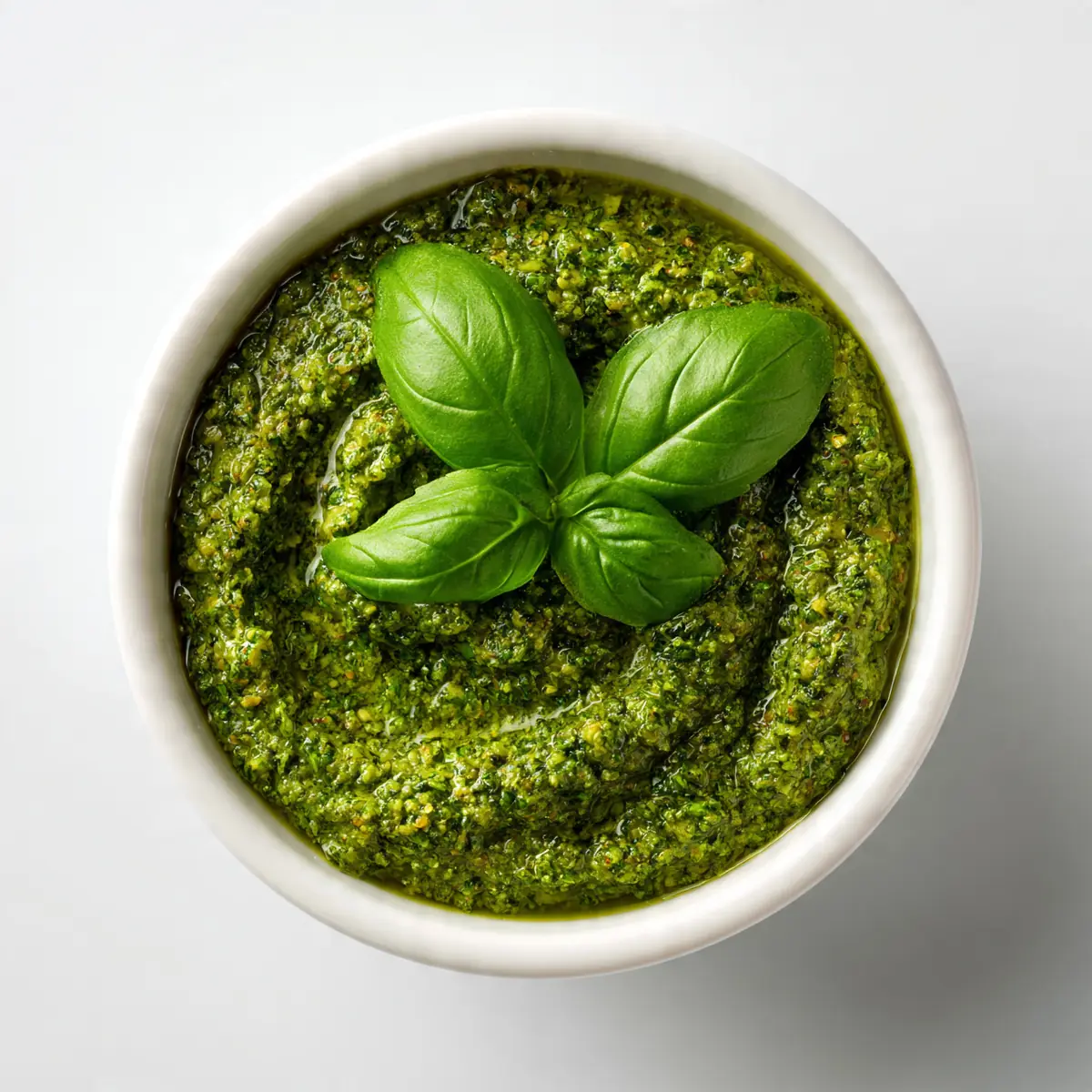
- Add the Cheese and Season: Stop the motor and add both grated cheeses, the remaining salt, and the pepper. Pulse just 3-4 times until combined. The pesto should look thick, creamy, and a vibrant emerald green. Taste a tiny bit—it should be rich, salty, and nutty. Stir in the lemon juice if using, for a subtle lift.
- Cook the Pasta: Bring a large pot of generously salted water to a rolling boil. Add your pasta and cook until al dente, usually 1 minute less than the packet instructions. Reserve 120ml of the starchy pasta water before draining. The water should look cloudy and feel slick between your fingers.
- Combine and Serve: Return the drained pasta to the warm pot. Add the pesto and 2 tablespoons of the reserved pasta water. Toss vigorously with tongs for about 30 seconds. The sauce will cling to the pasta, turning glossy and coating every strand. If it seems too thick, add another tablespoon of pasta water. Taste and adjust salt if needed.
Notes
Toasting pine nuts carefully is crucial to avoid bitterness. Reserve pasta water to adjust sauce consistency. Lemon juice is optional but adds brightness.