Classic Beet Salad Recipe
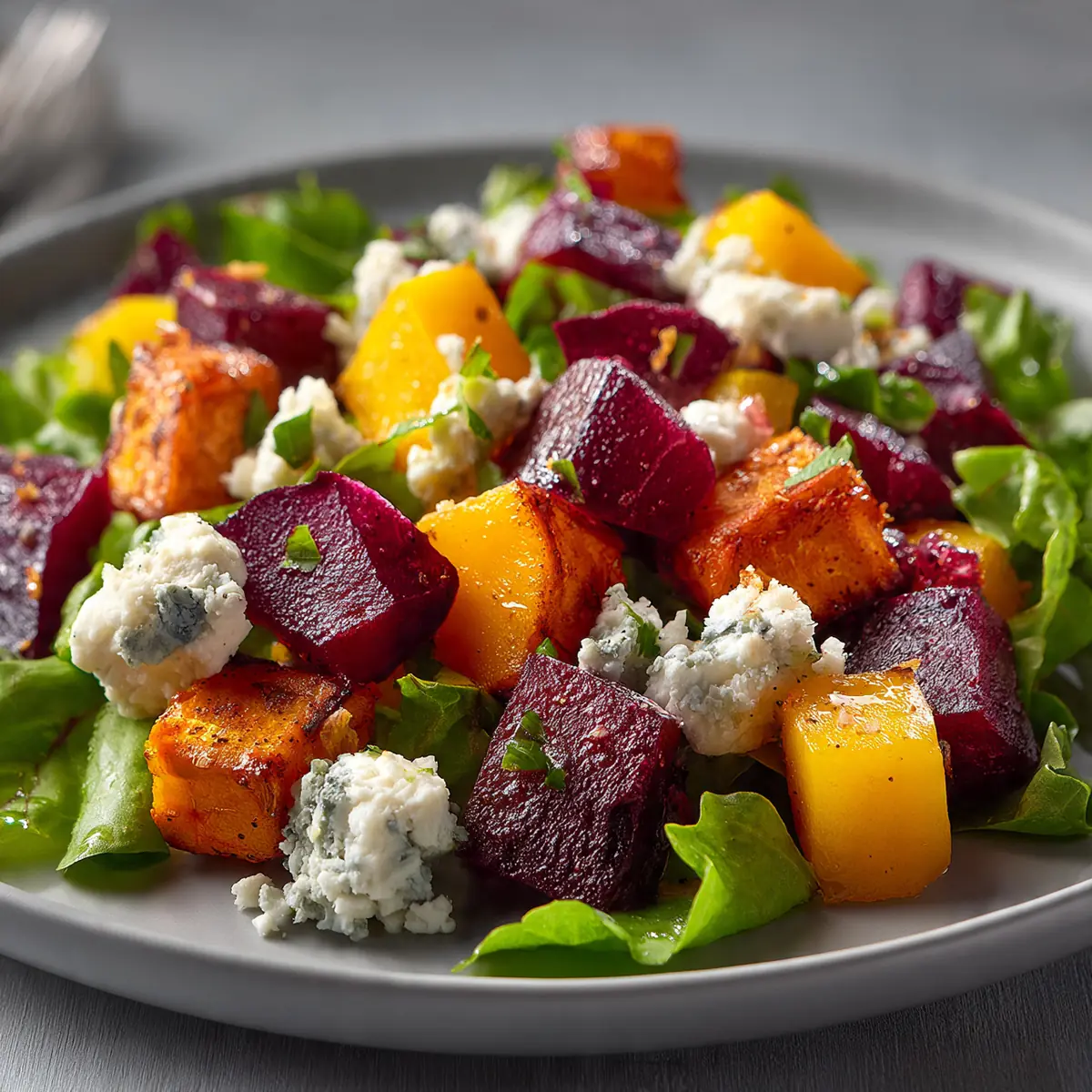
I’m going to let you in on a little secret: a beetroot salad, when done right, can steal the show at any dinner party. It’s not just a side dish relegated to the corner of the plate; it’s a vibrant, jewel-toned centrepiece that whispers sophistication. I stumbled upon this combination by accident while trying to use up a glut of farmers’ market produce, and it’s been a hit ever since. My husband, who’s usually picky about cold vegetables, asked for seconds, and I knew I had cracked the code to making this earthy root vegetable feel truly special.
Recipe Overview
- Prep Time: 15 minutes
- Cook Time: 60-70 minutes (for roasting)
- Total Time: 1 hour 25 minutes
- Servings: 4-6 as a side
- Difficulty: Easy
Why You’ll Love This Classic Beet Salad Recipe
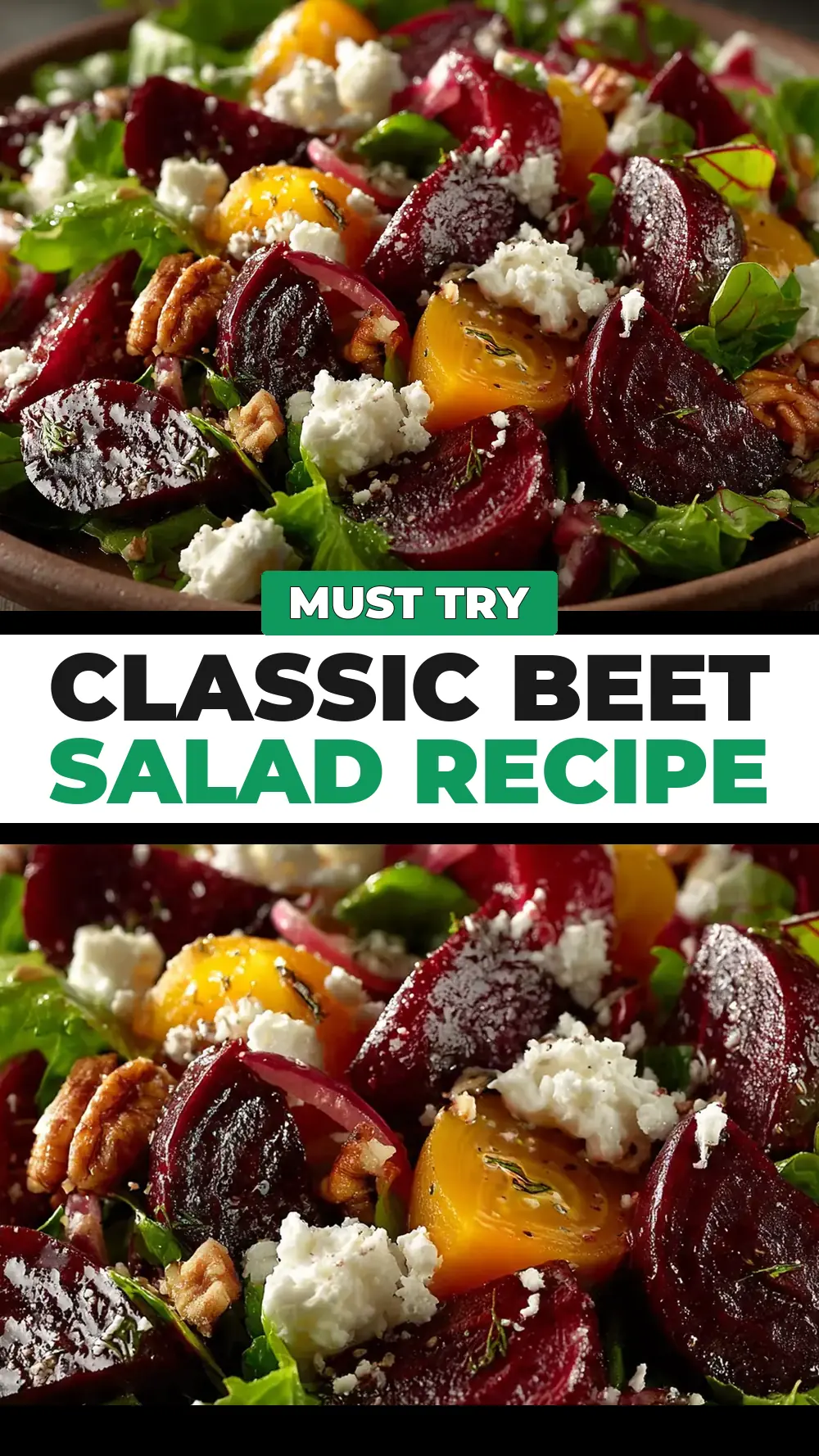
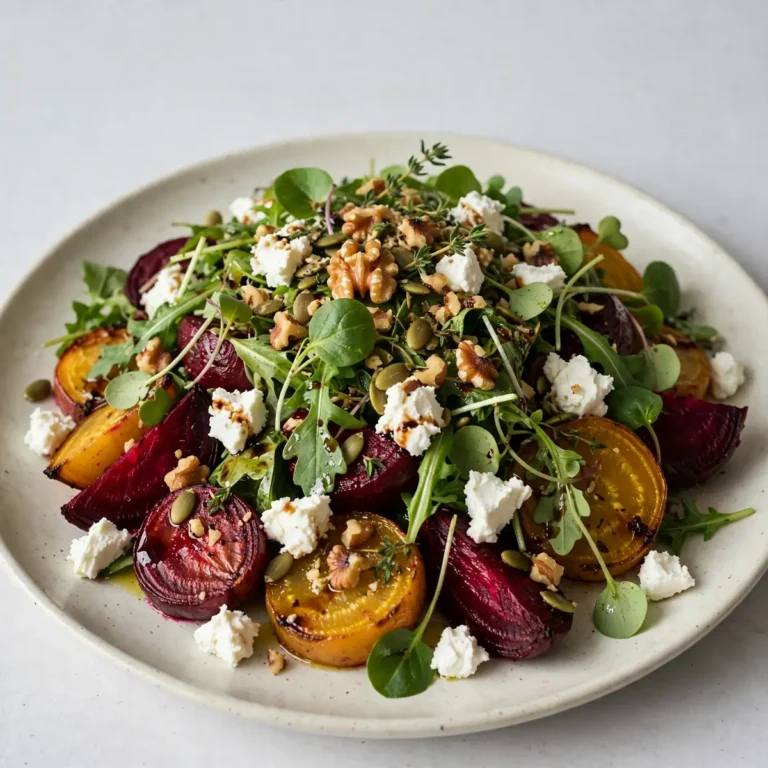
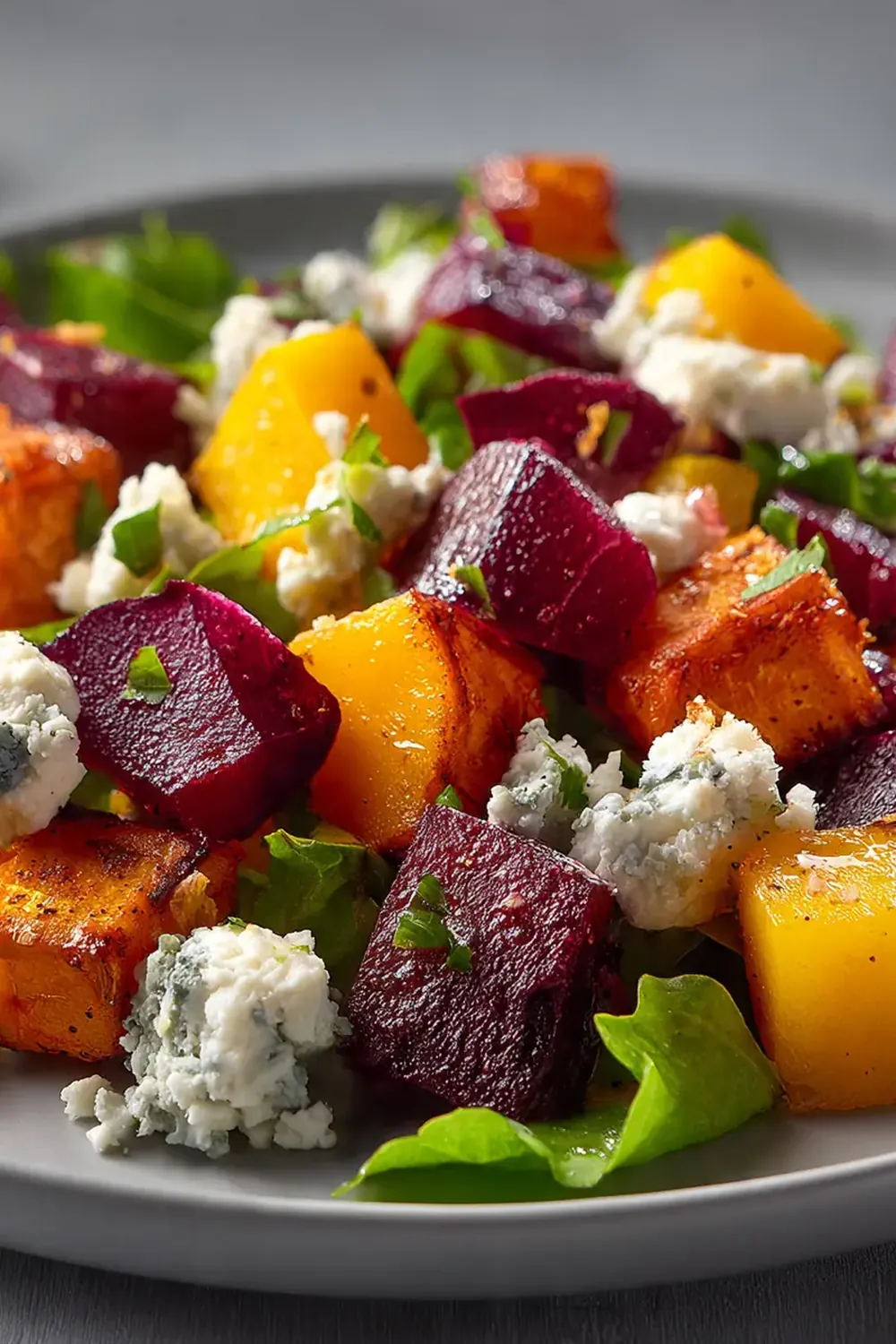
- Restaurant-Quality Plating: The deep crimson of the beets against a creamy white base (like goat’s cheese or labneh) creates a visual masterpiece that looks like it came straight from a gastropub kitchen.
- Make-Ahead Marvel: The roasted beets can be prepared a day in advance, making your party-day assembly a mere five-minute affair. Less stress, more time for a glass of juice.
- Perfectly Balanced Flavours: The earthy sweetness of the roasted beets is cut through by a sharp, tangy dressing and finished with a salty, creamy cheese element. It’s a symphony, not a solo, much like our Ultimate Bread Dumplings Recipe.
- Dietary Friendly: This salad is naturally gluten-free and can easily be made vegan by skipping the cheese or using a plant-based alternative. It fits nearly any table.
- Seasonal Showstopper: While available most of the year, beets are at their sweetest and most tender in autumn and winter, making this the perfect dish for cooler-weather entertaining.
Ingredients You’ll Need
- 6 medium raw beetroots (approx. 600g), scrubbed clean
- 3 tablespoons extra virgin olive oil, plus extra for drizzling
- 1 teaspoon flaky sea salt
- ½ teaspoon freshly ground black pepper
- 2 tablespoons balsamic vinegar (a good quality, syrupy one if you have it)
- 1 tablespoon apple cider vinegar
- 1 teaspoon Dijon mustard
- 1 small shallot, finely diced (approx. 2 tablespoons)
- 100g soft goat’s cheese or feta cheese, crumbled
- 40g walnuts or pecans, roughly chopped
- 2 tablespoons fresh dill, finely chopped
- 1 tablespoon fresh chives, snipped
- Handful of peppery salad leaves, such as rocket or watercress (optional, for the bed of the plate)
Tip: For the best colour and flavour, try to use beetroots that are roughly the same size so they cook evenly. If you find your beets have their leafy tops still attached, don’t throw them away! You can sauté them with garlic as a wonderful side dish the next day.
How to Make Classic Beet Salad Recipe
- Preheat the oven and prepare the beets. Set your oven to 200°C (400°F). Do not peel the beets yet. Wrap each scrubbed beetroot individually in a sheet of aluminium foil. As you wrap them, you’ll feel the firm, dense weight of the raw beet; they should feel solid and heavy in your hand.
- Roast until tender. Place the foil-wrapped beets on a baking tray and roast for 60-70 minutes. You’ll know they are done when a small, sharp knife slides into the centre with no resistance. The kitchen will smell sweet and earthy, and the foil packets will be slightly puffed.
- Cool and peel. Carefully remove the beets from the oven and let them sit in the foil until they are cool enough to handle (about 15 minutes). The skins should slip off easily under your fingers or with the help of a paper towel. The vibrant purple flesh underneath will be glossy and tender. Discard the skins and foil. Cut the beets into wedges or bite-sized chunks—the colour will stain your hands, so consider wearing gloves.
- Make the dressing. While the beets cool, whisk together the extra virgin olive oil, balsamic vinegar, apple cider vinegar, Dijon mustard, and the finely diced shallot in a small bowl. The mixture should emulsify into a slightly thick, dark amber liquid. Season with a pinch of salt and pepper. The sharp, tangy smell of the vinegar should be prominent.
- Toast the nuts. In a dry frying pan over a medium heat, add the chopped walnuts or pecans. Toast for 2-3 minutes, shaking the pan frequently, until they become fragrant and the colour deepens slightly. You’ll hear a faint crackling sound. Remove them immediately to a plate to cool—they can burn quickly.
- Assemble the salad. Place the warm (or room temperature) beetroot wedges in a large bowl. Pour over the dressing and toss gently. The beets will soak up the dressing, turning a deeper, shinier shade of magenta. Let them sit for 5 minutes to absorb the flavours.
- Plate for presentation. This is the crucial part for impressing guests. Spread a thin layer of the peppery salad leaves (if using) onto a large, flat serving platter. Spoon the dressed beets over the top, spreading them out so they are not piled too high. Scatter the crumbled goat’s cheese, toasted nuts, fresh dill, and chives over the top. Finish with a final crack of black pepper and a tiny drizzle of good olive oil. The contrast of the creamy white cheese against the dark red beets and green herbs is your signal that it’s ready.
Tips From My Kitchen
- Roast, Don’t Boil: Boiling beets leaches their vibrant colour and sweet flavour into the water. Roasting concentrates their natural sugars, giving you a sweeter, earthier, and more intensely coloured beet. The texture is also far superior—dense and meaty, rather than waterlogged.
- Wear Gloves for Peeling: This is the one non-negotiable tip for avoiding stained hands for days. A pair of disposable kitchen gloves will save your manicure and your sanity. If you don’t have gloves, rubbing your hands with a little lemon juice or salt before washing can help lift the stain.
- Always Toast Your Nuts: Raw nuts are fine, but toasted nuts are a revelation. The heat releases their natural oils and creates a deeper, nuttier flavour and a satisfying crunch that contrasts beautifully with the soft beets. It’s a small step that makes a huge difference in perceived quality.
- Taste and Adjust the Dressing: Acidity is key to cutting through the earthy sweetness of the beet. Taste your dressing before adding it. If it feels too sharp, add a tiny pinch of sugar or honey. If it feels flat, add another splash of vinegar. The dressing should make your mouth water.
- Serve Warm or at Room Temperature: This salad is best when the beets are still slightly warm or at room temperature. Cold beets from the fridge can become hard and lose some of their sweet complexity. If you’ve made the beets ahead, let them sit out for 30 minutes before assembling.
- Don’t Overload the Plate: When plating for guests, less is often more. Spread the components out so each element is visible. A clumpy, messy pile of salad looks amateur, while a carefully composed arrangement looks intentional and elegant.
Equipment You’ll Need
- Large salad bowl or mixing bowl
- Sharp knife and cutting board
- Aluminium foil
- Baking tray
- Small whisk or fork for dressing
- Small bowl for dressing
- Frying pan for toasting nuts
- Serving platter (flat, wide plates are best for presentation)
- Disposable kitchen gloves (optional, but highly recommended)
Common Mistakes to Avoid
- Overcrowding the pan: When roasting, make sure the beets are not touching each other in the foil packets. If they are crowded on the tray, the steam can’t escape properly, and they will essentially steam rather than roast. This leads to a less concentrated flavour and a slightly mushy texture. Use two trays if necessary.
- Wrong temperature: Roasting at too low a temperature will dry out the beets before they become tender. Too high, and the outside will burn while the inside remains rock hard. 200°C (400°F) is the sweet spot, ensuring a tender interior and a slightly caramelised exterior.
- Skipping the rest time: After roasting, the beets need time to cool in their foil packets. This resting period allows the steam to finish the cooking process evenly and makes the skins much easier to peel. Rushing this step will have you wrestling with stubborn skins and burning your fingers.
Delicious Variations to Try
- Spicy Version: Add a pinch of chilli flakes to the dressing or toss the roasted beets with a finely diced red chilli before serving. The heat pairs beautifully with the sweetness of the beet and the creaminess of the cheese.
- Vegetarian/Vegan Option: Simply omit the goat’s cheese. To replace the creamy element, add a scoop of creamy hummus to the plate, or use a plant-based feta or a simple dollop of thick coconut yoghurt mixed with lemon juice and salt. The earthy beet still shines.
- Different Protein: For a more substantial main course salad, top the beets with slices of grilled chicken breast or leftover roast lamb. The savoury meat balances the sweet earthiness of the beet wonderfully. You could also add a handful of cooked chickpeas for a plant-based protein boost.
What to Serve With Classic Beet Salad Recipe
- Grilled lamb chops or a roasted chicken for a hearty main course.
- A crusty sourdough loaf to mop up the leftover dressing from the plate.
- A glass of sparkling water with a splash of pomegranate juice for a festive, alcohol-free pairing.
- It works beautifully alongside a rich dish like Baked Ziti Ground Beef Recipe Cheesy where the acidity of the salad cuts through the richness of the pasta.
- For a lighter meal, serve with Vegetable Biryani Recipe Spiced Rice for a colourful and flavourful plate.
Frequently Asked Questions
Classic Beet Salad Recipe
Ingredients
Method
-
Preheat the oven and prepare the beets. Set your oven to 200°C (400°F). Do not peel the beets yet. Wrap each scrubbed beetroot individually in a sheet of aluminium foil. As you wrap them, you’ll feel the firm, dense weight of the raw beet; they should feel solid and heavy in your hand.
-
Roast until tender. Place the foil-wrapped beets on a baking tray and roast for 60-70 minutes. You’ll know they are done when a small, sharp knife slides into the centre with no resistance. The kitchen will smell sweet and earthy, and the foil packets will be slightly puffed.
-
Cool and peel. Carefully remove the beets from the oven and let them sit in the foil until they are cool enough to handle (about 15 minutes). The skins should slip off easily under your fingers or with the help of a paper towel. The vibrant purple flesh underneath will be glossy and tender. Discard the skins and foil. Cut the beets into wedges or bite-sized chunks—the colour will stain your hands, so consider wearing gloves.
-
Make the dressing. While the beets cool, whisk together the extra virgin olive oil, balsamic vinegar, apple cider vinegar, Dijon mustard, and the finely diced shallot in a small bowl. The mixture should emulsify into a slightly thick, dark amber liquid. Season with a pinch of salt and pepper. The sharp, tangy smell of the vinegar should be prominent.
-
Toast the nuts. In a dry frying pan over a medium heat, add the chopped walnuts or pecans. Toast for 2-3 minutes, shaking the pan frequently, until they become fragrant and the colour deepens slightly. You’ll hear a faint crackling sound. Remove them immediately to a plate to cool—they can burn quickly.
-
Assemble the salad. Place the warm (or room temperature) beetroot wedges in a large bowl. Pour over the dressing and toss gently. The beets will soak up the dressing, turning a deeper, shinier shade of magenta. Let them sit for 5 minutes to absorb the flavours.
-
Plate for presentation. This is the crucial part for impressing guests. Spread a thin layer of the peppery salad leaves (if using) onto a large, flat serving platter. Spoon the dressed beets over the top, spreading them out so they are not piled too high. Scatter the crumbled goat’s cheese, toasted nuts, fresh dill, and chives over the top. Finish with a final crack of black pepper and a tiny drizzle of good olive oil. The contrast of the creamy white cheese against the dark red beets and green herbs is your signal that it’s ready.
Notes
I’d love to hear how your restaurant-worthy beet salad turned out. Did you try a different cheese, or did you add a secret ingredient? Drop a comment below and let me know how your guests reacted. And if you’re looking for another stunning side dish to round out your menu, don’t miss my Spicy Cucumbers Recipe Asian Salad for a completely different, yet equally impressive, flavour profile.