Healthy Vegetarian Indian Breakfast Recipes: Poha
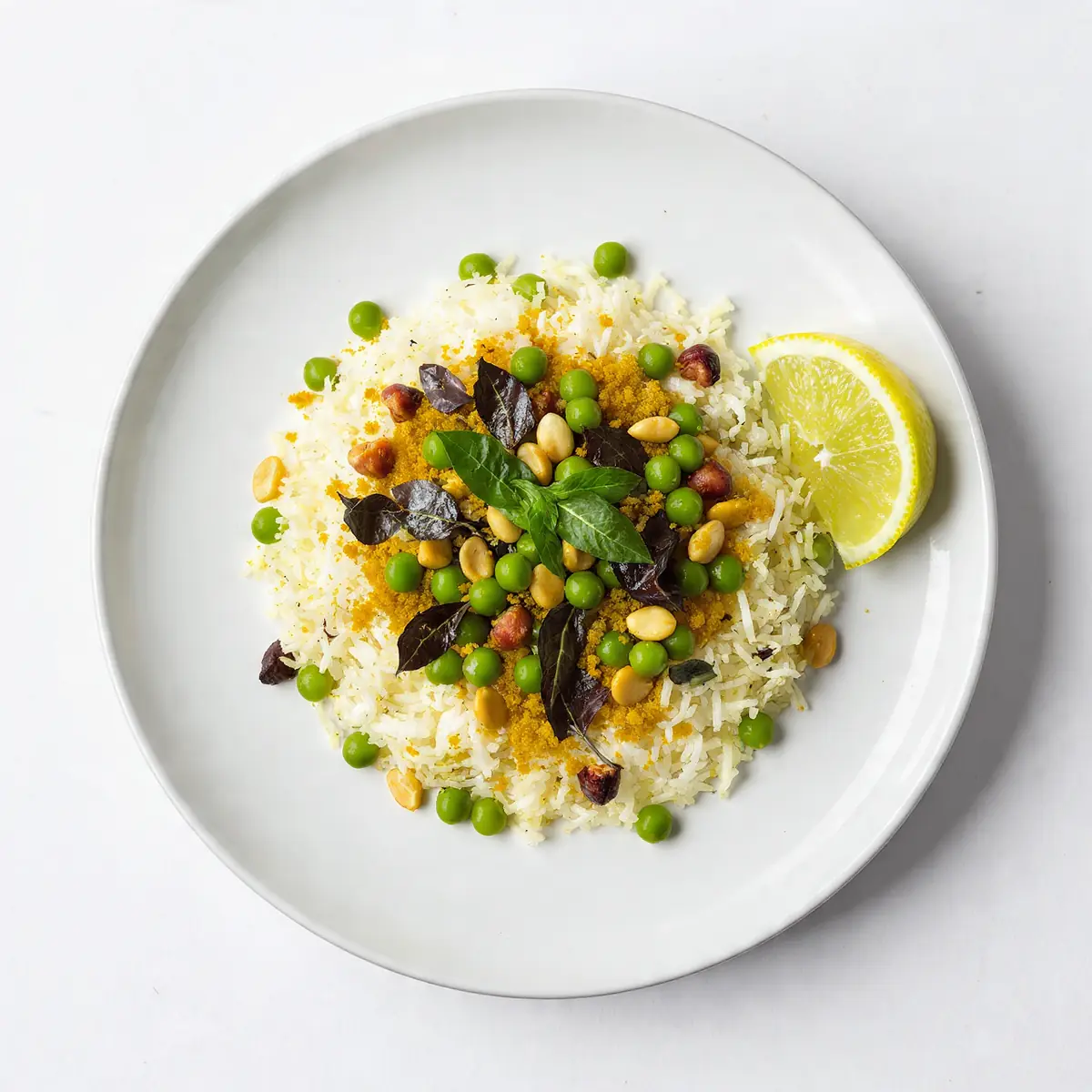
There’s a certain magic that awakens with the vibrant colours and aromas of a traditional Indian breakfast, and among its many treasures, Poha stands out as a true gem. This humble yet utterly delightful dish, made from flattened rice, offers a light, wholesome, and incredibly satisfying start to the day. It’s a dish that carries the warmth of home and the promise of a flavourful adventure, all without being heavy.
I remember my first encounter with Poha vividly; it was during a particularly grey British morning, brought to me by a dear friend who had recently returned from a trip to Mumbai. The moment the steam carried the scent of mustard seeds, curry leaves, and fresh coriander to my nose, I was completely captivated. Since then, it’s become a cherished staple in my kitchen, a dish I turn to when I crave something nourishing yet packed with character. After testing this recipe five times, meticulously adjusting the spice balance and the crucial soaking time for the flattened rice, I finally got it just right, achieving that perfect fluffy texture and vibrant taste, much like perfecting The Ultimate Fluffy Pancake Guide: Soufflé.
This recipe for Poha is not just about sustenance; it’s about embracing a culinary tradition that celebrates fresh ingredients and balanced flavours. It’s a wonderful way to incorporate more plant-based goodness into your diet, offering a brilliant alternative to heavier breakfast options. Whether you’re new to Indian cuisine or a seasoned enthusiast, I promise this Healthy Vegetarian Indian Breakfast Recipes: Poha, much like delicious Upma & Dosa, will become a much-loved addition to your breakfast repertoire.
Recipe Overview
- Prep Time: 15 minutes
- Cook Time: 20 minutes
- Total Time: 35 minutes
- Servings: 4
- Difficulty: Easy to Moderate
Why You’ll Love This Healthy Vegetarian Indian Breakfast Recipes: Poha
- Wholesome and Nourishing: Poha is naturally gluten-free (if you choose gluten-free poha) and packed with vegetables, making it a fantastic source of energy and essential nutrients to kickstart your morning.
- Bursting with Flavour: The tempering of mustard seeds, curry leaves, and a medley of spices creates a symphony of aromatic and savoury notes that will delight your palate.
- Highly Adaptable: While we’ve crafted a delightful version here, Poha is wonderfully versatile. You can easily adjust the vegetables and spices to suit your preferences or what you have available in the fridge.
- Light Yet Filling: Despite being a substantial meal, Poha feels surprisingly light, preventing that post-breakfast slump and keeping you energised throughout your morning.
- Simple to Master: With a few key techniques, even novice cooks can achieve a delicious and authentic Poha, making it an accessible entry point into the world of Indian cooking.
Ingredients You’ll Need
- 250g thick flattened rice (poha)
- 2 tablespoons vegetable oil (or coconut oil)
- 1 teaspoon black mustard seeds
- 10-12 fresh curry leaves
- 1 large onion, finely chopped
- 1 green chilli, finely chopped (adjust to your spice preference)
- 1/2 teaspoon turmeric powder
- 1/2 teaspoon sugar
- 1/2 teaspoon salt (or to taste)
- 100g frozen peas, thawed
- 1 medium carrot, grated
- 50g roasted peanuts
- Juice of 1/2 a lemon
- A generous handful of fresh coriander, chopped, for garnish
Tip: Always use ‘thick’ Poha for this recipe. Thin Poha tends to become mushy when soaked, losing that desirable fluffy texture.
Equipment You’ll Need
- Large frying pan or skillet
- Sharp knife and cutting board
- Mixing bowls
- Wooden spoon or spatula
How to Make Healthy Vegetarian Indian Breakfast Recipes: Poha
- Prepare the Poha: Place the flattened rice in a large sieve. Rinse it under cold running water for about 1-2 minutes, gently tossing it with your hands until it softens slightly but isn’t mushy. The grains should still hold their shape, feeling pliable. Let it drain thoroughly in the sieve for 5-7 minutes, allowing any excess water to drip away. This step is crucial for ensuring the Poha remains light and fluffy.
- Temper the Spices: Heat the vegetable oil in a large frying pan or skillet over a medium heat. Once the oil shimmers slightly, add the black mustard seeds. Listen for a gentle crackling sound and watch as they begin to pop, turning a shade darker. This indicates they’ve released their aromatic oils. Immediately add the fresh curry leaves, which will sizzle and release their distinctive fragrant aroma.
- Sauté the Aromatics: Add the finely chopped onion and green chilli to the pan. Sauté for about 5-7 minutes, stirring occasionally, until the onions soften and turn translucent, carrying a sweet, mellow scent. Avoid browning them too much; we’re aiming for softness and sweetness here.
- Add Vegetables and Spices: Stir in the turmeric powder, sugar, and salt. Cook for another minute, stirring constantly, until the turmeric’s raw smell dissipates and the mixture takes on a beautiful golden hue. Add the thawed frozen peas and grated carrot, cooking for 3-4 minutes until the vegetables are tender-crisp and their colours brighten. They should still have a slight bite.
- Combine with Poha: Gently add the drained Poha to the pan with the vegetables. Using a wooden spoon or spatula, carefully fold the Poha into the spiced vegetable mixture. The goal is to evenly coat the Poha grains with the turmeric and spices, transforming them into a lovely pale yellow. Continue to gently toss for 2-3 minutes, ensuring everything is well combined and warmed through.
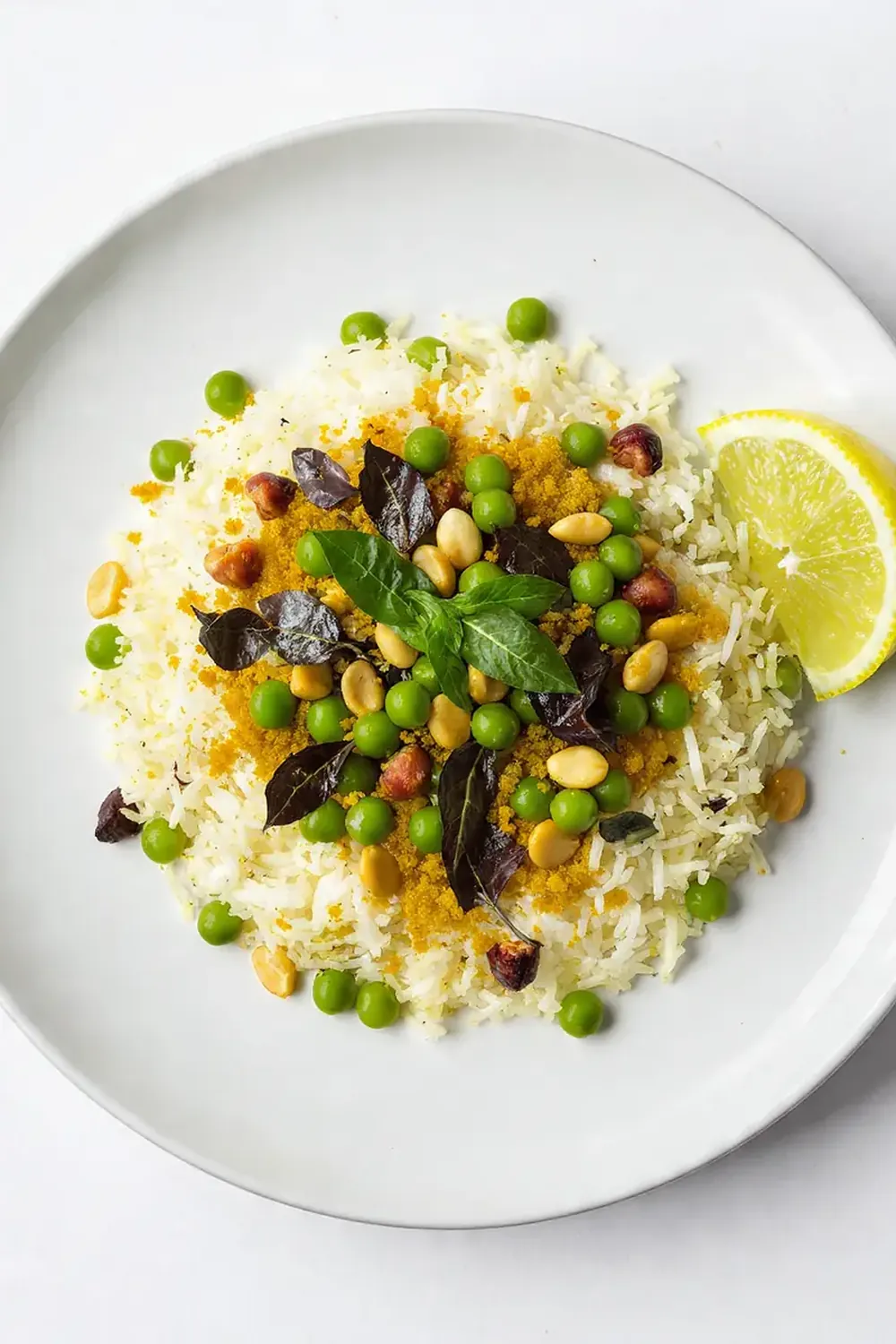
- Finish and Serve: Remove the pan from the heat. Stir in the roasted peanuts and the fresh lemon juice. The lemon juice brightens all the flavours and adds a lovely tang. Garnish generously with freshly chopped coriander. Serve immediately, while the Poha is still warm and fragrant.
Tips From My Kitchen
- The Right Poha is Key: As mentioned, always opt for ‘thick’ Poha (also known as medium or regular Poha). Thin Poha is designed for dishes that don’t require much cooking and will turn to a paste in this recipe. The thick variety holds its shape and gives you that wonderful, distinct grain texture. Choosing the correct type ensures your Poha is fluffy and not clumpy.
- Perfect Poha Soaking: The rinsing step is crucial, not soaking. You want to quickly rinse the Poha under cold water until it softens, then let it drain completely. Over-soaking will make it mushy, and insufficient rinsing will leave it hard. The aim is for the Poha to be pliable but still distinct grains, allowing it to absorb the flavours without becoming heavy. I often give it a quick squeeze in my hand after rinsing to check its pliability; it should feel soft but not disintegrate.
- Don’t Skimp on the Curry Leaves: Fresh curry leaves are indispensable for authentic Poha flavour. Their unique, slightly nutty and citrusy aroma cannot be replicated by dried ones. If you can’t find fresh, it’s better to omit them than use dried, which often lack the necessary punch. They truly elevate the dish, infusing it with an unmistakable Indian essence.
- Balance the Sweet and Sour: The small amount of sugar added helps to balance the savoury and spicy notes, while the lemon juice brightens the whole dish. Don’t be tempted to skip these! The sugar isn’t there to make it sweet, but to enhance the other flavours, much like a pinch of salt can bring out sweetness. The lemon at the end is like a final flourish, adding a burst of freshness.
- Gentle Mixing is Essential: When adding the Poha to the pan, use a gentle folding motion with your spoon or spatula. Over-mixing or stirring vigorously can break up the delicate grains, leading to a pasty texture. We want distinct, fluffy grains, each coated with the beautiful turmeric-infused spices. Treat the Poha with care, and it will reward you with its delightful texture.
Common Mistakes to Avoid
- Overcrowding the pan: If your pan is too full, the ingredients will steam rather than sauté, resulting in less flavourful and slightly soggy vegetables. To avoid this, use a large frying pan or skillet that allows all ingredients to have contact with the heat source, ensuring proper caramelisation and even cooking. If making a larger batch, cook in two separate pans.
- Wrong temperature: Cooking the mustard seeds at too low a temperature will prevent them from popping and releasing their flavour, while too high will burn them, leading to a bitter taste. Aim for a medium heat; the oil should shimmer and the seeds should start crackling gently within 15-30 seconds of hitting the hot oil. Adjust your hob accordingly.
- Skipping the rest time (for Poha): While not a ‘rest time’ in the traditional sense, allowing the rinsed Poha to drain thoroughly for 5-7 minutes is critical. This period ensures that excess water completely drips away, preventing your Poha from becoming a soggy mess when it hits the pan and allowing it to absorb the spices beautifully.
What to Serve With Healthy Vegetarian Indian Breakfast Recipes: Poha
- A dollop of plain Greek yoghurt or raita for a cooling contrast.
- A side of freshly cut cucumber and tomato salad.
- A sprinkle of sev (crispy chickpea flour noodles) for added crunch.
- A cup of hot chai or filter coffee.
Frequently Asked Questions
Healthy Vegetarian Indian Breakfast Recipes: Poha
Ingredients
Method
-
Prepare the Poha: Place the flattened rice in a large sieve. Rinse it under cold running water for about 1-2 minutes, gently tossing it with your hands until it softens slightly but isn’t mushy. The grains should still hold their shape, feeling pliable. Let it drain thoroughly in the sieve for 5-7 minutes, allowing any excess water to drip away. This step is crucial for ensuring the Poha remains light and fluffy.
-
Temper the Spices: Heat the vegetable oil in a large frying pan or skillet over a medium heat. Once the oil shimmers slightly, add the black mustard seeds. Listen for a gentle crackling sound and watch as they begin to pop, turning a shade darker. This indicates they’ve released their aromatic oils. Immediately add the fresh curry leaves, which will sizzle and release their distinctive fragrant aroma.
-
Sauté the Aromatics: Add the finely chopped onion and green chilli to the pan. Sauté for about 5-7 minutes, stirring occasionally, until the onions soften and turn translucent, carrying a sweet, mellow scent. Avoid browning them too much; we’re aiming for softness and sweetness here.
-
Add Vegetables and Spices: Stir in the turmeric powder, sugar, and salt. Cook for another minute, stirring constantly, until the turmeric’s raw smell dissipates and the mixture takes on a beautiful golden hue. Add the thawed frozen peas and grated carrot, cooking for 3-4 minutes until the vegetables are tender-crisp and their colours brighten. They should still have a slight bite.
-
Combine with Poha: Gently add the drained Poha to the pan with the vegetables. Using a wooden spoon or spatula, carefully fold the Poha into the spiced vegetable mixture. The goal is to evenly coat the Poha grains with the turmeric and spices, transforming them into a lovely pale yellow. Continue to gently toss for 2-3 minutes, ensuring everything is well combined and warmed through.
-
Finish and Serve: Remove the pan from the heat. Stir in the roasted peanuts and the fresh lemon juice. The lemon juice brightens all the flavours and adds a lovely tang. Garnish generously with freshly chopped coriander. Serve immediately, while the Poha is still warm and fragrant.
Notes
I genuinely hope you’ll find as much joy in preparing and savouring this Healthy Vegetarian Indian Breakfast Recipes: Poha as I do. It’s a dish that brings a burst of sunshine to any morning, and I’m always thrilled to share recipes that nourish both body and soul. Do let me know in the comments below if you try it, and what variations you might have added!