
Easter Fudge Recipe Sweet Treat
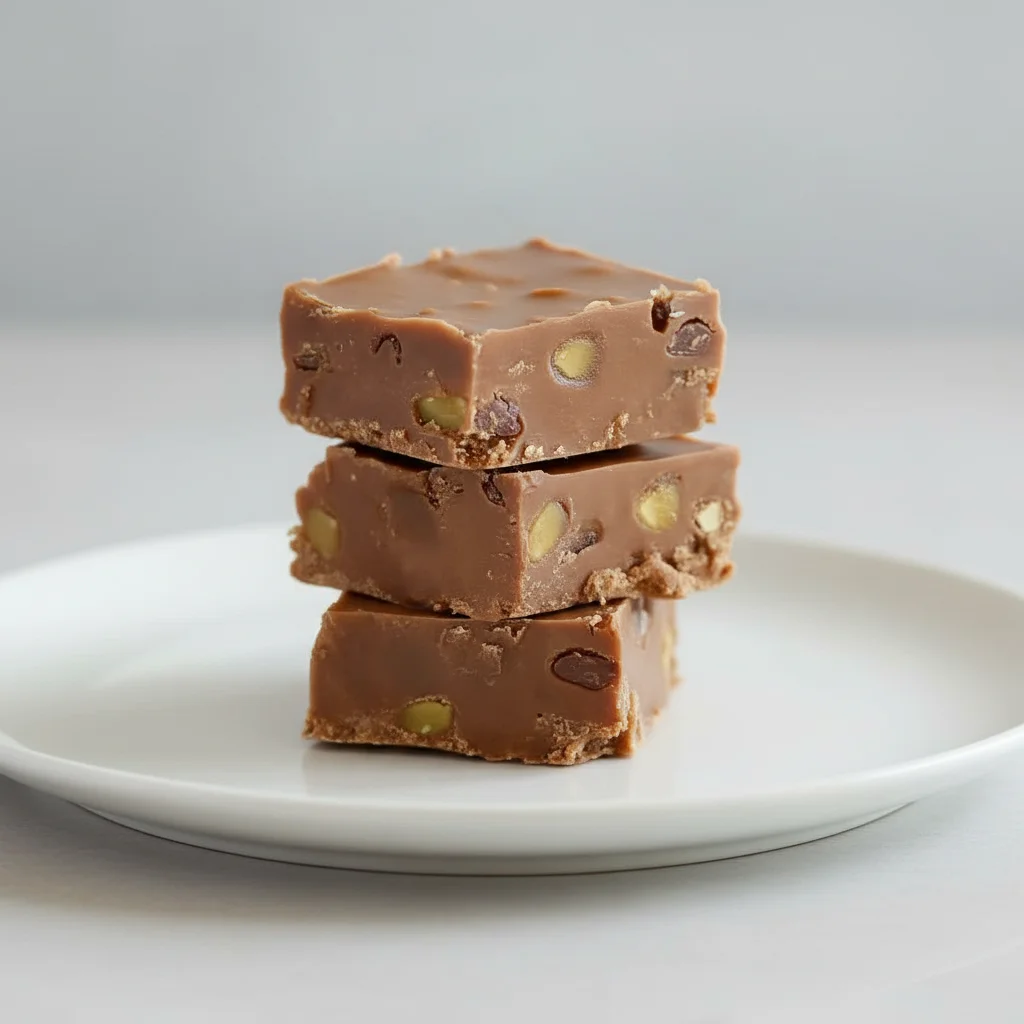
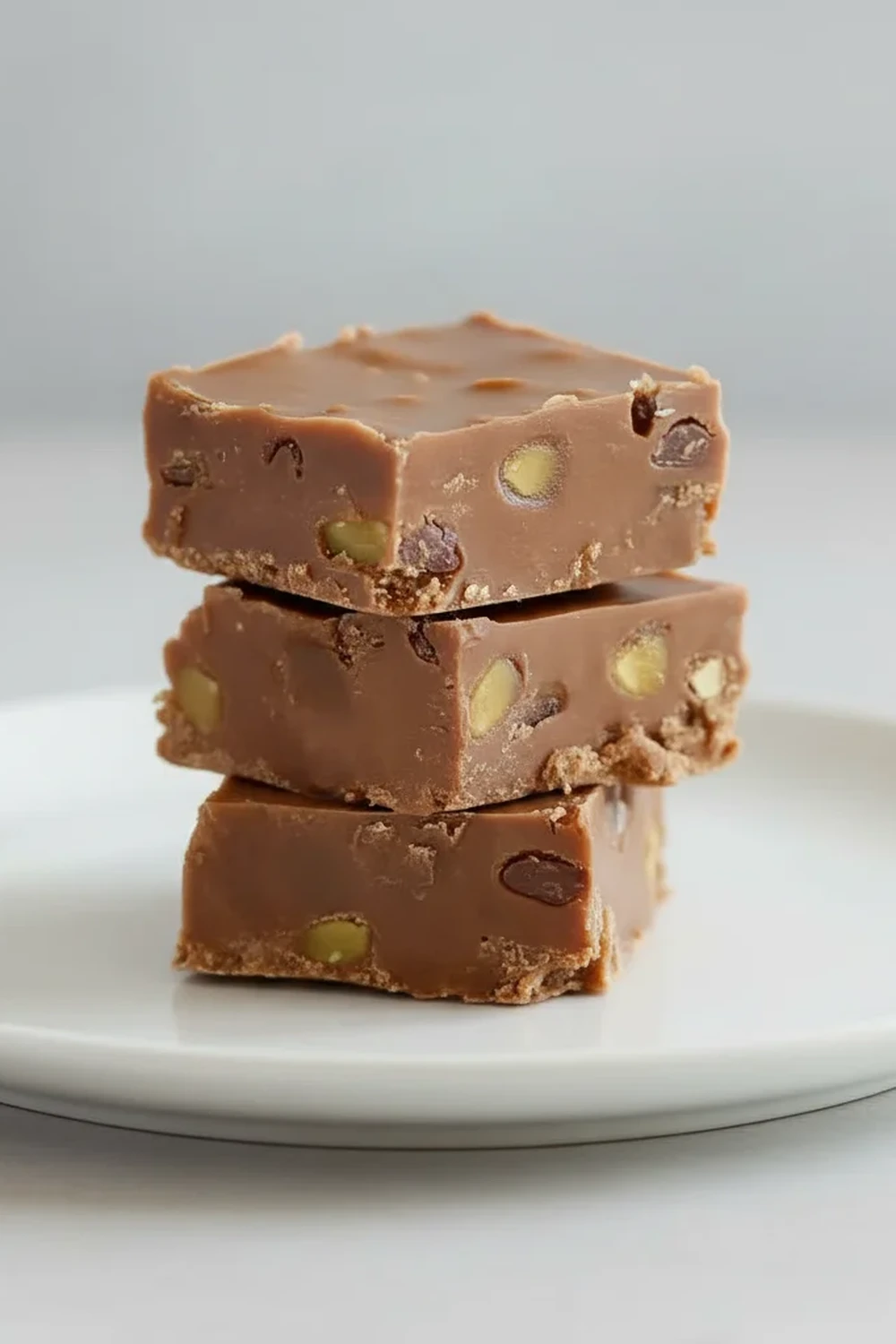
There’s something wonderfully nostalgic about the arrival of Easter. For me, it signals the real start of spring, with brighter evenings and the promise of family get-togethers. And at the heart of our family celebrations is always a table laden with treats. While chocolate eggs are a given, this creamy, decadent Easter fudge has become our signature sweet candy. I’ve been making this specific easter fudge for over 4 years, and it never disappoints; the velvety white chocolate base studded with the unmistakable crunch of crushed Mini Eggs is just divine.
This isn’t your traditional, sugar-thermometer fudge that requires hours of boiling and anxious temperature checks. Instead, we’re making a much more straightforward version using condensed milk, which guarantees a gloriously smooth, melt-in-the-mouth texture every single time. It’s the kind of holiday treat that looks impressive but is secretly very simple to prepare. The vibrant, speckled colours of the crushed eggs make it a beautiful centrepiece for an Easter dessert spread or a thoughtful homemade gift to share with friends and neighbours.
Making this Easter fudge recipe has become a cherished ritual in my kitchen. It’s an activity that’s great for getting little ones involved—they especially love the part where they get to (carefully!) crush the Mini Eggs. The aroma of melting chocolate and vanilla that fills the house is just heavenly. Whether you’re a seasoned baker or just looking for a fun holiday project, this fudge recipe is a brilliant choice for adding a touch of homemade charm to your celebrations.
Recipe Overview
This Easter fudge recipe delivers a rich, sweet, and unbelievably creamy candy without any complicated steps. The flavour is dominated by luscious white chocolate and sweet condensed milk, with a lovely hint of vanilla rounding it out. The magic happens with the addition of crushed Cadbury Mini Eggs, which provide a fantastic textural contrast with their crisp sugar shell and solid milk chocolate centre. When I was first testing this recipe, I found that slightly under-crushing the eggs, leaving some larger pieces, gives the best final texture and visual appeal.
- Prep Time: 15 minutes
- Cook Time: 5-7 minutes
- Setting Time: 2-3 hours
- Servings: 36 small squares
- Difficulty: Easy
Why You’ll Love This Easter Fudge Recipe
- Sublime Texture and Flavour: The combination of good-quality white chocolate and full-fat condensed milk creates a beautifully smooth fudge that isn’t grainy. The vanilla extract deepens the flavour, preventing it from being one-dimensionally sweet.
- Ready in Under 30 Minutes: The active preparation and cooking time for this sweet treat comes together in about 20 minutes. The hardest part is waiting patiently for it to set in the fridge!
- A Truly Flexible Recipe: You can easily adapt this fudge recipe to your liking. Swap the Mini Eggs for other Easter chocolates like Creme Eggs, Smarties, or any chopped chocolate bar. You could even use dark or milk chocolate for the base.
- Ideal for Gifting and Parties: This fudge works beautifully for Easter gatherings, spring bake sales, or as a homemade gift. Pack it in little cellophane bags tied with a pastel ribbon for a present that always gets compliments.
- Family Tested and Approved: My little ones absolutely adore helping crush the Mini Eggs – it’s our fun, messy tradition. It’s a recipe that everyone seems to love, from the youngest to the oldest at the table.
Ingredients You’ll Need
For a fudge this simple, the quality of your ingredients really shines through. I always opt for a good brand of white chocolate, like Cadbury or Milkybar, as it melts more smoothly and has a creamier taste than cheaper alternatives. Using the right condensed milk is also crucial for success.
- 600g good-quality white chocolate, finely chopped
- 1 x 397g tin full-fat sweetened condensed milk
- 30g unsalted butter, cubed
- 1 tsp pure vanilla extract
- Pinch of fine sea salt
- 180g Cadbury Mini Eggs, plus extra for decorating
- Optional: a few drops of pastel food colouring (pink, yellow, or blue)
Ashley’s Tip: It is absolutely essential to use full-fat sweetened condensed milk. Do not be tempted to use evaporated milk or a low-fat version, as they lack the sugar and fat content needed for the fudge to set properly. The final result will be disappointingly soft and may not hold its shape.
How to Make This Easter Fudge Recipe
The process for making this fudge is very gentle. We’re not boiling sugar, but rather slowly melting the ingredients together to create a smooth, thick mixture that will set perfectly in the fridge. Be patient with the melting stage to ensure a flawless texture.
- Prepare Your Tin: Lightly grease a 20cm (8-inch) square baking tin and line it with baking parchment, leaving some overhang on the sides to act as handles. This will make it much easier to lift the fudge out later.
- Crush the Mini Eggs: Place the 180g of Mini Eggs into a sturdy plastic bag. Seal it, then gently bash them with a rolling pin until they are broken into a mix of small and large pieces. You don’t want to pulverise them into dust! Set aside.
- Melt the Ingredients: In a large, heavy-bottomed saucepan, combine the chopped white chocolate, the entire tin of condensed milk, and the cubed butter. Place the pan over a very low heat on the hob.
- Stir Continuously: Stir the mixture constantly with a silicone spatula for 5-7 minutes. It’s important to keep the heat low and to keep stirring to prevent the chocolate from catching on the bottom of the pan or seizing. The mixture is ready when all the chocolate has melted and it’s completely smooth and glossy. What works best for me is to scrape the bottom and sides of the pan as I stir.
- Add Flavourings: Remove the pan from the heat. Immediately stir in the vanilla extract and the pinch of salt. If you’re using food colouring, add a few drops now and stir gently to create a subtle marbled effect, or mix it in completely for a uniform pastel colour.
- Fold in the Eggs: Add the crushed Mini Eggs to the saucepan and quickly fold them through the fudge mixture until they are evenly distributed. Work swiftly, as the fudge will start to thicken as it cools.
- Pour and Decorate: Pour the fudge mixture into your prepared tin and use your spatula to spread it into an even layer. Press the extra, whole or halved Mini Eggs onto the surface for decoration.
- Chill to Set: Place the tin in the refrigerator and let the fudge chill for at least 2-3 hours, or until it is completely firm to the touch. Overnight is even better if you have the time.
- Cut and Serve: Once firm, use the parchment paper handles to lift the entire block of fudge out of the tin. Place it on a cutting board. For clean cuts, use a long, sharp knife, wiping it clean with a hot, damp cloth between each slice. Cut into 36 small squares.
Tips From My Kitchen
- Temperature Control is Key: The number one rule for this fudge recipe is to use very low heat. White chocolate can be temperamental and is prone to seizing (becoming grainy and lumpy) if it gets too hot. If you’re nervous, you can use a double boiler (a heatproof bowl set over a pan of simmering water).
- The Secret Step: I learned that adding the vanilla extract and salt *after* removing the pan from the heat preserves their flavour best. The residual heat is enough to incorporate them perfectly without cooking off the delicate vanilla notes.
- Make-Ahead Magic: This is a wonderful holiday treat to prepare in advance. The fudge can be made up to a week ahead of time. I recommend storing it as a whole slab in the fridge and only slicing it just before you plan to serve or gift it, as this keeps the edges from drying out.
- Storage Solutions: Store your cut fudge in an airtight container at cool room temperature for up to one week. If your kitchen is very warm, it’s best to store it in the fridge, where it will last for up to two weeks. Let it sit at room temperature for 10-15 minutes before serving for the best texture.
Equipment You’ll Need
- 20cm (8-inch) square baking tin
- Baking parchment
- Heavy-bottomed saucepan
- Silicone spatula or wooden spoon
- Sharp knife and cutting board
- Rolling pin and a sturdy plastic bag
Common Mistakes to Avoid
- Overheating the Chocolate: As mentioned, this is the most common pitfall. The mixture should be gently warmed, never boiled or simmered. If it looks like it’s starting to split or get oily, you’ve gone too far. Slow and steady wins the race.
- Using the Wrong Condensed Milk: Using evaporated milk, low-fat condensed milk, or any other milk product will result in a fudge that simply does not set. It must be full-fat, sweetened condensed milk, which provides the correct sugar structure. This topic is fascinating and you can learn more about the science of sugar crystallization from food science sites like Serious Eats.
- Not Chilling for Long Enough: Be patient! If you try to cut the fudge before it’s fully firm, you’ll end up with a sticky mess. A minimum of two hours is needed, but three is safer. An overnight chill guarantees a perfectly firm fudge that’s easy to slice.
Delicious Variations to Try
Once you’ve mastered this basic easter dessert, it’s fun to play around with different flavours and additions. Here are a few ideas to get you started:
- Dark Chocolate Orange Fudge: Swap the white chocolate for an equal amount of good-quality dark chocolate (at least 50% cocoa solids). Omit the vanilla and add 1 teaspoon of orange extract and the zest of one large orange instead. Top with crumbled chocolate orange segments.
- Biscoff Fudge: Stick with the white chocolate base, but swirl in 3-4 tablespoons of smooth Biscoff spread just before you pour it into the tin. Top with crushed Biscoff biscuits for extra crunch.
- Pastel Swirl Fudge: Divide the finished fudge mixture into two or three bowls. Add a different pastel food colouring to each bowl (e.g., pink, blue, yellow). Dollop the different coloured mixtures alternately into the prepared tin and use a skewer to create a beautiful marbled pattern before chilling. For another colourful dessert idea, check out my Rose Gold Cake Recipe.
What to Serve With This Easter Fudge
This sweet candy is quite rich, so it’s best enjoyed in small quantities. It’s a wonderful treat on its own, but here are a few ways we like to serve it:
- Afternoon Tea Platter: Serve small squares of the fudge alongside scones, finger sandwiches, and a pot of English breakfast tea for a lovely Easter-themed afternoon tea.
- Dessert Board: Create a stunning dessert platter with the fudge as the star, surrounded by fresh berries (raspberries and strawberries work well to cut the sweetness), small biscuits, and other chocolates.
- With Coffee: A small piece of this fudge is the ideal accompaniment to a strong espresso or a milky latte after a big Easter meal. It’s a lovely follow-up to a classic main course like our Grilled Lamb Chops Recipe Tender.
Frequently Asked Questions
Easter Fudge Recipe
Ingredients
Method
- Prepare Your Tin: Lightly grease a 20cm (8-inch) square baking tin and line it with baking parchment, leaving some overhang on the sides to act as handles. This will make it much easier to lift the fudge out later.
- Crush the Mini Eggs: Place the 180g of Mini Eggs into a sturdy plastic bag. Seal it, then gently bash them with a rolling pin until they are broken into a mix of small and large pieces. You don't want to pulverise them into dust! Set aside.
- Melt the Ingredients: In a large, heavy-bottomed saucepan, combine the chopped white chocolate, the entire tin of condensed milk, and the cubed butter. Place the pan over a very low heat on the hob.
- Stir Continuously: Stir the mixture constantly with a silicone spatula for 5-7 minutes. It's important to keep the heat low and to keep stirring to prevent the chocolate from catching on the bottom of the pan or seizing. The mixture is ready when all the chocolate has melted and it's completely smooth and glossy. What works best for me is to scrape the bottom and sides of the pan as I stir.
- Add Flavourings: Remove the pan from the heat. Immediately stir in the vanilla extract and the pinch of salt. If you're using food colouring, add a few drops now and stir gently to create a subtle marbled effect, or mix it in completely for a uniform pastel colour.
- Fold in the Eggs: Add the crushed Mini Eggs to the saucepan and quickly fold them through the fudge mixture until they are evenly distributed. Work swiftly, as the fudge will start to thicken as it cools.
- Pour and Decorate: Pour the fudge mixture into your prepared tin and use your spatula to spread it into an even layer. Press the extra, whole or halved Mini Eggs onto the surface for decoration.
- Chill to Set: Place the tin in the refrigerator and let the fudge chill for at least 2-3 hours, or until it is completely firm to the touch. Overnight is even better if you have the time.
- Cut and Serve: Once firm, use the parchment paper handles to lift the entire block of fudge out of the tin. Place it on a cutting board. For clean cuts, use a long, sharp knife, wiping it clean with a hot, damp cloth between each slice. Cut into 36 small squares.
Notes
I really hope you enjoy making this Easter Fudge Recipe. It has brought so much joy to our family celebrations, and I love seeing the delight on people’s faces when they take their first bite. It’s a simple, rewarding bake that truly captures the sweet spirit of the holiday. If you give it a try, please let me know how it turned out in the comments below. Happy Easter! – Ashley Rivera