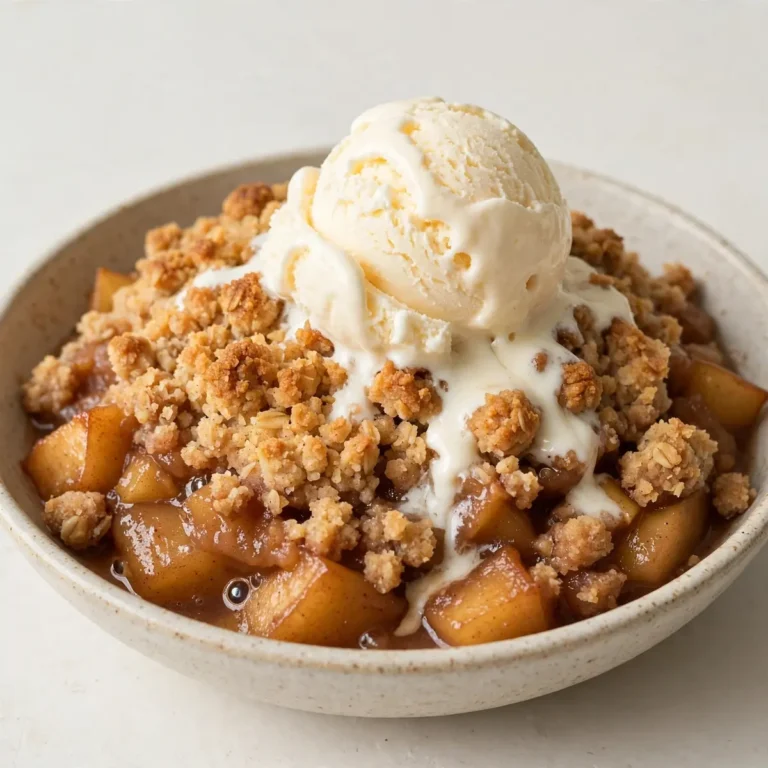
Autumn Oat Topped Apple Crisp
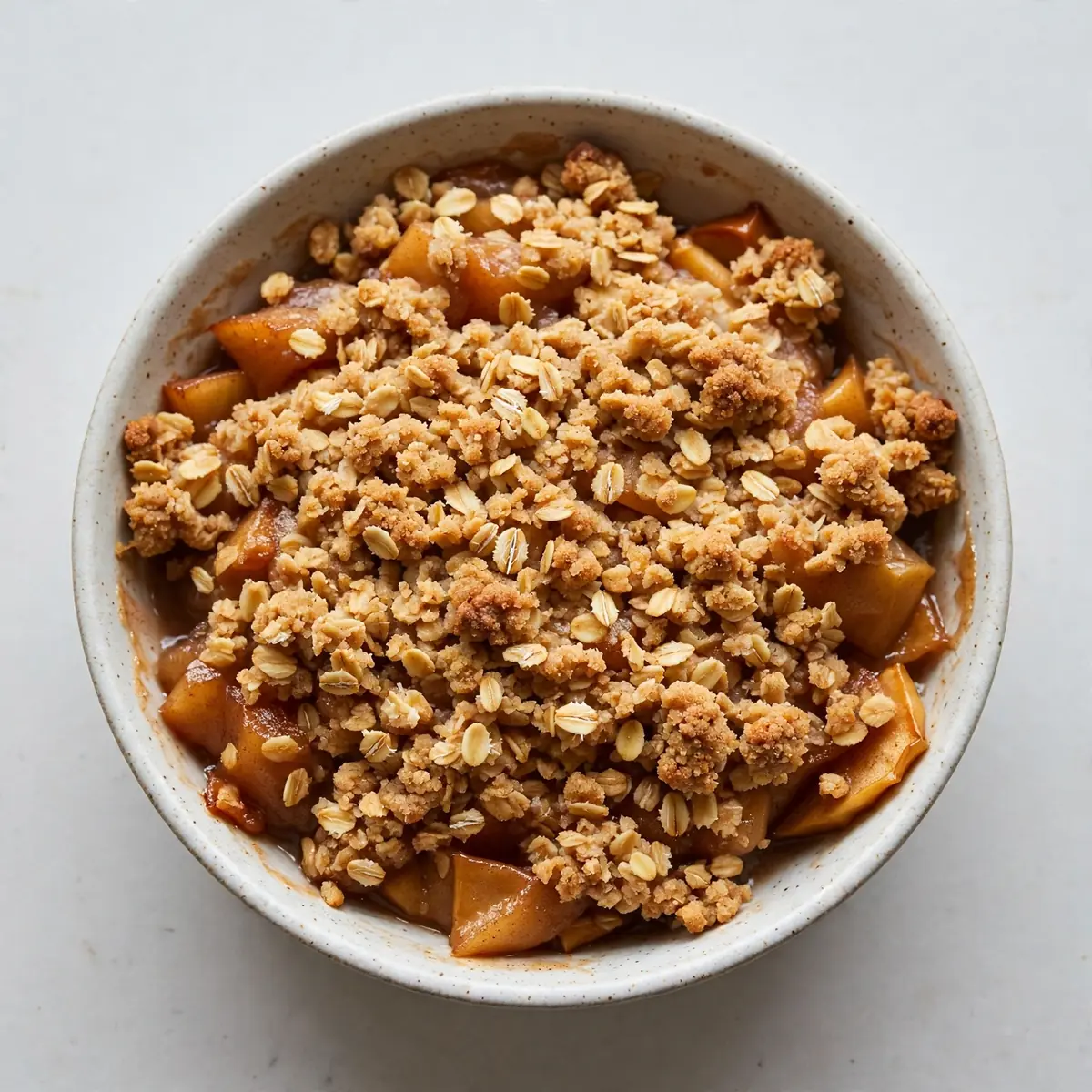
The finest apple crisp with oat topping begins not with the oats, but with the apple. A Bramley, cut into thick wedges, holds its shape during baking while releasing just enough juice to soften the fruit without turning the dish into soup. That juice mingles with brown sugar and cinnamon, bubbles up around the edges, and steams the underside of the oat crust so it sets firm rather than turning dusty. This recipe builds that contrast deliberately: a tart, jammy base and a topping that stays crunchy, golden, and substantial from first bite to last.
Recipe Overview
- Prep time: 25 minutes
- Cook time: 45–50 minutes
- Total time: 1 hour 15 minutes
- Servings: 6
- Difficulty: Easy
Why You’ll Love This Apple Crisp With Oat Topping
- Bramley apples give the filling real tang. Sweet dessert apples can turn cloying after roasting; Bramleys hold acidity that cuts through the buttery oat layer and keeps each spoonful bright.
- The oat topping stays crisp for hours. A combination of jumbo oats, demerara sugar, and melted butter creates a crust that resists softening, even after the dish has rested.
- No specialist equipment needed. One bowl for the filling, one bowl for the topping, and a standard 20cm by 20cm baking dish. No mixer, no food processor, no fuss.
- It works with whatever apples you have. While Bramleys are ideal, a mix of Cox, Braeburn, or Granny Smith also performs well. The recipe tolerates variations in sweetness and texture without complaint.
- The kitchen smells phenomenal. Cinnamon, butter, and softening apple produce a scent that signals comfort well before the timer dings.

Ingredients You’ll Need
- 1kg Bramley apples (about 4 large), peeled, cored, and cut into 2cm wedges
- 80g demerara sugar
- 1½ tsp ground cinnamon
- ½ tsp ground nutmeg (freshly grated if possible)
- 2 tbsp plain flour
- 2 tbsp fresh lemon juice (from about 1 lemon)
- 150g jumbo porridge oats
- 100g plain flour
- 120g demerara sugar (for the topping)
- ½ tsp fine sea salt
- 120g unsalted butter, melted and cooled slightly
- 60g flaked almonds (optional, for extra crunch)
Tip: Weigh your apples after peeling and coring. Bramley apples vary significantly in size, and using too much fruit will flood the topping. 1kg of prepared apple is the correct target.
How to Make Apple Crisp With Oat Topping
- Preheat the oven to 190°C (170°C fan) and lightly butter a 20cm × 20cm baking dish. The butter film prevents the apple juices from sticking and adds a faint richness to the bottom layer. You should see a thin, glossy sheen across the base and sides of the dish.
- Combine the apple wedges, 80g demerara sugar, cinnamon, nutmeg, 2 tbsp flour, and lemon juice in a large bowl. Toss gently with your hands or a spatula until every wedge is coated. The sugar will begin to draw moisture from the apples, and the mixture will look glossy and speckled with dark spice flecks. The lemon juice stops the apples browning and sharpens the overall flavour.
- Tip the apple mixture into the prepared dish and spread it into an even layer. Press the wedges down gently so they sit flat. There should be no large gaps; the fruit should fill the dish from edge to edge. The surface will look rough and juicy, with a few sugar crystals still visible.
- In a separate bowl, combine the jumbo oats, 100g flour, 120g demerara sugar, and salt. Stir with a fork to break up any lumps. The dry mixture should look uniform, with oats and flour evenly distributed. Add the flaked almonds now if using.
- Pour the melted butter over the dry oat mixture and stir with a fork until every oat and flour particle is coated. The mixture will clump together in places; this is exactly what you want. It should smell deeply buttery and look like damp, golden rubble with no dry flour pockets remaining. If it seems too dry, add another tablespoon of melted butter.
- Scatter the oat topping over the apples in an even, craggy layer. Do not press it down. Leave peaks and gaps so the steam can escape and the topping can brown in the oven. The fruit should be completely covered, but the surface should look rough and uneven.
- Place the dish on a baking tray to catch any overflow, then bake for 45–50 minutes. After 30 minutes, the kitchen will smell of cooked apple and cinnamon. At 45 minutes, the topping should be deep golden brown, and the apple juices should be bubbling visibly around the edges of the dish. If the topping is browning too quickly, tent loosely with foil for the final 10 minutes.
- Remove from the oven and let the dish rest on a wire rack for at least 15 minutes. During this time, the juices will thicken slightly, and the topping will firm up. The dish will still be warm but no longer volcanic. A rested crisp slices cleanly; a rushed one collapses into a soupy mess.
Practical Tips
- Use cold butter for the topping if you prefer a chunkier texture. Melted butter coats every oat grain evenly and produces a more uniform, crunchy crust. But if you cut cold butter into the dry ingredients with your fingertips, you will get larger, biscuit-like clumps that offer a different kind of crunch. Both work; choose based on the texture you want.
- Cut the apple wedges to a consistent thickness. Wedges that are the same size cook at the same rate. If some pieces are twice as thick as others, you will end up with a mix of mush and undercooked fruit. Aim for 2cm at the widest point, and check a few wedges with your eye before they go into the dish.
- Do not skip the lemon juice. Bramley apples are tart, but the lemon juice does more than add acidity. It prevents enzymatic browning, which keeps the filling looking fresh, and it helps the pectin in the apples set into a soft, jammy consistency rather than turning watery.
- Bake on a lower-middle rack for even browning. The top of the oven can scorch the oat topping before the apples have fully softened. Positioning the dish on the lower-middle shelf allows the fruit to cook through while the topping turns golden gradually and evenly.
- Let the dish rest before serving. The resting period is not optional. Fresh from the oven, the juices are thin and the topping is fragile. After 15 minutes, the liquid thickens into a syrupy consistency, and the oat crust sets enough to hold its shape when spooned out. You will get cleaner portions and better texture.
Common Mistakes to Avoid
- Overcrowding the pan: Using too many apples forces the topping to sit too high above the fruit, and the topping may burn before the apples have softened. Stick to 1kg of prepared fruit for a 20cm × 20cm dish. If you scale up, use a larger dish rather than piling the fruit higher.
- Wrong temperature: Baking at too low a temperature (below 180°C) will cause the apples to release their juice slowly and the topping to steam rather than crisp. At too high a temperature (above 200°C), the topping darkens before the fruit is tender. 190°C (170°C fan) is the sweet spot.
- Skipping the rest time: Serving apple crisp straight from the oven guarantees a runny filling and a soft topping. The dish needs those 15 minutes on the wire rack for the starches in the flour to swell and thicken the juices, and for the oat crust to settle into a crunchy, cohesive layer.
What to Serve With Apple Crisp With Oat Topping
- Thick double cream, poured straight from the jug so it pools around the warm crisp
- Vanilla custard, homemade or good-quality shop-bought, warmed gently before serving
- A scoop of good vanilla ice cream that melts slowly into the hot apple filling
- Greek yogurt sweetened with a little honey, for a tangier, lighter accompaniment
- Nothing at all — the crisp is substantial enough to stand on its own as a pudding
For a savoury main course before this dessert, a bowl of Chicken Curry Recipe Spicy Dinner offers the kind of deep, warming spice that contrasts beautifully with the sweet, buttery finish of apple crisp. If you are feeding a crowd and want another dessert option, the Easter Dirt Cake Casserole Recipe provides a chilled, creamy alternative that requires no oven time at all.
Frequently Asked Questions
apple crisp with oat topping
Ingredients
Method
-
Preheat the oven to 190°C (170°C fan) and lightly butter a 20cm × 20cm baking dish. The butter film prevents the apple juices from sticking and adds a faint richness to the bottom layer. You should see a thin, glossy sheen across the base and sides of the dish.
-
Combine the apple wedges, 80g demerara sugar, cinnamon, nutmeg, 2 tbsp flour, and lemon juice in a large bowl. Toss gently with your hands or a spatula until every wedge is coated. The sugar will begin to draw moisture from the apples, and the mixture will look glossy and speckled with dark spice flecks. The lemon juice stops the apples browning and sharpens the overall flavour.
-
Tip the apple mixture into the prepared dish and spread it into an even layer. Press the wedges down gently so they sit flat. There should be no large gaps; the fruit should fill the dish from edge to edge. The surface will look rough and juicy, with a few sugar crystals still visible.
-
In a separate bowl, combine the jumbo oats, 100g flour, 120g demerara sugar, and salt. Stir with a fork to break up any lumps. The dry mixture should look uniform, with oats and flour evenly distributed. Add the flaked almonds now if using.
-
Pour the melted butter over the dry oat mixture and stir with a fork until every oat and flour particle is coated. The mixture will clump together in places; this is exactly what you want. It should smell deeply buttery and look like damp, golden rubble with no dry flour pockets remaining. If it seems too dry, add another tablespoon of melted butter.
-
Scatter the oat topping over the apples in an even, craggy layer. Do not press it down. Leave peaks and gaps so the steam can escape and the topping can brown in the oven. The fruit should be completely covered, but the surface should look rough and uneven.
-
Place the dish on a baking tray to catch any overflow, then bake for 45–50 minutes. After 30 minutes, the kitchen will smell of cooked apple and cinnamon. At 45 minutes, the topping should be deep golden brown, and the apple juices should be bubbling visibly around the edges of the dish. If the topping is browning too quickly, tent loosely with foil for the final 10 minutes.
-
Remove from the oven and let the dish rest on a wire rack for at least 15 minutes. During this time, the juices will thicken slightly, and the topping will firm up. The dish will still be warm but no longer volcanic. A rested crisp slices cleanly; a rushed one collapses into a soupy mess.
Notes


You might also like these recipes
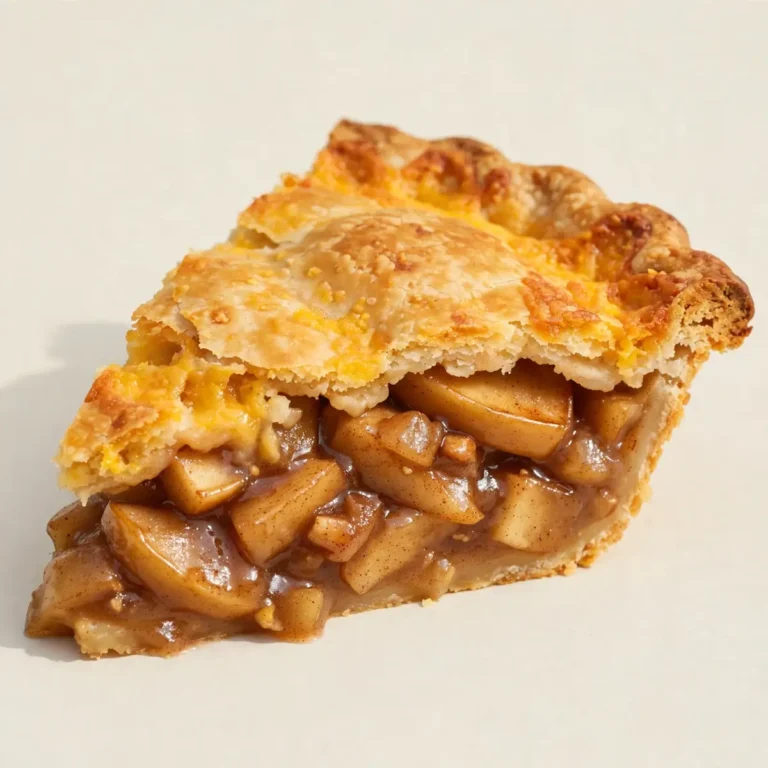
Mouthwatering Apple Pie with Cheddar Crust
There’s something quietly magical about a slice of warm apple pie with cheddar crust —…
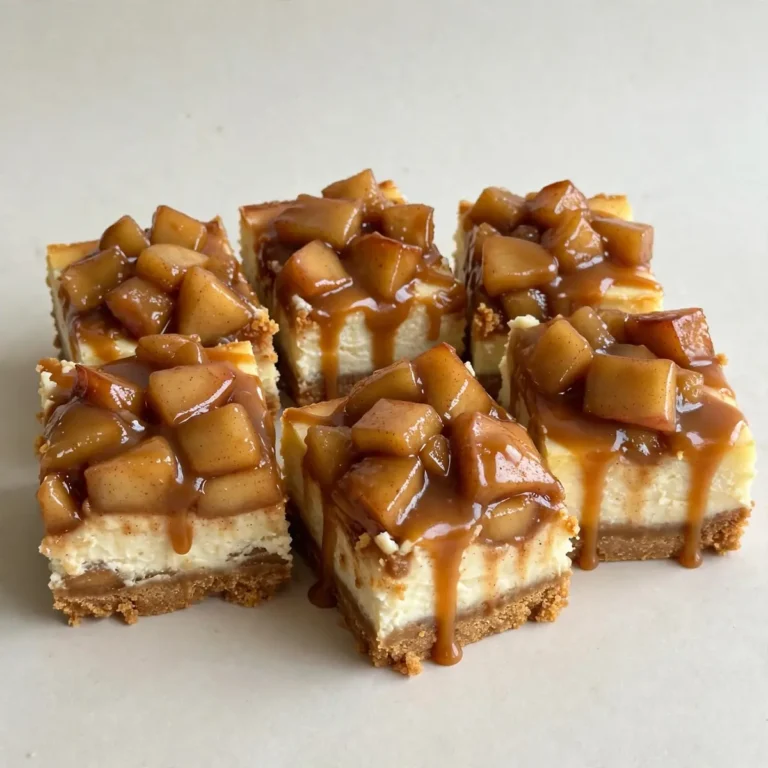
Cozy Fall Caramel Apple Cheesecake Bars
When autumn arrives and the shops fill with British apples, there’s one dessert I find…
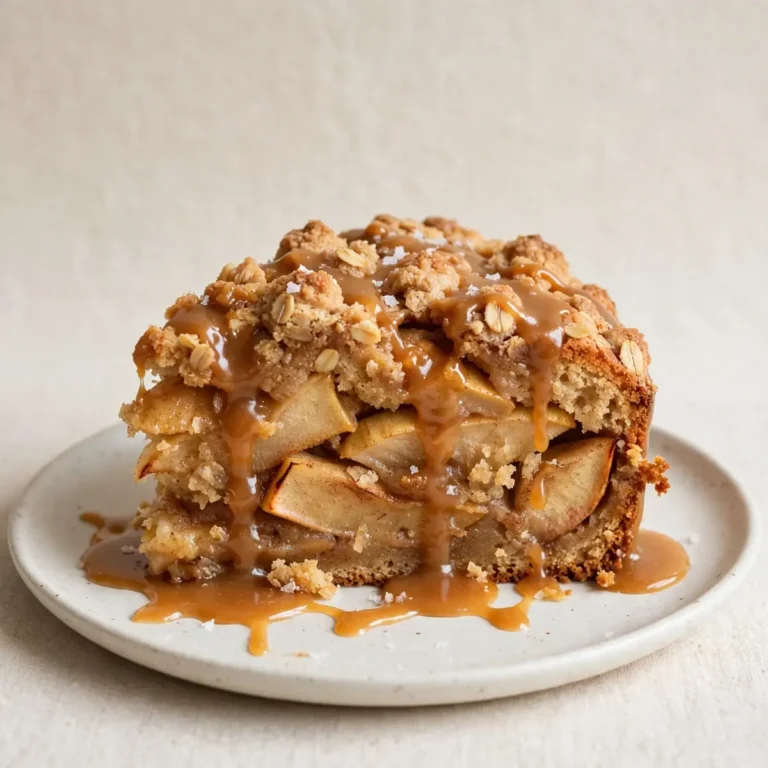
Mouthwatering Salted Caramel Apple Cake
This salted caramel apple cake is the kind of bake that fills your kitchen with…
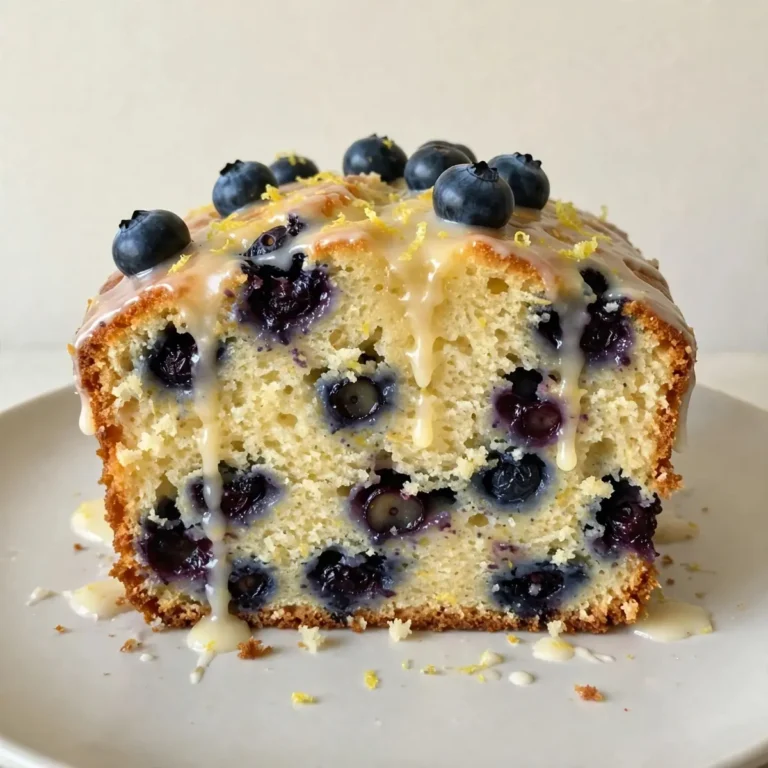
Easy Make-Ahead Lemon Blueberry Pound Cake
Weeknights in our house are a whirlwind of homework, football practice, and the eternal question…
Cozy Fall Apple Crumble with Vanilla Ice Cream
There’s nothing quite like the contrast of a warm, buttery crumble topping against a scoop…
Quick Lemon Olive Oil Yogurt Cake For Busy Nights
On those evenings when the clock is against us and everyone is hungry, this Lemon…