Best Djuvec Rice Recipe
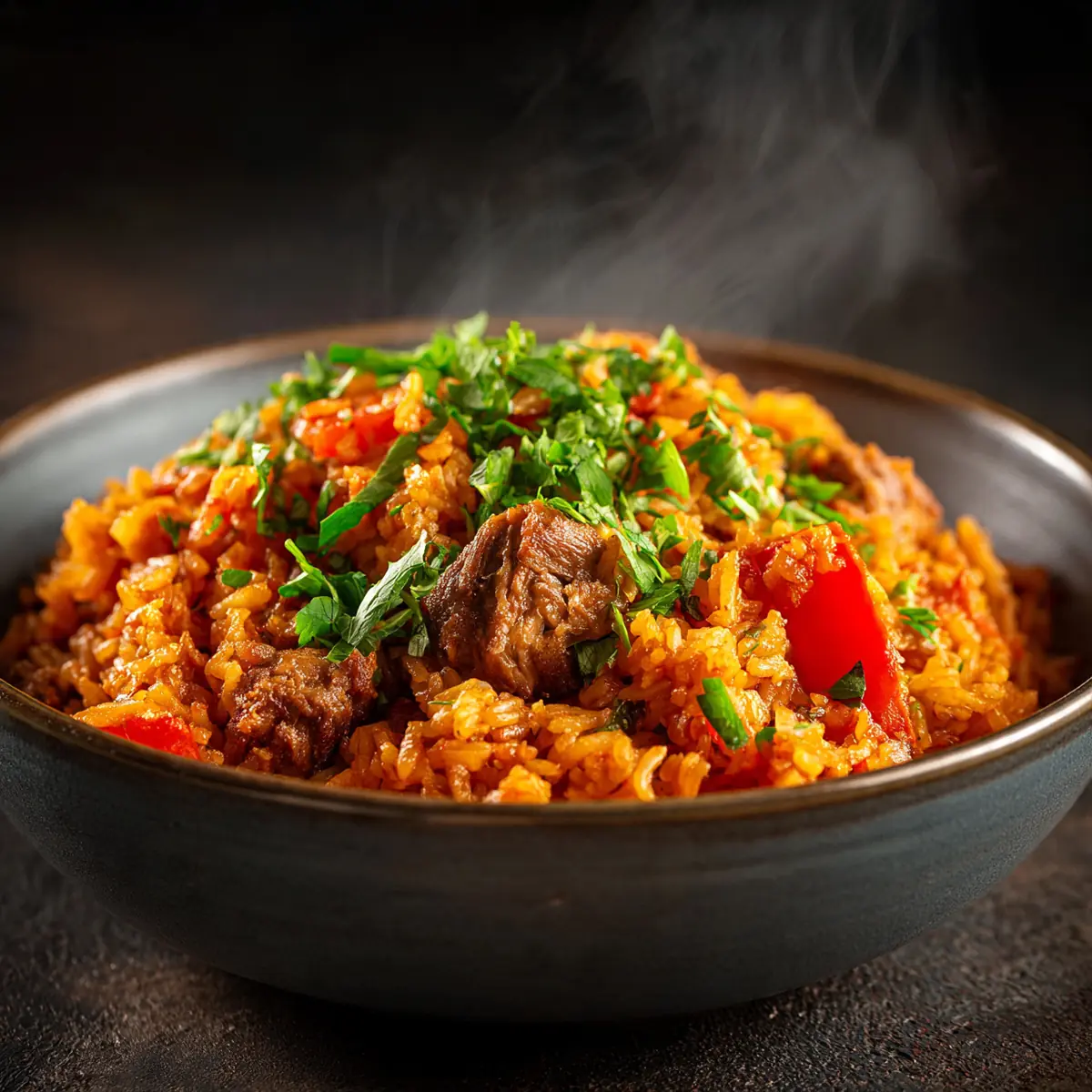
There’s a particular magic to a dish that arrives at the table in a single pan, yet tastes like it took hours of meticulous layering in a professional kitchen. My Best Djuvec Rice recipe is that dish. I first tried it at a tiny Balkan restaurant tucked away in a side street, and the memory of that first spoonful—smoky, sweet, and deeply savoury—stayed with me for weeks. After countless attempts to recreate that restaurant-quality experience at home, I’ve perfected a version that not only delivers on flavour but looks absolutely stunning on the plate. Friends always ask me for this recipe after trying it at dinner parties, and the secret is in the small, intentional touches that elevate it from a simple side to a showstopping centrepiece.
Recipe Overview
- Prep Time: 15 minutes
- Cook Time: 40 minutes
- Total Time: 55 minutes
- Servings: 6 generous servings
- Difficulty: Medium (rewarding, but straightforward)
Why You’ll Love This Best Djuvec Rice Recipe
- Restaurant-Quality Presentation: This recipe is designed with plating in mind. The vibrant, jewel-toned vegetables and perfectly separated grains of rice create a dish that looks as impressive as it tastes, making it ideal for entertaining.
- Deep, Complex Flavour: We build layers of flavour by sautéing the vegetables until they caramelise, then toasting the rice in the pan before adding the stock. This technique creates a savoury depth that a simple boil can never achieve.
- Versatile and Adaptable: This Djuvec rice works beautifully as a main course or as a spectacular side dish. It pairs effortlessly with grilled meats, roasted vegetables, or a simple salad.
- One-Pan Wonder: Everything cooks in a single, wide pan, which means less washing up and more time enjoying your meal. It also allows the flavours to meld together perfectly.
- Guaranteed to Impress Guests: The vibrant colours and aromatic fragrance will fill your kitchen with an irresistible warmth. When you bring this pan to the table, your guests will know something special is about to happen.
Ingredients You’ll Need
- 2 tablespoons olive oil
- 1 large onion, finely diced
- 2 red bell peppers, deseeded and diced into 1cm pieces
- 2 carrots, peeled and diced into 1cm pieces
- 3 cloves garlic, minced
- 1 teaspoon smoked paprika
- ½ teaspoon ground cumin
- 400g (about 2 cups) long-grain white rice, such as basmati or jasmine
- 500ml (2 cups) hot chicken or vegetable stock
- 400g tin of chopped tomatoes
- 1 teaspoon salt, plus more to taste
- ½ teaspoon black pepper
- 2 tablespoons tomato purée (paste)
- Fresh flat-leaf parsley, finely chopped, for garnish
- Optional: 200g cooked and shredded chicken or beef, for a heartier meal
Tip: For the most vibrant colour and best texture, use a good quality, long-grain rice like basmati. Avoid short-grain rice, as it will become claggy and stodgy, ruining the beautiful, separate grains we’re aiming for.
How to Make Best Djuvec Rice Recipe
- Sauté the Aromatics: Heat the olive oil in a large, wide pan (I use a deep, 30cm frying pan with a lid) over a medium-high heat. Add the diced onion and cook, stirring occasionally, for 5-7 minutes until it turns soft and translucent, and you hear a gentle sizzle. The kitchen will smell wonderfully sweet.
- Cook the Vegetables: Add the diced red peppers and carrots to the pan. Cook for another 8-10 minutes, stirring every so often, until the peppers have softened and the carrots are just tender. You’ll see the vegetables begin to take on a little colour and the pan will look vibrant and glossy.
- Bloom the Spices and Garlic: Reduce the heat to medium. Add the minced garlic, smoked paprika, and ground cumin. Stir constantly for 30 seconds until the garlic is fragrant and the spices have deepened in colour. Be careful not to burn the garlic—you want it to smell aromatic, not acrid.
- Toast the Rice: Pour the rice into the pan and stir it into the vegetable mixture. Cook for 2-3 minutes, stirring frequently, until the rice grains become translucent at the edges and you hear a faint, dry clicking sound as they toast. This step is crucial for a nutty flavour and prevents the rice from turning mushy.
- Add the Liquids: Pour in the hot chicken or vegetable stock, the tin of chopped tomatoes, and the tomato purée. Season with the salt and black pepper. Stir everything together until the tomato purée is fully dissolved. The liquid should be a rich, deep red colour and smell intensely savoury.
- Simmer and Cook: Bring the mixture to a gentle, rolling boil. You’ll see small bubbles breaking the surface all over. Immediately reduce the heat to low, cover the pan with a tight-fitting lid, and let it simmer gently for 18-20 minutes. Do not lift the lid during this time—the steam is what cooks the rice evenly.
- Rest and Fluff: After 20 minutes, remove the pan from the heat. Leave it covered and undisturbed for a full 10 minutes. This resting period is non-negotiable. When you finally lift the lid, you’ll see the rice has absorbed all the liquid and the grains are plump and separate. Gently fluff the rice with a fork, taking care not to mash the grains. If using, fold through the shredded chicken or beef at this point.
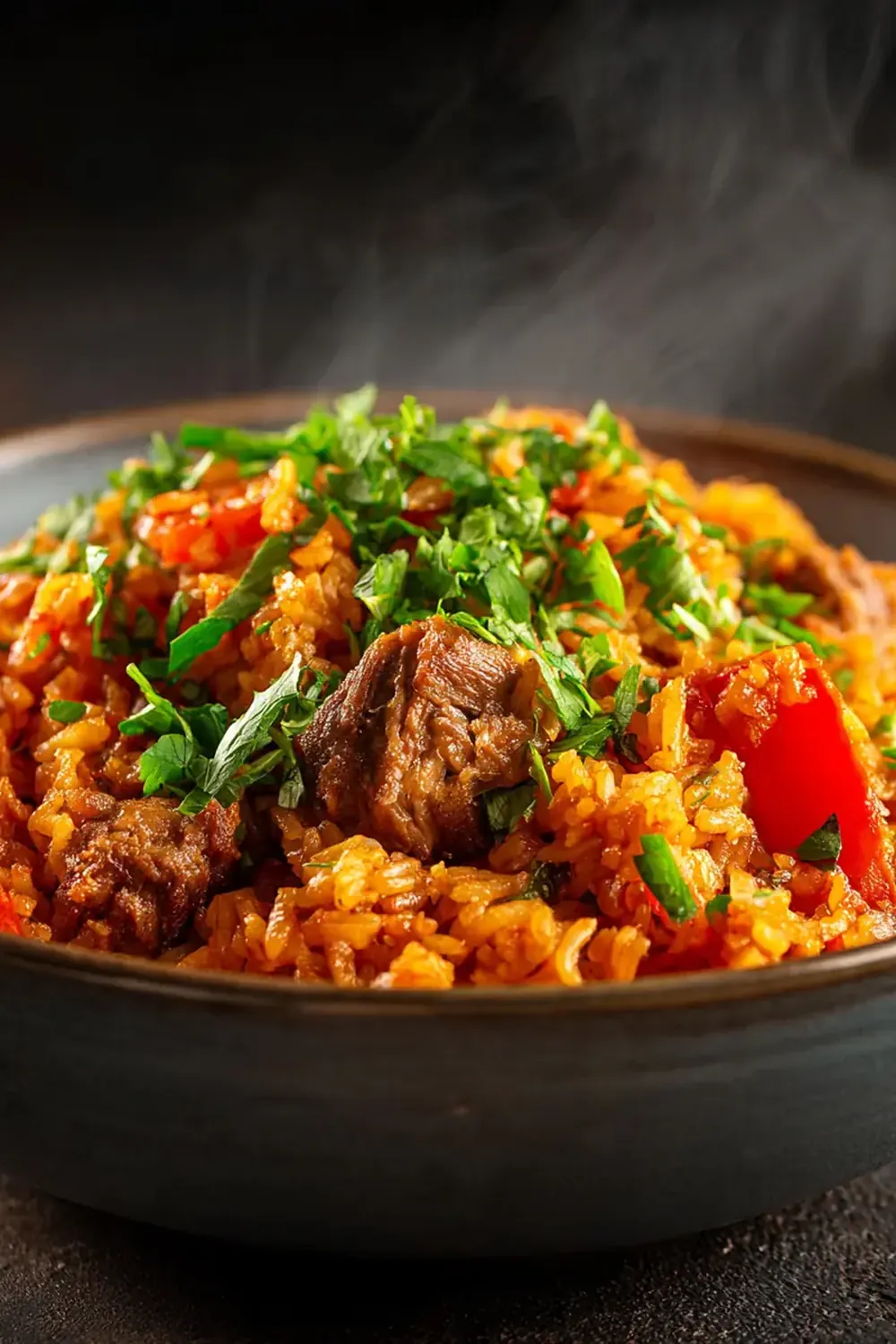
- Garnish and Serve: Transfer the Djuvec rice to a warm serving platter or individual bowls. Sprinkle generously with the fresh, chopped parsley. The contrast of the bright green against the deep red rice is visually stunning. Serve immediately.
Tips From My Kitchen
- Use a Wide Pan for Even Cooking: A wide, shallow pan is essential. It allows the rice to cook in a single, even layer, ensuring every grain absorbs liquid at the same rate. A narrow, deep pot will cause the rice at the bottom to overcook while the top remains hard. I use a 30cm (12-inch) frying pan with a lid, and it works perfectly every time.
- Toast the Rice for a Nutty Flavour: Do not skip the toasting step in the instructions. This dry-fries the outer starch of each grain, which prevents them from clumping together and releases a wonderful, nutty aroma. You’ll know it’s ready when the grains look slightly translucent and you can hear a faint crackle.
- Resist the Urge to Stir: Once you’ve added the liquid, put the lid on and walk away. Stirring the rice during cooking releases excess starch, which will make the dish gluey. The steam trapped under the lid does all the work, so trust the process.
- The Resting Period is Sacred: The 10-minute rest after cooking is when the rice finishes steaming and the moisture redistributes. If you serve it immediately, the rice will be wet and uneven. After resting, it will be light, fluffy, and perfectly cooked. My kids absolutely devour this every time I make it, and I credit this resting step for the texture they love.
- Season in Layers, Not Just at the End: Season the vegetables as you sauté them, and again when you add the stock. Building salt into each stage ensures the flavour penetrates every grain of rice, rather than just sitting on the surface. Taste the liquid before you cover the pan—it should be well-seasoned, as the rice will absorb it.
Common Mistakes to Avoid
- Overcrowding the pan: If your pan is too small, the vegetables will steam instead of sauté, and the rice will cook unevenly. The ingredients need space to move and caramelise. Use a pan that is at least 30cm in diameter to ensure everything cooks properly.
- Wrong temperature: Cooking the rice over too high a heat will evaporate the liquid before the rice is cooked, leading to a burnt bottom and a raw top. Once you add the stock, keep the heat on low and maintain a gentle simmer. You should see only a few lazy bubbles breaking the surface.
- Skipping the rest time: This is the most common mistake. Taking the lid off too early releases the steam and stops the cooking process. The rice will be hard and crunchy in the centre. That 10-minute rest is what finishes the job, so set a timer and do not peek.
Delicious Variations to Try
- Spicy Version: Add one finely chopped red chilli (deseeded for less heat) along with the garlic and spices. For an extra kick, stir in ½ teaspoon of cayenne pepper or red chilli flakes with the stock. The heat cuts through the sweetness of the peppers beautifully.
- Vegetarian/Vegan Option: This recipe is naturally vegetarian if you use vegetable stock. To make it a complete vegan meal, add a tin of drained and rinsed chickpeas or a handful of frozen peas in the last 5 minutes of cooking. The peas add a pop of bright green colour and a sweet flavour.
- Different Protein: For a heartier version, stir through 250g of cooked, shredded roast chicken, leftover lamb, or even flaked grilled fish just before serving. For a beefier take, try this with the Ground Beef And Rice Recipe Skillet method, browning the mince first before adding the vegetables.
What to Serve With Best Djuvec Rice Recipe
- Grilled lamb chops or a simple roast chicken, for a classic pairing.
- A crisp green salad with a tangy lemon and herb dressing to cut through the richness.
- Grilled halloumi or feta cheese, crumbled over the top just before serving for a salty, creamy contrast.
- A side of garlicky yoghurt sauce—mix natural yoghurt with a crushed garlic clove, a squeeze of lemon, and a pinch of salt.
- A bowl of roasted Mediterranean vegetables, like courgettes and aubergines, for a colourful, healthy spread.
Frequently Asked Questions
Best Djuvec Rice Recipe
Ingredients
Method
- Sauté the Aromatics: Heat the olive oil in a large, wide pan (I use a deep, 30cm frying pan with a lid) over a medium-high heat. Add the diced onion and cook, stirring occasionally, for 5-7 minutes until it turns soft and translucent, and you hear a gentle sizzle. The kitchen will smell wonderfully sweet.
- Cook the Vegetables: Add the diced red peppers and carrots to the pan. Cook for another 8-10 minutes, stirring every so often, until the peppers have softened and the carrots are just tender. You'll see the vegetables begin to take on a little colour and the pan will look vibrant and glossy.
- Bloom the Spices and Garlic: Reduce the heat to medium. Add the minced garlic, smoked paprika, and ground cumin. Stir constantly for 30 seconds until the garlic is fragrant and the spices have deepened in colour. Be careful not to burn the garlic—you want it to smell aromatic, not acrid.
- Toast the Rice: Pour the rice into the pan and stir it into the vegetable mixture. Cook for 2-3 minutes, stirring frequently, until the rice grains become translucent at the edges and you hear a faint, dry clicking sound as they toast. This step is crucial for a nutty flavour and prevents the rice from turning mushy.
- Add the Liquids: Pour in the hot chicken or vegetable stock, the tin of chopped tomatoes, and the tomato purée. Season with the salt and black pepper. Stir everything together until the tomato purée is fully dissolved. The liquid should be a rich, deep red colour and smell intensely savoury.
- Simmer and Cook: Bring the mixture to a gentle, rolling boil. You'll see small bubbles breaking the surface all over. Immediately reduce the heat to low, cover the pan with a tight-fitting lid, and let it simmer gently for 18-20 minutes. Do not lift the lid during this time—the steam is what cooks the rice evenly.
- Rest and Fluff: After 20 minutes, remove the pan from the heat. Leave it covered and undisturbed for a full 10 minutes. This resting period is non-negotiable. When you finally lift the lid, you'll see the rice has absorbed all the liquid and the grains are plump and separate. Gently fluff the rice with a fork, taking care not to mash the grains. If using, fold through the shredded chicken or beef at this point.
- Garnish and Serve: Transfer the Djuvec rice to a warm serving platter or individual bowls. Sprinkle generously with the fresh, chopped parsley. The contrast of the bright green against the deep red rice is visually stunning. Serve immediately.
Notes
I hope this recipe becomes a staple in your home, just as it has in mine. The joy of presenting this beautifully coloured, fragrant rice to friends and family is something I cherish. If you give it a try, I’d love to hear how it turned out for you—please leave a comment below with your thoughts and any twists you added. Happy cooking!