Traditional Currywurst Sauce Recipe
I remember the first time I served this Traditional Currywurst Sauce Recipe at a dinner party. A friend, who had just returned from Berlin, looked at the plate and said, ‘This looks like it belongs in a restaurant.’ That moment of surprise—when simple ingredients transform into something elegant on the plate—is exactly why I keep coming back to this recipe. It’s not just about the sauce; it’s about the whole experience of presenting something familiar in a refined way.
Recipe Overview
- Prep Time: 10 minutes
- Cook Time: 25 minutes
- Total Time: 35 minutes
- Servings: 4
- Difficulty: Easy
Why You’ll Love This Traditional Currywurst Sauce Recipe
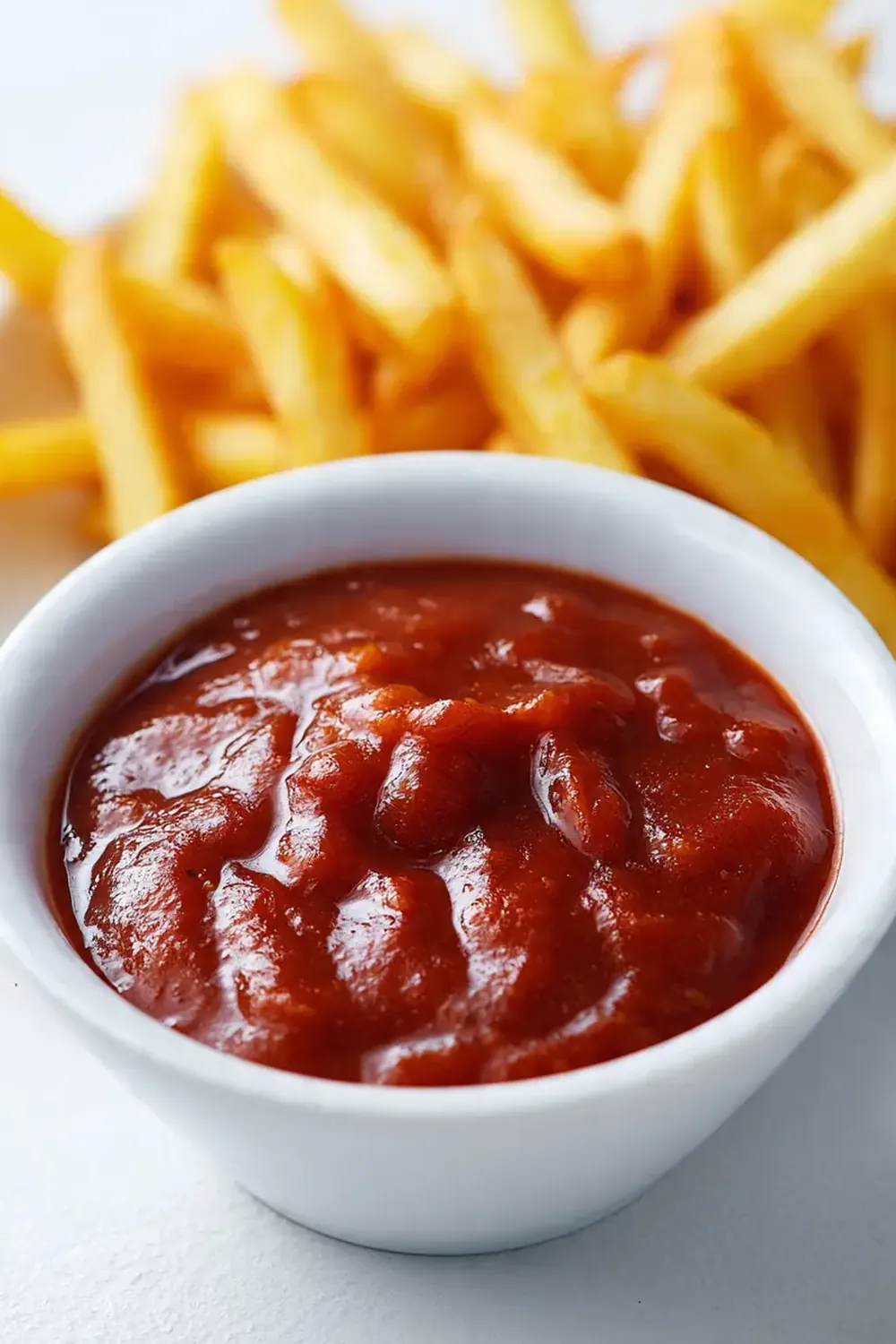
- Impresses your guests: The glossy, deep red sauce and careful plating make it look like a chef crafted it, not a home cook.
- Uses everyday ingredients: Nothing fancy required—just tomato paste, stock, and spices you likely have in the cupboard.
- Quick to prepare: From start to finish, you’re looking at just over half an hour, leaving you more time to focus on sides and garnishes.
- Family-friendly: My kids absolutely devour this every time I make it, and they don’t even notice the subtle spice kick.
- Versatile for any occasion: Whether it’s a casual weeknight supper or a special gathering, the sauce adapts beautifully to different proteins and sides.
Ingredients You’ll Need
- 500g beef sausages (or chicken sausages, if preferred)
- 2 tablespoons olive oil
- 1 large onion, finely diced
- 2 cloves garlic, minced
- 2 tablespoons tomato paste
- 400ml beef stock (from a cube is fine)
- 2 tablespoons tomato ketchup
- 1 tablespoon brown sugar
- 1 tablespoon white wine vinegar
- 2 teaspoons mild curry powder
- 1 teaspoon smoked paprika
- ½ teaspoon cayenne pepper (adjust to taste)
- Salt and freshly ground black pepper, to taste
- Optional: 1 tablespoon cornflour mixed with 2 tablespoons cold water, for thickening
Tip: For the best texture, choose sausages with a good snap—the kind that sizzle and release their juices as they cook. If using chicken sausages, go for a herby variety to complement the curry notes.
How to Make Traditional Currywurst Sauce Recipe
- Brown the sausages: Heat the olive oil in a large frying pan over medium-high heat. Add the sausages and cook for 6–8 minutes, turning occasionally, until they are deep golden brown all over and you hear a satisfying sizzle. The smell of caramelising meat will fill the kitchen. Remove and set aside on a plate.
- Sweat the aromatics: Lower the heat to medium and add the diced onion to the same pan. Cook for 4–5 minutes, stirring frequently, until the onion turns translucent and soft, and the edges just start to brown. You’ll notice a sweet, mellow aroma. Stir in the garlic and cook for another 30 seconds until fragrant.
- Build the base: Add the tomato paste and stir continuously for 1 minute. The paste will darken slightly and smell richer as it cooks. Pour in the beef stock, scraping the bottom of the pan with a wooden spoon to release any browned bits—those are pure flavour.
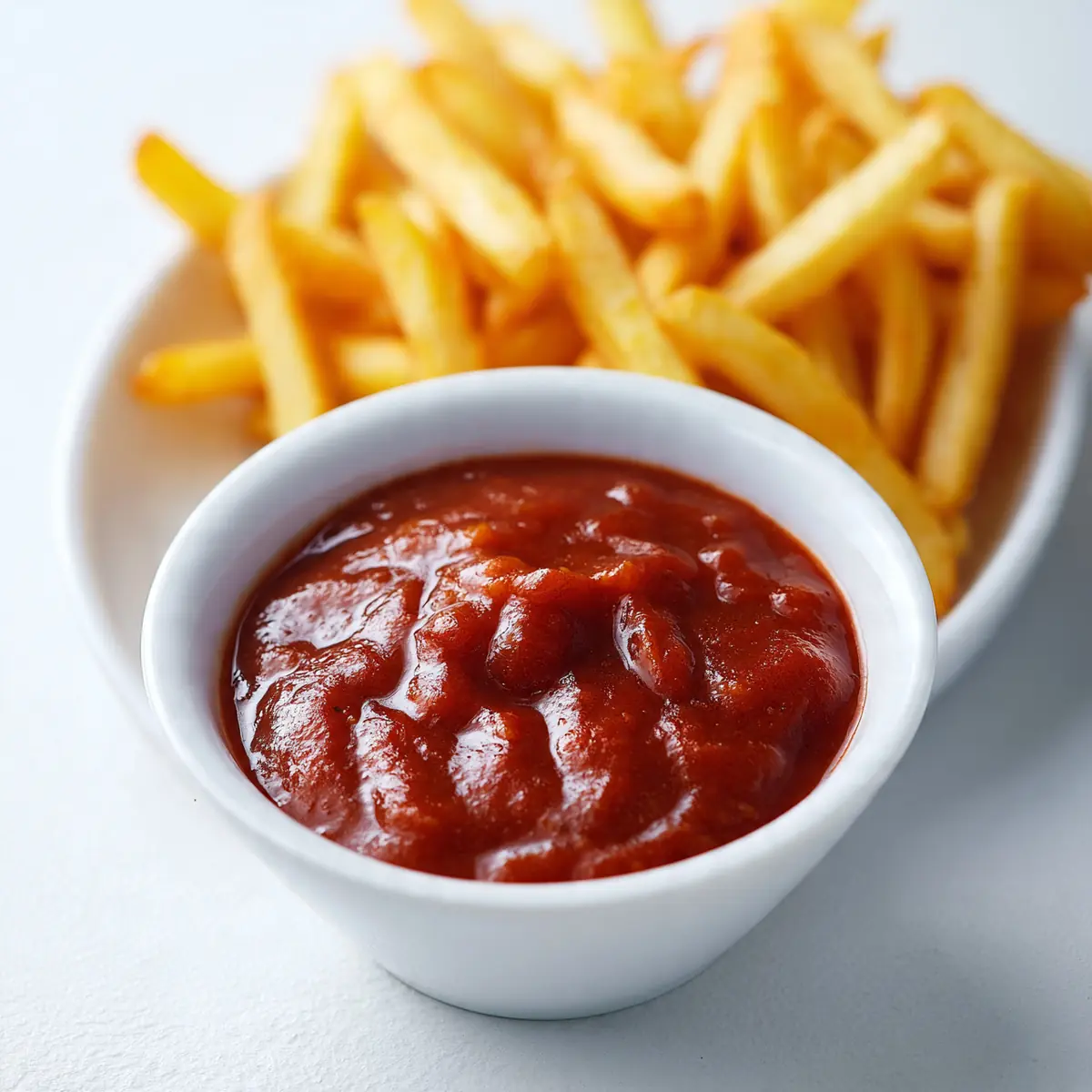
- Season and simmer: Stir in the tomato ketchup, brown sugar, white wine vinegar, curry powder, smoked paprika, and cayenne pepper. Bring the mixture to a gentle boil, then reduce the heat to low. Let it simmer for 10 minutes, uncovered, until the sauce thickens slightly. You’ll see it become glossy and deep red, and the aroma will be warm and spicy.
- Adjust consistency: If you prefer a thicker sauce (perfect for coating the sausages), whisk in the cornflour slurry. Simmer for another 2 minutes, stirring constantly, until the sauce clings to the back of a spoon. Taste and adjust salt and pepper—it should be savoury with a gentle heat.
- Finish the sausages: Slice the browned sausages into bite-sized pieces, about 2–3cm thick. Return them to the pan, stirring to coat each piece in the sauce. Cook for 3–4 minutes over low heat, allowing the sausages to absorb the flavours. The sauce will cling to each piece, creating a beautiful, even coating.
- Rest before serving: Remove the pan from the heat and let it sit for 2 minutes. This allows the sauce to settle and the flavours to meld. You’ll notice the colour deepens further as it rests.
Tips From My Kitchen
- Don’t skip browning the sausages: That deep golden crust adds a layer of savoury flavour (the Maillard reaction) that you simply can’t get from simmering alone. It also creates the fond—the browned bits on the pan base—that enriches the sauce.
- Use a good curry powder: The curry powder is the star here, so choose one you love. A mild, aromatic blend works best; avoid anything too harsh or bitter. I often use a medium-strength Madras, but a sweet, fragrant blend is lovely too.
- Let the sauce simmer properly: Those 10 minutes of gentle simmering are crucial for thickening and concentrating flavours. Rushing this step will leave you with a watery sauce that lacks depth. You’ll know it’s ready when it coats the back of a spoon.
- Slice sausages just before serving: If you slice them too early, they can dry out. Slicing them directly into the hot sauce ensures they stay juicy and absorb the maximum flavour.
- Plate with intention: For a restaurant-quality presentation, spoon the saucy sausages into a shallow bowl, then drizzle a little extra sauce around the edges. Garnish with a pinch of fresh parsley or chives and a light dusting of extra curry powder or paprika. It makes all the difference.
- Make ahead for better flavour: This sauce tastes even better the next day. Cook it fully, cool, and refrigerate overnight. Reheat gently on the stove, adding a splash of stock if needed, and serve. The spices bloom beautifully overnight.
Equipment You’ll Need
- Large frying pan or skillet (preferably non-stick or cast iron)
- Sharp knife and cutting board
- Mixing bowls (for prep and slurry)
- Wooden spoon or spatula
- Measuring spoons and cups
- Small whisk (optional, for the slurry)
Common Mistakes to Avoid
- Overcrowding the pan: If you crowd the sausages while browning, they’ll steam instead of sear. Cook them in a single layer with space between each one. If needed, do it in two batches. The result is a proper, even crust.
- Wrong temperature: Too high heat burns the tomato paste and makes the sauce bitter. Too low, and the sauce won’t thicken. Keep the heat at medium-low for simmering—just enough to see gentle bubbles breaking the surface.
- Skipping the rest time: Letting the finished dish sit for 2–3 minutes off the heat allows the sauce to cling to the sausages and the flavours to settle. Serving it immediately can result in a runny sauce that hasn’t properly adhered.
Delicious Variations to Try
- Spicy Version: Add 1–2 finely chopped fresh red chillies along with the garlic, or increase the cayenne pepper to 1 teaspoon. A dash of hot sauce stirred in at the end also works wonders.
- Vegetarian/Vegan Option: Swap the beef sausages for a high-quality plant-based sausage (look for ones with a good bite). Use vegetable stock instead of beef stock, and ensure the sugar is vegan-friendly. The sauce itself is already vegetarian aside from the stock.
- Different Protein: This sauce is brilliant with grilled chicken thighs or even meatballs. For a twist, try it with thick slices of firm tofu or halloumi (for a vegetarian version). Just brown the protein first, then coat in the sauce as directed.
What to Serve With Traditional Currywurst Sauce Recipe
- Crusty bread or soft rolls for dipping into the sauce
- A simple green salad with a sharp vinaigrette to cut through the richness
- Classic French fries or wedges—the perfect vehicle for extra sauce
- For a lighter option, try this alongside a Mediterranean Pasta Salad Recipe Cold for a refreshing contrast
- A Rice Pilaf Recipe Fluffy Side also works beautifully, soaking up the sauce without overpowering it
Frequently Asked Questions
Traditional Currywurst Sauce Recipe
Ingredients
Method
- Brown the sausages: Heat the olive oil in a large frying pan over medium-high heat. Add the sausages and cook for 6–8 minutes, turning occasionally, until they are deep golden brown all over and you hear a satisfying sizzle. The smell of caramelising meat will fill the kitchen. Remove and set aside on a plate.
- Sweat the aromatics: Lower the heat to medium and add the diced onion to the same pan. Cook for 4–5 minutes, stirring frequently, until the onion turns translucent and soft, and the edges just start to brown. You’ll notice a sweet, mellow aroma. Stir in the garlic and cook for another 30 seconds until fragrant.
- Build the base: Add the tomato paste and stir continuously for 1 minute. The paste will darken slightly and smell richer as it cooks. Pour in the beef stock, scraping the bottom of the pan with a wooden spoon to release any browned bits—those are pure flavour.
- Season and simmer: Stir in the tomato ketchup, brown sugar, white wine vinegar, curry powder, smoked paprika, and cayenne pepper. Bring the mixture to a gentle boil, then reduce the heat to low. Let it simmer for 10 minutes, uncovered, until the sauce thickens slightly. You’ll see it become glossy and deep red, and the aroma will be warm and spicy.
- Adjust consistency: If you prefer a thicker sauce (perfect for coating the sausages), whisk in the cornflour slurry. Simmer for another 2 minutes, stirring constantly, until the sauce clings to the back of a spoon. Taste and adjust salt and pepper—it should be savoury with a gentle heat.
- Finish the sausages: Slice the browned sausages into bite-sized pieces, about 2–3cm thick. Return them to the pan, stirring to coat each piece in the sauce. Cook for 3–4 minutes over low heat, allowing the sausages to absorb the flavours. The sauce will cling to each piece, creating a beautiful, even coating.
- Rest before serving: Remove the pan from the heat and let it sit for 2 minutes. This allows the sauce to settle and the flavours to meld. You’ll notice the colour deepens further as it rests.
Notes
Friends always ask me for this recipe after trying it at dinner parties, and I love seeing their faces light up when they realise how straightforward it is. The secret is in the small touches—the careful browning, the patient simmering, the final garnish that makes the plate sing. Have you tried this Traditional Currywurst Sauce Recipe? I’d love to hear how you served it and what twists you added. Drop a comment below and let’s chat about it.