Best Gnocchi Recipe
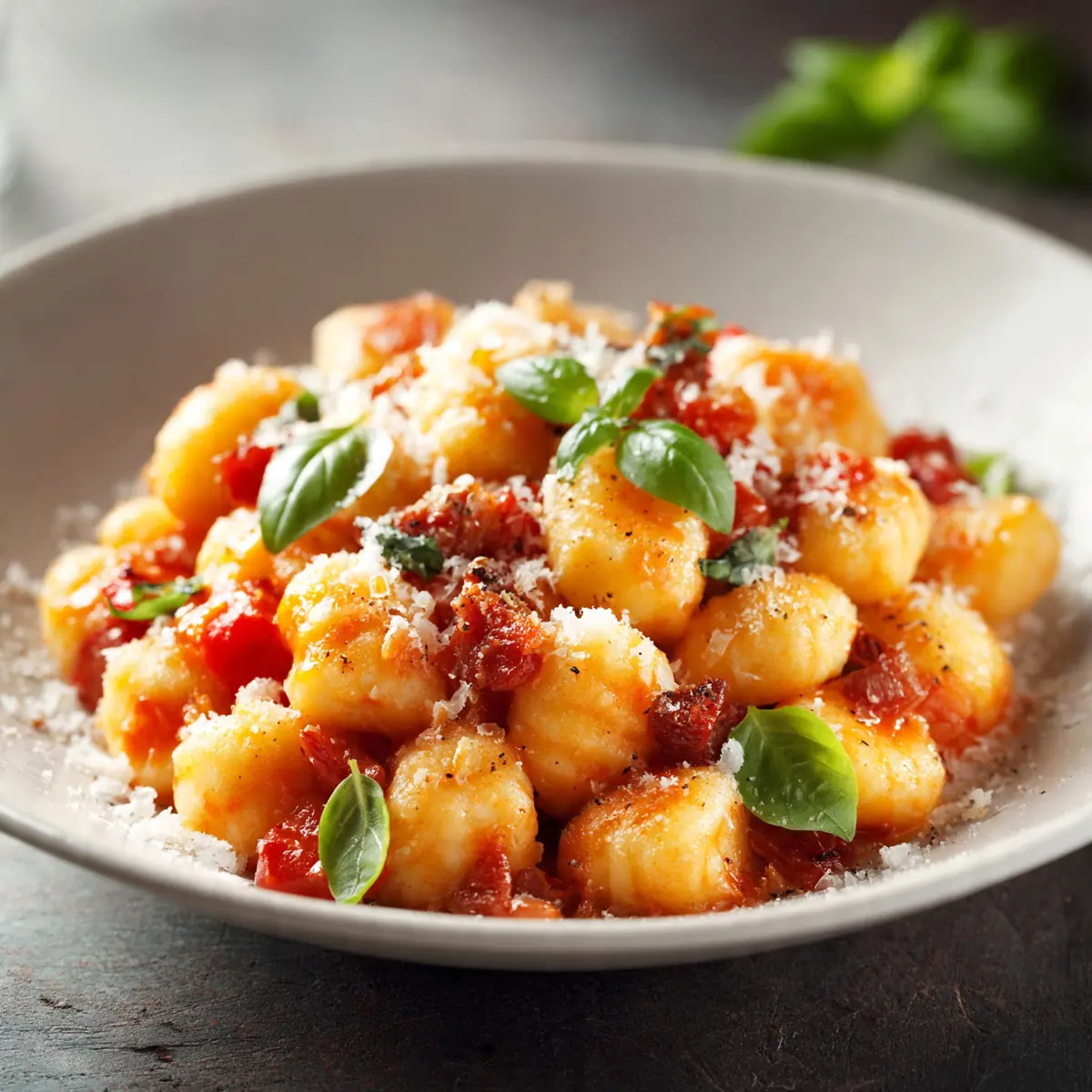
I still remember the first time I served this gnocchi to friends; the silence at the table was the loudest compliment. They weren’t just eating—they were savouring each pillowy piece, and that moment cemented this as my signature dish for dinner parties. Friends always ask me for this recipe after trying it at dinner parties, so today I’m sharing every detail to help you recreate that same magic at home.
Recipe Overview
- Prep Time: 45 minutes
- Cook Time: 10 minutes
- Total Time: 55 minutes
- Servings: 4 generous portions
- Difficulty: Medium — the technique is straightforward but rewarding
Why You’ll Love This Best Gnocchi Recipe
- Restaurant-quality plating: Every element is designed to look stunning on the plate, from the golden sear on the gnocchi to the vibrant garnish.
- Perfectly light texture: The careful balance of potato and flour yields gnocchi that are tender, never dense or gummy.
- Impressive yet approachable: This recipe feels luxurious without requiring professional skills — it’s all about small, intentional steps.
- Make-ahead friendly: You can prepare the gnocchi in advance, then sear and sauce them just before serving, reducing last-minute stress.
- Customisable for guests: The base recipe is a blank canvas; I’ll show you how to adapt it for dietary needs or flavour preferences while keeping it beautiful.
Ingredients You’ll Need
- 1 kg (about 4 large) Russet or Yukon Gold potatoes, scrubbed clean
- 1 large egg, lightly beaten
- 250 g plain flour, plus extra for dusting
- 1 teaspoon fine sea salt
- ½ teaspoon freshly ground black pepper
- 60 ml olive oil, for searing
- 2 tablespoons unsalted butter
- 3 cloves garlic, finely minced
- 1 small bunch fresh sage leaves (about 12 leaves)
- 75 g Parmesan cheese, finely grated, plus extra for garnish
- 200 ml chicken stock (or vegetable stock for a vegetarian version)
- Zest of 1 lemon
- Flaky sea salt, for finishing
- Small handful fresh parsley, roughly chopped
Tip: Use starchy potatoes like Russets for the fluffiest texture. Waxy potatoes hold too much moisture and will make your dough heavy.
How to Make Best Gnocchi Recipe
- Bake the potatoes: Preheat your oven to 200°C (400°F). Prick each potato several times with a fork, then place them directly on the oven rack. Bake for 50–60 minutes until the skins are crisp and the flesh feels soft when squeezed gently. You’ll know they’re ready when a knife slides in without resistance. Let them cool just until you can handle them, then peel off the skins while the potatoes are still warm. The steam escaping should smell deeply earthy.
- Rice the potatoes: Press the peeled potatoes through a ricer or a fine-mesh sieve into a large mixing bowl. The texture should resemble fluffy snow, with no lumps remaining. Spread the riced potato on a baking tray in a thin layer and let it cool completely, about 10 minutes. This step removes excess steam, preventing a sticky dough.
- Form the dough: Once cool, gather the riced potato into a mound and make a well in the centre. Pour in the beaten egg, then sprinkle the flour, salt, and pepper over the top. Using your fingertips, gently mix everything together until a shaggy dough forms. Be careful not to overwork it — stop as soon as it comes together. The dough should feel soft and slightly tacky, not wet or sticky.
- Shape the gnocchi: Lightly flour your work surface. Divide the dough into four portions. Roll each portion into a long rope about 2 cm thick, dusting with flour as needed to prevent sticking. Cut each rope into 2 cm pieces. For that classic ridged look, roll each piece over the tines of a fork, pressing gently to create grooves. Place the shaped gnocchi on a floured baking tray in a single layer. You should hear a soft thud as they land on the tray; if they stick, dust with more flour.
- Cook the gnocchi: Bring a large pot of generously salted water to a rolling boil. Drop the gnocchi in batches — about 15 pieces at a time — and stir gently. They will sink to the bottom at first, then float to the surface after about 2–3 minutes. When they bob up, let them cook for 30 seconds longer, then scoop them out with a slotted spoon. The cooked gnocchi should look tender and slightly translucent at the edges, and they’ll feel springy when pressed.
- Sear to golden perfection: While the gnocchi cook, heat a large frying pan over medium-high heat and add the olive oil. Once the oil shimmers and ripples, add the cooked gnocchi in a single layer. Let them sear undisturbed for 2–3 minutes until the bottoms turn a deep golden brown and you hear a satisfying sizzle. Flip them carefully and sear the other side for another 2 minutes. The finished gnocchi will have a crisp, caramelised crust with a soft, pillowy interior.
- Finish the sauce: Reduce the heat to medium. Add the butter, minced garlic, and sage leaves to the pan with the gnocchi. Stir gently as the butter melts and foams, about 1 minute — the sage will become fragrant and slightly crispy. Pour in the chicken stock and lemon zest, then bring to a gentle simmer. Let the sauce bubble for 2–3 minutes until it thickens slightly and coats the gnocchi. The aroma should be nutty from the butter and bright from the lemon. Stir in the Parmesan until melted and smooth, then taste and adjust salt if needed.
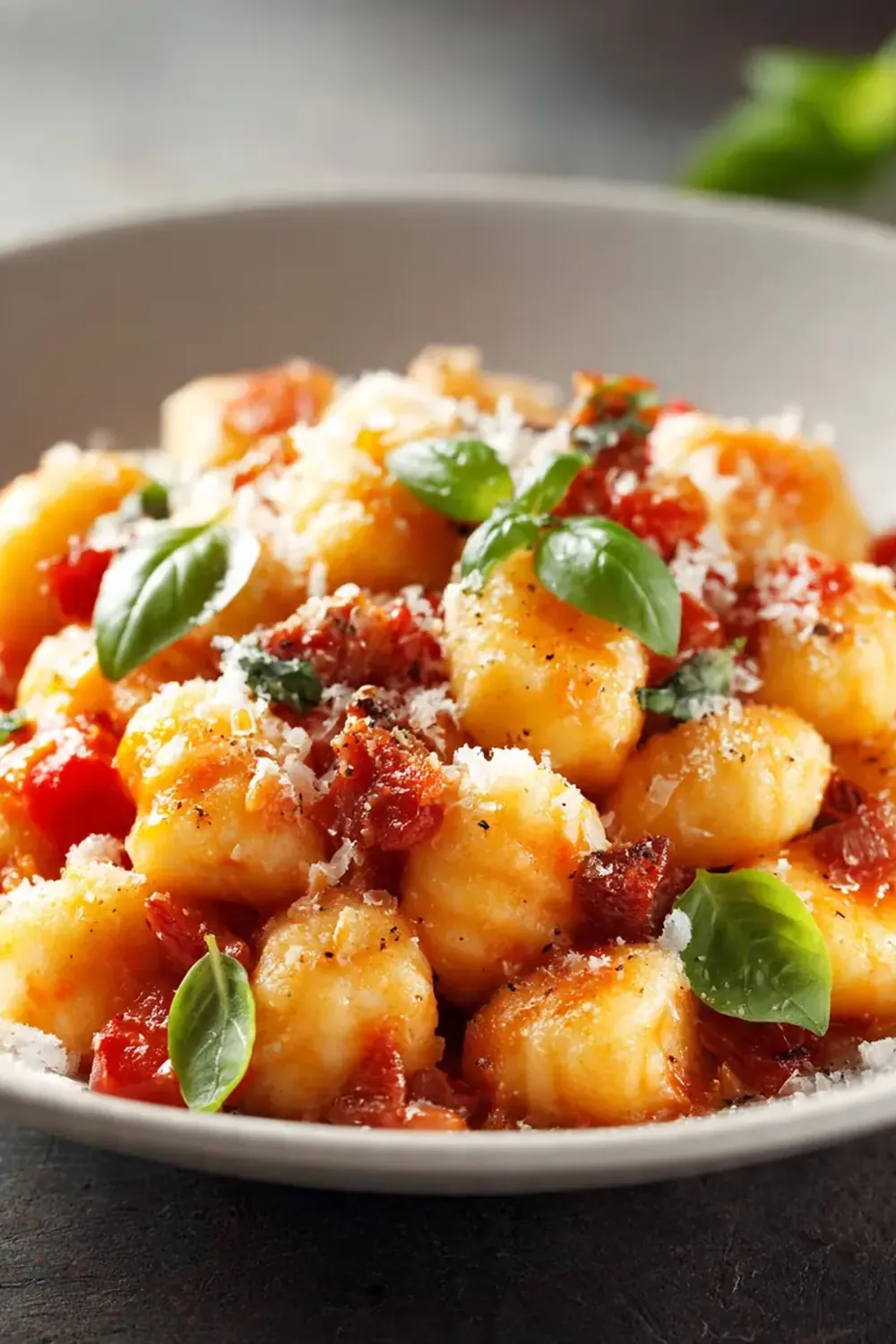
- Plate and garnish: Transfer the gnocchi to a warmed serving platter or individual bowls. Spoon any remaining sauce from the pan over the top. Finish with a sprinkle of flaky sea salt, extra grated Parmesan, and fresh parsley. Arrange a few crispy sage leaves on top for visual drama. Serve immediately while the gnocchi are still hot and the sauce is glossy.
Tips From My Kitchen
- Don’t overwork the dough: Mix just until the ingredients are combined. Over-kneading activates the gluten in the flour, resulting in tough, rubbery gnocchi. The dough should feel soft and slightly tacky, not elastic.
- Use a ricer, not a masher: A potato ricer creates a uniformly fine texture with no lumps, which is essential for light gnocchi. Mashing can leave chunks that make the dough uneven and difficult to shape.
- Test one gnocchi before boiling the batch: Drop a single piece into the boiling water. If it falls apart, your dough needs more flour — add a tablespoon at a time. If it’s too dense, you’ve overworked it; next time, mix less.
- Keep the gnocchi moving in the pan: When searing, resist the urge to overcrowd. Cook in batches if needed, so each piece has room to develop that golden crust. Crowding traps steam and makes them soggy.
- Warm your serving dish: Gnocchi cool quickly. Place your serving platter or bowls in a low oven (about 100°C) for 5 minutes before plating. This small touch keeps the dish hot from first bite to last.
Equipment You’ll Need
- Large frying pan or skillet (non-stick or cast-iron works well)
- Sharp knife and cutting board
- Mixing bowls (one large, one medium)
- Wooden spoon or silicone spatula
- Potato ricer or fine-mesh sieve
- Baking tray for cooling and storing shaped gnocchi
- Slotted spoon for retrieving gnocchi from water
Common Mistakes to Avoid
- Overcrowding the pan: When searing, too many gnocchi in the pan lowers the temperature and traps steam, preventing that crisp, golden crust. Sear in a single layer with space between each piece, and cook in batches if necessary.
- Wrong temperature: The oil must be hot enough to sizzle immediately when a gnocchi hits the pan. If it’s not shimmering, wait another minute. If the oil smokes, it’s too hot — remove the pan from the heat briefly to cool it down.
- Skipping the rest time: Letting the riced potato cool completely before adding flour is critical. Warm potato releases steam that makes the dough sticky and difficult to shape. Patience here saves you from adding too much flour later.
Delicious Variations to Try
- Spicy Version: Add ½ teaspoon of red pepper flakes to the butter along with the garlic. The gentle heat cuts through the richness and adds a lovely warmth that complements the sage.
- Vegetarian/Vegan Option: Use vegetable stock instead of chicken stock, and replace the butter with a good-quality plant-based butter. Omit the Parmesan or use a vegan Parmesan substitute; the lemon zest and sage will still shine.
- Different Protein: Serve the seared gnocchi alongside pan-fried chicken thighs or seared lamb chops. The gnocchi soak up the juices beautifully. For a lighter option, try pairing with my Baked Salmon Recipe Healthy Dinner for a complete meal that feels special.
What to Serve With Best Gnocchi Recipe
- A crisp green salad with a lemon vinaigrette — the acidity balances the richness of the gnocchi.
- Roasted asparagus or tenderstem broccoli, drizzled with olive oil and flaky salt.
- As a starter, serve my Lettuce Wraps Recipe Fresh Appetizer for a light, refreshing beginning to the meal.
- A bowl of Vegetable Soup Recipe Healthy Bowl on the side adds warmth and colour to the table.
Frequently Asked Questions
Best Gnocchi Recipe
Ingredients
Method
- Bake the potatoes: Preheat your oven to 200°C (400°F). Prick each potato several times with a fork, then place them directly on the oven rack. Bake for 50–60 minutes until the skins are crisp and the flesh feels soft when squeezed gently. You'll know they're ready when a knife slides in without resistance. Let them cool just until you can handle them, then peel off the skins while the potatoes are still warm. The steam escaping should smell deeply earthy.
- Rice the potatoes: Press the peeled potatoes through a ricer or a fine-mesh sieve into a large mixing bowl. The texture should resemble fluffy snow, with no lumps remaining. Spread the riced potato on a baking tray in a thin layer and let it cool completely, about 10 minutes. This step removes excess steam, preventing a sticky dough.
- Form the dough: Once cool, gather the riced potato into a mound and make a well in the centre. Pour in the beaten egg, then sprinkle the flour, salt, and pepper over the top. Using your fingertips, gently mix everything together until a shaggy dough forms. Be careful not to overwork it — stop as soon as it comes together. The dough should feel soft and slightly tacky, not wet or sticky.
- Shape the gnocchi: Lightly flour your work surface. Divide the dough into four portions. Roll each portion into a long rope about 2 cm thick, dusting with flour as needed to prevent sticking. Cut each rope into 2 cm pieces. For that classic ridged look, roll each piece over the tines of a fork, pressing gently to create grooves. Place the shaped gnocchi on a floured baking tray in a single layer. You should hear a soft thud as they land on the tray; if they stick, dust with more flour.
- Cook the gnocchi: Bring a large pot of generously salted water to a rolling boil. Drop the gnocchi in batches — about 15 pieces at a time — and stir gently. They will sink to the bottom at first, then float to the surface after about 2–3 minutes. When they bob up, let them cook for 30 seconds longer, then scoop them out with a slotted spoon. The cooked gnocchi should look tender and slightly translucent at the edges, and they'll feel springy when pressed.
- Sear to golden perfection: While the gnocchi cook, heat a large frying pan over medium-high heat and add the olive oil. Once the oil shimmers and ripples, add the cooked gnocchi in a single layer. Let them sear undisturbed for 2–3 minutes until the bottoms turn a deep golden brown and you hear a satisfying sizzle. Flip them carefully and sear the other side for another 2 minutes. The finished gnocchi will have a crisp, caramelised crust with a soft, pillowy interior.
- Finish the sauce: Reduce the heat to medium. Add the butter, minced garlic, and sage leaves to the pan with the gnocchi. Stir gently as the butter melts and foams, about 1 minute — the sage will become fragrant and slightly crispy. Pour in the chicken stock and lemon zest, then bring to a gentle simmer. Let the sauce bubble for 2–3 minutes until it thickens slightly and coats the gnocchi. The aroma should be nutty from the butter and bright from the lemon. Stir in the Parmesan until melted and smooth, then taste and adjust salt if needed.
- Plate and garnish: Transfer the gnocchi to a warmed serving platter or individual bowls. Spoon any remaining sauce from the pan over the top. Finish with a sprinkle of flaky sea salt, extra grated Parmesan, and fresh parsley. Arrange a few crispy sage leaves on top for visual drama. Serve immediately while the gnocchi are still hot and the sauce is glossy.
Notes
My husband, who’s usually picky, asked for seconds the first time I made this, and it’s been a staple ever since. I’d love to hear how your gnocchi turned out — drop a comment below and let me know what garnish or variation you tried. Happy cooking!