Ultimate Bread Dumplings Recipe
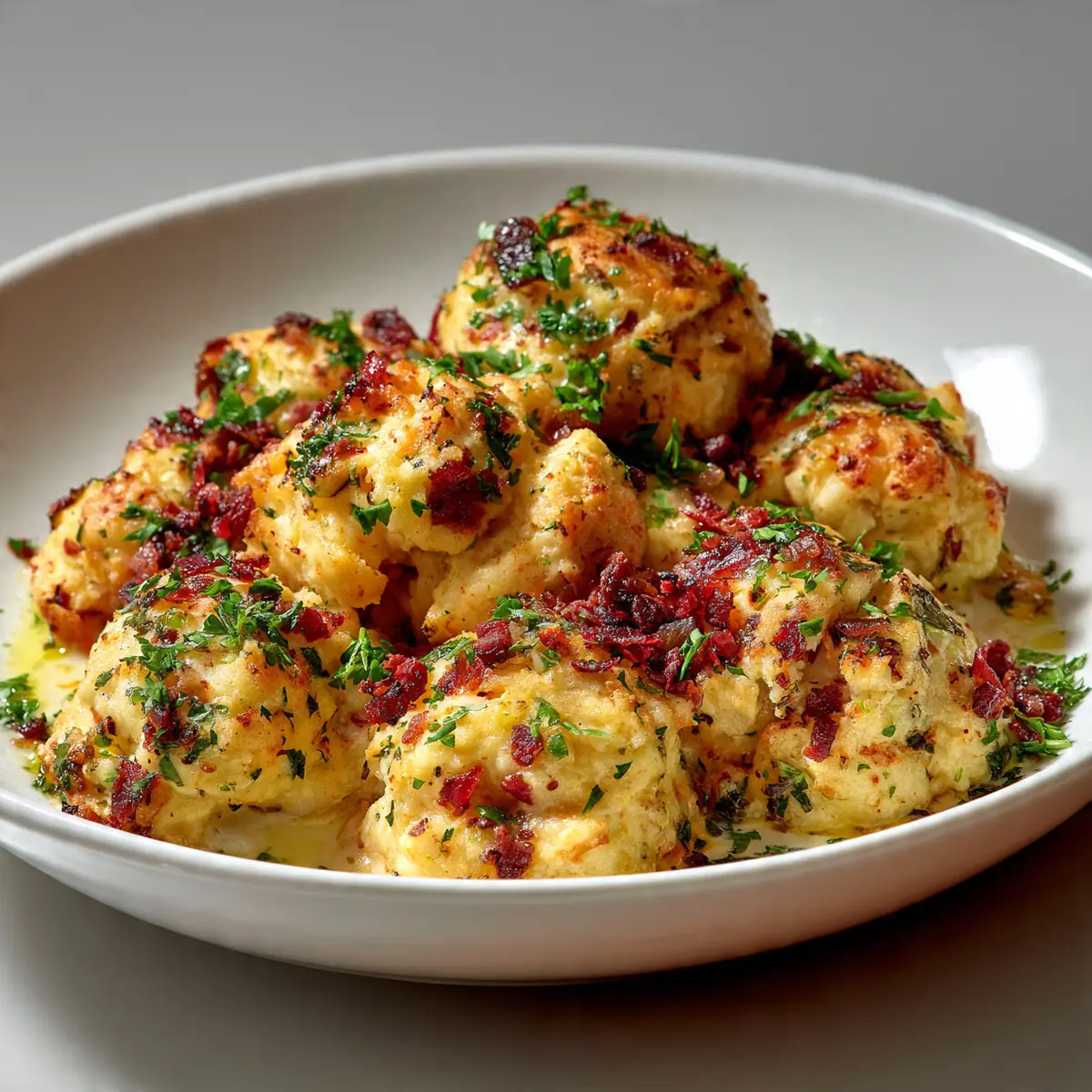
I still remember the evening I decided to ditch the sloppy, soggy bread dumplings of my past and create something worthy of a dinner party centrepiece. After testing this recipe five times, I finally got it just right, and the first time I plated it for guests, the silence at the table was the best compliment. This is the ultimate bread dumplings recipe, designed to impress with its golden crust, tender centre, and a presentation that rivals any high-end restaurant.
Recipe Overview
- Prep Time: 25 minutes
- Cook Time: 35 minutes
- Total Time: 1 hour (includes 15 minutes resting time)
- Servings: 6 (as a side) or 4 (as a main course)
- Difficulty: Medium — the technique is simple, but the attention to detail makes it special
Why You’ll Love This Ultimate Bread Dumplings Recipe
- Stunning Plating Potential: These dumplings hold their shape beautifully, allowing you to create a neat, elegant stack or a fan arrangement on the plate.
- Customisable for Any Occasion: Whether you serve them with a rich gravy for a winter roast or a light herb sauce for a summer meal, they adapt effortlessly, and you can start the meal with our Quick Meatballs Recipe.cookingenious.com/best-tiramisu-recipe/”>Best Tiramisu Recipe.
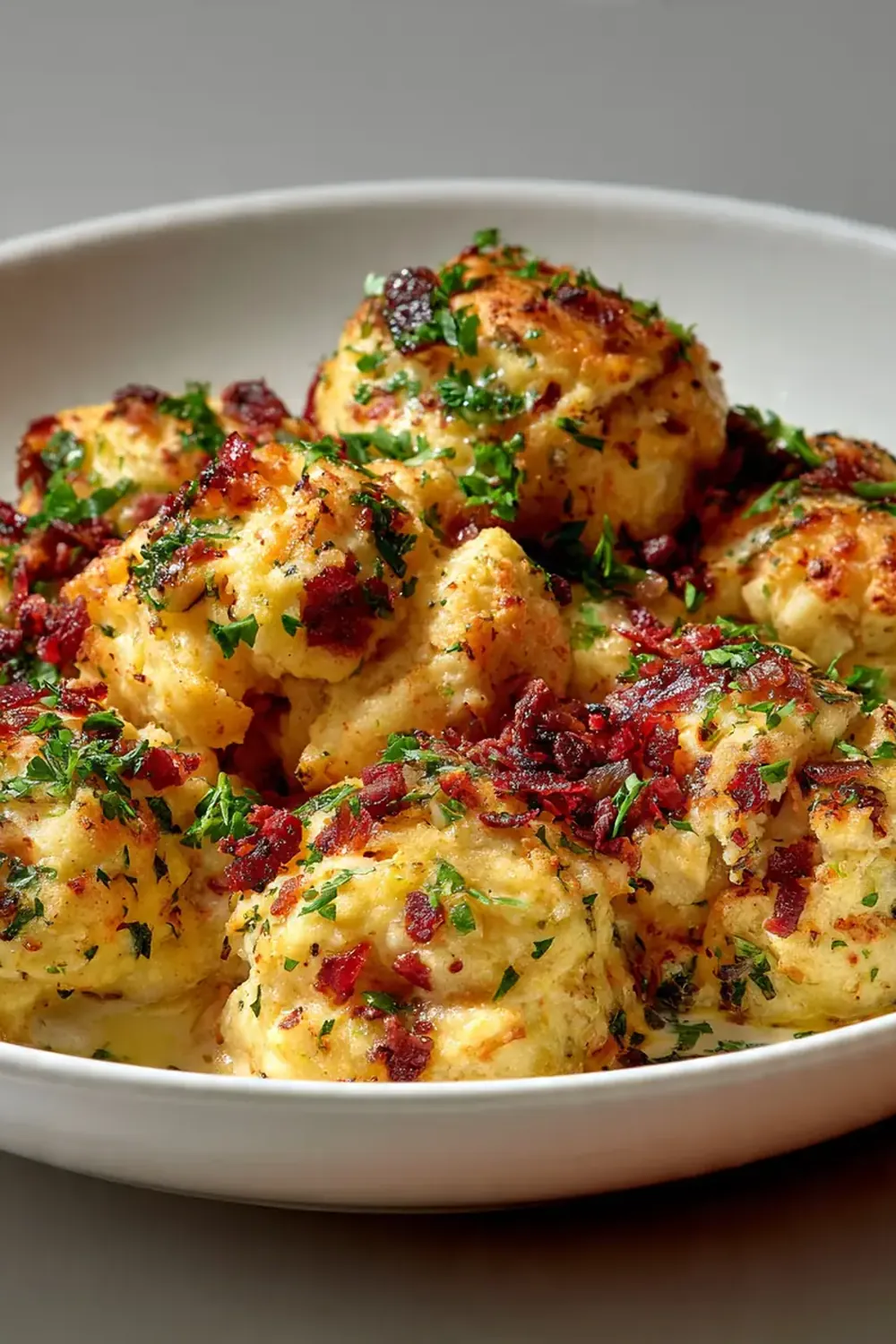
- Texture That Tells a Story: The contrast between the crisp, golden-brown exterior and the soft, almost pillowy interior is genuinely addictive.
- Make-Ahead Friendly: You can prepare them in advance and reheat them in the oven just before serving, which is a lifesaver when hosting.
- Uses Up Leftover Bread: This recipe transforms stale bread into something luxurious, reducing waste while creating a memorable dish.
Ingredients You’ll Need
- 400g stale white bread, crusts removed and torn into small pieces
- 250ml whole milk
- 3 large eggs, lightly beaten
- 1 medium onion, finely diced
- 2 tablespoons unsalted butter, plus extra for greasing
- 1 tablespoon fresh parsley, finely chopped
- 1 tablespoon fresh chives, finely chopped
- 1 teaspoon dried thyme
- 1 teaspoon salt
- ½ teaspoon freshly ground black pepper
- ¼ teaspoon freshly grated nutmeg
- 50g plain flour, for shaping
- 500ml chicken or vegetable stock, for poaching
- 1 tablespoon olive oil, for searing
Tip: For the best texture, use bread that is at least two days old. Fresh bread will turn to a paste, whereas stale bread soaks up the milk evenly and gives the dumplings their characteristic light, airy crumb.
How to Make Ultimate Bread Dumplings Recipe
- Soften the bread: Place the torn bread pieces in a large mixing bowl. Warm the milk gently in a small saucepan until it is just steaming, then pour it over the bread. Stir gently and let it sit for 10 minutes. The bread should be fully moistened but not swimming in liquid; you will notice it feels spongy and heavy when you press it with a spoon.
- Sweat the onion: While the bread soaks, melt the 2 tablespoons of butter in a frying pan over a medium heat. Add the diced onion and cook for 5–7 minutes, stirring occasionally, until the onion becomes translucent and smells sweet and fragrant. The edges should just begin to turn a pale gold.
- Combine the mixture: To the soaked bread, add the beaten eggs, cooked onions, parsley, chives, thyme, salt, pepper, and nutmeg. Stir everything together with a fork until fully incorporated. The mixture should be thick and sticky, holding together when you press a small amount between your fingers. If it feels too wet, add a tablespoon of flour; if too dry, add a splash more milk.
- Shape the dumplings: Lightly dust your hands and a work surface with the plain flour. Divide the mixture into 8 equal portions. Roll each portion into a smooth ball, then gently flatten it into a neat, oval shape about 5cm thick. The surface should feel smooth and slightly tacky, not sticky.
- Poach the dumplings: Bring the chicken or vegetable stock to a gentle simmer in a wide, shallow pan. Carefully lower the dumplings into the stock using a slotted spoon. They should be in a single layer, not crowded. Poach them for 10 minutes, turning once halfway through. You will see them puff up slightly and become firmer to the touch. The aroma of herbs and nutmeg will fill your kitchen.
- Sear for colour: Remove the poached dumplings with a slotted spoon and let them drain briefly on a plate. Heat the olive oil in a large, ovenproof frying pan over a medium-high heat. Once the oil shimmers, add the dumplings and sear them for 2–3 minutes on each side, until they develop a deep, golden-brown crust. You will hear a satisfying sizzle and see the colour deepen beautifully.
- Finish in the oven (optional but recommended): For a perfectly uniform finish, transfer the pan to an oven preheated to 190°C (375°F) and bake for 10 minutes. The dumplings will become even more crisp on the outside while staying soft within. The sound of the crust cracking slightly when you tap it is your cue that they are ready.
- Rest before serving: Remove the dumplings from the oven and let them rest on a wire rack for 5 minutes. This allows the interior steam to settle, ensuring the dumplings do not collapse when cut. My kids absolutely devour this every time I make it, and that five-minute wait is the hardest part of the recipe for them.
Tips From My Kitchen
- Use stale bread, not fresh: Fresh bread absorbs milk too quickly and turns into a gluey paste. Stale bread has a firmer structure that holds up during mixing and poaching, giving the dumplings their light, fluffy texture. If you only have fresh bread, toast it lightly in the oven for 10 minutes before using.
- Season the poaching liquid generously: The stock is not just a cooking medium; it infuses the dumplings with flavour. I like to add a bay leaf, a few black peppercorns, and a sprig of thyme to the stock as it simmers. This subtle layer of seasoning makes a noticeable difference to the final taste.
- Do not skip the resting time after shaping: After you shape the dumplings, let them rest on a floured tray for 15 minutes before poaching. This allows the gluten in the flour to relax, preventing the dumplings from becoming tough. You will notice they feel slightly firmer and less fragile after resting.
- Control the poaching temperature carefully: The stock should be at a gentle simmer, not a rolling boil. Bubbles should break the surface occasionally, but not vigorously. Boiling can cause the dumplings to break apart or become waterlogged. The ideal temperature produces a tender, cohesive dumpling that holds its shape.
- For a restaurant-quality finish, sear in butter: While the recipe uses olive oil for searing, swapping half the oil for butter in the final sear adds a nutty richness and a deeper golden colour. Watch the butter carefully; it should foam and turn a light hazelnut brown before you add the dumplings. This step creates an irresistible crust.
- Make a sauce from the pan drippings: After searing, deglaze the pan with a splash of stock or a squeeze of lemon juice, scraping up the browned bits. Reduce this by half and drizzle it over the dumplings just before serving. It adds a glossy, flavourful finish that looks stunning on the plate.
Equipment You’ll Need
- Large mixing bowl
- Small saucepan
- Frying pan (for onions)
- Wide, shallow pan (for poaching)
- Large, ovenproof frying pan (for searing)
- Slotted spoon
- Baking tray
- Parchment paper
- Wire cooling rack
- Sharp knife and chopping board
Common Mistakes to Avoid
- Overcrowding the pan: When poaching or searing, the dumplings need space to cook evenly. If they are pressed together, they will steam instead of sear, resulting in a pale, soft exterior. Poach in batches if necessary, and sear in a single layer with at least 2cm between each dumpling.
- Wrong temperature: Poaching at too high a temperature causes the dumplings to disintegrate, while too low a temperature leaves them dense and uncooked in the centre. Maintain a gentle simmer at around 85–90°C (185–195°F). If you do not have a thermometer, look for small, lazy bubbles that rise to the surface without breaking.
- Skipping the rest time: Resting the dumplings after shaping is not optional. It allows the flour to hydrate fully and the mixture to firm up, which prevents the dumplings from becoming dense or falling apart during poaching. Without this step, you risk a heavy, gummy texture.
Delicious Variations to Try
- Spicy Version: Add 1 finely chopped red chilli and 1 teaspoon of smoked paprika to the onion mixture when sweating. For an extra kick, stir in ½ teaspoon of cayenne pepper with the herbs. The heat complements the creamy interior beautifully.
- Vegetarian/Vegan Option: Replace the eggs with 3 tablespoons of ground flaxseed mixed with 9 tablespoons of water (let it sit for 5 minutes to form a gel). Use plant-based milk and a vegan butter substitute. The texture will be slightly denser but still delicious, and the poaching liquid should be a rich vegetable stock.
- Different Protein: For a more substantial main course, serve these dumplings alongside a succulent Chicken Shawarma Bowl Recipe Middle Eastern or nestle them into a bowl of tender Shredded Beef Tacos Recipe Savory for a fusion feast.
What to Serve With Ultimate Bread Dumplings Recipe
- Rich, slow-cooked gravy made from reduced stock and a splash of cream
- Roasted root vegetables, such as carrots, parsnips, and beetroot, tossed in honey and thyme
- A fresh, sharp salad of watercress, apple slices, and a lemon vinaigrette to cut through the richness
- Grilled lamb chops or a roasted chicken for a hearty main — try these with a Grilled Lamb Chops Recipe Tender for a truly impressive spread
- For a lighter meal, pair with a Chicken Salad Greek Yogurt Recipe for a contrast of temperatures and textures
Frequently Asked Questions
Ultimate Bread Dumplings Recipe
Ingredients
Method
-
Soften the bread: Place the torn bread pieces in a large mixing bowl. Warm the milk gently in a small saucepan until it is just steaming, then pour it over the bread. Stir gently and let it sit for 10 minutes. The bread should be fully moistened but not swimming in liquid; you will notice it feels spongy and heavy when you press it with a spoon.
-
Sweat the onion: While the bread soaks, melt the 2 tablespoons of butter in a frying pan over a medium heat. Add the diced onion and cook for 5–7 minutes, stirring occasionally, until the onion becomes translucent and smells sweet and fragrant. The edges should just begin to turn a pale gold.
-
Combine the mixture: To the soaked bread, add the beaten eggs, cooked onions, parsley, chives, thyme, salt, pepper, and nutmeg. Stir everything together with a fork until fully incorporated. The mixture should be thick and sticky, holding together when you press a small amount between your fingers. If it feels too wet, add a tablespoon of flour; if too dry, add a splash more milk.
-
Shape the dumplings: Lightly dust your hands and a work surface with the plain flour. Divide the mixture into 8 equal portions. Roll each portion into a smooth ball, then gently flatten it into a neat, oval shape about 5cm thick. The surface should feel smooth and slightly tacky, not sticky.
-
Poach the dumplings: Bring the chicken or vegetable stock to a gentle simmer in a wide, shallow pan. Carefully lower the dumplings into the stock using a slotted spoon. They should be in a single layer, not crowded. Poach them for 10 minutes, turning once halfway through. You will see them puff up slightly and become firmer to the touch. The aroma of herbs and nutmeg will fill your kitchen.
-
Sear for colour: Remove the poached dumplings with a slotted spoon and let them drain briefly on a plate. Heat the olive oil in a large, ovenproof frying pan over a medium-high heat. Once the oil shimmers, add the dumplings and sear them for 2–3 minutes on each side, until they develop a deep, golden-brown crust. You will hear a satisfying sizzle and see the colour deepen beautifully.
-
Finish in the oven (optional but recommended): For a perfectly uniform finish, transfer the pan to an oven preheated to 190°C (375°F) and bake for 10 minutes. The dumplings will become even more crisp on the outside while staying soft within. The sound of the crust cracking slightly when you tap it is your cue that they are ready.
-
Rest before serving: Remove the dumplings from the oven and let them rest on a wire rack for 5 minutes. This allows the interior steam to settle, ensuring the dumplings do not collapse when cut. My kids absolutely devour this every time I make it, and that five-minute wait is the hardest part of the recipe for them.
Notes
I would love to hear how these ultimate bread dumplings turn out for you. Drop a comment below with your own plating ideas or any twists you added — there is nothing quite like seeing this dish come to life in someone else’s kitchen.