Classic Spaghetti Carbonara Recipe
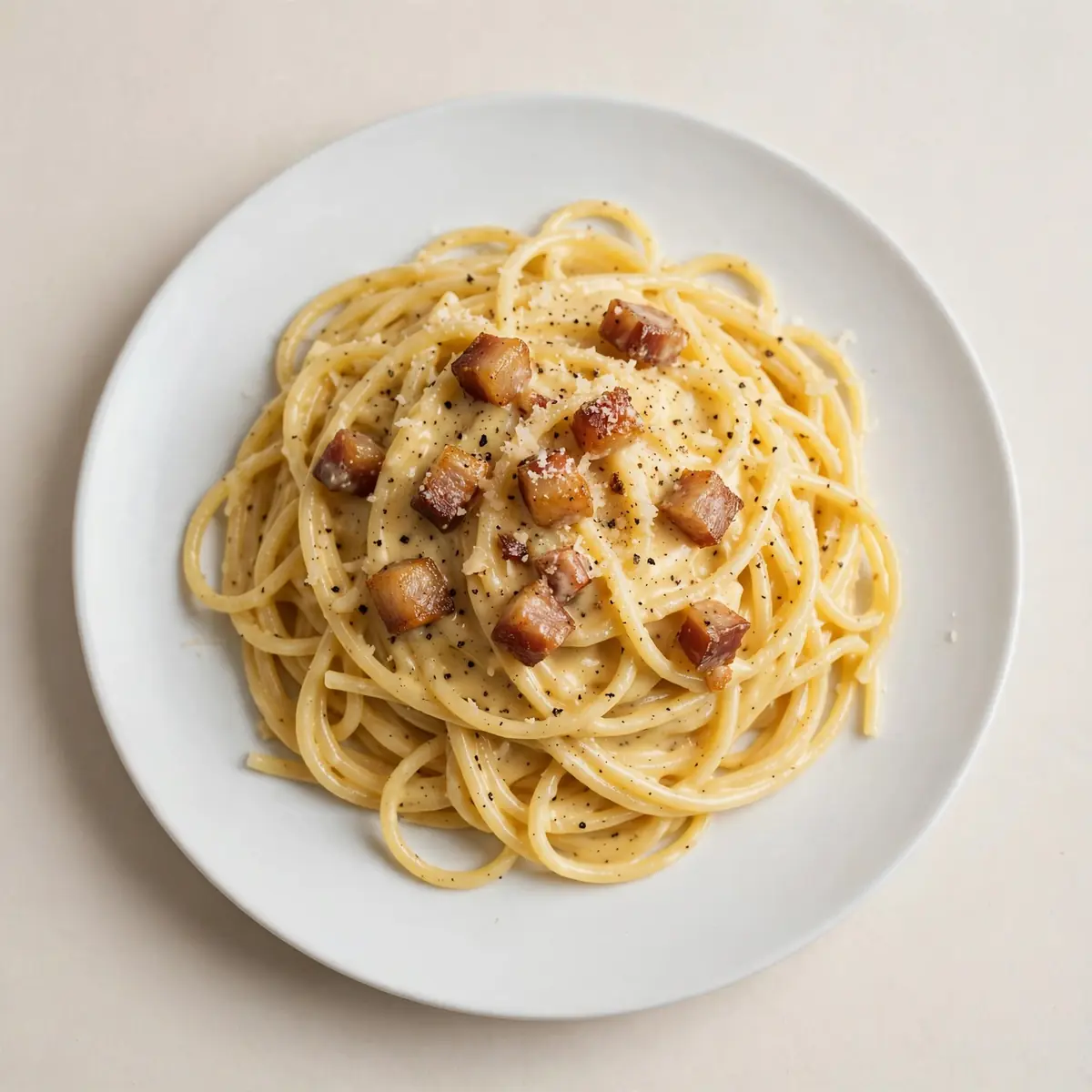
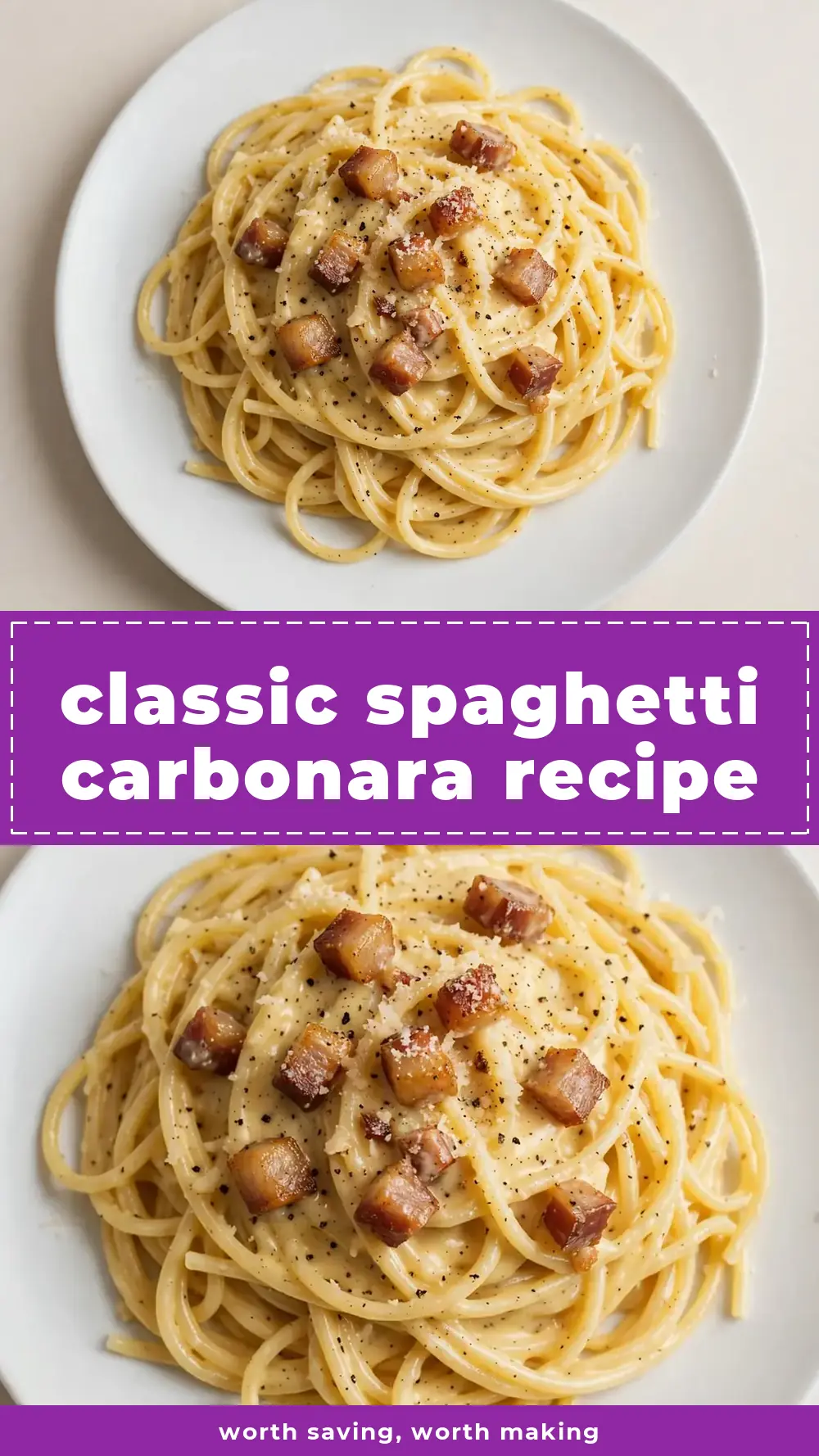
There are some dishes that transcend mere sustenance, becoming an experience, a statement. For me, Classic Spaghetti Carbonara is precisely that – a culinary masterpiece that, with a few thoughtful touches, transforms a simple pasta dish into an unforgettable dining event for cherished guests. It’s about more than just ingredients; it’s about the art of presentation and the joy of sharing something truly special.
Why You’ll Love This Classic Spaghetti Carbonara Recipe
- It offers a rich, creamy texture and deeply savoury flavour that belies its simplicity.
- The elegant presentation makes it an ideal choice for dinner parties and special occasions.
- You’ll master the art of emulsion, creating a silky sauce that coats every strand of spaghetti beautifully.
- It provides a fantastic foundation for showcasing your culinary finesse with minimal fuss.
- Each bite delivers a comforting yet sophisticated taste that will leave your guests impressed, much like a delicious Crispy Baked Chicken Thighs Recipe or a rich Creamy Chicken Breast Recipe.cookingenious.com/crispy-baked-chicken-thighs-recipe/”>Crispy Baked Chicken Thighs Recipe.cookingenious.com/best-lasagna-recipe/”>Best Lasagna Recipe.cookingenious.com/easy-beef-goulash-recipe/”>Easy Beef Goulash Recipe.
Recipe Overview
- Prep time: 15 minutes
- Cook time: 20 minutes
- Total time: 35 minutes
- Servings: 4
- Difficulty: Moderate
Ingredients You’ll Need
- 400g spaghetti
- 150g smoked turkey rashers or halal beef rashers, finely diced
- 3 large free-range egg yolks
- 1 large whole free-range egg
- 100g Pecorino Romano cheese, finely grated, plus extra for serving
- 50g Parmesan cheese, finely grated, plus extra for serving
- 2 cloves garlic, finely minced
- Freshly ground black pepper, to taste
- 2 tablespoons olive oil
- Salt, for pasta water
- A small handful of fresh flat-leaf parsley, finely chopped, for garnish
- 1-2 tablespoons reserved pasta water
Tip: Always opt for the highest quality eggs you can find. Their yolks provide the vibrant colour and richness crucial for an authentic carbonara, making a significant difference to the final flavour and texture.
Equipment You’ll Need
- Large pot for boiling
- Colander
- Large frying pan
- Tongs or pasta fork
- Whisk
- Large mixing bowl
How to Make Classic Spaghetti Carbonara Recipe
- Prepare the Eggs and Cheese: In a large mixing bowl, whisk together the three egg yolks and one whole egg until they are well combined and a uniform pale yellow. Stir in the finely grated Pecorino Romano and Parmesan cheeses, along with a generous amount of freshly ground black pepper. The mixture should be thick and slightly pasty; set this aside.
- Cook the Spaghetti: Bring a large pot of generously salted water to a rolling boil. Add the spaghetti, stirring occasionally to prevent sticking. Cook according to package instructions until al dente – this typically takes around 8-10 minutes. The strands should feel firm with a slight bite when tasted, but not hard. Before draining, reserve about 250ml of the starchy pasta water.
- Render the Rashers: While the pasta cooks, heat two tablespoons of olive oil in a large frying pan over medium heat. Add the finely diced smoked turkey (or beef) rashers. Cook, stirring occasionally, until the rashers are deeply golden brown and crisp, releasing a wonderful savoury aroma, usually around 5-7 minutes. Once crisp, remove the rashers from the pan with a slotted spoon and place them on a plate lined with kitchen paper to drain excess fat. Leave a tablespoon or two of the rendered fat in the pan.
- Infuse the Oil: Reduce the heat to low. Add the finely minced garlic to the pan with the rendered fat. Sauté for about 30 seconds to 1 minute, until the garlic is fragrant and lightly golden, being careful not to let it burn, as burnt garlic will taste bitter. The kitchen should now smell wonderfully aromatic with the combined scents of garlic and savoury rashers.
- Combine Pasta and Sauce: Drain the spaghetti, but do not rinse it. Immediately transfer the hot spaghetti to the frying pan with the garlic-infused oil. Toss vigorously with tongs to coat the pasta evenly, ensuring every strand shimmers with the rich oil.
- Create the Emulsion: Remove the pan from the heat. This is crucial to prevent the eggs from scrambling. Pour the egg and cheese mixture over the hot spaghetti, then add about 60ml (a quarter cup) of the reserved pasta water. Toss continuously and vigorously with tongs for 1-2 minutes. The heat from the pasta and the starch in the water will emulsify the eggs and cheese, creating a glossy, creamy sauce that coats the spaghetti beautifully. If the sauce seems too thick, add more pasta water, one tablespoon at a time, until it reaches your desired consistency – it should look rich and flowing, not clumpy.
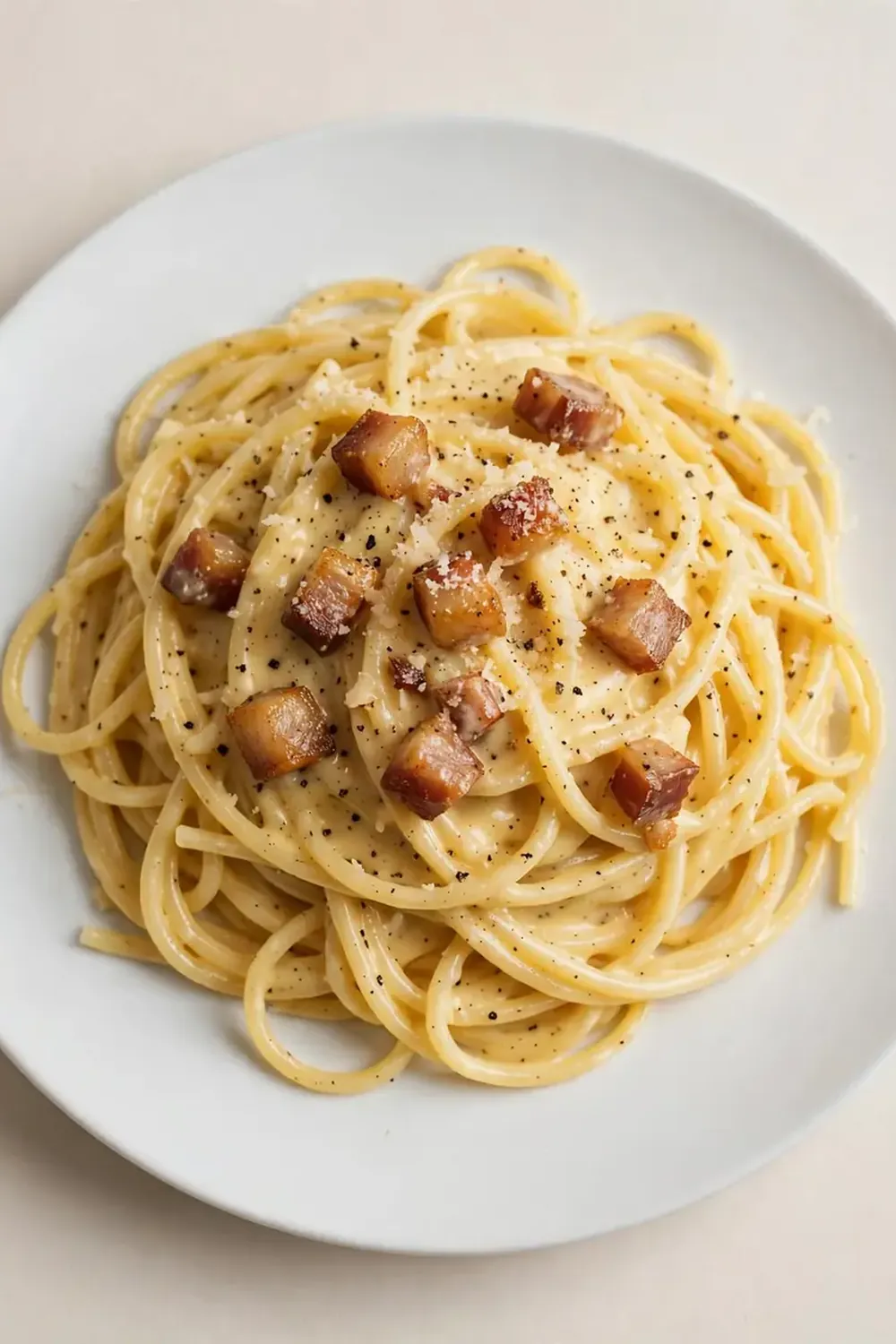
- Final Touches and Plating: Stir in most of the crispy rashers, reserving a small amount for garnish. Taste and adjust seasoning with more black pepper if desired. Serve immediately in warm, shallow bowls. Garnish each serving with the remaining crispy rashers, a sprinkle of fresh Pecorino or Parmesan, and a scattering of finely chopped fresh parsley for a vibrant pop of colour. The aroma of cheese, pepper, and savoury rashers should be inviting and immediate.
Tips From My Kitchen
- Embrace the Heat (Carefully!): The success of carbonara hinges on the residual heat of the pasta, not direct heat on the stove. Removing the pan from the heat before adding the egg mixture is paramount. Why? Because direct heat will scramble your eggs, turning your luxurious sauce into lumpy bits of cooked egg. The hot pasta, combined with the starchy pasta water, creates the perfect environment to gently cook and emulsify the eggs into a smooth, silky sauce.
- Use Freshly Grated Cheese: Pre-grated cheeses often contain anti-caking agents that can prevent them from melting smoothly and forming a proper emulsion. Always grate your Pecorino Romano and Parmesan fresh from the block. Why? Freshly grated cheese melts more seamlessly, contributing to that desirable velvety texture and allowing the distinct, pungent flavours of these hard Italian cheeses to truly shine through.
- Reserve Plenty of Pasta Water: This starchy liquid is your secret weapon. It’s not just water; it’s liquid gold! Why? The starch released from the pasta helps to bind the sauce, creating a smooth, creamy consistency without needing any cream. It also helps to loosen the sauce if it becomes too thick, allowing you to achieve the perfect coating for your spaghetti. Always reserve more than you think you’ll need.
- Don’t Rinse Your Pasta: Once drained, do not rinse your spaghetti under cold water. Why? Rinsing removes the valuable starch coating from the pasta strands. This starch is essential for helping the sauce cling to the spaghetti and for contributing to the overall creamy emulsion. Keep that starch!
- Vigorous Tossing is Key: When you add the egg and cheese mixture, you must toss the pasta vigorously and continuously. Why? This rapid movement, combined with the heat and pasta water, helps to evenly distribute the sauce, prevent the eggs from settling and scrambling in one spot, and ensures every strand is beautifully coated. It’s an active process that builds the emulsion.
- Presentation Matters: When serving, consider warmed shallow bowls. Twirl the pasta elegantly with tongs into a neat mound, rather than just dumping it. Why? This immediately elevates the dish, making it look more appealing and restaurant-worthy. A final sprinkle of fresh cheese, the crispy rashers, and a scattering of vibrant parsley adds visual appeal and signals the care you’ve taken. I often find a beautifully presented dish tastes even better, almost as if the anticipation enhances the flavour! For an extra touch, I sometimes serve it alongside a crisp Roasted Veggie Brussels Sprouts Recipe.
Common Mistakes to Avoid
- Overcooking the rashers: While you want them crisp, burning them will result in a bitter taste and crumbly texture. Cook until deeply golden and firm, but not blackened.
- Adding eggs to a hot pan on the stove: This is the most common mistake, leading to scrambled eggs instead of a creamy sauce. Always remove the pan from the heat before adding the egg mixture. The residual heat of the pasta is sufficient.
- Skipping the reserved pasta water: Without this starchy liquid, your sauce will likely be too thick or won’t emulsify properly, lacking that signature silky texture. It’s a crucial binding agent.
What to Serve With Classic Spaghetti Carbonara Recipe
- A simple green salad with a light vinaigrette
- Crusty bread for soaking up any leftover sauce
- Steamed asparagus spears
- A light fruit platter for dessert to balance the richness
Frequently Asked Questions
Classic Spaghetti Carbonara Recipe
Ingredients
Method
-
Prepare the Eggs and Cheese: In a large mixing bowl, whisk together the three egg yolks and one whole egg until they are well combined and a uniform pale yellow. Stir in the finely grated Pecorino Romano and Parmesan cheeses, along with a generous amount of freshly ground black pepper. The mixture should be thick and slightly pasty; set this aside.
-
Cook the Spaghetti: Bring a large pot of generously salted water to a rolling boil. Add the spaghetti, stirring occasionally to prevent sticking. Cook according to package instructions until al dente – this typically takes around 8-10 minutes. The strands should feel firm with a slight bite when tasted, but not hard. Before draining, reserve about 250ml of the starchy pasta water.
-
Render the Rashers: While the pasta cooks, heat two tablespoons of olive oil in a large frying pan over medium heat. Add the finely diced smoked turkey (or beef) rashers. Cook, stirring occasionally, until the rashers are deeply golden brown and crisp, releasing a wonderful savoury aroma, usually around 5-7 minutes. Once crisp, remove the rashers from the pan with a slotted spoon and place them on a plate lined with kitchen paper to drain excess fat. Leave a tablespoon or two of the rendered fat in the pan.
-
Infuse the Oil: Reduce the heat to low. Add the finely minced garlic to the pan with the rendered fat. Sauté for about 30 seconds to 1 minute, until the garlic is fragrant and lightly golden, being careful not to let it burn, as burnt garlic will taste bitter. The kitchen should now smell wonderfully aromatic with the combined scents of garlic and savoury rashers.
-
Combine Pasta and Sauce: Drain the spaghetti, but do not rinse it. Immediately transfer the hot spaghetti to the frying pan with the garlic-infused oil. Toss vigorously with tongs to coat the pasta evenly, ensuring every strand shimmers with the rich oil.
-
Create the Emulsion: Remove the pan from the heat. This is crucial to prevent the eggs from scrambling. Pour the egg and cheese mixture over the hot spaghetti, then add about 60ml (a quarter cup) of the reserved pasta water. Toss continuously and vigorously with tongs for 1-2 minutes. The heat from the pasta and the starch in the water will emulsify the eggs and cheese, creating a glossy, creamy sauce that coats the spaghetti beautifully. If the sauce seems too thick, add more pasta water, one tablespoon at a time, until it reaches your desired consistency – it should look rich and flowing, not clumpy.
-
Final Touches and Plating: Stir in most of the crispy rashers, reserving a small amount for garnish. Taste and adjust seasoning with more black pepper if desired. Serve immediately in warm, shallow bowls. Garnish each serving with the remaining crispy rashers, a sprinkle of fresh Pecorino or Parmesan, and a scattering of finely chopped fresh parsley for a vibrant pop of colour. The aroma of cheese, pepper, and savoury rashers should be inviting and immediate.
Notes
And there you have it – a Classic Spaghetti Carbonara that’s not just a meal, but a testament to the fact that simple ingredients, handled with care and a touch of flair, can create something truly extraordinary. This recipe has seen me through countless dinner parties, always leaving guests with a smile and a request for the recipe. It’s a dish that invites conversation, encourages lingering at the table, and most importantly, tastes absolutely divine. Do try it for your next gathering and let me know how it goes; I always love hearing about your kitchen adventures!