
Vegetable Biryani Recipe Spiced Rice
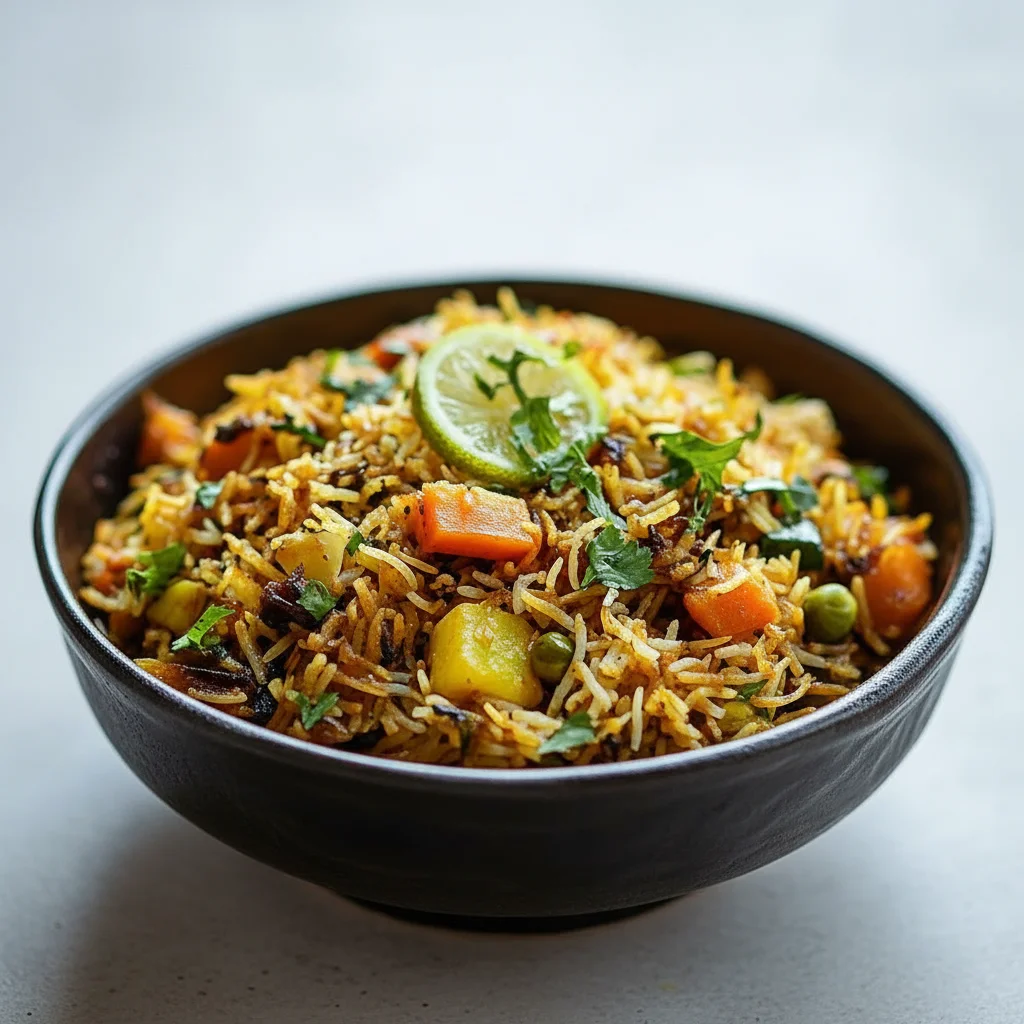
There are few things more magnificent in the world of food than a truly well-made biryani. It’s a dish that commands attention, with layers of fragrant, fluffy rice, tender spiced vegetables, and the intoxicating aroma of saffron, mint, and caramelised onions. This isn’t just a simple spiced rice; it’s a complete, harmonious meal in one pot. My kids absolutely devour this every time I make it, carefully picking out their favourite bits of potato and carrot. It’s one of those special dishes we reserve for weekend family dinners, filling the whole house with the most wonderful smells.
This particular Vegetable Biryani recipe is one I’ve refined over years of testing. The goal was to create that authentic, layered ‘dum’ style flavour without needing hours of complicated steps. What we achieve here is a beautiful separation of grains, where each spoonful offers a different experience – a bite of saffron-infused rice, a piece of spicy potato, the fresh zing of mint, and the sweet crunch of a fried onion. It’s a rewarding cooking project that results in a spectacular vegetarian dinner.
It’s ideal for when you have guests over or simply want to treat your family to something special. While it involves a few more steps than a one-pan rice dish like my Stuffed Peppers With Rice Recipe, every single step contributes to the final, glorious result. I promise you, the effort is more than worth it.
Recipe Overview
This vegetable biryani recipe focuses on the traditional layering technique, known as ‘dum pukht’, where the rice and vegetable curry are layered and slow-cooked in a sealed pot. This method allows the steam to cook the rice to perfection while infusing it with the aromas from the vegetables and spices. My key testing note is about the rice: don’t be tempted to cook it fully in the first step. It must be only 70% cooked to absorb the steam and flavours during the final stage without turning mushy.
- Prep Time: 30 minutes
- Cook Time: 50 minutes
- Total Time: 1 hour 20 minutes
- Servings: 4-6 people
- Difficulty: Medium
Why You’ll Love This Vegetable Biryani Recipe
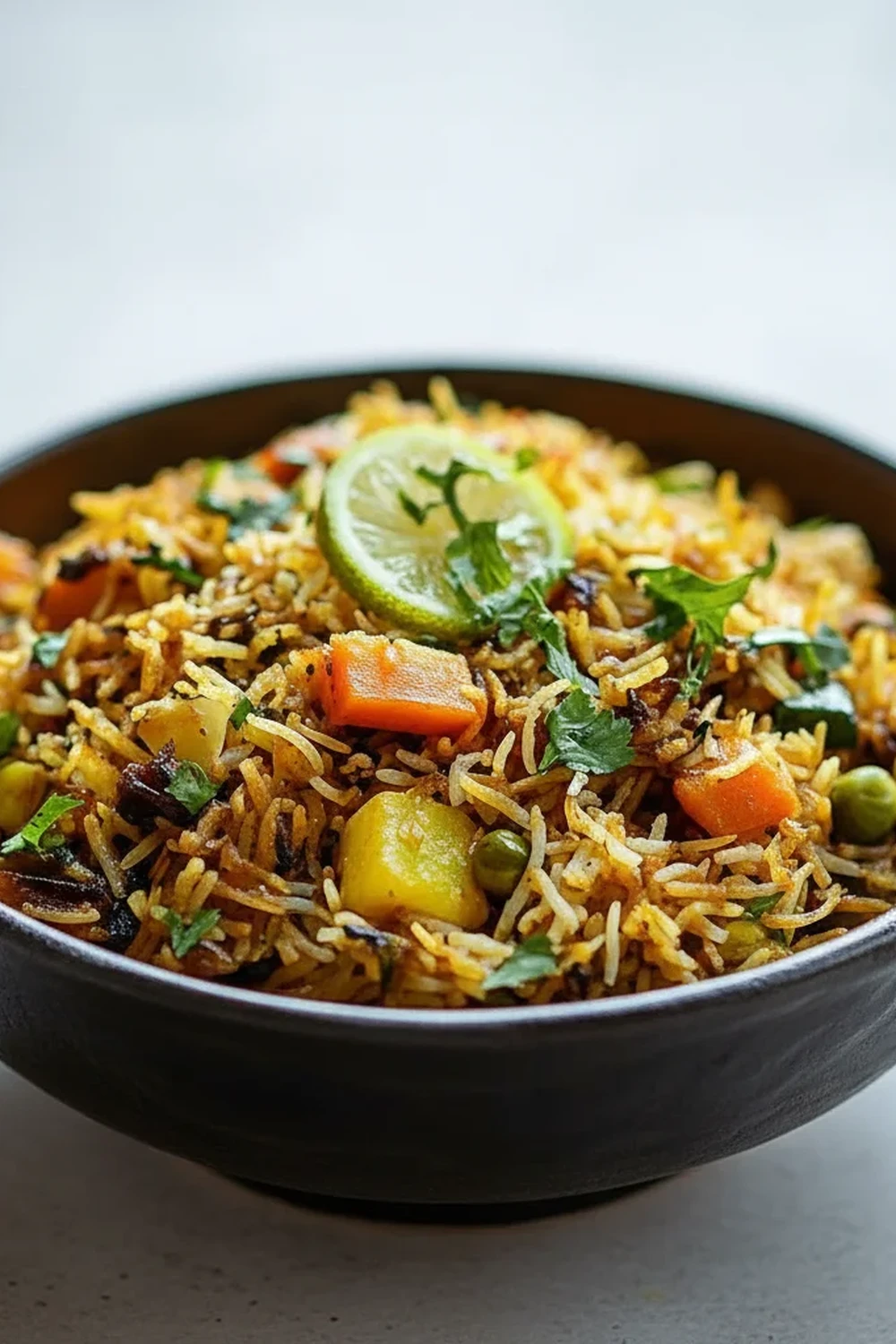
- Genuine Flavour: We build layers of taste, starting with a rich, tangy vegetable masala spiced with turmeric, garam masala, and chilli, then layer it with rice steamed with whole spices, saffron milk, and fresh herbs. The final dish has distinct yet harmonious flavours in every bite.
- A Rewarding Weekend Project: While it takes a little over an hour, the process is straightforward and deeply satisfying, resulting in a showstopper main course.
- Flexible Recipe: The choice of vegetables is entirely up to you. I love the classic combination of potatoes, carrots, peas, and green beans, but cauliflower florets, bell peppers, or even cubes of paneer work beautifully.
- Great for Special Occasions: This dish is ideal for a dinner party, a celebratory meal like Diwali, or a Sunday family lunch. It always gets compliments.
- Family Tested: This is a staple in my house for a reason. It’s a fantastic way to get a lot of vegetables into a single dish that everyone, from kids to adults, seems to love.
Ingredients You’ll Need
For the best results, I always recommend using the highest quality aged basmati rice you can find. It makes a huge difference to the final texture. I personally prefer the Tilda Grand Extra Long Basmati; the grains stay separate and fluffy after cooking. The fried onions (birista) can be bought ready-made from an Indian grocer to save time, but I’ve included instructions to make them yourself.
- For the Rice:
- 400g aged basmati rice
- 2 litres water
- 1 tsp salt
- 1 bay leaf
- 4 green cardamom pods, lightly crushed
- 4 cloves
- 1-inch piece of cinnamon stick
- For the Vegetable Masala:
- 2 tbsp vegetable oil or ghee
- 1 large onion, finely sliced
- 1 tbsp ginger-garlic paste
- 2 medium potatoes, peeled and cubed (2cm)
- 1 large carrot, peeled and cubed (2cm)
- 100g green beans, topped, tailed, and cut into 2cm pieces
- 100g frozen peas
- 200g plain full-fat yoghurt, whisked
- 1 tsp turmeric powder
- 1-2 tsp red chilli powder (to taste)
- 2 tsp biryani masala powder (or garam masala)
- 1 tsp salt (or to taste)
- For Layering and Garnish:
- A generous pinch of saffron threads
- 3 tbsp warm milk
- 2 tbsp ghee, melted (or oil)
- 100g crispy fried onions (birista)
- A large handful of fresh mint leaves, chopped
- A large handful of fresh coriander leaves, chopped
Sara’s Tip: To make your own crispy fried onions, thinly slice 2 large onions and deep fry them in neutral oil over a medium heat until they are golden brown and crisp. Drain them on kitchen paper. They can be made a day or two in advance!
How to Make Vegetable Biryani Recipe
The process is broken down into three main parts: preparing the rice, cooking the vegetable base, and the final layering and ‘dum’ cooking. Don’t rush these stages; each one is crucial for the final texture and flavour of your Indian rice masterpiece.
- Prepare the Rice: Rinse the basmati rice in cold water until the water runs clear. Soak it in plenty of cold water for at least 30 minutes. This step is essential for long, fluffy grains. Drain the rice completely.
- Par-Cook the Rice: Bring 2 litres of water to a rolling boil in a large pot. Add 1 tsp salt and the whole spices (bay leaf, cardamom, cloves, cinnamon). Add the drained rice and cook for 5-7 minutes, until it’s about 70% cooked. The grain should still have a firm bite. Immediately drain the rice in a colander and set aside.
- Start the Vegetable Masala: While the rice cooks, heat the oil or ghee in a heavy-bottomed pan or Dutch oven (one you’ll build the biryani in) over a medium heat. Add the sliced onion and cook for 8-10 minutes until soft and lightly golden. Add the ginger-garlic paste and cook for another minute until fragrant.
- Cook the Vegetables: Add the cubed potatoes and carrots to the pan. Sauté for 5 minutes. Now, in a separate bowl, whisk the yoghurt with the turmeric, red chilli powder, biryani masala, and salt. Turn the heat down low, and add the spiced yoghurt to the pan. Stir continuously for a minute to prevent it from splitting.
- Simmer the Masala: Add the green beans and half a cup (120ml) of water. Bring to a simmer, then cover the pan and cook for 10-12 minutes, until the potatoes are almost tender but still hold their shape. Stir in the frozen peas. Your vegetable base is now ready.
- Prepare for Layering: In a small bowl, soak the saffron threads in the 3 tbsp of warm milk. Let it infuse for at least 10 minutes.
- Layer the Biryani: Now for the fun part. Over the vegetable masala base, spread half of the par-cooked rice in an even layer. Sprinkle over half of the fried onions, half the chopped mint and coriander, and drizzle with half the melted ghee. Spoon over half the saffron milk. Repeat with a final layer of the remaining rice, herbs, onions, ghee, and saffron milk.
- Dum’ Cooking: Cover the pot with a clean tea towel and then place a tight-fitting lid on top. The towel helps trap the steam. Cook on the lowest possible heat for 20-25 minutes. This steaming process, known as ‘dum’, will finish cooking the rice and meld all the flavours together. What works best for me is placing the pot on a flat tawa or griddle over the flame to ensure very gentle, indirect heat.
- Rest and Serve: Turn off the heat and let the biryani rest, undisturbed, for at least 10 minutes. This is a critical step. To serve, gently fluff the rice from the side of the pot with a fork, bringing up the vegetable masala from the bottom. This ensures you get a mix of white and coloured rice in each portion.
Tips From My Kitchen
- Temperature Control: The final ‘dum’ stage must be done on the absolute lowest heat. If your stove runs hot, place a flat pan (like a tawa or skillet) underneath your pot to diffuse the heat and prevent the bottom layer from scorching.
- The Secret Step: I learned that properly soaking the basmati rice is non-negotiable. Soaking allows the grains to absorb water evenly, ensuring they cook up long, separate, and fluffy rather than breaking or becoming sticky. Don’t skip this 30-minute step!
- Make-Ahead: You can prepare the vegetable masala up to a day in advance and store it in the fridge. You can also fry the onions ahead of time. This breaks the process down and makes assembly much quicker on the day.
- Storage: Leftover vegetable biryani can be stored in an airtight container in the refrigerator for up to 3 days. Reheat it gently in a microwave or on the stovetop with a splash of water to bring back the moisture.
Equipment You’ll Need
- A large, heavy-bottomed pot or Dutch oven with a tight-fitting lid
- A large pot for boiling rice
- Colander or large sieve
- Sharp knife and cutting board
- Mixing bowls
- Wooden spoon or spatula
Common Mistakes to Avoid
- Overcooking the Rice: The most common error is fully cooking the rice before layering. It will continue to steam in the pot and turn mushy. Pull it from the water when it still has a distinct bite – 70% cooked is the golden rule.
- A Burnt Bottom Layer: This happens when the heat is too high during the ‘dum’ stage. Use a heat diffuser or a very, very low flame. A heavy-bottomed pan is your best friend here as it distributes heat more evenly.
- Skipping the Rest Time: Opening the lid immediately after turning off the heat releases all the fragrant steam. Letting it rest for 10 minutes allows the flavours to settle and the moisture to distribute evenly throughout the rice.
Delicious Variations to Try
Once you’ve mastered the basic technique of this biryani recipe, it’s easy to customise. Here are a few ideas we love:
- Spicy Version: For those who like more heat, add 2-3 green chillies, slit lengthwise, to the vegetable masala along with the ginger-garlic paste.
- Vegan Option: This dish is easily made vegan. Simply swap the plain yoghurt for a plant-based alternative like coconut or unsweetened soy yoghurt, and use vegetable oil instead of ghee.
- Add Paneer: For an extra layer of texture and protein, add 200g of paneer cubes. Lightly fry the paneer until golden before adding it to the vegetable masala during the last 5 minutes of simmering.
What to Serve With Vegetable Biryani
A biryani is a complete meal, but a couple of simple sides will elevate it further. The cool contrast of yoghurt is classic for a reason.
- Cooling Raita: A simple dip made with plain yoghurt, grated cucumber, a pinch of roasted cumin powder, and salt is the perfect accompaniment. An Authentic Tzatziki Sauce Recipe also works surprisingly well here.
- Kachumber Salad: A fresh, crisp salad of finely chopped tomatoes, onions, and cucumber with a squeeze of lemon juice and fresh coriander provides a lovely crunch.
- Drink Pairing: A sweet and creamy Mango Lassi is a traditional and delicious choice. A light lager also complements the spices nicely.
Frequently Asked Questions
Vegetable Biryani
Ingredients
Method
- Prepare the Rice: Rinse the basmati rice in cold water until the water runs clear. Soak it in plenty of cold water for at least 30 minutes. This step is essential for long, fluffy grains. Drain the rice completely.
- Par-Cook the Rice: Bring 2 litres of water to a rolling boil in a large pot. Add 1 tsp salt and the whole spices (bay leaf, cardamom, cloves, cinnamon). Add the drained rice and cook for 5-7 minutes, until it's about 70% cooked. The grain should still have a firm bite. Immediately drain the rice in a colander and set aside.
- Start the Vegetable Masala: While the rice cooks, heat the oil or ghee in a heavy-bottomed pan or Dutch oven (one you'll build the biryani in) over a medium heat. Add the sliced onion and cook for 8-10 minutes until soft and lightly golden. Add the ginger-garlic paste and cook for another minute until fragrant.
- Cook the Vegetables: Add the cubed potatoes and carrots to the pan. Sauté for 5 minutes. Now, in a separate bowl, whisk the yoghurt with the turmeric, red chilli powder, biryani masala, and salt. Turn the heat down low, and add the spiced yoghurt to the pan. Stir continuously for a minute to prevent it from splitting.
- Simmer the Masala: Add the green beans and half a cup (120ml) of water. Bring to a simmer, then cover the pan and cook for 10-12 minutes, until the potatoes are almost tender but still hold their shape. Stir in the frozen peas. Your vegetable base is now ready.
- Prepare for Layering: In a small bowl, soak the saffron threads in the 3 tbsp of warm milk. Let it infuse for at least 10 minutes.
- Layer the Biryani: Now for the fun part. Over the vegetable masala base, spread half of the par-cooked rice in an even layer. Sprinkle over half of the fried onions, half the chopped mint and coriander, and drizzle with half the melted ghee. Spoon over half the saffron milk. Repeat with a final layer of the remaining rice, herbs, onions, ghee, and saffron milk.
- Dum' Cooking: Cover the pot with a clean tea towel and then place a tight-fitting lid on top. The towel helps trap the steam. Cook on the lowest possible heat for 20-25 minutes. This steaming process, known as 'dum', will finish cooking the rice and meld all the flavours together. What works best for me is placing the pot on a flat tawa or griddle over the flame to ensure very gentle, indirect heat.
- Rest and Serve: Turn off the heat and let the biryani rest, undisturbed, for at least 10 minutes. This is a critical step. To serve, gently fluff the rice from the side of the pot with a fork, bringing up the vegetable masala from the bottom. This ensures you get a mix of white and coloured rice in each portion.
Notes
I hope you give this Vegetable Biryani recipe a try. It’s a dish filled with warmth and incredible flavour that truly feels like a treat. It’s the perfect main for a vegetarian dinner that will leave everyone satisfied and impressed. For dessert, a simple Carrot Halwa Recipe would be a wonderful, traditional finish to your Indian-inspired meal. I’d love to hear how you get on, so please leave a comment below!
From my kitchen to yours,
Ashley Rivera