
Carrot Halwa Recipe Indian Dessert
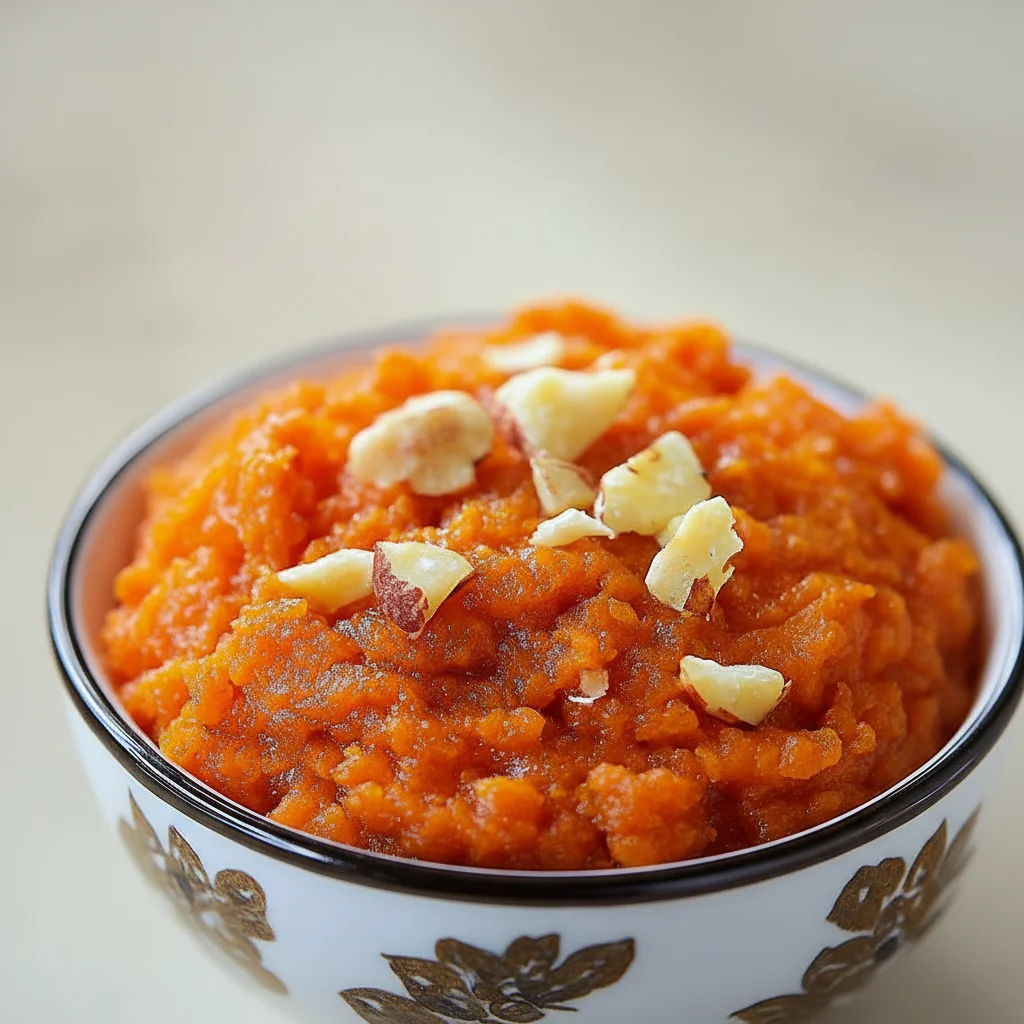
There are some desserts that just feel like a warm hug in a bowl, and for me, that’s exactly what a good Carrot Halwa is. The aroma that fills the kitchen as carrots, milk, and ghee slowly bubble away is pure magic – sweet, nutty, and spiced with a hint of cardamom. It’s a classic Indian dessert, also known as Gajar Halwa, that transforms humble carrots into something truly special. Friends always ask me for this recipe after trying it at dinner parties, and I’m so excited to finally share my version with you.
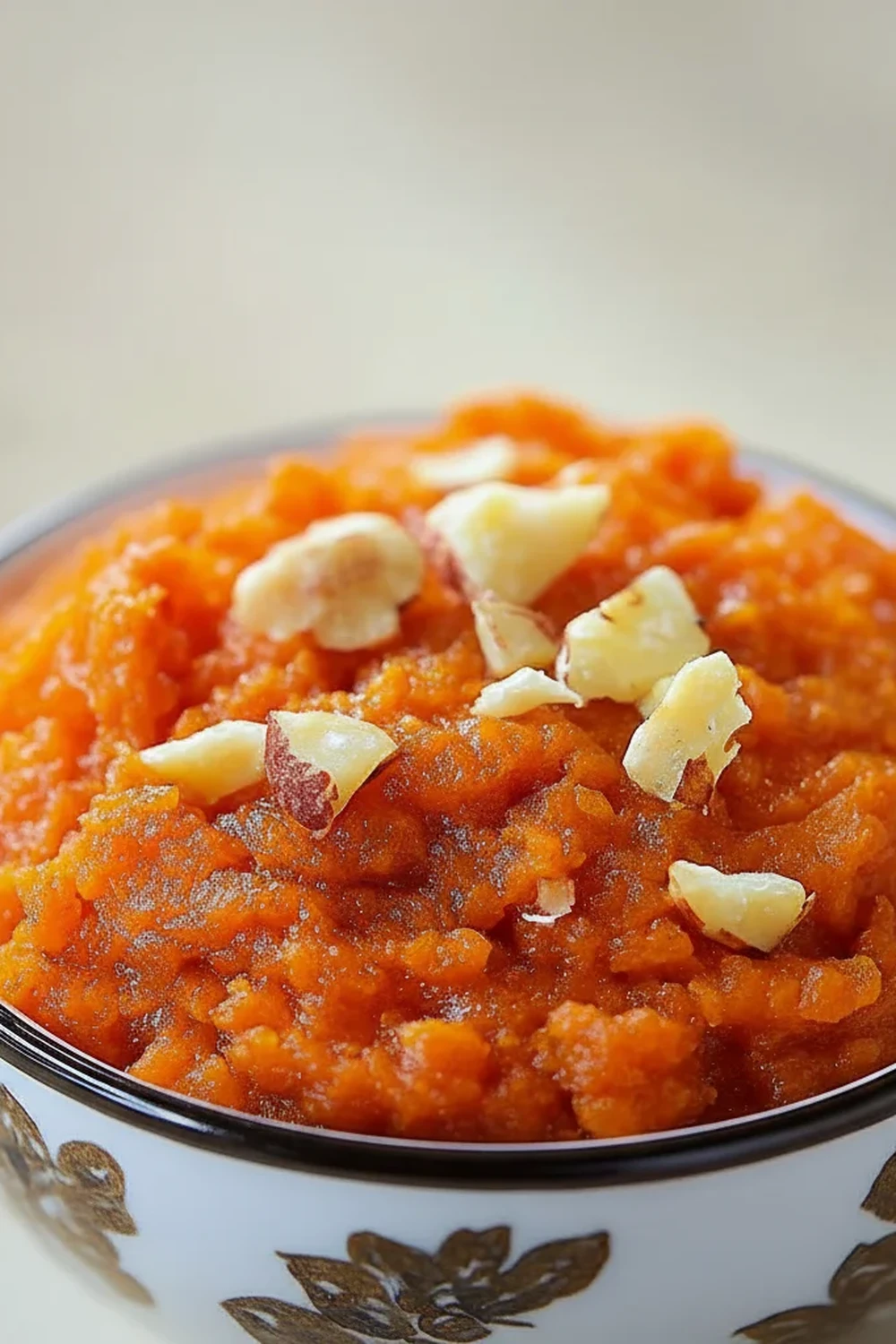
What makes this particular carrot halwa recipe so cherished in my home is its texture. We simmer the carrots until they become meltingly tender, absorbing all the richness of the full-fat milk and ghee. The result isn’t just sweet; it’s deeply flavourful, with a fudgy consistency that’s studded with the gentle crunch of toasted nuts. It’s a comforting sweet recipe that feels both luxurious and wholesome at the same time.
This dessert works beautifully for festive occasions like Diwali or as a heart-warming treat on a chilly evening. It’s a wonderful way to end a meal, perhaps after serving something savoury like my Stuffed Peppers with Rice. Whether you’re familiar with Indian desserts or trying one for the first time, I think you’ll find this one is a keeper.
Recipe Overview
This Carrot Halwa recipe is a traditional method that relies on patience and good ingredients. We slowly cook down grated carrots with milk until the mixture thickens into a rich, pudding-like consistency. It’s then sweetened and finished with ghee, cardamom, and nuts. I’ve tested this many times, and I find that letting the halwa cook until you can see the ghee separating from the sides of the pan is the real secret to achieving that perfect, non-sticky texture.
- Prep Time: 15 minutes
- Cook Time: 50 minutes
- Total Time: 1 hour 5 minutes
- Servings: 6-8 people
- Difficulty: Medium
Why You’ll Love This Carrot Halwa Recipe
- Genuine Flavour: The slow-cooking process coaxes out the natural sweetness of the carrots, which melds beautifully with the creamy milk and the nutty aroma of pure ghee. The fragrant green cardamom provides a gentle warmth that ties all the flavours together.
- Ready in about an hour: While it needs attention, the active cooking process comes together in about an hour, making it a manageable dessert for a special weekend dinner.
- Flexible Recipe: This recipe is wonderfully adaptable. You can adjust the amount of sugar to your liking, swap the almonds and pistachios for walnuts or cashews, or add a few strands of saffron for a more floral note and a beautiful golden hue.
- Great for Special Gatherings: It’s an ideal dessert for celebrations, family get-togethers, or dinner parties. It can be served warm or at room temperature, making it very convenient.
- Family Tested: My family adores this sweet treat. My children particularly love it served warm with a scoop of vanilla ice cream on the side, a combination that always gets rave reviews.
Ingredients You’ll Need
The quality of your ingredients, especially the carrots and ghee, will really shine through in this dish. I always recommend using fresh, sweet carrots – the younger, tender ones often have the best flavour. For the ghee, I use a pure, grass-fed brand as it lends an unbeatable nutty richness that you just don’t get from oil.
- 1 kg fresh carrots, peeled
- 1.2 litres full-fat milk
- 200g granulated sugar (adjust to taste)
- 120g ghee (clarified butter)
- 8-10 green cardamom pods
- 30g almonds, roughly chopped
- 30g pistachios, roughly chopped
- A pinch of salt
Ashley’s Tip: For the best texture, use a box grater and shred the carrots on the medium-sized holes. If the shreds are too fine, the halwa can become mushy; if they’re too thick, they won’t soften as nicely into the milky base.
How to Make Carrot Halwa
The key to this recipe is patience. Don’t be tempted to rush the process by turning up the heat. A gentle, steady simmer is what coaxes out the best flavour and texture from the carrots and milk. Grab a heavy-bottomed pan, put on some good music, and enjoy the process.
- Prepare the Ingredients: Start by washing, peeling, and grating the carrots. Next, take the green cardamom pods and crush them in a pestle and mortar to release the seeds, then grind the seeds into a fine powder. Set aside. Roughly chop your almonds and pistachios.
- Sauté the Carrots: Place a large, heavy-bottomed pan or kadai over a medium heat. Add the ghee and let it melt. Once warm, add the grated carrots. Sauté them, stirring occasionally, for 8-10 minutes. The carrots will soften, darken slightly in colour, and release a lovely sweet aroma.
- Add the Milk: Pour the full-fat milk into the pan with the carrots. Stir everything together and bring the mixture to a gentle boil.
- Simmer and Reduce: Once boiling, reduce the heat to medium-low. Let the mixture simmer away, stirring every 5-7 minutes to prevent it from sticking to the bottom of the pan. This is the longest step and will take around 30-35 minutes. Continue to cook until most of the milk has been absorbed and the mixture is thick.
- Add the Sugar: When the carrot mixture is very thick and almost dry, add the granulated sugar and the pinch of salt. What works best for me is to stir continuously at this stage, as the sugar will melt and release more liquid. Continue cooking for another 10-12 minutes.
- Finishing the Halwa: Keep cooking and stirring until the liquid has evaporated again and the halwa starts to pull away from the sides of the pan. You’ll know it’s ready when you see the ghee separating and glistening on the surface. This is the sign of a perfectly cooked halwa.
- Add Flavourings: Turn off the heat. Stir in the freshly ground cardamom powder and half of your chopped nuts. Give it one final, good mix.
- Serve: Transfer the carrot halwa to a serving dish. Garnish with the remaining chopped almonds and pistachios. It can be served immediately while warm, or at room temperature.
Tips From My Kitchen
- Temperature Control: Maintain a medium-low heat throughout the milk reduction phase. Boiling the milk too rapidly can cause it to scorch, which will impart a burnt taste to your final dish. Slow and steady is the way to go.
- The Secret Step: I learned that sautéing the carrots in ghee first is non-negotiable. This step cooks out their raw taste and deepens their natural sweetness, building a much more complex flavour base before the milk is even added.
- Make-Ahead: You can certainly prepare parts of this in advance. The carrots can be grated a day before and stored in an airtight container in the fridge. The halwa itself can be made completely 2-3 days ahead; the flavours often get even better overnight.
- Storage: Leftover carrot halwa can be stored in an airtight container in the refrigerator for up to 5 days. Reheat it gently in a pan on the stovetop or in the microwave before serving.
Equipment You’ll Need
- Large heavy-bottomed pan or kadai
- Box grater or food processor with a grating attachment
- Wooden spoon or heatproof spatula
- Pestle and mortar (for cardamom)
- Serving dish
Common Mistakes to Avoid
- Using a Thin-Bottomed Pan: A light, thin pan is prone to hot spots, which will cause the milk and carrots to burn on the bottom long before the halwa is cooked. A heavy-based pan is essential for even heat distribution.
- Adding Sugar Too Soon: It might be tempting to add the sugar early, but please wait until the milk is almost fully absorbed. Adding sugar too early can prevent the carrots from cooking to the perfect tenderness and can sometimes cause the milk to curdle.
- Not Stirring Frequently Enough: This dessert requires your attention, especially in the later stages. As the liquid evaporates, the mixture can stick and burn very easily. Regular stirring is key to a smooth, creamy result. For an in-depth guide on heat management when cooking with milk, this article from Serious Eats explains the science well.
Delicious Variations to Try
Once you’ve mastered the classic recipe, it’s fun to experiment. Here are a few variations we enjoy in my house:
- Vegan Carrot Halwa: For a plant-based version, substitute the ghee with coconut oil or a good quality vegan butter block and use a creamy, full-fat oat milk or cashew milk in place of dairy milk. The final texture will be slightly different but equally delicious.
- With Condensed Milk: For a quicker, richer version, you can replace half the milk and all of the sugar with one 400g tin of sweetened condensed milk. Add it at the same stage you would normally add the sugar and cook until thickened.
- With Khoya/Mawa: To make a truly decadent, traditional Gajar Halwa, add about 150g of crumbled or grated khoya (dried milk solids) during the last 10 minutes of cooking. Stir until it melts and integrates into the halwa.
What to Serve With Carrot Halwa
While this carrot dessert is absolutely wonderful on its own, a few simple pairings can elevate it even further.
- Vanilla Ice Cream: The classic pairing. A scoop of cold, creamy vanilla ice cream melting over the warm halwa creates a delightful contrast in temperature and texture.
- Masala Chai: A warm, spiced cup of Indian masala tea is the perfect beverage to serve alongside. Its spicy notes complement the cardamom in the halwa without overpowering it. After a heavy meal like my Grilled Lamb Chops, this is the perfect comforting combination.
– **A Dollop of Cream:** A spoonful of thick double cream or clotted cream adds an extra layer of richness that works beautifully with the sweetness of the halwa. It’s a simple touch that feels very luxurious.
Frequently Asked Questions
Carrot Halwa Recipe
Ingredients
Method
- Prepare the Ingredients: Start by washing, peeling, and grating the carrots. Next, take the green cardamom pods and crush them in a pestle and mortar to release the seeds, then grind the seeds into a fine powder. Set aside. Roughly chop your almonds and pistachios.
- Sauté the Carrots: Place a large, heavy-bottomed pan or kadai over a medium heat. Add the ghee and let it melt. Once warm, add the grated carrots. Sauté them, stirring occasionally, for 8-10 minutes. The carrots will soften, darken slightly in colour, and release a lovely sweet aroma.
- Add the Milk: Pour the full-fat milk into the pan with the carrots. Stir everything together and bring the mixture to a gentle boil.
- Simmer and Reduce: Once boiling, reduce the heat to medium-low. Let the mixture simmer away, stirring every 5-7 minutes to prevent it from sticking to the bottom of the pan. This is the longest step and will take around 30-35 minutes. Continue to cook until most of the milk has been absorbed and the mixture is thick.
- Add the Sugar: When the carrot mixture is very thick and almost dry, add the granulated sugar and the pinch of salt. What works best for me is to stir continuously at this stage, as the sugar will melt and release more liquid. Continue cooking for another 10-12 minutes.
- Finishing the Halwa: Keep cooking and stirring until the liquid has evaporated again and the halwa starts to pull away from the sides of the pan. You'll know it's ready when you see the ghee separating and glistening on the surface. This is the sign of a perfectly cooked halwa.
- Add Flavourings: Turn off the heat. Stir in the freshly ground cardamom powder and half of your chopped nuts. Give it one final, good mix.
- Serve: Transfer the carrot halwa to a serving dish. Garnish with the remaining chopped almonds and pistachios. It can be served immediately while warm, or at room temperature.
Notes
I truly hope you enjoy making this Carrot Halwa recipe and that it brings a little warmth and sweetness to your table. It’s a labour of love, but the delicious result is more than worth the effort. If you try it, please leave a comment below and let me know how it turned out for you. Happy cooking!
– Ashley