Creamy Shrimp Spaghetti Recipe
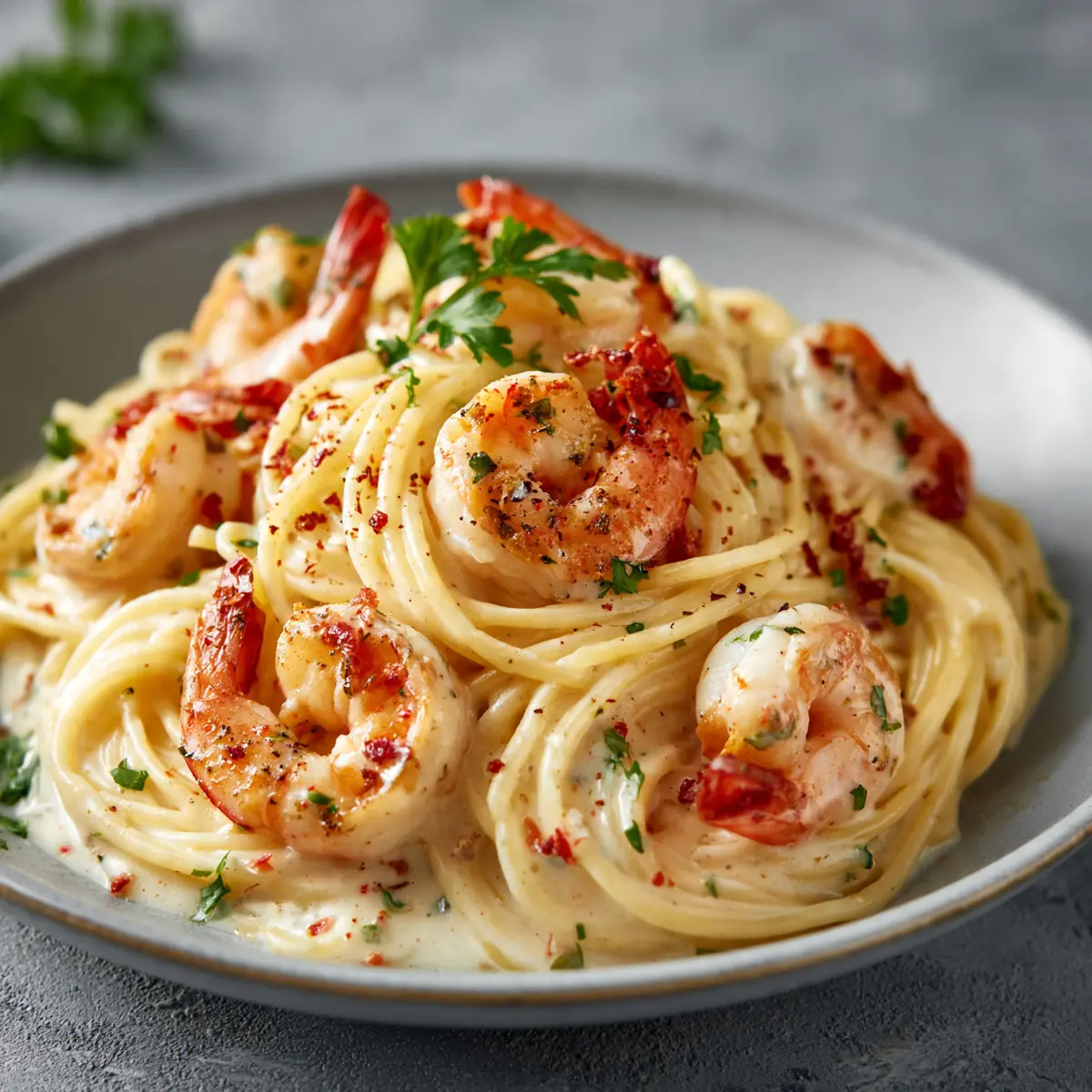
There’s a certain energy that shifts when you decide to cook a meal that feels like an event. I remember the first time I served this creamy shrimp spaghetti to a group of friends; the polite chatter dropped to a focused silence, punctuated only by the clink of forks against bowls. That night, someone actually asked for the recipe before they’d finished their second helping. This isn’t just a weeknight pasta—it’s the dish I turn to when I want to quietly impress, to make the table feel like a special occasion without spending all day in the kitchen.
Recipe Overview
- Prep time: 15 minutes
- Cooking time: 20 minutes
- Total time: 35 minutes
- Servings: 4 generous portions
- Difficulty: Medium — impressive, but entirely achievable for a confident home cook
Why You’ll Love This Creamy Shrimp Spaghetti Recipe
- Restaurant-quality plating at home: The sauce clings to every strand of pasta, creating a glossy, elegant finish that looks like it came from a professional kitchen.
- Perfect for entertaining: Friends always ask me for this recipe after trying it at dinner parties. It’s the kind of dish that feels generous and special without requiring you to hover over the stove all evening.
- Balanced, rich flavour: The creaminess is cut through with a hint of lemon and a whisper of garlic, so the shrimp stays the star of the show, just like the bright citrus note in Grilled Lime Chicken Skewers.
- Quick enough for a weeknight, fancy enough for guests: I make this at least once a week — it’s become a family favourite. But when I add a few final touches, it transforms completely for company.
- Customisable texture: You can control how thick or silky the sauce becomes, whether you prefer it coating the pasta thickly or as a lighter, more delicate emulsion.
Ingredients You’ll Need
- 400g raw king prawns, peeled and deveined
- 320g dried spaghetti
- 3 tablespoons unsalted butter
- 4 cloves garlic, finely minced
- 240ml double cream
- 120ml chicken stock (low-sodium if possible)
- 60g finely grated Parmesan cheese, plus extra for serving
- 1 tablespoon lemon juice (freshly squeezed)
- 1 teaspoon lemon zest
- ½ teaspoon red pepper flakes (optional, for gentle warmth)
- Salt and freshly ground black pepper, to taste
- Small handful of fresh parsley, finely chopped
- 1 tablespoon olive oil
Tip: For the most impressive result, buy raw prawns with the shells on and peel them yourself. The flavour is noticeably sweeter and more pronounced, and you can even simmer the shells in the stock for a few minutes to deepen the sauce’s seafood note.
How to Make Creamy Shrimp Spaghetti Recipe
- Bring a large pot of generously salted water to a rolling boil. The water should taste as salty as the sea — this is your only chance to season the pasta itself. Drop the spaghetti in and cook it for one minute less than the packet suggests. You want it al dente, with a tiny white core still visible when you bite a strand. Reserve about 250ml of the starchy pasta water before draining. The starch is liquid gold for your sauce.
- While the pasta cooks, pat the prawns completely dry with kitchen paper. Any moisture on the surface will steam them rather than sear them. Season them lightly with salt and a pinch of black pepper. Heat the olive oil in a large frying pan over a medium-high flame until it shimmers and ripples. Lay the prawns in a single layer — you should hear an immediate, satisfying sizzle. Cook for 90 seconds on the first side until the edges turn a deep coral pink and the flesh begins to curl slightly. Flip and cook for another 45 seconds. The prawns should be just cooked through, with a tender, springy bite. Transfer them to a plate and set aside.
- Reduce the heat to medium-low and add the butter to the same pan. Watch it melt slowly, turning from solid to a foamy, nutty-scented liquid. Scrape up any browned bits from the bottom of the pan with a wooden spoon — those little caramelised pieces are pure flavour. Add the minced garlic and red pepper flakes, if using. Stir constantly for about 45 seconds until the garlic becomes fragrant and softens, but do not let it brown; you want it pale gold and sweet, not bitter.
- Pour in the chicken stock and let it bubble gently for 2 minutes, reducing slightly. The liquid will take on a pale, translucent appearance and smell deeply savoury. Now add the double cream in a slow, steady stream while stirring. The sauce will lighten in colour and start to thicken around the edges of the pan. Let it simmer gently for another 2 minutes, until it coats the back of a spoon and leaves a clear trail when you draw a finger through it.
- Stir in the grated Parmesan cheese, lemon juice, and lemon zest. The cheese will melt into the sauce, making it even thicker and glossier. Taste it now — you should notice a bright, acidic lift from the lemon that balances the richness. Season with salt and pepper. If the sauce seems too thick, add a splash of the reserved pasta water; it will loosen it and help it cling to the spaghetti later.
- Add the drained spaghetti directly to the pan with the sauce. Use tongs or a pasta fork to toss and turn the pasta, coating every strand in that velvety cream sauce. You’ll see the sauce tighten and become more cohesive as it mixes with the starch from the pasta water. If it looks dry, add another splash of reserved water. Cook everything together over low heat for 1 minute, allowing the pasta to absorb some of the sauce.
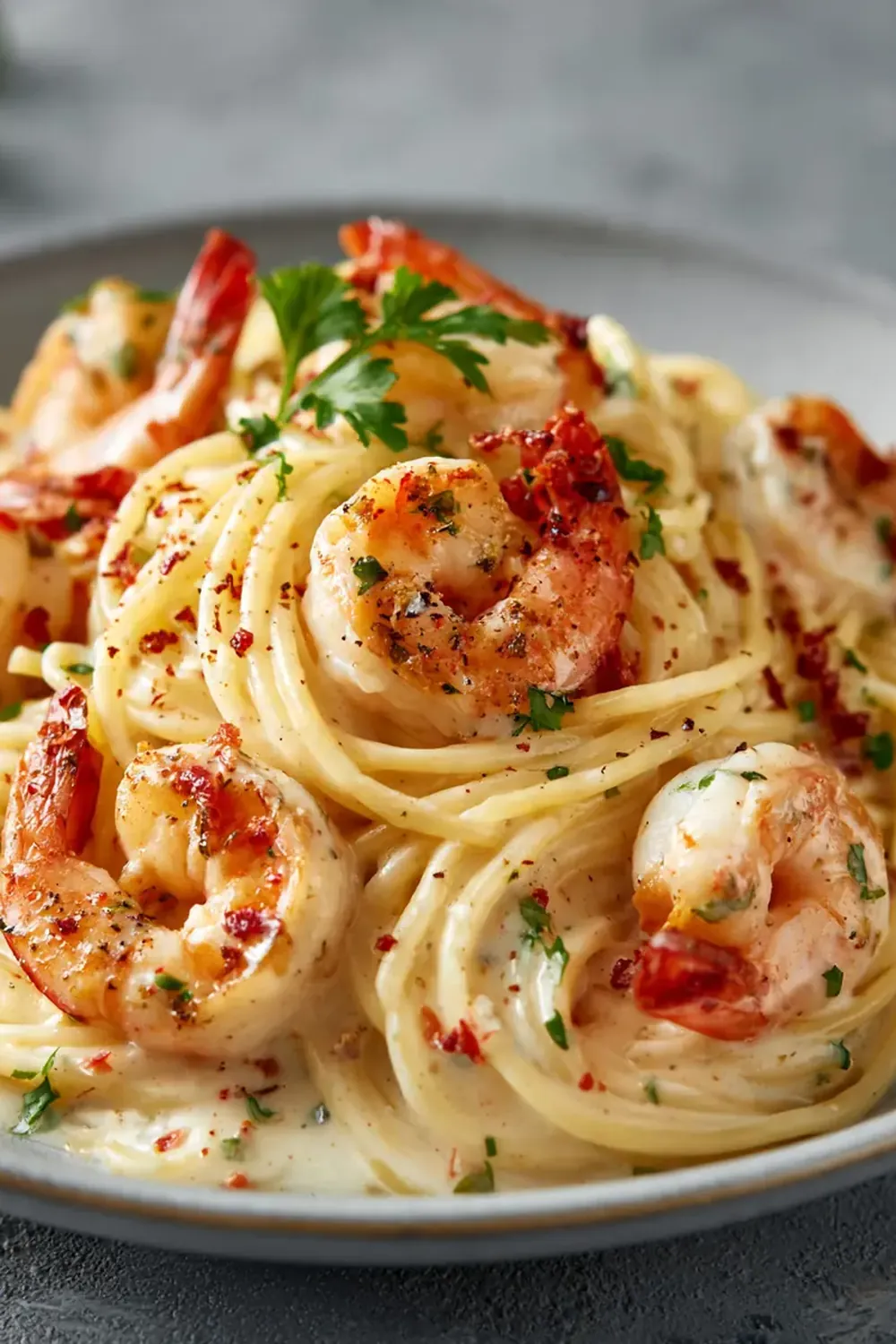
- Return the cooked prawns to the pan, along with any juices that have collected on the plate. Toss gently — you want to warm the prawns through without breaking them apart. Sprinkle over the chopped parsley and give it one final gentle turn. The prawns should glisten against the creamy, golden strands of spaghetti.
Tips From My Kitchen
- Undercook the pasta deliberately. I cannot stress this enough. If you cook the spaghetti fully in the water, it will become mushy when you finish it in the sauce. By stopping a minute early, the pasta continues to cook in the cream mixture, absorbing flavour and maintaining that perfect, al dente resistance. The texture should offer a slight chew, never a soft collapse.
- Reserve more pasta water than you think you need. The starchy water is the secret weapon for a silky, emulsified sauce that doesn’t split. It acts as a binder, helping the cream and cheese cling to the pasta without becoming greasy. I always keep at least a full mug aside; you can always discard what you don’t use, but you cannot replicate it with tap water.
- Let the prawns rest after cooking. When you remove them from the pan after searing, they will continue to carry residual heat. This resting period allows the proteins to relax, keeping them tender and juicy. If you toss them back into the sauce too early, they can overcook and turn rubbery. Trust that brief pause on the plate.
- Grate your own Parmesan from a block. Pre-shredded cheese contains anti-caking agents that prevent it from melting smoothly into the sauce. Freshly grated Parmesan dissolves into the cream with a velvety, unified consistency, whereas the pre-packaged stuff can leave a gritty, clumpy texture. The difference is immediately noticeable on the tongue.
- Warm your serving bowls before plating. This is a small, restaurant-style touch that makes a real difference. Cold bowls will cause the sauce to seize and cool rapidly, turning it thick and pasty. A quick splash of hot water into each bowl, emptied just before serving, keeps the pasta hot and the sauce fluid from the first bite to the last.
Equipment You’ll Need
- Large pot for boiling the spaghetti
- Colander for draining
- Large frying pan or sauté pan (wide enough to hold the pasta comfortably)
- Tongs or a pasta fork for tossing
- Microplane or fine grater for the Parmesan and lemon zest
- Wooden spoon or silicone spatula
Common Mistakes to Avoid
- Overcrowding the pan when searing the prawns: If you pile too many prawns into the pan at once, they release moisture and begin to steam instead of sear. You lose that beautiful golden-brown crust and the sweet, concentrated flavour it provides. Cook them in two batches if necessary; the extra minute is worth the texture.
- Cooking the sauce on too high a heat: Cream sauces are delicate. A high flame can cause the cream to separate, leaving you with a greasy, curdled-looking liquid rather than a smooth, glossy coating. Keep the heat at a gentle simmer — you should see lazy bubbles, not a vigorous boil — and stir regularly to prevent scorching on the bottom.
- Skipping the resting time for the pasta: After you toss the spaghetti with the sauce, giving it one minute to rest in the pan off the heat allows the starch to fully hydrate and the sauce to adhere properly. Rushing this step means you end up with a pool of sauce at the bottom of the bowl and naked pasta on top. Patience here is rewarded with every forkful.
What to Serve With Creamy Shrimp Spaghetti Recipe
- A simple green salad with a sharp lemon vinaigrette — the acidity cuts through the richness of the cream.
- Crusty garlic bread or a warm baguette, perfect for sopping up any leftover sauce on the plate.
- Steamed asparagus or tenderstem broccoli, lightly dressed with olive oil and sea salt, for a fresh, verdant contrast.
- A side of roasted cherry tomatoes, blistered until they burst, adds a sweet, tangy pop that complements the shrimp beautifully.
Frequently Asked Questions
Creamy Shrimp Spaghetti Recipe
Ingredients
Method
-
Bring a large pot of generously salted water to a rolling boil. The water should taste as salty as the sea — this is your only chance to season the pasta itself. Drop the spaghetti in and cook it for one minute less than the packet suggests. You want it al dente, with a tiny white core still visible when you bite a strand. Reserve about 250ml of the starchy pasta water before draining. The starch is liquid gold for your sauce.
-
While the pasta cooks, pat the prawns completely dry with kitchen paper. Any moisture on the surface will steam them rather than sear them. Season them lightly with salt and a pinch of black pepper. Heat the olive oil in a large frying pan over a medium-high flame until it shimmers and ripples. Lay the prawns in a single layer — you should hear an immediate, satisfying sizzle. Cook for 90 seconds on the first side until the edges turn a deep coral pink and the flesh begins to curl slightly. Flip and cook for another 45 seconds. The prawns should be just cooked through, with a tender, springy bite. Transfer them to a plate and set aside.
-
Reduce the heat to medium-low and add the butter to the same pan. Watch it melt slowly, turning from solid to a foamy, nutty-scented liquid. Scrape up any browned bits from the bottom of the pan with a wooden spoon — those little caramelised pieces are pure flavour. Add the minced garlic and red pepper flakes, if using. Stir constantly for about 45 seconds until the garlic becomes fragrant and softens, but do not let it brown; you want it pale gold and sweet, not bitter.
-
Pour in the chicken stock and let it bubble gently for 2 minutes, reducing slightly. The liquid will take on a pale, translucent appearance and smell deeply savoury. Now add the double cream in a slow, steady stream while stirring. The sauce will lighten in colour and start to thicken around the edges of the pan. Let it simmer gently for another 2 minutes, until it coats the back of a spoon and leaves a clear trail when you draw a finger through it.
-
Stir in the grated Parmesan cheese, lemon juice, and lemon zest. The cheese will melt into the sauce, making it even thicker and glossier. Taste it now — you should notice a bright, acidic lift from the lemon that balances the richness. Season with salt and pepper. If the sauce seems too thick, add a splash of the reserved pasta water; it will loosen it and help it cling to the spaghetti later.
-
Add the drained spaghetti directly to the pan with the sauce. Use tongs or a pasta fork to toss and turn the pasta, coating every strand in that velvety cream sauce. You’ll see the sauce tighten and become more cohesive as it mixes with the starch from the pasta water. If it looks dry, add another splash of reserved water. Cook everything together over low heat for 1 minute, allowing the pasta to absorb some of the sauce.
-
Return the cooked prawns to the pan, along with any juices that have collected on the plate. Toss gently — you want to warm the prawns through without breaking them apart. Sprinkle over the chopped parsley and give it one final gentle turn. The prawns should glisten against the creamy, golden strands of spaghetti.
Notes
I hope this creamy shrimp spaghetti becomes a staple in your own kitchen, whether for a quiet Tuesday night or a table full of your favourite people. If you give it a try, I would love to hear how it turned out — drop a comment below and let me know what small touches you added to make it your own. And if you are in the mood for another seafood dish with a completely different profile, do have a look at this Honey Garlic Shrimp Recipe Sweet for a quicker, glaze-style alternative. Happy cooking!