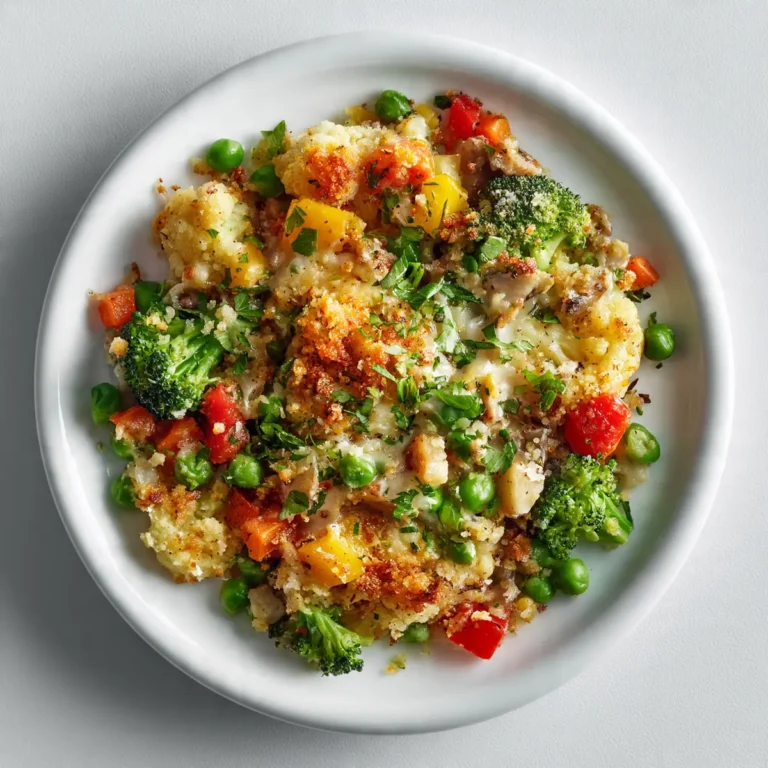
Easy Potato Soup Recipe

I’ll never forget the first time I served this potato soup to guests. I’d spent years making the usual, gluggy versions that looked more like wallpaper paste than something you’d proudly plate for friends. But after testing this recipe five times, I finally got it just right. Now, this easy potato soup recipe has become my secret weapon for dinner parties — it’s the dish that has people asking for the recipe before they’ve even finished their bowl, completely unaware that the magic lies in a few simple techniques that transform humble spuds into something genuinely restaurant-worthy.
Recipe Overview
- Prep time: 15 minutes
- Cooking time: 35 minutes
- Total time: 50 minutes
- Servings: 6 generous portions as a main, 8 as a starter
- Difficulty: Straightforward — rewarding without being fussy
Why You’ll Love This Easy Potato Soup Recipe
- Restaurant presentation at home: This soup is designed to be ladled with confidence — think smooth, velvety texture with deliberate garnishes that catch the eye and impress every guest.
- Ingredients you already know: No hunting down obscure items. Everything on the list is a standard pantry staple or easily found at any supermarket.
- Make-ahead friendly: The flavours deepen beautifully overnight, and the soup reheats like a dream without splitting or turning grainy.
- Customisable for dietary needs: Easily adapted to vegetarian, vegan, or gluten-free requirements without losing its luxurious character.
- Built for entertaining: This isn’t a Tuesday-night, eat-out-of-a-mug soup. It’s the kind of dish that anchors a dinner party, paired with crusty bread and good conversation.

Ingredients You’ll Need
- 1 kg floury potatoes (Maris Piper or King Edward work beautifully)
- 2 tablespoons olive oil
- 1 large onion, finely diced
- 3 celery sticks, finely chopped
- 3 garlic cloves, minced
- 1 litre chicken or vegetable stock (use a good-quality stock — it makes all the difference)
- 250 ml double cream
- 2 bay leaves
- 1 teaspoon dried thyme
- Salt and freshly ground white pepper (white pepper gives a cleaner look, but black works if that’s what you have)
- 50 g unsalted butter
- Fresh chives, finely snipped, for garnish
- Extra virgin olive oil for drizzling
- Crème fraîche or Greek yogurt for swirling
- Rye croutons or toasted sourdough cubes for crunch
Tip: Choose floury potatoes over waxy ones every time. Floury varieties break down beautifully during cooking, giving you that silky, luscious texture without needing to over-blend. Waxy potatoes will leave you with a soup that’s more like a chunky stew — lovely in its own right, but not what we’re aiming for here.
How to Make Easy Potato Soup Recipe
- Prepare your potatoes: Peel the potatoes and cut them into even 2cm cubes. I cannot stress this enough — even cubes mean even cooking. Rinse them under cold water until the water runs clear to remove excess starch. You’ll see the water turn milky at first; keep rinsing until it’s clear. This single step prevents your soup from turning stodgy and gluey. Drain well and set aside.
- Sweat the aromatics: Place your large stockpot or Dutch oven over a medium heat and add the olive oil and butter. Once the butter has melted and is gently foaming — you’ll hear a soft sizzle — add the diced onion and celery. Cook for 8–10 minutes, stirring occasionally, until the onions are translucent and softened but not coloured. You’re looking for a pale golden appearance and a sweet, fragrant smell that fills the kitchen. Add the minced garlic and cook for one more minute until it releases its aroma — about 30 seconds is usually enough, as garlic burns quickly.
- Build the base: Add the drained potato cubes to the pot and stir everything together for 2 minutes. The potatoes should look glossy and slightly coated in the buttery mixture. Pour in the stock, then add the bay leaves and dried thyme. Bring the mixture to a gentle boil — you’ll see bubbles lazily breaking the surface — then immediately reduce the heat to low, cover the pot, and let it simmer for 20–25 minutes. The potatoes are done when you can easily pierce a cube with a fork and it offers no resistance. The smell at this stage is deeply savoury and comforting.
- Blend to velvet: Remove the bay leaves and discard them. Using an immersion blender directly in the pot, blend the soup until it’s completely smooth and velvety. If you’re using a countertop blender, work in batches and never fill the jug more than halfway — hot liquid expands and can be dangerous. The texture should look like thick double cream, glossy and uniform. You’ll see the soup transform from a chunky, rustic mixture into something that looks almost satin-like.
- Finish with cream and seasoning: With the heat on the lowest setting, stir in the double cream. This is where the soup becomes truly luxurious. Taste and season with salt and white pepper. Be generous with the salt — potatoes need it to shine. The final soup should be rich, smooth, and coat the back of a spoon thickly but still flow easily. If it’s too thick for your liking, add a splash of warm stock or milk to loosen it.
- Rest and reheat gently: This is a step many people skip, but it’s vital. Remove the pot from the heat and let the soup sit for 5 minutes. This allows the flavours to marry and the texture to settle. When you return it to a low heat to serve, stir gently. You’ll notice the soup looks even silkier after this short rest — the starch molecules relax and the cream integrates fully.
Tips From My Kitchen
- Use cold stock, not hot: Adding cold stock to your sautéed vegetables and potatoes allows the temperature to rise slowly, which helps the potatoes release their starch gradually rather than all at once. This gives you better control over the final texture and prevents the soup from becoming pasty. If you add boiling stock, the outside of the potato cubes cooks too quickly while the inside remains underdone.
- Don’t skip the celery: I used to think celery was optional in potato soup — I was wrong. Celery adds a subtle savoury depth and a slight freshness that lifts the whole dish. Without it, the soup can taste one-dimensionally starchy. Finely dice it so it practically melts into the background, leaving only its flavour footprint.
- Blend in two stages if you want it extra smooth: For a truly restaurant-quality finish, blend for 30 seconds, let the soup settle for a minute, then blend again for another 30 seconds. The first pass breaks down the bulk of the solids; the second pass catches any remaining tiny lumps and incorporates air, giving you that glossy, aerated texture that feels indulgent on the tongue.
- Reserve some potato cubes before blending: If you want a soup with a bit of texture for contrast, scoop out about a cup of cooked potato cubes before blending. After you’ve blended the rest to silk, stir the reserved cubes back in. This gives you a soup that’s smooth but has occasional tender bites — a lovely surprise for guests.
- Taste for salt after the cream is added: Cream and butter both dull the perception of salt, so if you seasoned the soup before adding the cream, it will taste under-seasoned afterwards. Always do your final salt adjustment after the cream is in, tasting as you go. A properly seasoned soup is the difference between “that’s nice” and “I need this recipe.”
- Garnish with intention: This is where you elevate the dish from home cooking to something you’d serve at a dinner party. A swirl of crème fraîche, a drizzle of peppery extra virgin olive oil, a scatter of fresh chives, and a few crunchy croutons create a visual and textural landscape that guests will admire before they even take a bite.
Equipment You’ll Need
- Large stockpot or Dutch oven (5–6 litre capacity is ideal)
- Immersion blender (or a countertop blender if that’s what you have — just work in batches)
- Ladle for serving
- Sharp knife and cutting board
- Measuring jug and spoons
- Fine-mesh sieve (optional, for extra-smooth results)
Common Mistakes to Avoid
- Overcrowding the pan: This isn’t about the pan size — it’s about not rushing the initial sweating of the vegetables. If you add too many potato cubes at once without giving the aromatics time to soften properly, you’ll end up with a soup that tastes raw and oniony rather than sweet and mellow. Give the onions and celery their full 8–10 minutes; don’t rush this stage.
- Wrong temperature: Simmering means small, lazy bubbles, not a rolling boil. Boiling the soup vigorously will break the cream emulsion and can make the potatoes release too much starch, resulting in a gluey, unappealing texture. Keep the heat low and steady — the soup should barely murmur, not shout.
- Skipping the rest time: I know it’s tempting to serve immediately, but that 5-minute rest after blending is where the magic happens. The soup thickens slightly, the flavours settle, and the temperature evens out. If you serve it straight away, you’ll notice the texture is thinner and the seasoning less integrated. Patience here pays off in the bowl.
Delicious Variations to Try
- Spicy Version: Add 1 finely chopped red chilli (seeds in for heat, removed for mild warmth) along with the garlic. For an extra layer, stir in 1 teaspoon of smoked paprika and a pinch of cayenne pepper just before adding the stock. The smokiness pairs beautifully with the creamy potato base.
- Vegetarian/Vegan Option: Use vegetable stock and replace the double cream with full-fat coconut milk or a good-quality oat cream. Swap the butter for a plant-based margarine or additional olive oil. The coconut milk version has a subtle sweetness that complements the potatoes wonderfully — just don’t use light coconut milk, as it’s too thin and won’t give you the luxurious texture you’re after.
- Different Protein: For a more substantial main course, top each bowl with shredded roast chicken or turkey. If you’re serving this alongside something like our Buffalo Chicken Sliders Recipe Spicy, the creamy soup acts as a cooling, soothing counterpoint to the heat of the sliders. Alternatively, stir in some flaked, poached fish for a lighter variation.
What to Serve With Easy Potato Soup Recipe
- Crusty sourdough bread rubbed with a cut garlic clove and drizzled with olive oil, then toasted until golden
- A simple green salad with a sharp vinaigrette — the acidity cuts through the richness of the soup beautifully
- Roasted vegetables like carrots or parsnips, tossed in honey and thyme, served on the side
- Grilled cheese sandwiches cut into slender soldiers for dipping — a grown-up take on a childhood favourite
Frequently Asked Questions
Easy Potato Soup Recipe
Ingredients
Method
- Prepare your potatoes: Peel the potatoes and cut them into even 2cm cubes. I cannot stress this enough — even cubes mean even cooking. Rinse them under cold water until the water runs clear to remove excess starch. You'll see the water turn milky at first; keep rinsing until it's clear. This single step prevents your soup from turning stodgy and gluey. Drain well and set aside.
- Sweat the aromatics: Place your large stockpot or Dutch oven over a medium heat and add the olive oil and butter. Once the butter has melted and is gently foaming — you'll hear a soft sizzle — add the diced onion and celery. Cook for 8–10 minutes, stirring occasionally, until the onions are translucent and softened but not coloured. You're looking for a pale golden appearance and a sweet, fragrant smell that fills the kitchen. Add the minced garlic and cook for one more minute until it releases its aroma — about 30 seconds is usually enough, as garlic burns quickly.
- Build the base: Add the drained potato cubes to the pot and stir everything together for 2 minutes. The potatoes should look glossy and slightly coated in the buttery mixture. Pour in the stock, then add the bay leaves and dried thyme. Bring the mixture to a gentle boil — you'll see bubbles lazily breaking the surface — then immediately reduce the heat to low, cover the pot, and let it simmer for 20–25 minutes. The potatoes are done when you can easily pierce a cube with a fork and it offers no resistance. The smell at this stage is deeply savoury and comforting.
- Blend to velvet: Remove the bay leaves and discard them. Using an immersion blender directly in the pot, blend the soup until it's completely smooth and velvety. If you're using a countertop blender, work in batches and never fill the jug more than halfway — hot liquid expands and can be dangerous. The texture should look like thick double cream, glossy and uniform. You'll see the soup transform from a chunky, rustic mixture into something that looks almost satin-like.
- Finish with cream and seasoning: With the heat on the lowest setting, stir in the double cream. This is where the soup becomes truly luxurious. Taste and season with salt and white pepper. Be generous with the salt — potatoes need it to shine. The final soup should be rich, smooth, and coat the back of a spoon thickly but still flow easily. If it's too thick for your liking, add a splash of warm stock or milk to loosen it.
- Rest and reheat gently: This is a step many people skip, but it's vital. Remove the pot from the heat and let the soup sit for 5 minutes. This allows the flavours to marry and the texture to settle. When you return it to a low heat to serve, stir gently. You'll notice the soup looks even silkier after this short rest — the starch molecules relax and the cream integrates fully.
Notes
I’d love to hear how this easy potato soup recipe turns out in your kitchen. Did you try one of the variations, or did you invent your own garnish? Drop a comment below and let me know — sharing our cooking wins is what makes this community so special. And if you’re looking for another impressive dish to round out your menu, our Slow Cooker Beef Stew Recipe Tender is a wonderful, hearty companion for a cold evening’s entertaining.