Ultimate Pork Tenderloin Recipe
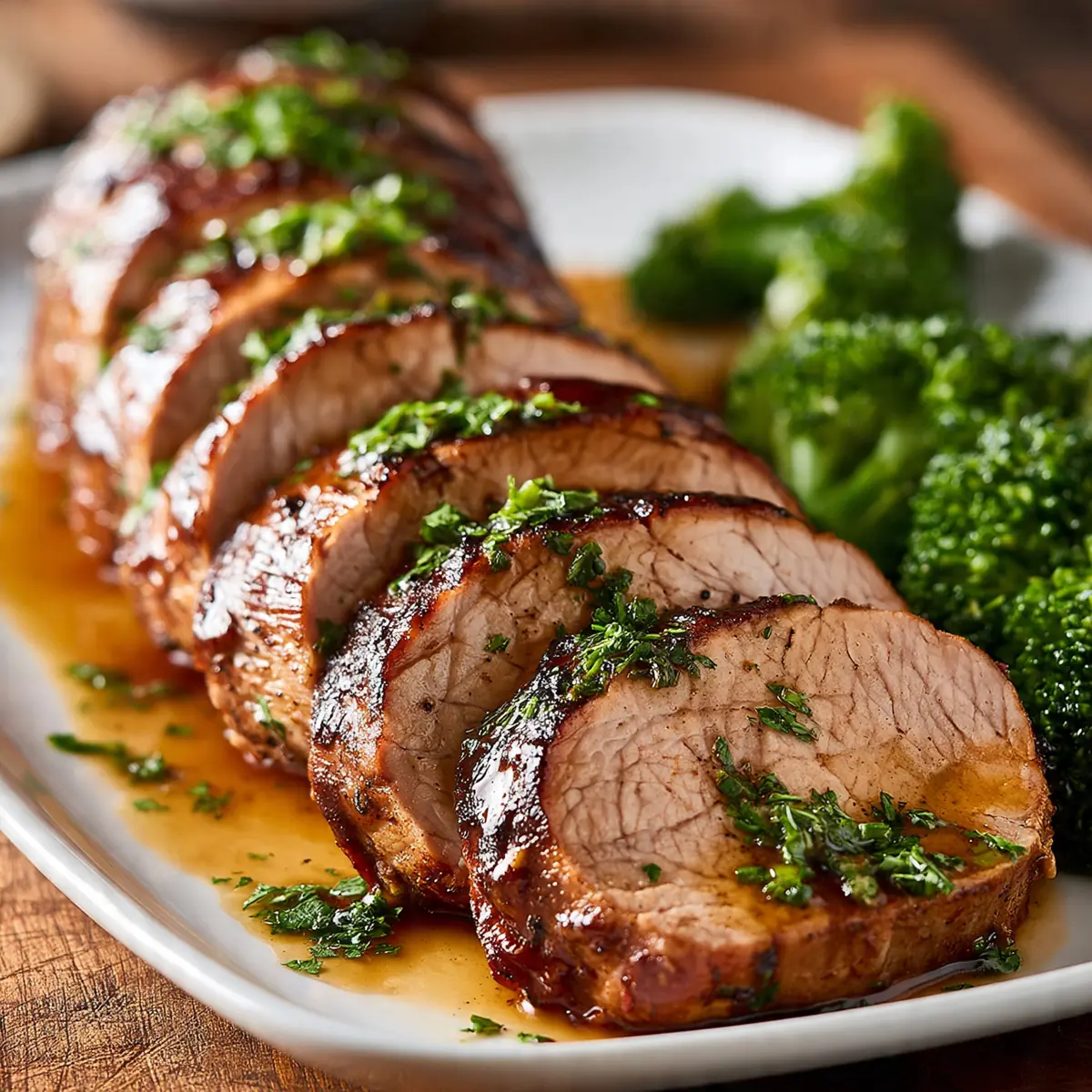
I still remember the first time I served this pork tenderloin to guests. My friend Claire took one bite, closed her eyes, and actually went quiet for a moment. “This is better than the steak I had at that fancy restaurant last week,” she said. That’s when I knew I’d cracked it — a dish that looks like it belongs on a tasting menu but comes together in a single frying pan. This is the recipe I turn to when I want to impress without the stress.
Recipe Overview
- Prep time: 15 minutes
- Cook time: 20 minutes
- Total time: 35 minutes (plus 10 minutes resting)
- Servings: 4
- Difficulty: Medium
Why You’ll Love This Ultimate Pork Tenderloin Recipe
- Restaurant-quality presentation: The golden-brown crust and elegant slicing make it look like it came from a professional kitchen.
- Juicy, never dry: With the right technique, every bite stays tender and moist — no dry pork here.
- Simple ingredients, big flavour: You don’t need a dozen exotic spices. Common pantry staples create something truly special.
- Quick enough for a weeknight: From pan to plate in under 40 minutes, yet special enough for a dinner party.
- Endless versatility: Change the herbs, swap the sides, or adjust the spice level — this recipe adapts beautifully.
Ingredients You’ll Need
- 600g pork tenderloin (ask your butcher for a centre-cut piece, evenly thick)
- 2 tablespoons olive oil
- 2 tablespoons unsalted butter
- 3 cloves garlic, smashed
- 3 sprigs fresh rosemary
- 4 sprigs fresh thyme
- 1 teaspoon sea salt
- ½ teaspoon freshly ground black pepper
- ½ teaspoon smoked paprika
- ¼ teaspoon ground coriander
- 120ml chicken stock (low-sodium)
- 1 tablespoon balsamic vinegar
- 1 teaspoon Dijon mustard
- Fresh parsley, finely chopped, for garnish
- Flaky sea salt, for finishing
Tip: If your tenderloin has a thin tail end, tuck it under and tie it with kitchen string so it cooks evenly. This small step makes a big difference to the final presentation.
How to Make Ultimate Pork Tenderloin Recipe
- Prepare the tenderloin: Pat the pork completely dry with kitchen paper. Season all over with the salt, black pepper, smoked paprika, and ground coriander. Rub the spices in gently. Let it sit at room temperature for 15 minutes — you’ll feel the surface become slightly tacky, which helps form a beautiful crust.
- Heat the pan: Place a large frying pan or skillet over medium-high heat for a full 2 minutes. Add the olive oil and swirl to coat. When the oil shimmers and you see the faintest wisp of smoke, the pan is ready. You should hear a sharp sizzle when the meat hits the surface.
- Sear the pork: Lay the tenderloin in the pan, away from you to avoid splatter. Cook without moving for 4 minutes. Listen for a steady, gentle sizzle — if it goes silent, the pan has cooled. After 4 minutes, the underside should be deep golden-brown with a crisp, caramelised crust. Flip and repeat for another 4 minutes.
- Add aromatics: Reduce the heat to medium. Add the butter, smashed garlic cloves, rosemary, and thyme to the pan. Tilt the pan slightly and use a spoon to baste the melting butter and herbs over the pork for 2 minutes. You’ll smell the garlic softening and the herbs releasing their oils — it should smell like a warm, fragrant kitchen.
- Finish in the pan: Pour in the chicken stock, balsamic vinegar, and Dijon mustard. Stir gently to combine, scraping up any browned bits from the bottom of the pan. Continue basting for another 3–4 minutes, until the sauce has reduced slightly and thickened to a glossy, syrupy consistency. The pork should feel firm yet springy when pressed.
- Rest the meat: Transfer the pork to a cutting board. Spoon a little of the pan juices over the top. Let it rest, uncovered, for 10 minutes. During this time, the juices will redistribute — you’ll see the surface relax and the internal temperature rise by about 2–3°C.
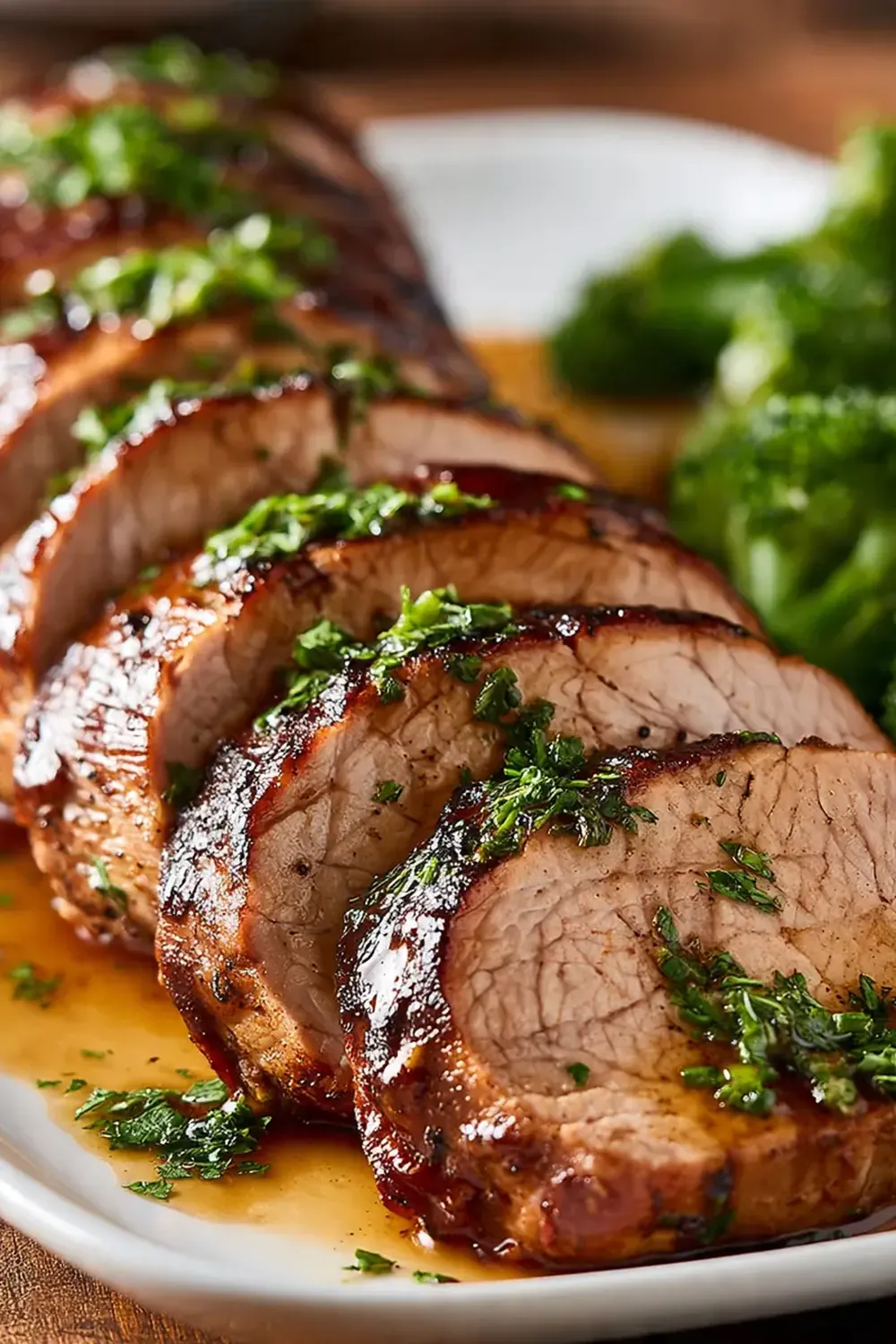
- Slice and serve: Using a sharp knife, slice the tenderloin into 2cm-thick medallions on a slight diagonal. Arrange on a warm serving platter. Spoon the remaining pan sauce over the top. Finish with a sprinkle of flaky sea salt and fresh parsley.
Tips From My Kitchen
- Pat the meat bone-dry: Moisture is the enemy of a good sear. If there’s any surface moisture, the pork will steam instead of brown. I use three sheets of kitchen paper and really press them into the meat. The surface should feel almost sticky to the touch before you add the seasoning.
- Let the meat come to room temperature: A cold tenderloin straight from the fridge will lower the pan temperature too quickly, leading to uneven cooking. I take mine out 20 minutes before cooking. The centre should feel cool but not icy — this ensures a more even cook from edge to centre.
- Don’t crowd the pan: Pork tenderloin needs space to develop that gorgeous crust. If you’re cooking more than one, use a larger pan or cook them in batches. When the pan is overcrowded, the temperature drops, and the meat releases liquid instead of browning. You want a steady, confident sizzle.
- Use a meat thermometer for precision: This is the single best investment for perfect pork. Insert it into the thickest part of the tenderloin. Remove the meat at 63°C for medium (slightly pink and incredibly juicy) or 68°C for medium-well. Remember, it will rise another 2–3°C during resting.
- Rest, rest, rest: I know it’s tempting to slice straight away, but resting is non-negotiable. If you cut too soon, all those beautiful juices will flood onto the board, leaving you with dry, disappointing meat. Ten minutes is the sweet spot — the surface stays warm while the inside relaxes.
- Warm your serving platter: A cold plate will cool your carefully cooked pork in seconds. I pop my serving platter in a low oven (about 80°C) for 5 minutes before plating. It’s a tiny detail that makes a noticeable difference when you’re presenting to guests.
Equipment You’ll Need
- Large frying pan or skillet (preferably cast-iron for even heat)
- Sharp knife and cutting board
- Mixing bowls
- Wooden spoon or spatula
- Kitchen string (optional, for tying the tenderloin)
- Meat thermometer (highly recommended)
- Kitchen paper
Common Mistakes to Avoid
- Overcrowding the pan: When you add too much meat at once, the pan temperature plummets. Instead of searing, the pork steams, and you lose that beautiful golden crust. Cook one tenderloin at a time, or use a larger pan. Give each piece room to breathe.
- Wrong temperature: Cooking pork on too low a heat means it won’t develop a crust before the inside overcooks. Medium-high heat is essential for the initial sear. After that, reduce to medium to finish cooking gently. If your pan is smoking aggressively, it’s too hot — lower the heat immediately.
- Skipping the rest time: This is the most common mistake I see. I’ve been making this for over 5 years, and it never disappoints when I rest the meat properly. Cutting into it too early releases all the juices, leaving you with dry, tough slices. Trust the process — those 10 minutes are crucial.
Delicious Variations to Try
- Spicy Version: Add ½ teaspoon of smoked chipotle powder or cayenne pepper to the spice rub. For extra heat, throw a sliced red chilli into the pan with the garlic and herbs. The warmth balances beautifully with the balsamic glaze.
- Vegetarian/Vegan Option: Replace the pork with a large portobello mushroom cap or a block of firm tofu, pressed and sliced. Use the same spice rub and cooking method, but reduce the cooking time to about 5–7 minutes per side. The balsamic glaze works wonderfully with mushrooms.
- Different Protein: This recipe works brilliantly with chicken breast or turkey tenderloin. For chicken, cook to an internal temperature of 74°C. For turkey, aim for 73°C. Adjust the resting time to 8 minutes, as poultry needs slightly less time to rest.
What to Serve With Ultimate Pork Tenderloin Recipe
- Roasted new potatoes with rosemary and garlic
- Buttered green beans with toasted almonds
- A simple rocket and parmesan salad with lemon vinaigrette
- Creamy mashed potatoes (sweet potato works beautifully too)
- Grilled asparagus spears with a squeeze of lemon
Frequently Asked Questions
Ultimate Pork Tenderloin Recipe
Ingredients
Method
- Prepare the tenderloin: Pat the pork completely dry with kitchen paper. Season all over with the salt, black pepper, smoked paprika, and ground coriander. Rub the spices in gently. Let it sit at room temperature for 15 minutes — you’ll feel the surface become slightly tacky, which helps form a beautiful crust.
- Heat the pan: Place a large frying pan or skillet over medium-high heat for a full 2 minutes. Add the olive oil and swirl to coat. When the oil shimmers and you see the faintest wisp of smoke, the pan is ready. You should hear a sharp sizzle when the meat hits the surface.
- Sear the pork: Lay the tenderloin in the pan, away from you to avoid splatter. Cook without moving for 4 minutes. Listen for a steady, gentle sizzle — if it goes silent, the pan has cooled. After 4 minutes, the underside should be deep golden-brown with a crisp, caramelised crust. Flip and repeat for another 4 minutes.
- Add aromatics: Reduce the heat to medium. Add the butter, smashed garlic cloves, rosemary, and thyme to the pan. Tilt the pan slightly and use a spoon to baste the melting butter and herbs over the pork for 2 minutes. You’ll smell the garlic softening and the herbs releasing their oils — it should smell like a warm, fragrant kitchen.
- Finish in the pan: Pour in the chicken stock, balsamic vinegar, and Dijon mustard. Stir gently to combine, scraping up any browned bits from the bottom of the pan. Continue basting for another 3–4 minutes, until the sauce has reduced slightly and thickened to a glossy, syrupy consistency. The pork should feel firm yet springy when pressed.
- Rest the meat: Transfer the pork to a cutting board. Spoon a little of the pan juices over the top. Let it rest, uncovered, for 10 minutes. During this time, the juices will redistribute — you’ll see the surface relax and the internal temperature rise by about 2–3°C.
- Slice and serve: Using a sharp knife, slice the tenderloin into 2cm-thick medallions on a slight diagonal. Arrange on a warm serving platter. Spoon the remaining pan sauce over the top. Finish with a sprinkle of flaky sea salt and fresh parsley.
Notes
I make this at least once a week — it’s become a family favourite. There’s something deeply satisfying about watching a simple pork tenderloin transform into a beautifully caramelised, juicy centrepiece. The golden crust, the fragrant herb butter, the glossy balsamic sauce — every element works together to create a dish that feels both elegant and approachable. Whether you’re cooking for a special occasion or just want to elevate a Tuesday dinner, this recipe delivers every time. I’d love to hear how yours turns out — drop a comment below and let me know what sides you chose.