
Protein Cottage Cheese Flatbread

There are some recipes that find their way into your weekly rotation and simply refuse to leave, and this Cottage Cheese Flatbread is one of them. It’s a revelation in the world of home baking – a soft, pliable, high-protein bread that requires no yeast, no kneading, and no complicated steps. This is my go-to recipe when I need something quick but impressive to serve alongside a soup or curry. The magic lies in how the cottage cheese transforms into a tender, savoury base that’s unbelievably light and satisfying.
What we’re making today is more than just a simple flatbread; it’s a versatile kitchen staple. The flavour is gently cheesy and savoury, making it a brilliant canvas for all sorts of toppings or a fantastic vessel for scooping up your favourite dips. It works wonderfully for a speedy lunch wrap, a healthy pizza base, or just a nourishing snack to get you through the afternoon. Anyone looking to add a bit more protein to their diet without sacrificing flavour or texture will absolutely adore this recipe. Let’s get into it.
Recipe Overview
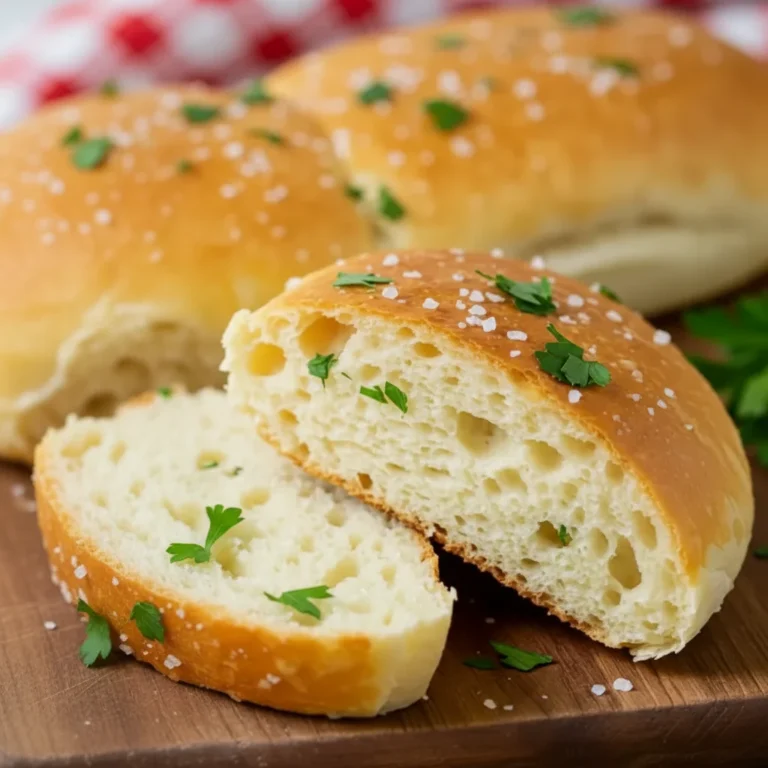
This Cottage Cheese Flatbread recipe produces wonderfully soft, flexible bread with a tender crumb and a subtly savoury taste. The cottage cheese provides moisture and a significant protein boost, while a single egg binds it all together. I’ve found that using full-fat cottage cheese yields the most tender results, as the extra fat content contributes to a richer texture. Expect a batter that looks more like a thick pancake mix than a traditional dough – this is exactly what we’re aiming for.
- Prep Time: 10 minutes
- Cook Time: 15 minutes
- Total Time: 25 minutes
- Servings: 4 small flatbreads
- Difficulty: Easy
Why You’ll Love This Cottage Cheese Flatbread
- Rich, Savoury Flavour: The cottage cheese melts into the batter, giving the flatbread a mild, tangy flavour and a wonderfully soft texture that’s distinct from traditional flour-and-water flatbreads. It’s savoury without being overpowering.
- Ready in Under 30 Minutes: From gathering your ingredients to pulling the last golden-brown flatbread from the pan, the whole process takes about 25 minutes. It’s ideal for when you need a bread component for a meal without the wait.
- Fantastically Flexible: This is a brilliant base recipe. You can stir in chopped chives, a teaspoon of garlic powder, or some dried oregano. I sometimes add a tablespoon of grated Parmesan for an extra cheesy kick.
- Great for Meal Prep: These flatbreads are fantastic for preparing ahead. They store well in the fridge and are great for packed lunches, quick snacks, or as part of a main meal throughout the week.
- Family Tested: My kids are always thrilled when I make these for lunch. They love using them as a base for mini pizzas, and because they’re so high in protein, I know they’re getting a genuinely nourishing meal.

Ingredients You’ll Need
The beauty of this high protein bread is its short and accessible ingredient list. For the cottage cheese, I always recommend using a full-fat variety; it makes a noticeable difference to the final texture. I often use Longley Farm full-fat cottage cheese as it has a great creamy consistency that blends beautifully.
- 250g full-fat cottage cheese
- 1 large free-range egg
- 40g plain all-purpose flour
- 20g rolled oats (optional, for texture)
- ½ teaspoon baking powder
- ¼ teaspoon fine sea salt
- ½ teaspoon dried oregano or mixed herbs (optional)
- 1 tablespoon olive oil, for frying
Ashley’s Tip: If your cottage cheese is particularly watery, you can strain it for about 10 minutes in a fine-mesh sieve to remove some of the excess whey. This will result in a slightly thicker batter and a sturdier flatbread.
How to Make Cottage Cheese Flatbread
The process for this cottage cheese recipe is straightforward. We’re essentially creating a thick, protein-rich batter that we pan-fry like a pancake. A non-stick frying pan is your best friend here to ensure they flip easily and cook evenly.
- Combine Wet Ingredients: In a medium-sized bowl or a blender jug, combine the 250g of cottage cheese and the large egg. Blend with an immersion blender until completely smooth. If you don’t have one, you can use a regular blender or whisk vigorously by hand, but blending gives the best, smoothest texture.
- Add Dry Ingredients: Add the 40g plain flour, 20g rolled oats (if using), ½ teaspoon baking powder, ¼ teaspoon salt, and optional herbs to the blended mixture. Stir with a spatula until just combined. Don’t overmix; a few small lumps are perfectly fine.
- Rest the Batter: Let the batter rest for 5 minutes. This allows the flour and oats to fully hydrate, which thickens the batter and improves the texture of the final flatbread. It’s a small step that makes a big difference.
- Heat the Pan: Place a large non-stick frying pan over a medium heat. Add about a teaspoon of olive oil and swirl to coat the bottom of the pan. The pan is ready when a drop of water sizzles on contact.
- Cook the Flatbreads: Spoon about a quarter of the batter into the hot pan, using the back of the spoon to spread it into a circle roughly 15cm (6 inches) in diameter. I find that cooking them one or two at a time prevents overcrowding and makes flipping much easier.
- Fry Until Golden: Cook for 2-3 minutes on the first side, until the edges look set and bubbles start to appear on the surface. The underside should be a beautiful golden brown.
- Flip and Finish: Carefully flip the flatbread using a thin spatula and cook for another 1-2 minutes on the other side, until it’s cooked through and golden.
- Repeat and Serve: Transfer the cooked flatbread to a plate and cover with a clean tea towel to keep it soft and warm. Repeat the process with the remaining batter, adding a little more oil to the pan as needed. Serve warm.
Tips From My Kitchen
- Temperature Control is Key: A medium heat is crucial. If the pan is too hot, the outside of the flatbread will burn before the inside is cooked. If it’s too cool, it won’t get that lovely golden colour and may absorb too much oil.
- The Secret to a Smooth Texture: I used to struggle with lumpy flatbreads until I started using an immersion blender. I learned that taking 30 seconds to blitz the cottage cheese and egg until perfectly smooth is the single most important step for achieving a uniform, soft texture.
- Make-Ahead Batter: You can prepare the batter up to 24 hours in advance. Just cover the bowl tightly and store it in the fridge. Give it a quick stir before using, as it may have thickened slightly.
- Storage for Leftovers: Cooked flatbreads can be stored in an airtight container in the refrigerator for up to 3 days. Reheat them in a dry frying pan for a minute on each side, or pop them in the toaster to warm through.
Equipment You’ll Need
You don’t need any fancy gadgets for this recipe, which is part of its charm. Here are the basics that will help you get the best results.
- Immersion blender or regular blender
- Large non-stick frying pan
- Flexible spatula
- Mixing bowl
Common Mistakes to Avoid
This is a forgiving recipe, but a couple of common slip-ups can affect the outcome. Here’s what to watch out for.
- Overcrowding the Pan: Trying to cook too many flatbreads at once lowers the pan’s temperature and makes them steam rather than fry. Cook them in batches of one or two for the best golden-brown finish and an even cook.
- Using a Low-Fat Cottage Cheese: While it will still work, low-fat cottage cheese contains more water and less fat, which can result in a gummier, less tender flatbread. For that signature soft texture, full-fat is definitely the way to go.
- Skipping the Rest Time: I know it’s tempting to go straight from mixing to cooking, but that 5-minute rest is vital. It gives the baking powder time to activate and the flour time to absorb the liquid, resulting in a fluffier, more cohesive flatbread.
What to Serve With Cottage Cheese Flatbread
This soft flatbread recipe is incredibly versatile and pairs beautifully with so many dishes. It’s a fantastic alternative to traditional breads.
- Hearty Soups and Stews: The flatbread is ideal for dipping. It’s especially good with a nourishing bowl of Lentil Soup Recipe Hearty Comfort, soaking up the broth wonderfully.
- Dips and Spreads: Serve a platter of warm flatbreads with a selection of dips. It’s a natural partner for a cool and creamy Authentic Tzatziki Sauce Recipe Dip or a robust hummus.
- High-Protein Breakfast: For a seriously satisfying start to the day, top a warm flatbread with scrambled eggs and avocado, or serve it alongside a Creamy Peanut Butter Smoothie Recipe.
Frequently Asked Questions
Cottage Cheese Flatbread
Ingredients
Method
- Combine Wet Ingredients: In a medium-sized bowl or a blender jug, combine the 250g of cottage cheese and the large egg. Blend with an immersion blender until completely smooth. If you don't have one, you can use a regular blender or whisk vigorously by hand, but blending gives the best, smoothest texture.
- Add Dry Ingredients: Add the 40g plain flour, 20g rolled oats (if using), ½ teaspoon baking powder, ¼ teaspoon salt, and optional herbs to the blended mixture. Stir with a spatula until just combined. Don't overmix; a few small lumps are perfectly fine.
- Rest the Batter: Let the batter rest for 5 minutes. This allows the flour and oats to fully hydrate, which thickens the batter and improves the texture of the final flatbread. It's a small step that makes a big difference.
- Heat the Pan: Place a large non-stick frying pan over a medium heat. Add about a teaspoon of olive oil and swirl to coat the bottom of the pan. The pan is ready when a drop of water sizzles on contact.
- Cook the Flatbreads: Spoon about a quarter of the batter into the hot pan, using the back of the spoon to spread it into a circle roughly 15cm (6 inches) in diameter. I find that cooking them one or two at a time prevents overcrowding and makes flipping much easier.
- Fry Until Golden: Cook for 2-3 minutes on the first side, until the edges look set and bubbles start to appear on the surface. The underside should be a beautiful golden brown.
- Flip and Finish: Carefully flip the flatbread using a thin spatula and cook for another 1-2 minutes on the other side, until it's cooked through and golden.
- Repeat and Serve: Transfer the cooked flatbread to a plate and cover with a clean tea towel to keep it soft and warm. Repeat the process with the remaining batter, adding a little more oil to the pan as needed. Serve warm.
Notes
I really hope you give this Cottage Cheese Flatbread recipe a try. It’s one of those wonderfully simple yet rewarding recipes that has become a true staple in my kitchen. It’s proof that nourishing food can also be incredibly satisfying and straightforward to make. If you do make it, please drop a comment below and let me know what you think. I love hearing how my recipes work out for you!
Happy cooking,
Ashley Rivera