
Griddle Blackstone French Toast
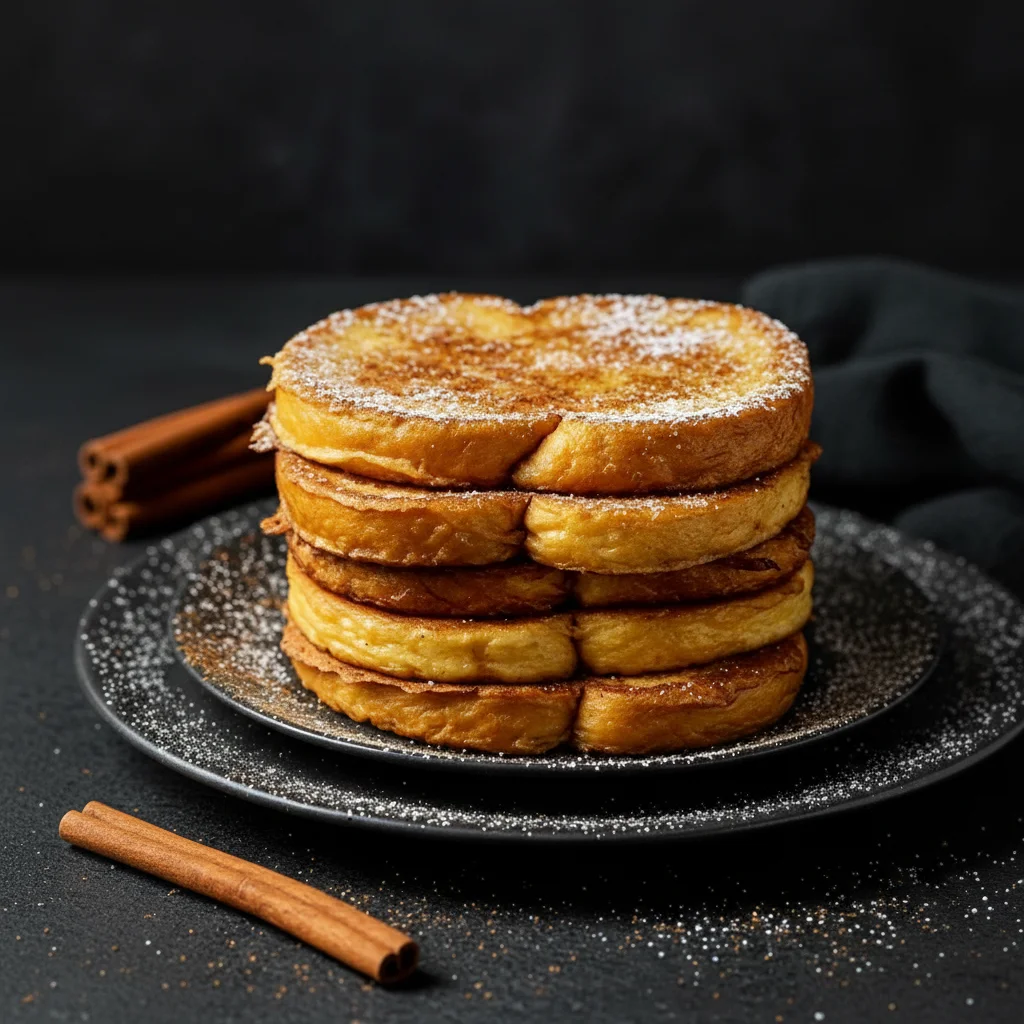
There’s something truly wonderful about moving the kitchen outdoors, especially for breakfast. The sizzle of butter on a hot griddle, the smell of cinnamon in the morning air – it just elevates the entire experience. I stumbled upon this method for making Blackstone French toast one sunny Saturday morning, and we’ve honestly never looked back. The vast, even surface of the griddle creates a French toast with a perfectly crisp, golden-brown crust that’s almost caramelised, while the inside remains unbelievably soft and custardy. It’s a texture you just can’t quite replicate in a standard frying pan.
This isn’t just another French toast recipe; it’s an invitation to transform your weekend breakfast routine. Making this griddle breakfast is a fantastic way to cook for the whole family at once without being stuck over a hob. Everyone can gather around, and the slices come off the heat at the same time, ready to be devoured. It works beautifully for a lazy Sunday brunch in the garden or even as a special treat on a camping trip. The rich, vanilla-scented custard and the buttery, crisp exterior make every bite feel like a small indulgence.
Recipe Overview
This Blackstone French Toast recipe delivers slices with a beautifully caramelised crust and a tender, creamy centre. The custard is rich with vanilla and a warming hint of cinnamon, but the real magic happens on the hot griddle. The large surface area allows the butter to sizzle and brown, creating an unparalleled flavour. I’ve found that a slightly thicker custard helps the bread hold its shape and prevents it from becoming too soggy during the cooking process.
- Prep Time: 10 minutes
- Cook Time: 10-12 minutes
- Total Time: Approximately 25 minutes
- Servings: 4 people (8 slices)
- Difficulty: Easy
Why You’ll Love This Blackstone French Toast
- Phenomenal Texture: The griddle’s consistent heat creates an amazing Maillard reaction, resulting in a perfectly crisp, buttery crust that gives way to a soft, fluffy interior. It’s a delightful contrast.
- Comes Together in About 25 Minutes: From whisking the custard to pulling the golden slices off the griddle, this is a straightforward breakfast that feels special without taking up your whole morning.
- Flexible Recipe: You can easily adapt the custard. Add a grating of nutmeg, a splash of orange zest, or even a little cardamom for a different aromatic profile. It’s also simple to double the recipe for a larger group.
- Ideal for Outdoor Gatherings: This recipe is brilliant when you’re hosting a garden brunch or have family staying over. You can cook all the slices at once, so everyone eats a hot breakfast together.
- Family Tested: My kids always ask for this on the weekend. They particularly love the extra crispy edges you get from the griddle, and it always gets compliments when we have guests.
Ingredients You’ll Need
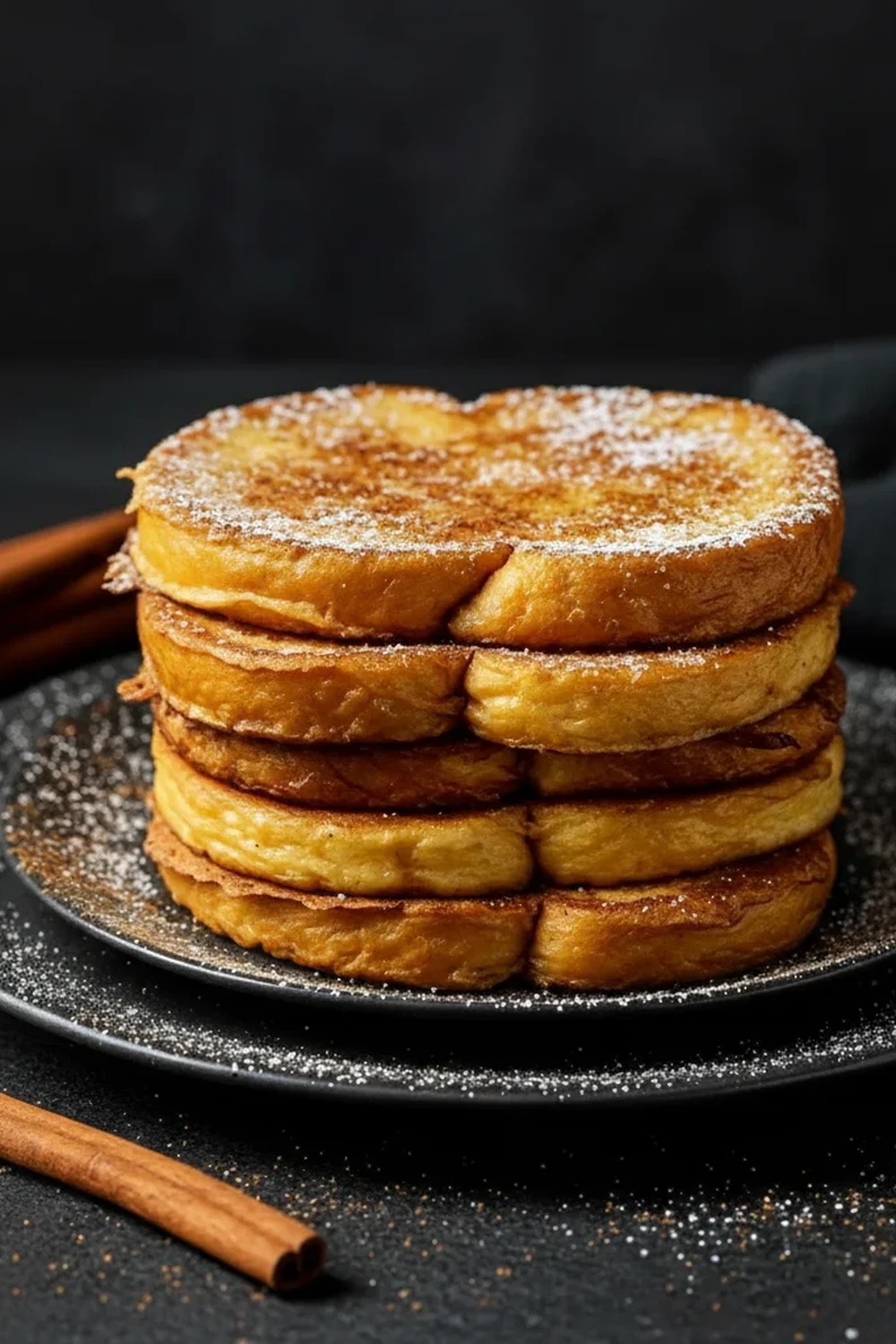
The quality of your ingredients, especially the bread, makes a huge difference here. I always opt for a day-old brioche loaf; its rich, buttery nature is a perfect match for the custard, and being slightly stale helps it absorb the liquid without falling apart. For the vanilla, a good quality extract like Nielsen-Massey really shines through.
- 8 thick slices (about 2.5cm or 1-inch thick) of day-old brioche, challah, or other thick-cut white bread
- 4 large free-range eggs
- 120ml whole milk
- 60ml double cream
- 2 tablespoons caster sugar
- 1 teaspoon pure vanilla extract
- 1 teaspoon ground cinnamon
- A pinch of salt
- 60g unsalted butter, for the griddle
- For Serving (optional):
- Fresh berries (strawberries, blueberries, raspberries)
- Icing sugar, for dusting
- Good quality maple syrup
Ashley’s Tip: Don’t be tempted to use fresh, soft bread. Day-old, slightly dried-out bread is the key to French toast that isn’t soggy. If your bread is fresh, you can lightly toast the slices in the oven at a low temperature for 10 minutes to dry them out a bit.
How to Make Blackstone French Toast
The process is straightforward. We’ll start by making a simple yet flavourful custard, soaking our bread just enough, and then cooking it on the preheated griddle until it’s perfectly golden and crisp. The key is to work efficiently once the bread is soaking.
- Prepare the Custard: In a shallow dish or baking tray that’s large enough to fit a slice of bread, whisk together the eggs, whole milk, double cream, caster sugar, vanilla extract, cinnamon, and a pinch of salt. Whisk until it’s completely smooth and a pale yellow colour.
- Preheat the Griddle: Turn your Blackstone griddle on to medium-low heat. You’re aiming for a consistent temperature that will cook the custard through without burning the exterior. Let it preheat for about 5-10 minutes.
- Soak the Bread: Working one slice at a time, place a slice of bread into the custard mixture. Let it soak for about 20-30 seconds per side. You want the bread to be saturated but not completely waterlogged and falling apart. Transfer the soaked bread to a wire rack while you soak the remaining slices.
- Butter the Griddle: Once the griddle is hot, add a generous amount of butter (about half of it) and spread it across the surface where you’ll be placing the bread. Let it melt and start to foam.
- Cook the French Toast: Carefully place the soaked bread slices onto the hot, buttered griddle. Be sure to leave some space between each slice to prevent them from steaming. I find that using two wide spatulas makes flipping the delicate, custard-soaked bread much easier and prevents it from breaking apart.
- Flip and Finish: Cook for 3-4 minutes on the first side, or until a deep golden-brown crust has formed. You can peek underneath with a spatula to check. Flip the slices carefully, add the remaining butter to the griddle if needed, and cook for another 3-4 minutes on the other side until it’s equally golden and the centre feels slightly firm to the touch.
- Serve Immediately: Remove the French toast from the griddle and serve straight away. Dust with icing sugar and top with fresh berries and a generous drizzle of maple syrup. It pairs wonderfully with a refreshing Instant Coffee Iced Coffee on a warm morning.
Tips From My Kitchen
- Temperature Control is Crucial: A griddle that’s too hot will scorch the outside of your French toast before the egg custard in the middle has a chance to cook, leaving you with a raw centre. Medium-low is your friend here. It allows the crust to develop slowly while the inside gently sets.
- The Secret Resting Step: I used to struggle with soggy French toast until I discovered this technique. After soaking the bread, let it sit on a wire rack for a minute or two before it hits the griddle. This allows the excess surface custard to drip off, which helps in forming a much crispier crust.
- Make-Ahead Custard: You can whisk the custard mixture together the night before and keep it covered in the fridge. This makes morning prep even faster. Just give it a quick whisk before you start soaking the bread.
- Storage and Reheating: Leftover French toast can be stored in an airtight container in the fridge for up to 2 days. To reheat, you can place it back on the Blackstone for a minute per side, or arrange the slices on a baking sheet and warm them in an oven at 180°C (160°C fan) for 5-8 minutes until heated through.
Equipment You’ll Need
- Blackstone Griddle or similar large flat-top grill
- Two wide metal spatulas (for easy flipping)
- Large shallow dish or baking tray (for the custard)
- Wire whisk
- Wire rack
Common Mistakes to Avoid
- Overcrowding the Griddle: Placing too many slices on the griddle at once will lower the surface temperature, causing the bread to steam rather than fry. This leads to a pale, soft exterior. Cook in batches if you need to, ensuring there’s plenty of space around each slice.
- Using the Wrong Heat: As mentioned, high heat is the enemy of good French toast. Resist the urge to crank it up for a faster cook time. Patience and a steady medium-low heat will give you that glorious golden crust and perfectly cooked centre.
- Over-soaking the Bread: Soaking the bread for too long will cause it to become completely saturated and fall apart when you try to lift it. A quick dip of 20-30 seconds per side is all you need for thick-cut bread.
Delicious Variations to Try
Once you’ve mastered the basic recipe, it’s fun to experiment with different flavours. The custard base is a wonderful canvas for creativity.
- Orange and Cardamom: Add the zest of one orange and 1/4 teaspoon of ground cardamom to the custard mixture for a warm, fragrant, and slightly exotic twist.
- Chocolate-Stuffed: Create a sandwich with two thinner slices of bread and spread a thin layer of chocolate-hazelnut spread in between. Pinch the edges, soak the whole sandwich in the custard, and cook as directed.
- Savoury Version: Omit the sugar, vanilla, and cinnamon. Instead, add a pinch of black pepper, a grating of parmesan cheese, and some finely chopped chives to the custard. Serve with bacon and a fried egg. It feels as satisfying as my favourite Salmon Cakes Canned Salmon Recipe for a brunch.
What to Serve With Blackstone French Toast
While this French toast is magnificent on its own, a few simple accompaniments can make it a full meal.
- Crispy Bacon or Sausages: The salty, savoury flavour of well-cooked bacon or breakfast sausages provides a perfect counterpoint to the sweet French toast.
- Yoghurt and Granola: A dollop of thick Greek yoghurt and a sprinkle of crunchy homemade granola can add a lovely tang and textural contrast.
- Freshly Squeezed Orange Juice: The bright acidity of fresh orange juice cuts through the richness of the French toast beautifully. For a healthier option, a Creamy Peanut Butter Smoothie is also a fantastic pairing.
Frequently Asked Questions
Blackstone French Toast
Ingredients
Method
- Prepare the Custard: In a shallow dish or baking tray that's large enough to fit a slice of bread, whisk together the eggs, whole milk, double cream, caster sugar, vanilla extract, cinnamon, and a pinch of salt. Whisk until it's completely smooth and a pale yellow colour.
- Preheat the Griddle: Turn your Blackstone griddle on to medium-low heat. You're aiming for a consistent temperature that will cook the custard through without burning the exterior. Let it preheat for about 5-10 minutes.
- Soak the Bread: Working one slice at a time, place a slice of bread into the custard mixture. Let it soak for about 20-30 seconds per side. You want the bread to be saturated but not completely waterlogged and falling apart. Transfer the soaked bread to a wire rack while you soak the remaining slices.
- Butter the Griddle: Once the griddle is hot, add a generous amount of butter (about half of it) and spread it across the surface where you'll be placing the bread. Let it melt and start to foam.
- Cook the French Toast: Carefully place the soaked bread slices onto the hot, buttered griddle. Be sure to leave some space between each slice to prevent them from steaming. I find that using two wide spatulas makes flipping the delicate, custard-soaked bread much easier and prevents it from breaking apart.
- Flip and Finish: Cook for 3-4 minutes on the first side, or until a deep golden-brown crust has formed. You can peek underneath with a spatula to check. Flip the slices carefully, add the remaining butter to the griddle if needed, and cook for another 3-4 minutes on the other side until it's equally golden and the centre feels slightly firm to the touch.
- Serve Immediately: Remove the French toast from the griddle and serve straight away. Dust with icing sugar and top with fresh berries and a generous drizzle of maple syrup. It pairs wonderfully with a refreshing Instant Coffee Iced Coffee on a warm morning.
Notes
I really hope you give this Blackstone French toast recipe a go. It’s become such a beloved weekend ritual for us, and the flavour and texture you get from outdoor cooking on the griddle is just something special. Let me know how it turns out for you in the comments below – I’d love to hear about your experience! Happy cooking!
– Ashley Rivera