Traditional Waffle Batter Recipe
For years, I chased the elusive restaurant-style waffle at home, only to be met with soggy, pale results that felt more like a sad pancake than a crisp, golden vessel for my toppings. It wasn’t until I stopped treating the batter as a simple mix-and-pour affair and started treating it with the respect of a pastry chef that everything changed. This Traditional Waffle Batter Recipe is that turning point, designed not just for a weekend breakfast but for a show-stopping brunch spread that will have your guests believing you smuggled a chef out of a Belgian bistro.
Recipe Overview
- Prep Time: 15 minutes
- Cook Time: 20 minutes (depending on your waffle iron)
- Total Time: 1 hour 35 minutes (includes 1 hour resting time)
- Servings: 8-10 standard waffles
- Difficulty: Medium
Why You’ll Love This Traditional Waffle Batter Recipe
- Custard-like interior, shatteringly crisp exterior: The secret is in the technique, creating a texture that is both delicate and sturdy enough to hold a mountain of toppings.
- Restaurant-quality presentation: This recipe is built for the plate, yielding waffles that are uniformly golden and beautifully defined, ready for your most elegant garnish.
- Perfectly balanced flavour: It’s not overly sweet, allowing the rich notes of butter and vanilla to sing, making it a versatile canvas for both sweet and savoury accompaniments.
- Make-ahead friendly components: The batter can rest in the fridge, and the cooked waffles can be kept warm in the oven, taking the stress out of hosting, much like the Ultimate Bread Dumplings Recipe.
- An impressive, yet achievable, skill: My husband, who’s usually picky, asked for seconds and insisted I write down the method so he could replicate it, which is the highest compliment in our house.
Ingredients You’ll Need
- 250g plain flour
- 50g caster sugar
- 2 teaspoons baking powder
- ½ teaspoon bicarbonate of soda
- ½ teaspoon fine sea salt
- 2 large eggs, separated
- 475ml full-fat milk, lukewarm
- 120ml vegetable oil or melted, cooled butter (plus extra for the iron)
- 2 teaspoons vanilla extract
- 1 tablespoon fresh lemon juice
Tip: For the most luxurious texture, use full-fat milk and separate your eggs while they are cold, then allow the whites to come to room temperature for maximum volume when whisked.
How to Make Traditional Waffle Batter Recipe
- Activate the buttermilk effect: In a measuring jug, combine the lukewarm milk and fresh lemon juice. Give it a quick stir and set aside for 5-10 minutes. You will see the mixture begin to curdle slightly and thicken, which is exactly what we want. This mimics buttermilk, adding tenderness and a subtle tang.
- Whisk the dry ingredients: In a large bowl, sift together the plain flour, caster sugar, baking powder, bicarbonate of soda, and fine sea salt. Whisk briefly to ensure everything is evenly distributed. The sifting aerates the flour, which contributes to a lighter waffle.
- Combine the wet ingredients: In a separate bowl, whisk the egg yolks with the vanilla extract. Pour in the thickened milk mixture and the vegetable oil (or melted butter), whisking until smooth. The mixture will look pale and slightly emulsified.
- Make a well and combine: Create a well in the centre of the dry ingredients. Pour the wet mixture into the well. Using a wooden spoon or a rubber spatula, stir gently from the centre outwards, just until the flour is moistened. A few small lumps are perfectly fine; over-mixing will develop the gluten and make the waffles tough. The batter should be thick but pourable, the texture of a thick milkshake.
- Whip the egg whites to stiff peaks: In a clean, grease-free bowl, whisk the egg whites with an electric mixer on medium-high speed until they hold stiff, glossy peaks. When you lift the whisk, the peak should stand straight up without flopping over. This process should take about 3-4 minutes and will sound like a soft, steady hum.
- Fold in the egg whites: Take a large spoonful of the whipped egg whites and stir it into the batter to lighten it. Then, gently fold the remaining whites into the batter using a figure-eight motion with your spatula. Fold just until no white streaks remain. The batter will now be very airy, almost mousse-like in its lightness.
- Rest the batter (crucial step): Cover the bowl with a clean tea towel and let the batter rest at room temperature for at least 1 hour. During this time, the flour hydrates fully, and the gluten relaxes, which ensures a tender interior and a crispier exterior. The surface might develop a few small bubbles, which is a good sign.
- Preheat your waffle iron: About 10 minutes before the batter is ready, preheat your waffle iron to a medium-high setting. A drop of water should sizzle and dance on the surface.
- Cook the waffles: Give the rested batter a gentle, quick stir (it will have deflated slightly). Lightly brush the waffle iron grids with a little melted butter or oil. Pour the recommended amount of batter onto the centre of the iron (usually about ¾ cup, depending on your machine). Close the lid and cook until the waffle is deep golden brown and crisp, and steam stops escaping from the sides. This usually takes 4-5 minutes. The sound will change from a loud sizzle to a quieter, steady hiss as it finishes cooking.
- Keep warm and serve: Transfer the cooked waffle to a wire rack set inside a baking tray and keep it warm in a low oven (about 100°C) while you cook the remaining batter. This prevents them from steaming and becoming soggy.
Tips From My Kitchen
- Respect the resting time: This is non-negotiable for the best texture. Resting the batter allows the starch granules to absorb the liquid, which thickens the batter and creates a much crisper waffle. Skipping this step yields a flat, less interesting result.
- Don’t overmix after adding the flour: Stirring the batter too aggressively develops gluten, leading to a rubbery, tough waffle. Mix until the flour just disappears; lumps are your friend here, as they will disappear during the rest.
- Use a wire rack, not a plate, for holding: If you stack hot waffles on a plate, the trapped steam will soften the crispy exterior. A wire rack allows air to circulate all around, keeping them shatteringly crisp until you’re ready to serve.
- Control your waffle iron’s temperature: If your waffles are browning too quickly on the outside but are still doughy inside, your iron is too hot. Conversely, if they are pale and soft, it’s too cool. Find the sweet spot where the waffle takes a full 4-5 minutes to become a deep, even golden brown.
- Brush the iron, don’t spray it: Non-stick sprays can build up a gummy residue on your waffle iron over time. Using a pastry brush to apply a thin layer of melted butter or oil ensures even coverage and a superior, buttery crust.
Common Mistakes to Avoid
- Overcrowding the pan: While this isn’t a pan, the principle applies to your waffle iron. Don’t be tempted to add more batter than recommended. Overfilling causes the batter to spill out, creating a messy, unevenly cooked waffle. Always use the manufacturer’s recommended amount for a clean, well-formed result.
- Wrong temperature: A waffle iron that is too cold will produce a pale, soggy waffle that absorbs too much fat. An iron that is too hot will burn the outside before the inside is cooked. Aim for a medium-high setting and test with a small amount of batter first to dial it in perfectly.
- Skipping the rest time: This is the most common shortcut that ruins a good waffle. Without resting, the gluten is tight and the batter is thin, resulting in a dense, chewy, and less crispy waffle. The hour of rest is the single most important step for achieving that coveted restaurant-quality texture.
Delicious Variations to Try
- Spicy Version: Add ½ teaspoon of cayenne pepper and 1 teaspoon of smoked paprika to the dry ingredients. Serve the finished waffles with a dollop of soured cream, sliced avocado, and a sprinkle of fresh coriander for a truly memorable savoury dish.
- Vegetarian/Vegan Option: Replace the eggs with a flax egg (2 tablespoons ground flaxseed mixed with 6 tablespoons water) and use a plant-based milk like oat or soya. Substitute the butter with a high-quality vegan block butter. The texture will be slightly less airy, but the flavour remains excellent.
- Different Protein: For a brunch centrepiece, top the waffles with pulled chicken or turkey, a drizzle of maple syrup, and a sprinkle of chilli flakes. The sweet-savoury combination is a guaranteed winner, and you can find a fantastic method for perfectly cooked chicken in our Chicken Fried Chicken Recipe Crispy.
What to Serve With Traditional Waffle Batter Recipe
- A dollop of lightly sweetened crème fraîche and a drizzle of honeycomb.
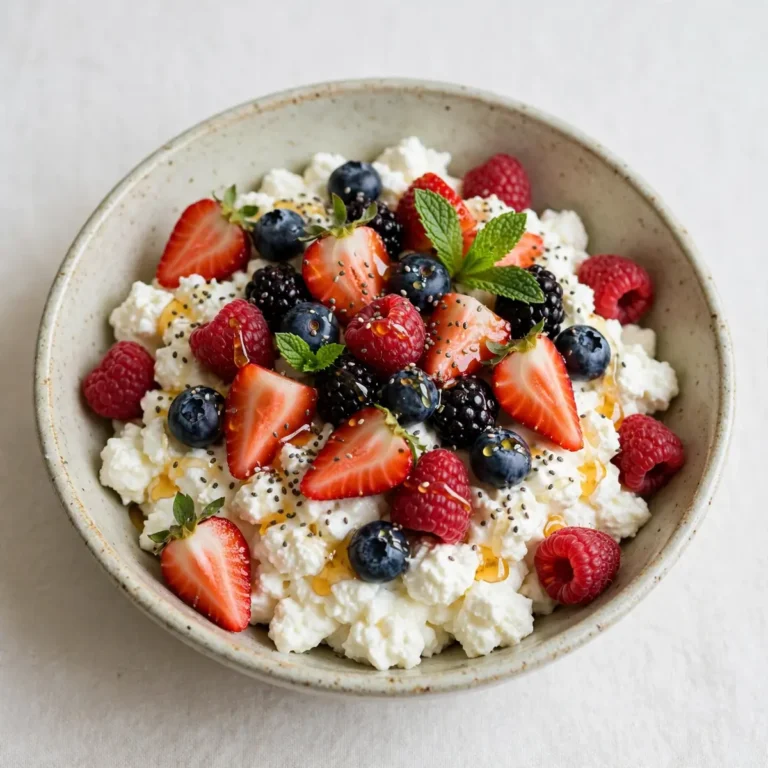
- Fresh, macerated berries with a sprig of mint for colour.
- A side of crispy, oven-baked bacon or thick-cut sausages for a classic pairing.
- A simple, elegant fruit compote made from seasonal fruits.
- For a full brunch spread, consider serving these alongside a Chicken Kebab Platters Recipe Grilled for a surprising but delicious contrast.
Frequently Asked Questions
Traditional Waffle Batter Recipe
Ingredients
Method
-
Activate the buttermilk effect: In a measuring jug, combine the lukewarm milk and fresh lemon juice. Give it a quick stir and set aside for 5-10 minutes. You will see the mixture begin to curdle slightly and thicken, which is exactly what we want. This mimics buttermilk, adding tenderness and a subtle tang.
-
Whisk the dry ingredients: In a large bowl, sift together the plain flour, caster sugar, baking powder, bicarbonate of soda, and fine sea salt. Whisk briefly to ensure everything is evenly distributed. The sifting aerates the flour, which contributes to a lighter waffle.
-
Combine the wet ingredients: In a separate bowl, whisk the egg yolks with the vanilla extract. Pour in the thickened milk mixture and the vegetable oil (or melted butter), whisking until smooth. The mixture will look pale and slightly emulsified.
-
Make a well and combine: Create a well in the centre of the dry ingredients. Pour the wet mixture into the well. Using a wooden spoon or a rubber spatula, stir gently from the centre outwards, just until the flour is moistened. A few small lumps are perfectly fine; over-mixing will develop the gluten and make the waffles tough. The batter should be thick but pourable, the texture of a thick milkshake.
-
Whip the egg whites to stiff peaks: In a clean, grease-free bowl, whisk the egg whites with an electric mixer on medium-high speed until they hold stiff, glossy peaks. When you lift the whisk, the peak should stand straight up without flopping over. This process should take about 3-4 minutes and will sound like a soft, steady hum.
-
Fold in the egg whites: Take a large spoonful of the whipped egg whites and stir it into the batter to lighten it. Then, gently fold the remaining whites into the batter using a figure-eight motion with your spatula. Fold just until no white streaks remain. The batter will now be very airy, almost mousse-like in its lightness.
-
Rest the batter (crucial step): Cover the bowl with a clean tea towel and let the batter rest at room temperature for at least 1 hour. During this time, the flour hydrates fully, and the gluten relaxes, which ensures a tender interior and a crispier exterior. The surface might develop a few small bubbles, which is a good sign.
-
Preheat your waffle iron: About 10 minutes before the batter is ready, preheat your waffle iron to a medium-high setting. A drop of water should sizzle and dance on the surface.
-
Cook the waffles: Give the rested batter a gentle, quick stir (it will have deflated slightly). Lightly brush the waffle iron grids with a little melted butter or oil. Pour the recommended amount of batter onto the centre of the iron (usually about ¾ cup, depending on your machine). Close the lid and cook until the waffle is deep golden brown and crisp, and steam stops escaping from the sides. This usually takes 4-5 minutes. The sound will change from a loud sizzle to a quieter, steady hiss as it finishes cooking.
-
Keep warm and serve: Transfer the cooked waffle to a wire rack set inside a baking tray and keep it warm in a low oven (about 100°C) while you cook the remaining batter. This prevents them from steaming and becoming soggy.
Notes
I used to struggle with this dish until I discovered that the secret to an impressive waffle isn’t a fancy machine, but patient technique. This recipe has transformed my weekend brunches from a simple meal into an event. I hope you’ll try it and feel that same sense of accomplishment when you present a perfectly golden, crisp waffle to your table. I would love to hear how you styled yours and what toppings you chose—please share your creations and questions in the comments below!